
Choosing a toy organizer for a nursery in the Philippines requires balancing immediate storage needs with long-term safety and environmental factors. A baby’s room is a dynamic space where developmental milestones happen rapidly, meaning a storage unit must adapt from holding soft plushies to supporting a toddler who is learning to pull themselves up. In a tropical climate characterized by high humidity and seasonal dust, the materials, structural design, and placement of these organizers play a vital role in maintaining a clean, allergen-free environment. By prioritizing stability, accessibility, and ease of maintenance, parents can establish an organized nursery that supports independent play while keeping safety at the forefront.
Key Criteria for Evaluating Nursery Toy Organizers
Evaluating the physical stability of a toy organizer is the most critical step before purchase. As infants transition to crawling and pulling themselves up to stand, any furniture in the nursery becomes a potential climbing frame. Look for units designed with a wide, heavy base and a low center of gravity, which naturally resists tipping when pulled from the front. Avoid top-heavy designs or tall, narrow shelving units unless they are specifically engineered to be anchored directly to the wall. When inspecting a potential purchase, check if the manufacturer includes wall-anchoring hardware or specifies that the unit is compatible with standard anti-tip brackets.
Babies explore their world through touch and taste, making material safety a non-negotiable factor. Examine product labels for declarations of non-toxic finishes, lead-free paints, and BPA-free plastics. Wooden organizers should have smooth, rounded edges to prevent scratches, and any painted or varnished surfaces must resist chipping or peeling under daily wear. Avoid units with small, easily detachable parts, decorative knobs that could unscrew and pose a choking hazard, or exposed metal hardware that could pinch tiny fingers.
Products mentioned in this guide
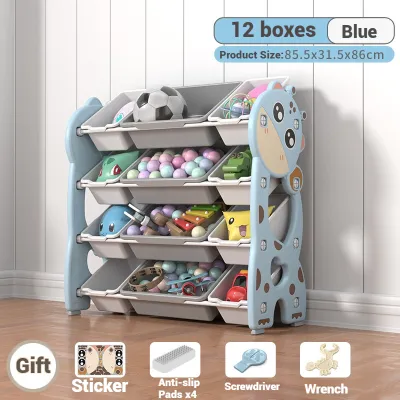
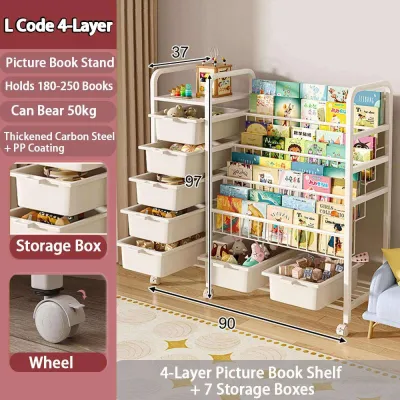
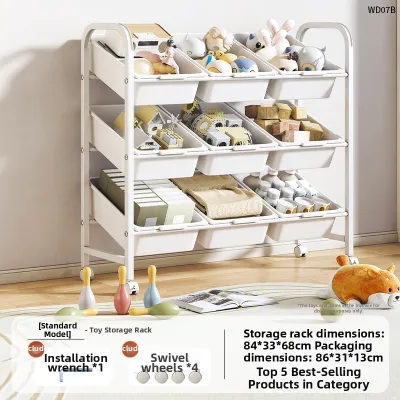
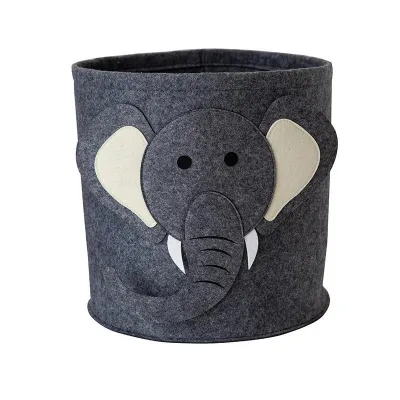
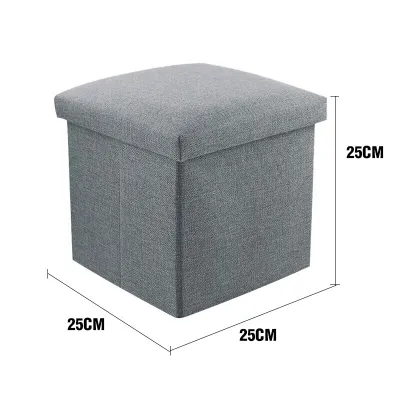
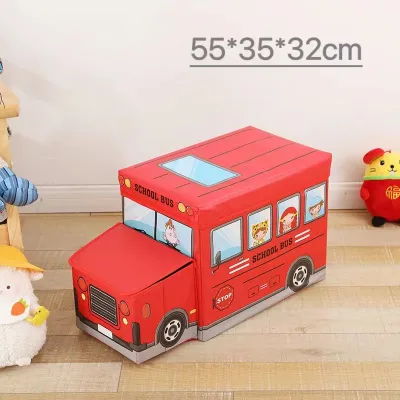
Prices are valid at publication and may change. Please refer to the product page for the latest price.
A successful nursery layout encourages early development by placing toys within the child’s natural line of sight and reach. Low-profile organizers allow infants and toddlers to select their own toys safely, fostering independence and motor skills. However, this accessibility must not create climbing hazards. Ensure that the shelves or bins are not structured like steps, which might tempt a curious toddler to climb to reach items stored on higher levels. Keep the most frequently used, lightweight items on the lowest shelves, and reserve higher, out-of-reach sections for parent-supervised items.
Nursery rooms vary significantly in size, and maximizing floor space for safe play is essential. Before selecting an organizer, measure the available wall space and floor area, keeping in mind the clearance needed for crib doors, wardrobes, and walking paths. A bulky organizer that blocks a high-traffic walkway or sits too close to a crib can create safety hazards. Opt for modular or vertical storage solutions that maximize capacity without consuming excessive floor space, ensuring there is always a clear, unobstructed path across the room.
Matching Organizer Styles to Different Toy Categories
Plush toys, blankets, and large developmental cushions require spacious, flexible storage that allows for quick cleanup. Open-top canvas baskets, lightweight fabric bins, or woven cotton rope hampers are excellent choices for these bulky items. They allow parents and older babies to easily toss toys inside at the end of the day. For nurseries with limited floor space, corner hammock-style nets can keep soft toys off the ground, though these must be installed high enough to remain completely out of reach of a sleeping or standing baby to prevent entanglement risks.

As babies grow into the toddler stage, toys with multiple small components, such as wooden blocks, sensory balls, and shape sorters, become more common. Multi-bin shelving units featuring removable, lightweight plastic or fabric bins are highly effective for sorting these items. These units allow parents to bring a single bin of blocks to the play mat and return it to the shelf when finished, rather than moving the entire organizer. Opt for bins with open tops or easy-to-grip handles so that children can participate in sorting and cleaning up under supervision.
Early literacy is supported by making books highly visible and inviting. Traditional bookshelves that show only the spines of books are often unappealing to young children who rely on visual cues. Forward-facing low bookshelves or sling-style book organizers display the front covers of books, making it simple for a baby to point to or grab their favorite story. Ensure the sling fabric is durable, washable, and securely attached to a sturdy wooden or metal frame that will not tip forward when a book is pulled.
In the humid tropical climate of the Philippines, toys that come into contact with water or saliva require specialized storage to prevent mold and mildew. Sensory toys, teething rings, and bath toys should never be sealed in airtight plastic containers. Instead, utilize open mesh bags, ventilated plastic baskets, or perforated bins that promote continuous airflow. This design allows moisture to evaporate quickly, keeping toys hygienic and ready for the next play session.
Safety Boundaries and Maintenance in the Baby Room
Regardless of how stable a freestanding toy organizer appears, securing it to the wall is a vital safety measure once a child begins to crawl or stand. Heavy toys, open drawers, or a child pulling on a shelf can easily shift the center of gravity forward. Install a heavy-duty anti-tip kit, securing one end to the solid wood stud or concrete wall and the other to the frame of the organizer. Regularly check that the straps or brackets remain tight and that the wall anchors have not loosened over time due to humidity or vibrations.
Daily nursery activities can place significant stress on furniture and storage bins. Establish a monthly routine to inspect all organizers for signs of structural compromise. Tighten any loose screws, bolts, or dowels, and check wooden units for splintering or cracking. For fabric bins, inspect the seams for fraying threads or exposed cardboard supports that could be chewed on or torn. If a plastic bin develops a crack or a sharp edge, replace it immediately to prevent cuts or pinches.
Maintaining a hygienic environment is essential for a baby’s developing immune system. Plastic bins should be wiped down weekly with a mild, baby-safe soap and warm water, then allowed to air dry completely before toys are replaced. Fabric liners and canvas baskets should be machine-washed on a gentle cycle using hypoallergenic, fragrance-free detergent to remove dust mites and allergens. For wooden frames, use a damp microfiber cloth to remove dust, avoiding harsh chemical sprays that could leave toxic residues on surfaces your baby might touch.
Knowing when a storage unit has reached the end of its safe lifespan is crucial for nursery safety. If an organizer develops a persistent wobble that cannot be corrected by tightening the hardware, or if the main frame warps due to humidity, it should be removed from the nursery immediately. Similarly, if a multi-bin unit has missing or broken support rails that allow bins to fall unexpectedly, it poses a physical hazard to a playing child. Prioritize structural integrity over convenience, replacing compromised units promptly.
Shopping Channels and Pre-Purchase Verification
When sourcing a toy organizer in the Philippines, parents can choose between specialized baby boutiques, physical department stores, and major online marketplaces. Specialized baby retailers often carry brands that prioritize international safety standards, though they may come at a premium. Online marketplaces offer a vast selection of budget-friendly options, but they require extra vigilance. When shopping online, prioritize official brand stores or verified sellers to ensure you are receiving authentic products rather than low-quality imitations that may use unsafe paints or plastics.
Do not rely solely on product photos, which can often make organizers look larger or sturdier than they are in reality. Carefully read the technical specifications, noting the exact dimensions to ensure the unit fits your nursery layout. Check the maximum weight capacity for both the overall frame and individual bins to avoid overloading. Look for explicit details regarding material composition, such as solid pine wood, E1 grade MDF, or food-grade PP plastic, which indicate a higher standard of manufacturing.
Real-world feedback from other parents is invaluable when purchasing nursery furniture online. Look for reviews that specifically mention the ease of assembly, the stability of the unit once fully loaded, and whether the materials had a strong chemical odor upon unboxing. A strong chemical smell can indicate high levels of volatile organic compounds (VOCs), which are unsuitable for a poorly ventilated baby room. Pay attention to reviews that include photos or videos, as these provide a more accurate representation of the product’s actual color, size, and structural quality.
Before finalizing your purchase, especially for larger furniture items that require assembly, verify the seller’s return policy and warranty terms. Ensure that you can return the product or receive replacement parts if the unit arrives with missing hardware, cracked panels, or shipping damage. A reliable seller should offer clear customer support channels and a straightforward return window, giving you peace of mind that your investment in your nursery’s organization is fully protected.
Frequently Asked Questions (FAQ)
At what age should a baby start using a toy organizer?
While parents manage nursery storage from birth, babies can begin interacting with low-profile toy organizers around six to eight months of age, as they learn to sit up independently and reach for objects. At this stage, open, floor-level baskets allow them to explore toys freely. As they transition to crawling and walking between nine and eighteen months, a structured, accessible organizer helps them learn to select and return toys, laying the foundation for basic cleanup habits and spatial awareness.
Are fabric bins safer than plastic bins for a nursery?
Both materials have distinct safety and practical advantages depending on how they are used. Fabric bins are soft, lightweight, and virtually eliminate the risk of impact injuries if a baby bumps into them or pulls a bin down onto themselves. However, they can be harder to sanitize and may sag over time if overloaded. Plastic bins are highly durable, easy to wipe clean, and maintain their shape, but they can have sharper edges and are heavier when dropped. For young infants, lightweight fabric bins are often preferred for low shelves, while sturdy plastic bins are excellent for older toddlers storing heavier toys.
How can I prevent mold on bath toy organizers?
To prevent mold and mildew in the humid Philippine climate, always choose bath toy organizers made of quick-drying mesh or perforated plastic that allows water to drain completely. Hang the organizer in a well-ventilated area of the bathroom, away from direct water spray when not in use. Regularly wash the organizer itself—either by running plastic bins through a sanitizing cycle or machine-washing mesh bags—and ensure bath toys are squeezed empty of water and allowed to dry completely before being stored away.

Community discussion
Share your experience or ask a question. Comments are reviewed before publication.