
Selecting the right toothbrush for your child involves matching the brush head size to their current oral development and choosing bristles that protect their delicate gums. While the age brackets printed on packaging serve as a helpful starting point, your child’s physical milestones—such as the number of erupted teeth, their ability to grip objects, and their overall comfort during brushing—are the most reliable indicators. Finding the correct balance ensures that daily oral hygiene is both highly effective and comfortable enough to prevent brushing resistance.
By focusing on observable developmental signs rather than age labels alone, you can select a tool that fits your child’s mouth perfectly and supports their growing independence. This approach helps establish positive oral care habits that last a lifetime.
Assessing Your Child's Oral Development and Motor Skills
To choose the most effective toothbrush, you must first observe the physical landscape of your child’s mouth. A child’s oral cavity changes rapidly during the first few years of life, starting from a completely smooth ridge to a mouth filled with primary teeth. Take a moment to look inside your child’s mouth when they laugh or yawn. Count the number of erupted teeth and observe how wide they can comfortably open their mouth. A brush head that is too large will bump against the inner cheeks or the back of the gums, causing discomfort and making it difficult to clean the hard-to-reach molars.
Products mentioned in this guide
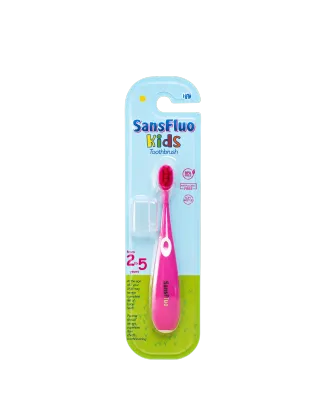
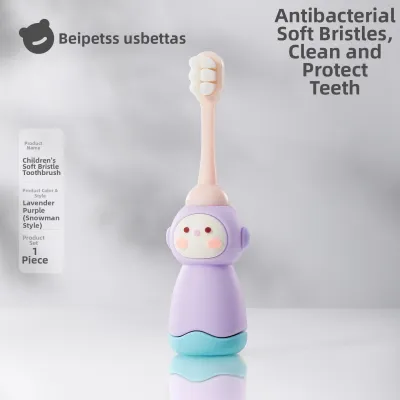
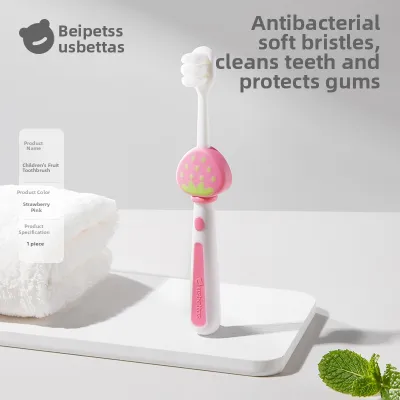
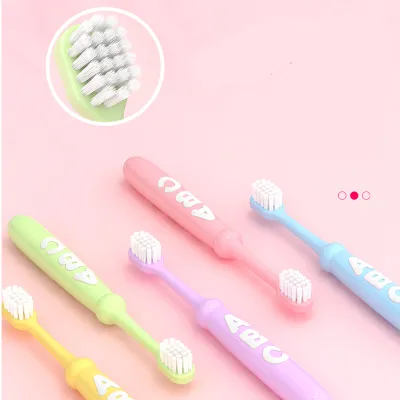
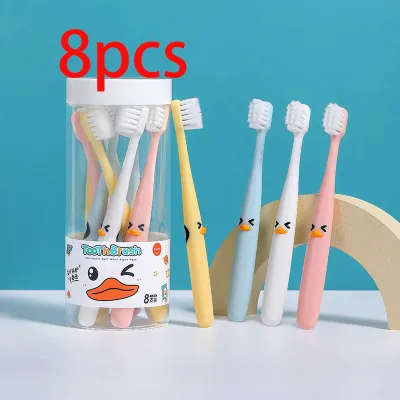
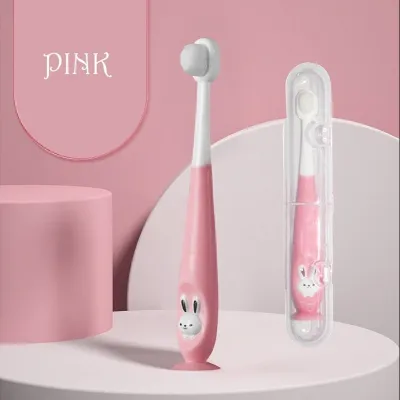
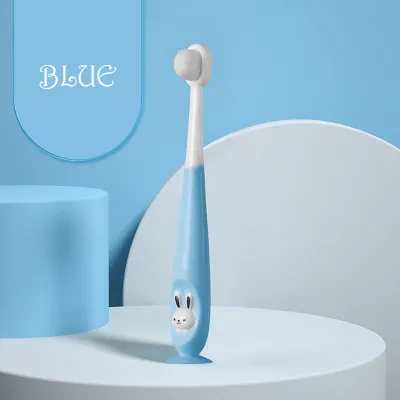
Prices are valid at publication and may change. Please refer to the product page for the latest price.
In addition to mouth size, your child’s hand dexterity plays a major role in determining the right toothbrush design. Observe how your child interacts with everyday objects like spoons, crayons, or small toys. A toddler who still uses a full-fist grasp requires a completely different handle shape than a preschooler who is beginning to master a finger-controlled grip. Matching the handle to their current motor skills prevents frustration and allows them to practice the correct brushing motions under your guidance.
Finally, keep a close eye on signs of gum sensitivity and teething discomfort. In the warm, tropical climate of the Philippines, where dehydration can sometimes lead to a drier mouth, irritated gums can feel even more sensitive. If your child is currently cutting new teeth, their gums may appear red, slightly swollen, or tender to the touch. During these active teething phases, even standard soft bristles might cause discomfort, highlighting the need for temporary adjustments in bristle texture to keep the brushing experience pain-free.
Matching Toothbrush Specifications to Developmental Stages
Navigating the toothbrush aisle can feel overwhelming with dozens of colorful options on display. To make an informed decision, you need to know how to interpret product specifications and verify them against your child’s unique developmental stage.

Evaluating Brush Head Size and Bristle Softness
When examining toothbrush packaging, always check the manufacturer’s age recommendations and head size indicators. These guidelines are designed to match average oral dimensions, but you should treat them as a baseline rather than an absolute rule. If your child has a smaller mouth or fewer teeth than average for their age, do not hesitate to select a brush from a younger bracket. The brush head should be small enough to clean one to two teeth at a time comfortably without scraping the surrounding soft tissues.
Bristle softness is the most critical factor in protecting your child’s developing tooth enamel and delicate gum tissue. Always prioritize extra-soft bristles for infants and toddlers, as their enamel is much thinner than adult enamel and highly susceptible to abrasive wear. For older children with a mix of primary and permanent teeth, soft bristles remain the standard choice. Avoid medium or hard bristles entirely for children of any age, as they can cause micro-scratches on the teeth and irritate the gumline.
Before introducing a new toothbrush to your child, perform a simple tactile test on the back of your hand. Press the bristles gently against your skin and move them in a circular motion. The bristles should feel flexible, smooth, and completely non-scratchy. If the brush feels stiff or causes any prickling sensation on your hand, it is too firm for your child’s sensitive mouth and should be replaced with a softer option.
Choosing the Right Handle Design for Grip and Control
For toddlers who are still developing their basic motor skills, look for toothbrushes with chunky, wide, and easy-to-grip handles. These designs often feature rubberized textures or molded shapes that fit naturally into a small, closed fist. A thick handle allows a young child to maintain a secure hold even when their hands are wet, reducing the likelihood of dropping the brush or accidentally poking themselves in the mouth.
As your child transitions into the preschool years and begins to refine their pincer grasp, you can gradually introduce slimmer, contoured handles. These handles should still feature non-slip grips, but they are designed to be held more like a pencil, encouraging finer wrist control and more precise brushing movements. This transition helps prepare them for the eventual shift to standard youth and adult toothbrushes.
Regardless of your child’s age, ensure the handle length and shape allow you to assist comfortably during co-brushing. Parents must often guide the brush or perform a secondary cleaning to ensure all plaque is removed. A handle that accommodates both your hand and your child’s hand comfortably makes this cooperative routine much smoother and safer for everyone involved.
Safety Checks, Maintenance, and Replacement Signals
Maintaining the hygiene and structural integrity of your child’s toothbrush is just as important as choosing the right size. Inspect the bristles weekly for signs of splaying, fraying, or loss of softness. Splayed bristles spread outward and lose their ability to clean effectively, often sliding over plaque instead of removing it. Furthermore, worn bristles can become sharp and jagged, which can irritate the gums and cause micro-abrasions.
Regularly check the entire brush head and handle for physical damage. Children frequently chew on their toothbrushes, especially when teething, which can weaken the plastic or loosen the rubber grips. Inspect the brush for deep bite marks, cracks, or loose parts that could potentially detach and pose a choking hazard. If you notice any structural compromise, discard the toothbrush immediately.
In the humid climate of the Philippines, moisture can linger on toothbrush bristles, creating an environment where bacteria can easily multiply. Always store the toothbrush upright in an open holder where it can air-dry completely between uses; avoid using closed plastic caps or travel cases for daily storage. Replace the toothbrush every three months, or immediately after your child recovers from an illness such as a cold, flu, or throat infection to prevent the reintroduction of bacteria.
Supervising the Brushing Routine and Seeking Professional Advice
Even with the perfect toothbrush, young children do not possess the manual dexterity or focus required to clean their teeth thoroughly on their own. You should physically assist with and closely supervise the brushing routine until your child can easily tie their own shoelaces or write legibly, which typically occurs around age seven or eight. Allow them to practice brushing first to build confidence, then follow up to ensure all tooth surfaces are completely clean.
During the daily routine, monitor your child’s mouth for any warning signs that indicate a change is needed. If you observe persistent gum bleeding, localized redness, or if your child consistently resists brushing despite a gentle approach, the current brush may be too hard or too large. Additionally, look for visible yellowish plaque buildup along the gumline, which suggests that the brush head is not reaching the necessary areas effectively.
If you encounter persistent difficulties, such as severe sensory aversions to certain bristle textures or unique oral anatomy, consult a pediatric dentist. A professional can evaluate your child’s oral development, recommend specialized brush designs, and provide personalized guidance to make the daily brushing routine a comfortable and positive experience for your family.
Frequently Asked Questions (FAQ)
Can I use an adult toothbrush with soft bristles for my older child?
No, using an adult toothbrush is not recommended for children, even if the bristles are labeled as soft. The brush head of an adult toothbrush is far too large to navigate the small, tight spaces of a child’s mouth safely, which often results in missed plaque along the back molars and accidental bruising of the inner cheeks. Additionally, the long, thin handles of adult brushes are difficult for smaller hands to grip and control, increasing the risk of slipping and causing injury.
Are electric toothbrushes better than manual ones for kids?
Electric toothbrushes are not universally superior, but they can be highly beneficial depending on your child’s needs. The rapid movement of electric bristles can help remove plaque more efficiently for children who are still developing their manual brushing technique. They can also make the routine more engaging for kids who resist manual brushing. However, a manual toothbrush is perfectly effective when used with the correct technique and remains an excellent tool for teaching basic motor control.
How do I know if the bristles are too hard for my child's gums?
If the bristles on your child’s toothbrush are too hard, you will likely observe immediate physical signs of irritation. Look for redness, swelling, or minor bleeding along the gumline during or immediately after brushing. Your child may also complain of discomfort, flinch when the brush touches certain areas, or suddenly begin to resist their daily oral care routine. If you notice any of these signs, switch to an extra-soft or softer bristle type immediately.

Community discussion
Share your experience or ask a question. Comments are reviewed before publication.