
To choose the right toothbrush for your toddler, you must match the brush’s physical features to your child’s specific age and oral development stage. For early toddlers aged 12 to 24 months, look for an ultra-compact brush head with extra-soft bristles and a handle designed for parental control. For older toddlers aged 2 to 3 years, transition to a slightly larger but still compact head with a chunky, non-slip handle that fits their developing grip, while keeping a second parent-friendly brush on hand for thorough cleaning.
Selecting the correct tool is essential because a toddler’s oral anatomy is highly delicate. Their developing primary teeth have thinner enamel than adult teeth, making them more susceptible to wear and irritation. By focusing on bristle texture, head size, and handle ergonomics, you can establish a safe, comfortable, and effective oral hygiene routine that protects their growing smile.
Quick Guide: Matching Toothbrush Features to Your Toddler's Stage
As your child grows, their oral care needs change rapidly. Between 12 and 24 months, toddlers are transitioning from infant gum care to brushing their first erupted teeth. During this stage, the primary goal is to gently clean newly emerged incisors and first molars without irritating sensitive gums. The ideal toothbrush for this phase features an ultra-small head and extremely soft bristles, with a handle designed primarily for a parent to hold and guide.
Products mentioned in this guide
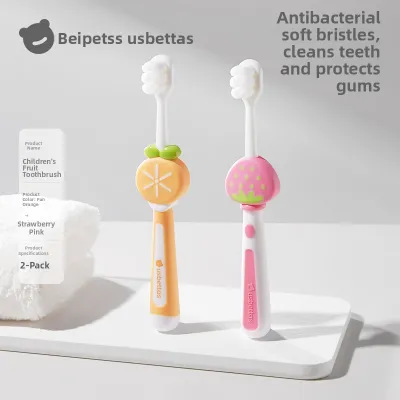
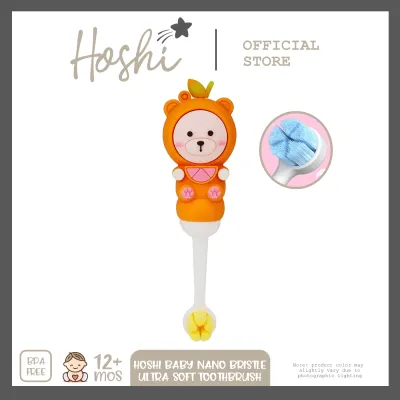
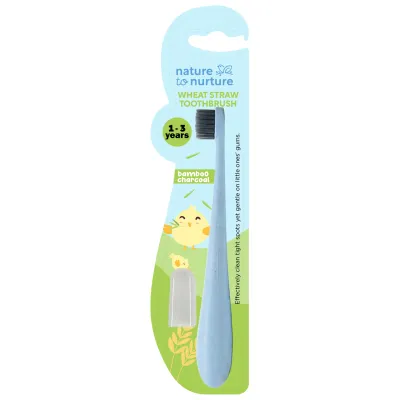
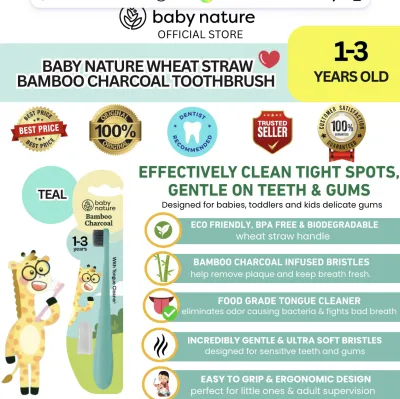
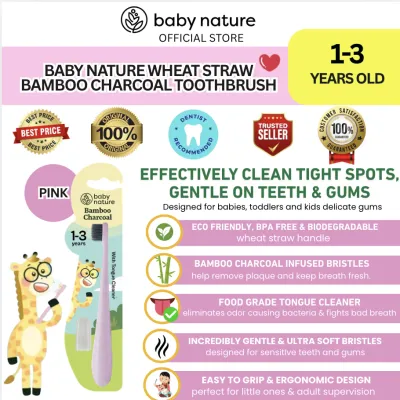
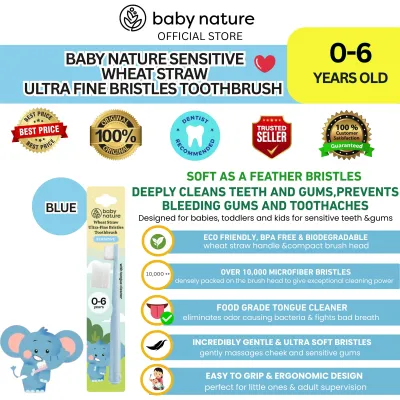
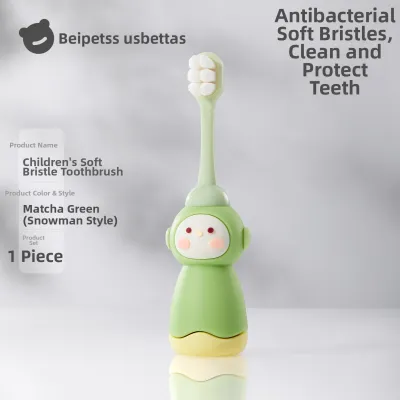
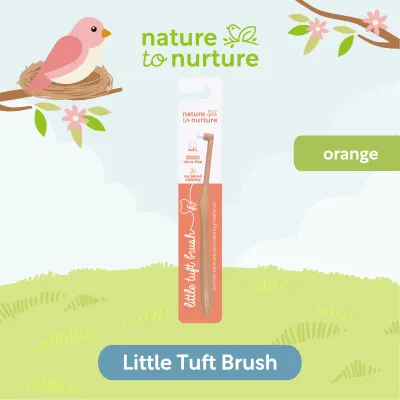
Prices are valid at publication and may change. Please refer to the product page for the latest price.
Between 2 and 3 years of age, most toddlers experience the eruption of their second molars, completing their set of primary teeth. This stage is characterized by a strong desire for independence and the development of basic motor skills. Toothbrushes for this age group should feature slightly larger, yet still compact, brush heads to cover more surface area, paired with chunky, textured handles that accommodate a toddler’s developing grip.
Regardless of the specific age bracket, certain baseline features are non-negotiable for all toddler toothbrushes. You must always select brushes labeled with extra-soft or soft bristles and a compact head that can easily navigate tight spaces. Furthermore, parental supervision and physical assistance remain critical during both stages; toddlers do not possess the manual dexterity to clean their teeth effectively on their own, meaning a parent must always perform the final, thorough brushing.
Core Features to Evaluate: Bristles, Head Size, and Handles
When evaluating any toddler toothbrush, the quality and texture of the bristles should be your primary concern. Extra-soft or soft nylon bristles are mandatory for toddlers because their enamel is thin and their gums are highly sensitive. Hard or even medium bristles can cause micro-scratches on the enamel and irritate the delicate gum tissue, leading to discomfort and a reluctance to brush. To verify bristle softness, always check the product packaging for explicit “extra-soft” or “soft” labeling rather than relying on visual appearance alone.

While silicone brushes are popular for teething infants, they are generally less effective at removing plaque once multiple teeth have erupted. Nylon bristles are highly recommended for toddlers because their fine tips can effectively sweep away food debris and plaque from the grooves of the teeth. When shopping, you can gently press the bristles with your thumb to verify that they bend easily and feel soft against the skin, ensuring they will not cause discomfort during use.
The size and shape of the brush head directly impact how thoroughly you can clean your toddler’s mouth. A brush head that is too large will bump against the inner cheeks and gums, triggering a strong gag reflex and making the brushing experience unpleasant. The ideal brush head should be compact enough to fit comfortably in the small space between the cheek and the back molars, covering no more than two small teeth at a time. Oval or tapered head shapes are generally easier to maneuver in these tight spaces than square-shaped heads.
Handle design is another critical factor that varies depending on who is holding the brush. Toddlers who are learning to brush use a palmar grasp, wrapping their entire fist around the handle. For these young learners, look for chunky, wide handles with rubberized grips or textured patterns that prevent slipping. Conversely, if you are doing the brushing, a longer, slimmer handle is more suitable, as it allows you to maintain precise control and reach the back of the child’s mouth without blocking your own line of sight.
Age-by-Age Selection Guide for Toddlers
Motor skill development and the sequence of tooth eruption are the primary factors that dictate when to transition to a new toothbrush. As your child’s jaw grows and more teeth emerge, a brush that was highly suitable at 12 months may no longer provide adequate coverage or comfort at 30 months. Understanding these developmental milestones allows you to select a tool that matches your child’s physical capabilities and oral anatomy.
To make the selection process straightforward, parents can use a conditional framework based on age and physical development. By identifying where your child falls on the developmental spectrum, you can easily determine the specific brush features that will support their oral health while encouraging positive brushing habits.
Early Toddlers (12 to 24 Months): Transitioning from Infant Care
During the 12 to 24-month window, toddlers are transitioning away from infant silicone finger brushes toward traditional bristled toothbrushes. This period is often marked by the eruption of the first molars, which can cause significant gum tenderness and swelling. To accommodate this sensitivity, look for toothbrushes with ultra-small brush heads and extremely soft nylon bristles that can gently clean the new teeth without aggravating the surrounding gums.
At this stage, the handle design should prioritize parental control while still allowing the toddler to hold and explore the brush. Some highly effective designs feature a long handle that accommodates both the parent’s hand and the toddler’s hand simultaneously, facilitating cooperative brushing. Other models include a circular protective guard near the head, which prevents the toddler from inserting the brush too far into their mouth if they attempt to mimic the brushing motion on their own.
When purchasing a brush for an early toddler, always inspect the packaging for age-appropriate labeling, such as “12–24 Months” or “Stage 1.” These indicators ensure that the physical dimensions of the brush head and the density of the bristles have been designed specifically for the physical size of a one-year-old’s mouth. Avoid using brushes designed for older children, as the larger heads can easily cause bruising or discomfort in a smaller mouth.
Older Toddlers (2 to 3 Years): Encouraging Independent Brushing
By the time a toddler reaches 2 to 3 years of age, they typically have a full set of 20 primary teeth, and their desire for independence is highly pronounced. To support this developmental phase, you can transition to a toothbrush with a slightly larger, yet still compact, brush head. This larger surface area helps cover more teeth efficiently, which is beneficial as the child’s jaw expands and the back molars become fully functional.
Handles for this age group should be specifically designed for a toddler’s self-use, featuring chunky, non-slip designs that fit comfortably into a small fist. Look for handles made with textured rubber grips or ergonomic contours that help the child maintain control even when the brush is wet. This physical design empowers the toddler to practice their brushing technique, building confidence and fine motor skills.
To balance the toddler’s desire for independence with the necessity of a thorough clean, consider implementing a dual-brush approach. You can provide your child with a toddler-friendly, chunky-handled brush to use during their turn, allowing them to practice and play. Afterward, you can use a separate, parent-friendly brush with a longer handle to perform the actual, detailed cleaning of the back molars and gumline, ensuring no plaque is left behind.
Safety Boundaries and Red Flags to Avoid
When shopping for a toddler toothbrush, it is important to filter out poorly designed or unsafe products that may be marketed aggressively. One of the most critical red flags to avoid is any brush labeled with “medium” or “hard” bristles, as well as unbranded brushes that do not specify bristle softness on the packaging. These products can easily damage a toddler’s delicate oral tissues and should never be used.
Additionally, inspect the brush carefully for any detachable small parts, decorative plastic caps, or poorly secured battery compartments on electric models, as these can pose severe choking hazards. Ensure that the brush head is securely attached to the handle and that the bristles are firmly anchored. In warm, humid tropical climates like the Philippines, moisture can easily accumulate in hollow handles or deep rubber crevices, leading to mold growth; therefore, look for solid, smooth handle designs that are easy to wash, rinse, and air-dry completely.
Always verify material safety claims by checking the packaging for certified labels such as “BPA-free” and “phthalate-free” rather than relying solely on generic marketing claims. Be cautious of heavily licensed character brushes that prioritize popular cartoon aesthetics over ergonomic design or bristle quality. If your child is highly motivated by a specific character, ensure the brush meets all safety, softness, and size criteria before making the purchase, rather than compromising on quality for the sake of a design.
Building a Practical Oral Care Routine at Home
Establishing a consistent oral care routine is just as important as choosing the right toothbrush. Pediatric dental guidelines recommend brushing your toddler’s teeth twice a day, with the most critical session occurring right before bedtime to ensure food particles and sugars do not sit on the teeth overnight. For specific guidance on toothpaste selection, including the appropriate age to introduce fluoride and the exact amount to use, always consult your pediatric dentist.
Knowing when to replace your toddler’s toothbrush is essential for maintaining proper hygiene and cleaning effectiveness. You should inspect the brush regularly for visual cues of wear, such as frayed, splayed, or bent bristles, which can scratch the gums and fail to clean teeth properly. As a general rule, replace the toothbrush every three months, or immediately after your child recovers from an illness to prevent the reintroduction of bacteria or viruses.
To make brushing time cooperative and stress-free, try incorporating playful elements into the routine. You can sing a favorite two-minute song, use a colorful sand timer, or let your toddler brush the teeth of a favorite waterproof toy while you brush theirs. Keeping the atmosphere light and positive helps prevent power struggles, turning oral hygiene into a fun, predictable part of their daily schedule.
Frequently Asked Questions (FAQ)
Can I use an electric toothbrush for my toddler?
Yes, you can introduce an electric toothbrush, provided it is specifically designed for toddlers and used under strict parental supervision. Many electric models are rated for ages three and up, so always verify the manufacturer’s age recommendations on the packaging before purchasing. If you choose to use one, ensure it features extra-soft bristles, a very small oscillating or vibrating head, and a secure, water-resistant battery compartment. Keep in mind that an electric brush does not replace the need for parental guidance; you must still hold and direct the brush to ensure all tooth surfaces are cleaned thoroughly.
How often should I replace my toddler's toothbrush?
Generally, a toddler’s toothbrush should be replaced every three months to ensure optimal hygiene and cleaning performance. However, because toddlers often bite or chew on the bristles, you may need to replace the brush much sooner if you notice the bristles becoming frayed, splayed, or worn out. Additionally, you should always replace the toothbrush immediately after your child has recovered from an illness, such as a cold, flu, or throat infection, to prevent the risk of reinfection from lingering germs on the bristles.
Is it safe to let my toddler chew on their toothbrush?
While chewing on a toothbrush is a natural exploratory behavior for toddlers, especially when teething, it is not safe or recommended. Chewing quickly damages the nylon bristles, causing them to bend, fray, or even break off, which poses a choking hazard and reduces the brush’s ability to clean effectively. If your toddler is experiencing gum discomfort and wants to chew, offer them a dedicated silicone teething toy before or after the brushing session. This keeps the soothing teething action separate from the actual cleaning tool, preserving the toothbrush for its intended purpose.

Community discussion
Share your experience or ask a question. Comments are reviewed before publication.