
Establishing a solid oral hygiene routine early sets the foundation for a lifetime of healthy smiles. However, walking down the baby care aisle can feel overwhelming with the sheer variety of oral care tools available. Choosing the right toothbrush for your child depends on their current dental development stage rather than their chronological age alone. From the first gummy smiles to the emergence of primary molars, matching the brush type to their oral milestones ensures effective cleaning while protecting delicate gums.
In tropical environments like the Philippines, where high humidity can accelerate bacterial growth on damp surfaces, selecting the right material and maintaining it properly is crucial for your baby’s oral health. By understanding what to look for at each stage of your child’s growth, you can make informed decisions that keep their mouth clean and comfortable.
Identifying Your Child's Current Dental Development Stage
Before purchasing any oral care product, take a moment to observe your child’s mouth to determine their exact developmental stage. Age ranges on packaging are helpful guidelines, but children develop at highly individual paces.
Products mentioned in this guide
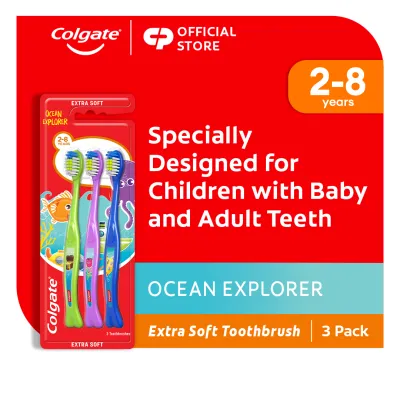
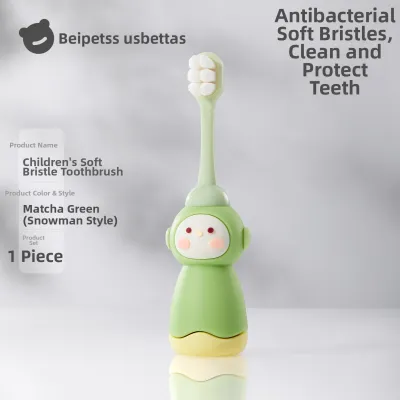
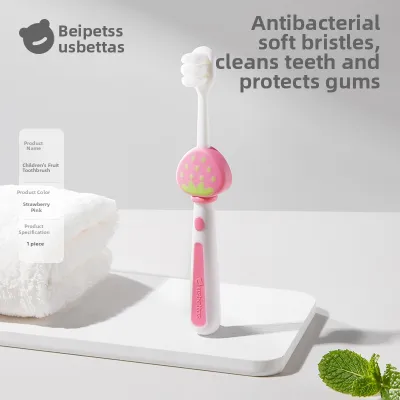
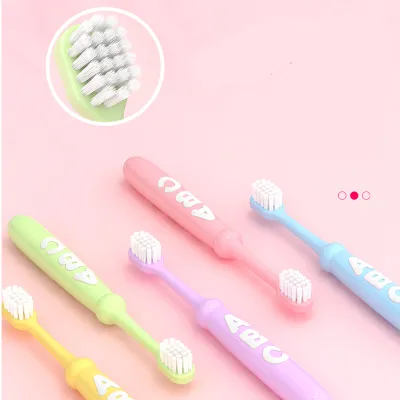
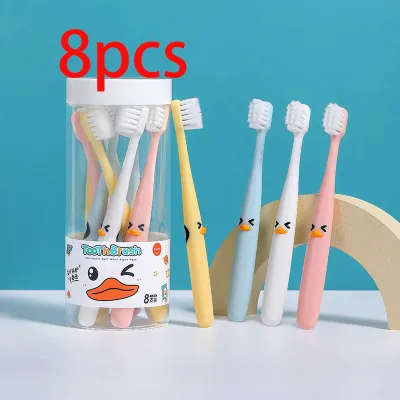
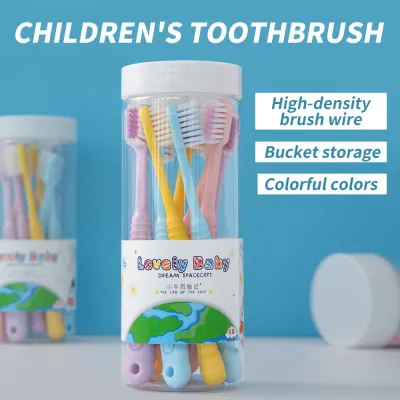
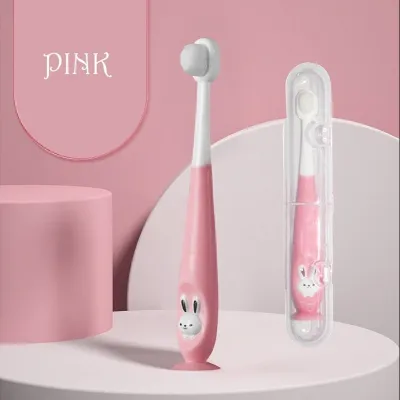
Prices are valid at publication and may change. Please refer to the product page for the latest price.
The pre-teething stage is characterized by smooth, pink gums with no visible teeth. During this phase, you might notice your infant drooling more frequently, rubbing their gums with their hands, or showing general sensitivity. Even without teeth, milk residue can accumulate on the tongue and gums, making gentle daily cleaning necessary.
The active teething stage begins when the first tiny white caps start to break through the gum line, usually starting with the lower front teeth. You will likely observe swollen, slightly red gums, increased fussiness, and a strong urge to bite down on hard objects. This stage requires tools that can soothe sore tissues while keeping the newly exposed enamel clean.
The toddler stage is marked by the presence of multiple teeth, including incisors and eventually the first molars. At this point, your child is also developing better hand-eye coordination and fine motor skills. They will begin showing a strong desire to hold objects independently and mimic your daily routines, signaling that they are ready to transition to a more traditional brushing experience.
Matching Toothbrush Types to Age and Dental Signals
Once you have identified your child’s current dental stage, you can match their needs to the appropriate category of toothbrush. Using the correct type of brush ensures that you are effectively removing plaque without causing discomfort or injury to their developing mouth.

Finger brushes are the ideal choice for infants in the pre-teething stage or those who have just sprouted their very first tooth. These small, sleeve-like brushes are made of soft, food-grade silicone and slip directly over a parent’s index finger. They allow you to gently massage sensitive gums, clean the tongue, and wipe away milk film with precise control over the pressure applied.
Silicone teething brushes are designed for babies who are actively teething and constantly putting objects in their mouths. These brushes often feature textured surfaces, wide safety shields to prevent choking, and soft silicone nubs instead of nylon bristles. They serve a dual purpose: they soothe itchy, inflamed gums when chewed on and introduce the physical sensation of brushing in a safe, self-directed way.
Soft-bristled toddler brushes are the standard tool once multiple teeth have fully emerged and your child is ready for assisted brushing. These brushes feature actual nylon bristles, which are necessary to sweep away plaque and food debris from the grooves of the teeth and along the gum line. This transition usually occurs around the time your child begins eating solid foods regularly, requiring a more thorough cleaning mechanism.
Evaluating Bristle Softness and Head Size
When transitioning to a bristled brush, the physical characteristics of the brush head are critical for safety and comfort. Children’s oral tissues are incredibly delicate, and using a brush that is too harsh or too large can cause pain, leading to resistance during brushing time.
To verify bristle softness, always look for labels explicitly marked “extra soft” or “ultra soft” on the packaging. You can perform a quick manual check by pressing the bristles against the sensitive skin on the inside of your wrist or the back of your hand. The bristles should bend easily and feel smooth, with no scratchy or stiff sensations that could scratch young enamel or irritate tender gums.
The size of the brush head must be carefully matched to the small dimensions of your child’s mouth. A brush head that is too large will be difficult to maneuver around the back teeth and may trigger an uncomfortable gag reflex. Look for a compact, rounded head that comfortably covers no more than two small teeth at a time, allowing you to clean each tooth thoroughly from all angles.
Assessing Handle Design for Parent and Child Grip
The design of the toothbrush handle plays a significant role in how effectively the teeth are cleaned, depending on who is holding the brush. Brushing should be a collaborative effort that gradually shifts toward independence as your child grows.
For infants and young toddlers, the parent will be doing all of the actual brushing. For this stage, select a toothbrush with a longer, slender handle that fits comfortably in an adult hand. This design gives you the leverage and control needed to reach the back of your child’s mouth at various angles while keeping your hand from blocking your view of their teeth.
As your toddler enters the stage of wanting to brush by themselves, look for brushes with chunky, easy-grip handles. These handles are often rounded, loop-shaped, or covered in textured, rubberized materials that are easy for small, developing hands to grasp. A secure grip prevents the brush from slipping out of wet hands, reducing the risk of accidental pokes to the back of the throat.
Safety Checks and Maintenance for Kids' Toothbrushes
Maintaining the cleanliness and integrity of your child’s toothbrush is just as important as choosing the right one. Because children often bite down on their brushes, these tools undergo significant wear and tear that can compromise safety.
Perform a quick visual inspection of the toothbrush before every single use. Look closely for frayed, splayed, or loose bristles, which can detach and become a choking hazard or get stuck in your child’s throat. For silicone finger brushes and teethers, check for tiny tears, bite marks, or structural degradation that could allow pieces of silicone to break off.
Proper cleaning and drying are essential, especially in warm, humid climates where mold and bacteria thrive. After each brushing session, rinse the toothbrush thoroughly under warm running water, using your thumb to clear away any remaining toothpaste or food particles from the base of the bristles. Store the brush upright in an open cup or holder where air can circulate freely around the head. Avoid using closed travel caps or storing brushes in dark, damp cabinets, as these environments trap moisture and encourage microbial growth.
Always refer to the manufacturer’s packaging for specific care instructions, sterilization limits, and replacement guidelines. As a general rule, replace your child’s toothbrush every three months, or immediately if the bristles look worn or if your child has recently recovered from an illness.
When to Consult a Pediatric Dentist
While home oral care is vital, it does not replace professional dental evaluation. Knowing when to seek expert advice ensures that potential developmental issues are addressed early.
Schedule an appointment with a pediatric dentist if you notice unusual gum swelling, bleeding, persistent white or dark spots on the teeth, or if your child has not sprouted their first tooth by their first birthday. These signs could indicate underlying issues that require professional assessment.
A pediatric dentist can also provide personalized recommendations on the best oral care products for your child’s unique mouth structure. They can guide you on the appropriate timing and dosage for introducing fluoride toothpaste, recommend specialized brushes if needed, and offer practical tips to make brushing a positive experience for your child.
Frequently Asked Questions (FAQ)
Can I use a regular adult toothbrush for my toddler?
No, you should never use an adult toothbrush for a toddler. Adult brushes have heads that are far too large for a child’s small mouth, which can cause pain, gagging, or accidental injury to the gums. Additionally, the bristles on adult brushes are typically much stiffer than those on child-specific models, which can wear down a toddler’s thin tooth enamel and irritate their sensitive oral tissues.
How do I clean a silicone finger brush properly?
To clean a silicone finger brush, wash it thoroughly with mild, baby-safe soap and warm water after each use, ensuring all milk residue is removed. Check the manufacturer’s instructions to see if the silicone is dishwasher-safe or can be sanitized in a steam sterilizer. Always allow the brush to air-dry completely in a well-ventilated area to prevent the growth of mold and bacteria.
Should I use toothpaste with these infant and toddler brushes?
For infants without teeth, cleaning the gums with water or a damp cloth is sufficient. Once the first teeth emerge, consult your pediatric dentist regarding the introduction of toothpaste. When you do start using toothpaste, choose a child-safe formula and use only a tiny smear—about the size of a grain of rice—for children under three years old, always supervising them to ensure they do not swallow it.

Community discussion
Share your experience or ask a question. Comments are reviewed before publication.