
Choosing a toothbrush for a child aged 7 to 12 in the Philippines requires balancing a unique developmental stage: the mixed dentition phase. During these years, children experience a transition where baby teeth loosen and fall out to make way for permanent teeth, creating an uneven dental landscape with sensitive gaps and newly erupting molars. To find the right toothbrush, parents must look beyond generic children’s marketing and evaluate specific physical features: extra-soft or soft bristles, a compact head size that can navigate a changing jaw, and an ergonomic, non-slip handle that suits growing hands. Whether opting for a manual or electric model, the goal is to support their transition to independent brushing while maintaining high standards of oral hygiene.
Understanding the Oral Care Needs of 7- to 12-Year-Olds
The dental landscape of a child between the ages of 7 and 12 is dynamic and constantly shifting. Known as the mixed dentition phase, this period involves the simultaneous presence of primary (baby) teeth and permanent teeth. As baby teeth loosen and fall out, they leave behind tender, swollen gums and temporary gaps that can make brushing uncomfortable. At the same time, permanent teeth are actively erupting, often emerging at different heights and angles. This uneven surface creates numerous crevices where food particles and plaque can easily accumulate, requiring a toothbrush that can adapt to a changing oral environment.
During this stage, children also undergo a significant developmental shift from parent-assisted brushing to independent oral care. While school-age children often insist on brushing their teeth without help, their fine motor skills and hand-eye coordination are still developing. They may struggle with the precise, circular motions required to clean all tooth surfaces thoroughly. Consequently, while parents should encourage independence, ongoing supervision remains essential to ensure that children do not rush through the process or miss critical areas.
Products mentioned in this guide
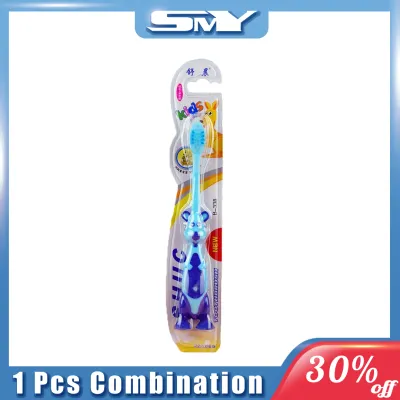
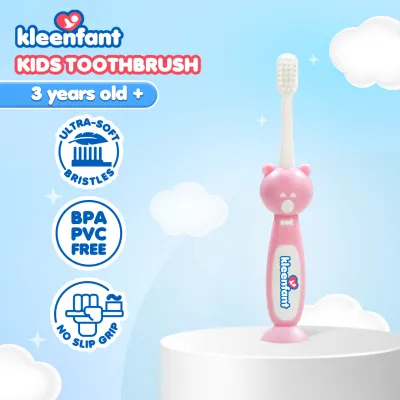
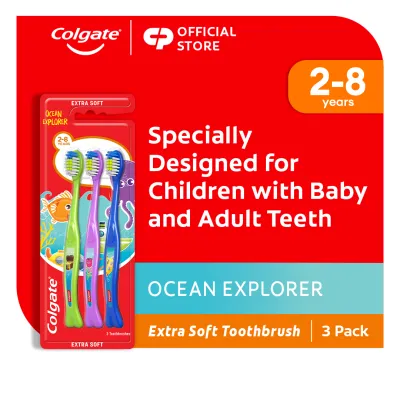
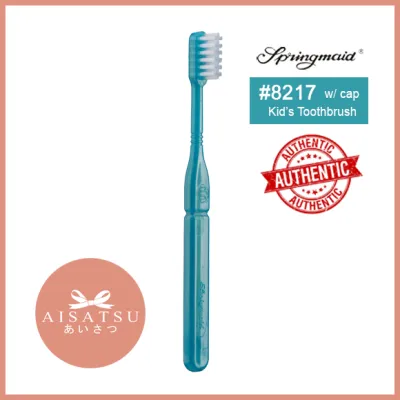
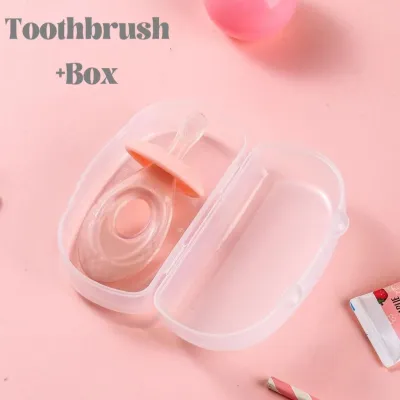
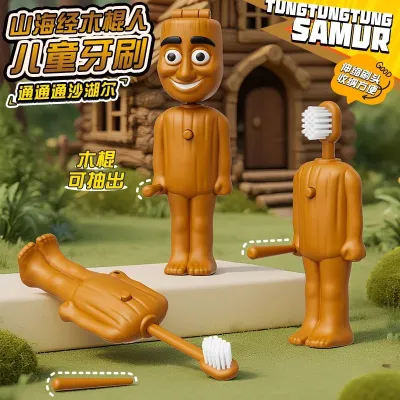
Prices are valid at publication and may change. Please refer to the product page for the latest price.
One of the most significant risks during these years is plaque buildup on newly erupted permanent molars. The first permanent molars typically emerge around age six, followed by the second permanent molars around age twelve. These teeth erupt at the very back of the mouth and feature deep grooves and fissures on their chewing surfaces. Because they are difficult to reach and have enamel that is still maturing and hardening, these molars are highly susceptible to early decay. In the Philippines, where sweet local snacks, sticky rice delicacies, and sugary beverages are common parts of a child’s diet, protecting these vulnerable back teeth with targeted brushing is a top priority.
Essential Features to Evaluate in a School-Age Toothbrush
When shopping for a toothbrush for a child in this age bracket, the softness of the bristles is the most critical safety specification to verify. Parents should always look for labels explicitly marked “soft” or “extra-soft” on the packaging. Newly erupted permanent teeth have enamel that is still relatively soft and highly susceptible to abrasive wear. Hard or even medium bristles can scratch this developing enamel and irritate the sensitive, inflamed gum tissue surrounding loose or newly emerged teeth. Soft nylon bristles with rounded tips provide effective plaque removal while remaining gentle on tender oral structures.

Another vital physical specification is the size and shape of the toothbrush head. A compact, tapered, or diamond-shaped head is ideal for school-age children. The toothbrush head must be small enough to fit comfortably into the narrow space between the cheeks and the back molars without causing discomfort or triggering a gag reflex. If the head is too large, the child will likely avoid brushing the rear-most teeth entirely, leaving them vulnerable to plaque accumulation. A compact head allows for precise maneuvering around individual teeth and along the gumline.
Finally, the design of the handle plays a crucial role in how effectively a child can control the brush. Look for handles featuring ergonomic shapes and textured, non-slip grips made of rubber or thermoplastic elastomers. In the warm and humid climate of the Philippines, bathrooms can become steamy, and children’s hands are frequently wet during their morning and evening routines. A handle that slips easily out of wet hands can lead to accidental gum puncturing or poor brushing angles. A thick, textured handle accommodates a child’s developing grip strength, allowing them to maintain steady control and apply the correct amount of pressure.
Comparing Manual and Electric Toothbrushes for Older Kids
Deciding between a manual and an electric toothbrush depends largely on a child’s brushing habits, physical dexterity, and personal motivation. Manual toothbrushes are highly portable, cost-effective, and widely accessible in local supermarkets and pharmacies across the Philippines. They do not require charging or batteries, making them convenient for school bags or family travel. However, manual brushes rely entirely on the child’s ability to execute proper brushing techniques, such as the modified Bass method, which involves angling the bristles toward the gumline and using gentle circular motions. For children who lack the patience or coordination for this technique, a manual brush may leave behind significant amounts of plaque.
Electric toothbrushes, on the other hand, offer several built-in features that can greatly improve oral hygiene outcomes for school-age kids. Many models feature built-in two-minute timers that pulse or beep every 30 seconds, prompting the child to move to a different section of the mouth. Some advanced models also include pressure sensors that stop the brush’s movement or alert the child if they are pressing too hard, protecting their developing enamel and gums. The rapid oscillating, rotating, or sonic vibrations of an electric brush head do much of the physical work of plaque removal, making them highly effective for children who struggle with manual dexterity or those who wear orthodontic braces.
Before purchasing either type of toothbrush, parents should carefully verify the safety warnings and specifications printed on the product labels. For manual brushes, check that the materials used are durable and that the bristles are securely anchored. For electric models, verify the battery type, charging mechanism, and water-resistance ratings to ensure the device can safely withstand a wet bathroom environment. Additionally, ensure that replacement brush heads are readily available and easy to source, as using an electric toothbrush with worn-out bristles defeats the purpose of the technology.
Building a Condition-Based Shortlist for Your Child
To navigate the wide variety of oral care products available in retail stores and online marketplaces, parents can use a structured, condition-based framework to filter their options. The first step is to check the manufacturer’s age and developmental guidelines printed on the packaging. Avoid buying generic “kids” toothbrushes, which are often designed for toddlers with much smaller mouths and different grip requirements. Instead, look for products specifically labeled for the “7-12,” “8+,” or “junior” age brackets, as these are tailored to the average jaw size and hand size of school-age children.
Material safety is another non-negotiable factor when building your shortlist. Ensure the packaging explicitly states that the toothbrush is BPA-free, phthalate-free, and made from non-toxic plastics. Parents should also look for recognized dental association seals of approval, such as those from the Philippine Dental Association or international equivalents, which indicate that the toothbrush has undergone independent evaluation for safety and structural integrity. Checking for these seals helps ensure that the plastic will not easily crack and that the bristles will not shed during use.
Lastly, consider how you will track the lifespan of the toothbrush. Some modern toothbrushes feature color-changing indicator bristles that fade from blue or green to white, signaling that it is time for a replacement. If the brush does not have this feature, parents can set a recurring calendar reminder on their phones or write the date of first use on the handle with a waterproof marker. In the humid tropical climate of the Philippines, tracking the brush’s lifespan is particularly important, as prolonged moisture exposure can encourage microbial growth on damp bristles.
Transitioning to Independent Brushing: Tips for Parents
Helping a child transition to independent brushing requires a balance of trust and active monitoring. Parents can check the quality of their child’s brushing by performing a quick visual inspection after they finish. Look closely at the gumline and the chewing surfaces of the back molars for any remaining white, sticky plaque. To make this process educational, parents can occasionally use plaque-disclosing tablets or rinses, which temporarily dye plaque a bright color, showing the child exactly which areas they missed and need to re-brush.
Establishing a structured routine is highly effective for ensuring thorough cleaning. Teach your child the two-minute rule by dividing the mouth into four distinct quadrants: upper right, upper left, lower right, and lower left. Instruct them to spend 30 seconds brushing each quadrant, covering the outer, inner, and chewing surfaces of every tooth. Using a fun sand timer, a digital stopwatch, or a kid-friendly brushing app on a smartphone can make keeping track of the time an engaging activity rather than a chore.
While home care routines are vital, parents must recognize when to pause and seek professional guidance. If a child consistently experiences bleeding gums, persistent bad breath, or localized pain while brushing, it is time to consult a pediatric dentist. A professional can identify underlying issues such as early cavities, gum inflammation, or misalignment, and can provide personalized recommendations for specialized toothbrushes, interdental brushes, or specific brushing techniques tailored to the child’s unique oral anatomy.
Frequently Asked Questions (FAQ)
How often should I replace my child's toothbrush?
A child’s toothbrush should generally be replaced every three months, or sooner if the bristles show visible signs of wear. In the humid climate of the Philippines, toothbrushes can take longer to dry completely, which can promote the accumulation of bacteria and mold on the bristles and handle. Parents should regularly inspect the brush head; if the bristles appear frayed, splayed, or bent outward, the brush loses its ability to clean effectively and can scratch the gums. Additionally, it is highly recommended to replace a child’s toothbrush immediately after they recover from a contagious illness, such as a cold, flu, or throat infection, to prevent the risk of reinfection from lingering pathogens.
Can a 7-year-old use the same toothbrush size as a 12-year-old?
While many manufacturers group the 7-to-12 age range together, a 7-year-old and a 12-year-old often have very different oral development needs. A typical 7-year-old has a smaller jaw, fewer permanent teeth, and smaller hands, meaning they may require a more compact brush head and a thicker, easier-to-grip handle. By age 12, a child’s jaw has grown significantly, and they may have most of their permanent teeth, making them ready for a slightly larger brush head that resembles an adult size but still features soft bristles. Parents should observe how the toothbrush fits in their child’s mouth; if a 7-year-old struggles to reach the back molars or if the brush head looks visibly crowded inside their mouth, they should opt for a smaller size within the manufacturer’s developmental range.

Community discussion
Share your experience or ask a question. Comments are reviewed before publication.