
Selecting a toothbrush for a two-year-old toddler requires looking beyond bright colors and cartoon characters. At twenty-four months, your child’s mouth is undergoing rapid changes, including the eruption of primary molars and a transition to a more varied diet. To clean these new teeth effectively and safely, you must prioritize specific structural features: ultra-soft bristles, a compact brush head, and an ergonomic handle designed for both toddler grip and parent assistance.
Because toddler tooth enamel is thinner and more delicate than adult enamel, using the wrong tool can lead to gum irritation or inadequate cleaning. This guide outlines the essential features to verify on product packaging and physical designs to ensure your toddler’s brushing routine is safe, comfortable, and effective.
Quick Checklist: Essential Toothbrush Features for a 2-Year-Old
When shopping for a toddler toothbrush, you should quickly verify several non-negotiable design elements before making a purchase. A suitable brush must accommodate a child’s limited motor skills while allowing you to assist with thorough cleaning.
Products mentioned in this guide
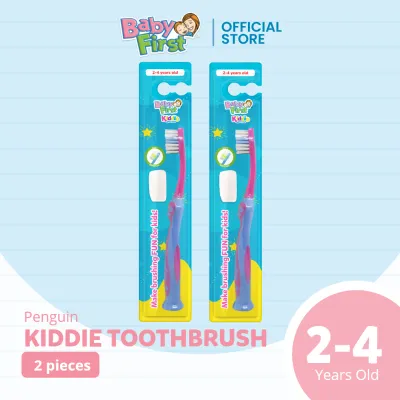
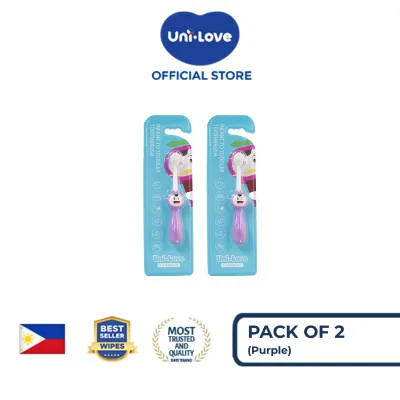
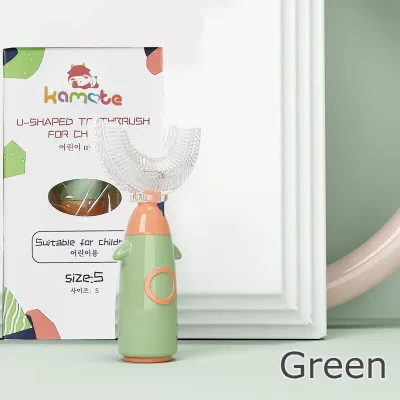
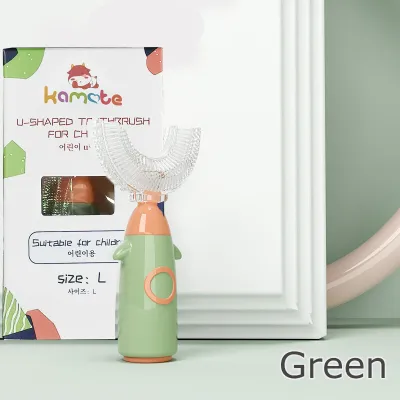
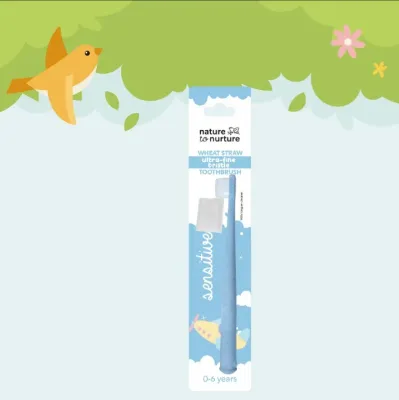
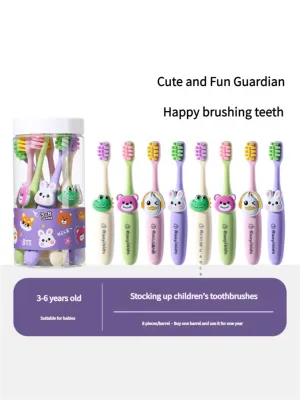
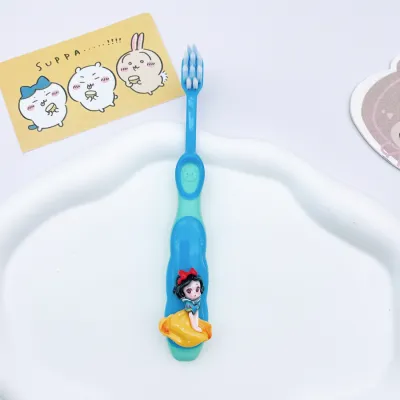
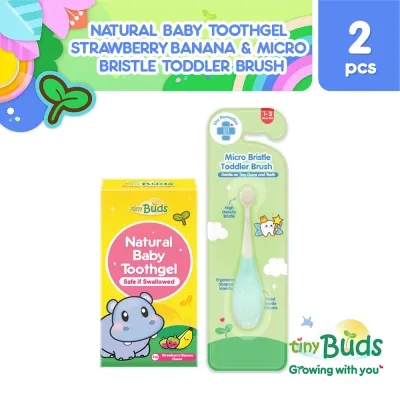
Prices are valid at publication and may change. Please refer to the product page for the latest price.
- Ultra-Soft Bristles: Look for packaging explicitly labeled "extra-soft" or "ultra-soft" to protect sensitive gums and developing enamel.
- Compact, Rounded Head: The brush head must be small enough to maneuver easily in tight spaces without triggering a gag reflex.
- Ergonomic, Non-Slip Handle: A chunky, textured handle helps small hands practice gripping, while sufficient length allows you to guide the motion.
- Safe, Non-Toxic Materials: Verify that the product is free from bisphenol A (BPA) and phthalates, as toddlers frequently chew on their brushes.
Adult toothbrushes or those designed for older children are structurally unsuitable for a two-year-old. They feature larger heads that cannot reach the back molars and stiffer bristles that can cause micro-abrasions on delicate oral tissues. Choosing an age-specific brush minimizes these risks and helps establish a positive association with oral hygiene.
How to Evaluate the Brush Head and Bristle Softness
The brush head and bristles come into direct contact with your child’s teeth and gums, making their physical characteristics the most critical factors to evaluate.

Bristle Softness and Texture
Always choose toothbrushes labeled as “extra-soft” or “ultra-soft.” You can physically test the bristle flexibility before use by gently pressing the bristles against the sensitive skin of your inner wrist or the back of your hand. The bristles should bend easily under light pressure without scratching or poking your skin. If the bristles feel stiff or sharp, they are too harsh for a toddler’s mouth and could lead to gum recession or bleeding.
Head Size and Shape
A toddler’s mouth is highly compact, meaning a large brush head will block access to critical areas. Look for a brush head that measures approximately 1 to 1.5 centimeters in length, which is generally small enough to cover roughly two baby teeth at a time. The shape of the head should be rounded rather than square or angular, preventing sharp edges from bumping against the delicate inner cheeks or gums during brushing.
Bristle Shape and Cut
Inspect the tips of the bristles if the packaging provides a clear view or detailed specifications. High-quality toddler toothbrushes feature end-rounded or polished bristle tips. Standard-cut bristles often have jagged, microscopic edges that can irritate the gumline. Rounded tips glide smoothly over the teeth, sweeping away plaque while remaining gentle on the soft tissues.
Choosing the Right Handle Grip for Small Hands and Parent Assistance
At two years old, children are eager to assert their independence but lack the fine motor skills and wrist rotation required to clean their teeth thoroughly. The handle design must support this transitional phase.
Toddler Grip Requirements
Look for a handle that is chunky, wide, and easy for a toddler to grasp with a full fist. Handles featuring rubberized grips, raised ridges, or textured patterns prevent the brush from slipping out of wet, soapy hands. A secure grip builds your child’s confidence as they practice their brushing motions.
Parent Assist Grip
Because toddlers cannot clean their teeth effectively on their own, parent supervision and active assistance are mandatory. Choose a toothbrush handle that is long enough for you to hold simultaneously, or one that features a designated secondary grip zone. This dual-grip design allows you to guide your child’s hand gently or take over the brushing process entirely to reach the back molars and inner tooth surfaces.
Built-In Safety Features
Safety guards are highly beneficial additions to toddler toothbrushes. Some models feature a wide, circular protective shield near the base of the brush head, which acts as a physical barrier. This guard prevents the brush from being pushed too far into the throat if the child slips, moves suddenly, or bites down unexpectedly during brushing.
Verifying Material Safety and Age Labels on Packaging
Before purchasing any oral care product, you must carefully read the manufacturer’s packaging to verify safety standards and age-appropriateness.
Material Claims
Toddlers naturally explore textures with their mouths and will likely bite or chew on the toothbrush head and handle. Ensure the packaging explicitly states that the product is “BPA-free” and “phthalate-free.” Check the manufacturer’s material specifications to confirm that the handle is made from food-grade silicone or non-toxic, durable plastics that will not splinter or degrade under pressure.
Age Grading
Always look for an explicit age range on the packaging, such as “1-3 years” or “toddlers.” Avoid generic “kids” or “youth” labels, which are typically designed for older children with larger mouths and stronger permanent teeth. Age-specific grading ensures that the bristle stiffness, head size, and handle ergonomics are tailored precisely to a two-year-old’s developmental stage.
Manual vs. Powered Options
If you are considering a powered or electric toothbrush, verify that the manufacturer explicitly rates the device for children aged two or older. Ensure the battery compartment is securely screwed shut to prevent access to small parts. Powered brushes can make brushing engaging, but they require strict caregiver supervision to ensure the child does not chew on the vibrating head, which can damage the motor or injure the teeth.
Observable Signs It Is Time to Replace the Toothbrush
Maintaining a clean and functional toothbrush is just as important as choosing the right design. Regular inspections help ensure the brush remains hygienic and effective.
Bristle Wear and Tear
Inspect your toddler’s toothbrush weekly for signs of wear. If the bristles are splayed, frayed, flattened, or pointing in different directions, the brush must be replaced immediately. Splayed bristles lose their ability to clean plaque effectively and can scrape against the gums, causing irritation. Because toddlers often chew on the bristles, their toothbrushes typically wear out much faster than adult brushes.
Post-Illness Replacement
It is a standard hygiene practice to replace your child’s toothbrush after they recover from an illness, such as a cold, flu, or mouth infection. Bacteria and viruses can linger within the damp bristle clusters, posing a risk of reinfection if the same brush is used again.
Time-Based Checks and Environmental Factors
Even if the toothbrush looks visually perfect, replace it every two to three months. In warm, humid tropical climates like the Philippines, damp bristles can become a breeding ground for mold and bacteria if they do not dry completely. To prevent this, store the toothbrush upright in an open, well-ventilated area rather than in a closed cabinet or travel case. If you notice any dark spots or unusual odors on the brush, discard it immediately and consult a pediatric dentist if you have concerns about your child’s oral health.
Frequently Asked Questions (FAQ)
Can a 2-Year-Old Use an Older Child's Toothbrush?
No, a two-year-old should not use a toothbrush designed for older children. Brushes made for older age groups feature larger heads that cannot maneuver safely in a toddler’s small mouth, increasing the risk of gagging or tissue injury. Additionally, the bristles on older children’s brushes are often stiffer, which can cause gum irritation and bleeding in a toddler, potentially leading to a negative association with brushing.
Silicone Finger Brush vs. Standard Toddler Toothbrush: Which Is Right?
While silicone finger brushes are excellent for infants and early teething stages, a standard toddler toothbrush with ultra-soft nylon bristles is necessary once a child reaches two years of age. By this stage, toddlers typically have their primary molars erupting. Nylon bristles are required to reach deep into the grooves and crevices of these chewing surfaces to sweep away food particles and plaque effectively, which smooth silicone bumps cannot achieve.

Community discussion
Share your experience or ask a question. Comments are reviewed before publication.