
At around 12 months of age, your baby’s mouth undergoes rapid developmental changes. This is the period when primary incisors typically emerge, and the first molars may begin their journey toward the surface. Active teething often leaves gums highly sensitive, swollen, and tender. Transitioning from a silicone finger brush or simple gum wipes to a dedicated toothbrush is essential for protecting this newly erupted enamel. Choosing the right toothbrush for baby 1 year old ensures you can clean these tiny teeth thoroughly while soothing teething discomfort without damaging delicate oral tissues.
At this developmental milestone, oral care serves a dual purpose. First, it physically removes plaque and food residue that can quickly lead to early childhood caries. Second, it establishes a positive, non-threatening daily routine that sets the foundation for lifelong dental hygiene. Because a one-year-old’s mouth is highly sensitive and physically very small, standard children’s toothbrushes are inappropriate and can cause pain or injury. Caregivers must select a tool tailored specifically to this delicate stage of physical growth.
Evaluating Bristle Softness and Material
When selecting a toothbrush for baby 1 year old, the texture and material of the bristles are the most critical factors for protecting delicate gums. You must look for packaging explicitly labeled “extra-soft” or “ultra-soft.” Standard “soft” bristles designed for older children or adults are still too rigid for an infant’s mouth. Stiff bristles can micro-abrade the thin enamel of primary teeth or cause painful gum bleeding, which may make your baby fear brushing.
Products mentioned in this guide
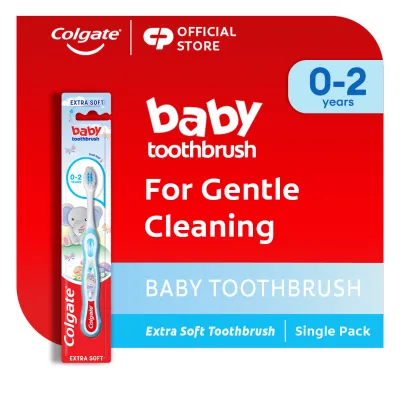
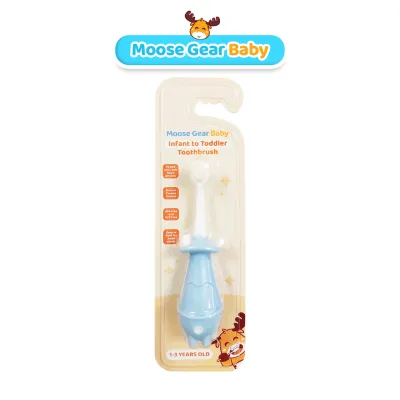
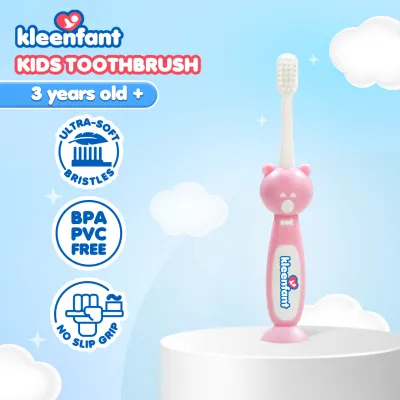
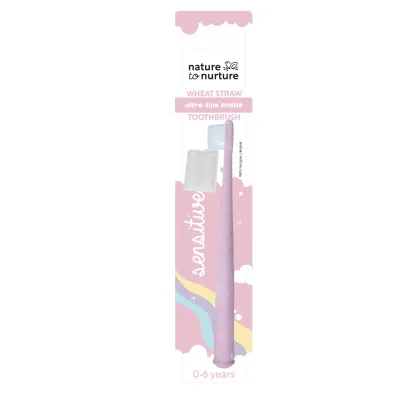
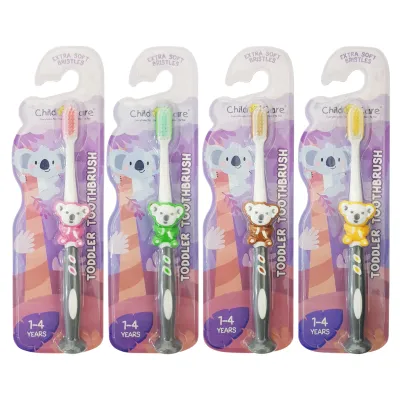

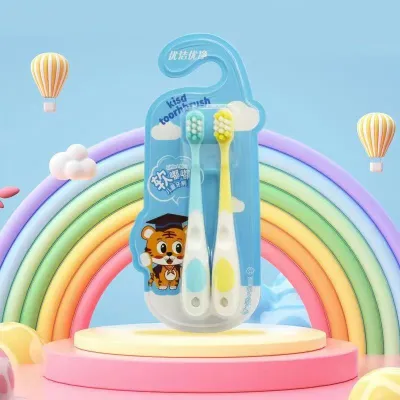
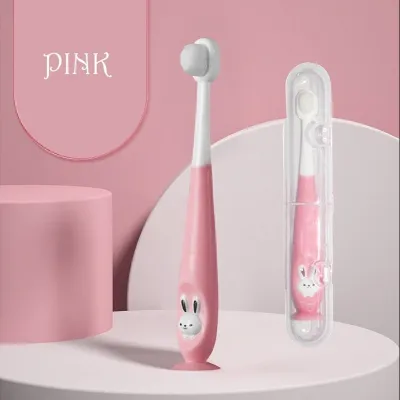
Prices are valid at publication and may change. Please refer to the product page for the latest price.
Parents generally choose between two primary bristle materials: rounded nylon and medical-grade silicone. High-quality, rounded nylon bristles are highly effective at sweeping away plaque from the crevices of newly erupted teeth. On the other hand, medical-grade silicone bristles are exceptionally gentle and double as soothing teething surfaces for babies who love to chew on their brushes. If your baby is actively teething with highly inflamed gums, a silicone brush can offer relief, but you should transition to rounded nylon as more teeth emerge to ensure thorough plaque removal.
In the tropical, humid climate of the Philippines, drying your baby’s toothbrush thoroughly is essential to prevent bacterial and mold accumulation. Nylon bristles dry relatively quickly if shaken out and stored upright in an open cup, whereas silicone brushes can trap water in their textured crevices if not dried with a clean towel. Always store the brush in a well-ventilated area, away from closed cabinets or toilet areas.
Before placing any new brush into your baby’s mouth, perform a simple tactile test at home. Rub the bristles firmly against the sensitive skin of your inner wrist or the back of your hand. If the texture feels scratchy, stiff, or irritating to your skin, it will be painful for your baby’s gums, and you should select a softer alternative. A high-quality baby brush should feel velvety and compliant under light pressure.
Checking Head Size and Shape for Small Mouths
The brush head must match the tiny dimensions of a one-year-old’s oral cavity to prevent injury and avoid triggering the gag reflex. As a practical rule of thumb, the brush head should be no wider than the width of your baby’s two front teeth combined. A compact head allows you to maneuver the brush comfortably around the tight spaces near the cheeks and lips.

When browsing local baby boutiques or online marketplaces, look for detailed product measurements. A brush head length of under 1.5 centimeters is generally ideal for a 12-month-old. If dimensions are not listed, look for clear age-range labeling on the packaging, specifically targeting “0-2 years” rather than a generic “kids” label.
The physical shape of the brush head is just as important as its size. Opt for rounded, oval, or teardrop-shaped heads that feature smooth, rubberized borders. Avoid any brush heads with sharp corners or hard plastic edges, as these can easily poke or scrape the delicate palate and inner cheeks if your baby suddenly moves during brushing.
Using a toothbrush intended for older toddlers or children too early is a common safety hazard. These larger brushes are bulky, making it nearly impossible to clean the back surfaces of the teeth properly. Furthermore, a large brush head frequently hits the back of the tongue, triggering a gag reflex that can make your baby develop an aversion to brushing altogether. Keep the proportions tiny and highly maneuverable.
Choosing the Right Handle for Control and Safety
At twelve months old, brushing is a collaborative effort between the parent and the baby. The handle of the toothbrush must accommodate two distinct physical needs: the steady control required by the adult caregiver and the developing grip of a curious infant.
Ergonomic Grips for Parent-Led Brushing
Because you will do the actual, effective cleaning, the toothbrush handle must offer an ergonomic grip designed for adult hands. Look for handles featuring non-slip rubberized panels or raised textures that prevent the brush from slipping when wet with water or saliva. This is especially important when managing a squirming baby who may not want to sit still.
The neck of the toothbrush should also be evaluated for accessibility. A slightly angled or curved neck improves your line of sight into your baby’s mouth and allows you to reach the back teeth without having to contort your wrist. This ergonomic advantage ensures you can apply consistent, gentle pressure without accidentally pressing the hard plastic of the brush against your baby’s lips.
Training Handles and Choke Guards for Baby Practice
One-year-olds are eager to mimic adult behaviors and will often insist on holding the toothbrush themselves. To support their developing palmar grasp and fine motor skills, look for training toothbrushes with chunky, wide, or ring-shaped handles. These shapes are easy for tiny hands to clasp securely, turning brushing sessions into an engaging learning game.
When allowing your baby to handle the brush, a built-in safety shield or choke guard is absolutely mandatory. This is a wide, circular collar or flange situated just below the brush head that physically prevents the brush from being pushed too far into the throat. Without a secure choke guard, a baby can easily shove the toothbrush backward, causing severe gagging, choking, or throat trauma. Always supervise your baby closely during this practice phase.
Verifying Material Safety and Label Claims
Because a baby toothbrush goes directly into the mouth and is often chewed on, you must verify the chemical safety of all materials used. Carefully inspect the product packaging for explicit quality claims, ensuring the brush is certified as BPA-free, PVC-free, and phthalate-free. These chemical additives, often found in cheaper plastics, are linked to developmental risks and should be entirely avoided in infant oral care products.
If the toothbrush features flexible parts, teething rings, or silicone bristles, verify that the manufacturer uses 100% food-grade or medical-grade silicone. These materials are non-toxic, hypoallergenic, and highly resistant to bacterial growth, which is particularly beneficial in warm, humid climates.
While shopping, look for reputable manufacturing certifications. Because baby products are imported from various regions, verify that the packaging lists clear manufacturer contact details and safety compliance marks. If a product label is vague or lacks clear safety declarations, it is best to choose an alternative brand that provides transparent material sourcing.
Additionally, examine the physical design for potential choking hazards. Avoid toothbrushes that feature glued-on decorative characters, small rattles, or detachable plastic toys on the handle. Over time, moisture, saliva, and chewing can weaken these attachments, causing them to break off and present a severe choking risk to your child.
Step-by-Step Guide to Inspecting and Using the New Toothbrush
To ensure a safe and successful introduction to oral hygiene, follow this structured sequence when unboxing and using a new toothbrush for your one-year-old.
- Step 1: Tactile and Visual Inspection
Before the brush ever enters your baby's mouth, run your thumb firmly across the bristles several times. Check to ensure that no individual bristles shed or pull loose, as loose fibers can be swallowed or inhaled. Feel the entire plastic body of the brush to confirm there are no sharp manufacturing seams or rough edges that could scratch delicate oral tissues. - Step 2: Initial Cleaning
Wash the new toothbrush thoroughly with warm water and a mild, baby-safe soap before its first use. Always check the manufacturer's packaging for specific sterilization guidelines; some silicone brushes can tolerate boiling water or UV sterilizers, while others made of composite plastics will warp or degrade under high heat. - Step 3: Dry Introduction
Allow your baby to explore the clean, dry toothbrush under your direct supervision. Let them hold the chunky handle, feel the bristles with their fingers, and gently chew on the brush (ensuring the safety choke guard is firmly in place). This low-pressure introduction helps desensitize their mouth to the new texture before you attempt actual cleaning. - Step 4: First Brushing Technique
When you are ready to brush, sit your baby in your lap with their head resting securely against your chest. Angle the bristles at 45 degrees toward the gumline and use extremely gentle, tiny circular motions to clean each tooth surface. If recommended by your pediatric dentist, apply a tiny smear of age-appropriate toothpaste—no larger than a single grain of rice—and ensure you gently wipe away any excess after brushing.
The transition to a real toothbrush is also the perfect time to schedule your baby’s first dental visit. Pediatric dentists recommend establishing a professional dental home by their first birthday. A specialist can evaluate your child’s tooth eruption pattern and provide personalized advice on fluoride toothpaste usage based on local water quality.
Common Purchasing Mistakes to Avoid
One of the most frequent errors parents make is purchasing a brush with “medium” or even standard “soft” bristles, operating under the assumption that stiffer bristles clean more thoroughly. In reality, stiff bristles quickly wear down thin baby enamel and cause painful gum recession, which can make your child resist future brushing sessions.
Another common mistake is neglecting the replacement timeline. A baby toothbrush must be replaced every 2 to 3 months, or immediately if the bristles begin to look frayed, splayed, or discolored. Because one-year-olds chew heavily on their brushes, the bristles wear out much faster than adult brushes, and frayed bristles lose their ability to clean effectively while harboring harmful bacteria. In humid environments, keeping a worn brush too long also increases the risk of mold growth within the handle crevices.
Lastly, do not rely solely on silicone finger brushes once your baby has reached 12 months of age and has multiple erupted teeth. While finger brushes are excellent for massaging bare gums, they lack the reach and structural precision required to clean between closely spaced teeth or to reach the chewing surfaces of emerging back molars. Transitioning to a standard handled toothbrush is necessary to maintain proper oral hygiene at this stage.
Frequently Asked Questions (FAQ)
How often should I replace my 1-year-old's toothbrush?
You should replace your one-year-old’s toothbrush every 2 to 3 months. However, because infants frequently chew on the bristles, you must inspect the brush regularly and replace it immediately if you notice splayed, frayed, or falling-out bristles. It is also highly recommended to discard and replace the toothbrush after your baby recovers from any illness to prevent reinfection.
Should I use a finger brush or a standard baby toothbrush for a 1-year-old?
At one year of age, you should transition to a standard baby toothbrush with a small head and extra-soft bristles. While silicone finger brushes are useful for massaging sore, toothless gums, they cannot effectively reach or clean the complex surfaces and gaps of multiple erupted teeth. A handled toothbrush provides the reach and precision needed to protect emerging teeth.
Is an electric toothbrush safe for a 1-year-old?
Manual toothbrushes are generally preferred for one-year-olds because they allow you to maintain absolute control over pressure and movement. If you wish to use an electric toothbrush, you must select one specifically designed for infants that features ultra-soft bristles and very gentle, low-frequency vibrations. Always consult your pediatric dentist before introducing an electric oral care product to your baby.

Community discussion
Share your experience or ask a question. Comments are reviewed before publication.