
Selecting the right toothbrush for a three- to four-year-old child in the Philippines involves balancing developmental needs, safety standards, and local environmental factors. At this stage, toddlers are eager to assert their independence, often insisting on brushing their teeth by themselves. However, their fine motor skills are still developing, and their oral cavity is highly sensitive, meaning they require a specialized tool rather than a scaled-down adult brush.
In the warm and humid Philippine climate, oral hygiene tools require extra care and specific design considerations to prevent bacterial growth while remaining gentle on young gums. Parents must look beyond bright colors and popular cartoon characters to evaluate the physical construction, material safety, and ergonomic design of each brush. By establishing a clear set of criteria, you can confidently navigate local pharmacies, baby boutiques, and online marketplaces to find a safe, effective toothbrush that supports your child’s growing smile.
This guide outlines the essential physical features to prioritize, compares manual and electric options, and provides a practical checklist for verifying safety labels. You will also learn how to source authentic products locally and establish a healthy brushing routine that protects your child’s developing teeth.
Products mentioned in this guide
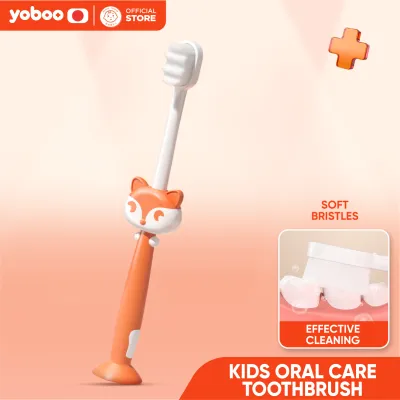
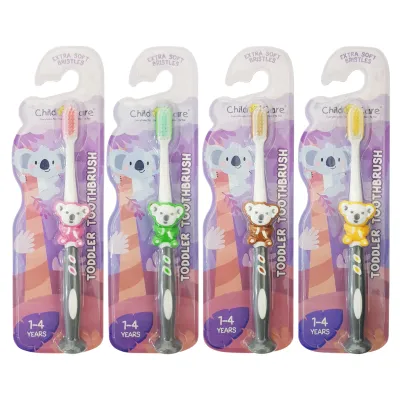
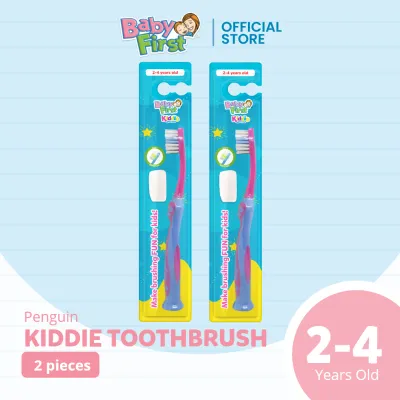
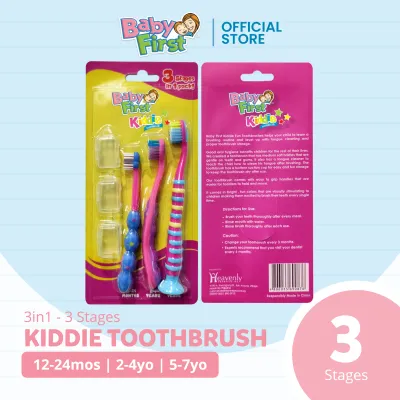
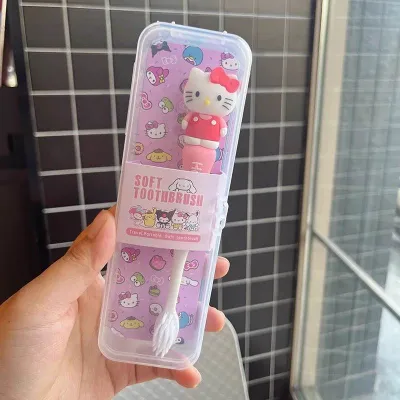
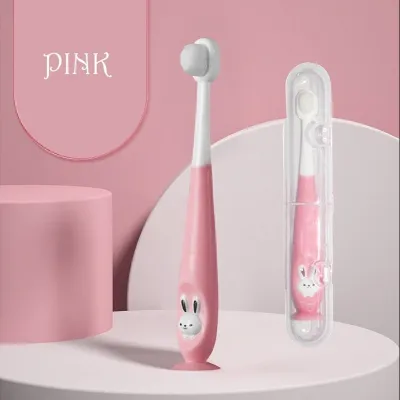
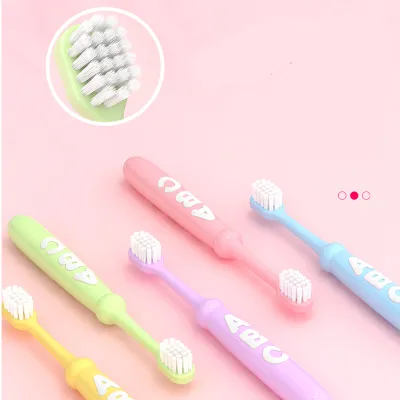
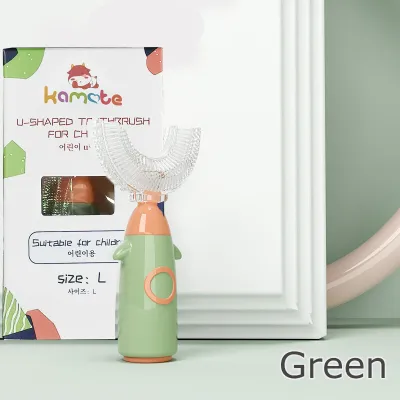
Prices are valid at publication and may change. Please refer to the product page for the latest price.
Essential Design Features to Look for in a Toddler Toothbrush
When shopping for a toothbrush for a child aged three to four, the size and shape of the brush head are the most critical factors. A toddler’s mouth is small, and their primary molars are situated far back in the oral cavity. The brush head must be compact, rounded, and narrow enough to reach these rear teeth easily without bumping against the gums or causing a gag reflex. Look for a brush head that measures approximately 1.5 to 2 centimeters in length, which is generally the ideal size for a preschooler’s mouth.
The texture and quality of the bristles directly impact both safety and comfort. Always select brushes labeled as “extra-soft” or “ultra-soft” made from high-quality nylon or polyester filaments. Toddler enamel is significantly thinner than adult enamel, and their gum tissue is easily irritated. Hard or medium bristles can cause micro-abrasions on the gums and wear down young enamel over time. Tapered or rounded bristle tips are highly recommended, as they gently sweep away plaque along the gumline without causing discomfort.
Handle design plays a dual role in supporting your child’s developing grip and allowing for parental assistance. At three to four years old, children use a palmar grasp, holding objects with their entire fist rather than their fingers. Therefore, the toothbrush handle should be thick, chunky, and ergonomically shaped to fit comfortably in a small palm. Look for handles with non-slip rubberized grips or textured thumb rests, which prevent the brush from slipping out of wet hands during active brushing sessions.
Additionally, the handle should be long enough to accommodate a parent’s hand. Because toddlers lack the manual dexterity to clean their teeth thoroughly on their own, parents must always perform a follow-up brushing. A slightly elongated, dual-grip handle allows both the child and the parent to hold the brush simultaneously, making cooperative brushing much easier and more effective.
Manual vs. Electric Toothbrushes: Which is Right for Your Child?
Manual toothbrushes remain the traditional and highly effective choice for teaching young children the basic mechanics of oral hygiene. They are lightweight, easy to maneuver, and highly portable, making them convenient for family trips or daytime care routines. Using a manual brush helps toddlers develop their hand-eye coordination and learn how to control the pressure they apply to their teeth and gums. Furthermore, manual brushes are highly accessible and budget-friendly, allowing parents to replace them frequently without financial strain.

However, manual brushing requires consistent physical effort and technique, which can sometimes lead to resistance from independent-minded toddlers. If your child views brushing as a chore or struggles to maintain focus for the recommended two minutes, an electric toothbrush can be an excellent alternative. The gentle, automatic vibrations of an electric brush do much of the mechanical cleaning work, compensating for a toddler’s limited brushing motions and helping to remove plaque more efficiently in less time.
Many kids find the humming sensation and automatic movement of an electric toothbrush engaging, turning a potential daily struggle into a fun, interactive activity. Some child-specific electric models feature built-in timers that pulse or play music after two minutes, helping toddlers understand how long they need to brush. If you decide to introduce an electric model, look for one specifically designed for ages three and up, featuring low-frequency, gentle vibrations that will not startle or discomfort your child.
Safety and supervision are paramount when using an electric toothbrush with a toddler. Parents must ensure the battery compartment is securely sealed, preferably with a screw-closure system, to prevent curious children from accessing the batteries. It is also important to verify that the brush head is replaceable and securely attached so it does not detach during use. Regardless of whether you choose a manual or electric model, active parental supervision and hands-on assistance are required to ensure all tooth surfaces are cleaned safely and thoroughly.
Safety Checks and Label Verification Before You Buy
Before purchasing any toothbrush for your child, it is essential to perform a thorough inspection of the packaging and product labels. Always look for explicit age-grading labels, such as “3-5 years” or “3+.” Avoid buying generic brushes labeled simply as “kids’ toothbrushes” without a specified age range, as these may have brush heads that are too large or bristles that are too stiff for a three-year-old’s mouth. The age rating is a key indicator that the manufacturer has designed the product to match the anatomical and developmental needs of that specific age group.
Material safety is another critical factor that must be verified directly on the physical packaging. Ensure the toothbrush is clearly labeled as BPA-free, phthalate-free, and non-toxic. Since toddlers frequently bite or chew on their toothbrushes, the plastics and rubberized grips used in the handle must be completely safe and free from harmful chemical additives. Do not rely solely on online product titles or descriptions; verify these safety claims by reading the printed text on the back of the manufacturer’s packaging.
Parents should be highly cautious of unbranded novelty toothbrushes, especially those shaped like toys or featuring flashing lights, that are sold without clear manufacturing details. While these products may appeal to children, they often lack rigorous quality control. Common issues with substandard novelty brushes include poorly secured bristles that can shed and pose a choking hazard, sharp plastic edges on the brush head, and low-grade plastics that emit strong chemical odors. If the packaging lacks a clear brand name, manufacturer address, or batch number, it is best to avoid the product entirely.
Additionally, inspect the physical seal of the packaging before buying. The toothbrush should be completely sealed in a blister pack or a secure plastic container to protect it from dust, moisture, and handling during transit and storage. In the humid climate of the Philippines, compromised packaging can allow airborne mold spores or bacteria to settle on the bristles before the brush even reaches your home. Always reject any product with torn, punctured, or partially opened packaging.
Where to Shop: Building a Reliable Shortlist in the Philippines
To ensure you are purchasing authentic, high-quality toothbrushes that meet safety standards, it is best to source them from established, reputable retail channels. National pharmacies, major supermarkets, and dedicated baby care specialty stores are excellent physical locations to build your shortlist. These retailers source their inventory directly from authorized distributors, ensuring that the products on the shelves are genuine and compliant with local consumer safety regulations.
Shopping in person allows you to physically examine the packaging, feel the weight of the brush, and verify the bristle softness through the packaging window if one is available. It also gives you the opportunity to read the fine print on the back of the card to confirm the manufacturer’s details and age recommendations. Established physical stores also maintain clean, climate-controlled storage environments, reducing the risk of product degradation due to heat and humidity.
If you prefer the convenience of online shopping, utilize major e-commerce platforms but exercise caution to avoid counterfeit or substandard goods. Filter your searches to show only official brand stores, flagship outlets, or verified mall sellers. These digital storefronts are vetted by the platforms and offer a higher level of consumer protection. Avoid buying from unverified third-party sellers who offer popular brands at suspiciously low prices, as counterfeit baby care products are a persistent issue in online marketplaces.
When evaluating online listings, look for detailed product descriptions, clear photos of both the front and back of the packaging, and genuine customer reviews with photos. Real customer feedback can provide valuable insights into the durability of the bristles and how well the brush holds up to daily use. In terms of pricing, high-quality manual toothbrushes from reputable brands typically range from ₱100 to ₱400, while reliable electric options can range from ₱500 to over ₱1,500. If a deal seems too good to be true, prioritize your child’s safety and choose a verified seller.
Beyond the Brush: Supervision, Technique, and Maintenance
Owning the perfect toothbrush is only the first step; establishing proper brushing techniques and maintenance habits is what truly protects your child’s oral health. At three to four years old, children do not have the manual dexterity to clean their teeth effectively on their own. Parents must actively assist with every brushing session. A highly effective approach is the “hand-over-hand” technique, where you place your hand over your child’s hand to guide the brush in gentle, circular motions, ensuring all inner, outer, and chewing surfaces are reached.
When introducing toothpaste, always check the packaging to verify the fluoride concentration and age suitability. For children aged three to four, dental professionals generally recommend using a fluoride toothpaste to help strengthen developing enamel and prevent cavities. However, because toddlers are still learning how to spit effectively, the amount of toothpaste used must be strictly controlled. Apply only a pea-sized smear of toothpaste onto the bristles, and encourage your child to spit out the excess foam rather than swallowing it.
Proper toothbrush maintenance is especially important in the tropical, humid climate of the Philippines. High humidity levels can prevent wet bristles from drying completely, creating an environment where bacteria and mold can thrive. After each use, rinse the toothbrush thoroughly under running water to remove all remaining toothpaste and debris. Shake off excess water vigorously and store the brush upright in an open holder or cup. Avoid using closed travel caps or storing the brush in damp, unventilated cabinets, as this traps moisture and promotes bacterial growth.
Finally, establish a regular schedule for inspecting and replacing your child’s toothbrush. Inspect the bristles weekly for signs of wear, such as fraying, splaying, or bending. Toddlers often chew on their brush heads, which can rapidly damage the bristles and reduce their cleaning efficiency. A worn-out brush cannot clean teeth effectively and can irritate sensitive gums. As a general rule, replace the toothbrush every three months, or immediately if the bristles appear worn, if the child has recently recovered from an illness, or if they have chewed on the brush head.
Frequently Asked Questions (FAQ)
How often should I replace my 3-year-old's toothbrush?
You should replace your child’s toothbrush at least once every three months. However, because toddlers frequently chew on the bristles, you may need to replace it much sooner. Inspect the brush weekly; if the bristles are splayed, frayed, or pointing in different directions, it is time for a new one. Additionally, always replace the toothbrush immediately after your child recovers from a contagious illness, such as a cold, flu, or throat infection, to prevent reinfection from bacteria harboring on the bristles.
Can a 3-year-old use a soft-bristled adult toothbrush?
No, a three-year-old should not use an adult toothbrush, even if the bristles are labeled as soft. Adult toothbrushes have much larger brush heads that cannot maneuver safely within a toddler’s small mouth, increasing the risk of gagging, choking, or injuring the delicate soft tissues of the throat and cheeks. Furthermore, adult handles are designed for mature hand grips and are too long and thin for a toddler’s palmar grasp, making it difficult for them to hold and control the brush safely.
What should I do if my child refuses to use their new toothbrush?
If your child resists brushing, try to make the experience interactive and low-stress. Let them choose their own toothbrush from a selection of safe, age-appropriate options, allowing them to pick their favorite color or character. You can also model the behavior by brushing your teeth alongside them, turning it into a fun family routine. Avoid forcing the brush into their mouth, as this can create negative associations; instead, use positive reinforcement, play a favorite two-minute song, or use a colorful brushing chart with stickers to celebrate their cooperation.

Community discussion
Share your experience or ask a question. Comments are reviewed before publication.