
Quick Guide to Age-Appropriate Oral Care
Introducing your child to a proper oral hygiene routine is one of the most valuable steps you can take for their long-term health. However, walking down the baby care aisle can feel overwhelming with rows of colorful products, cartoon characters, and varying age labels. Choosing the right tools is not merely about finding an appealing design; it is a developmental necessity that directly impacts your child’s oral safety and comfort.
As your child grows, their mouth structure, tooth enamel thickness, and motor skills change rapidly. Matching their toothbrush and toothpaste to these specific stages ensures effective plaque removal while protecting delicate oral tissues. For infants, the focus is on gentle gum stimulation and minimal exposure to swallowable substances, whereas older children require tools that can navigate a complex mix of primary and permanent teeth.
Because every child develops at a unique pace, the age brackets on product packaging should serve as general starting points rather than absolute rules. If your child has specific oral health conditions, delayed tooth eruption, or sensory sensitivities, it is best to pause your product selection and consult a pediatric dentist. A professional can provide personalized advice tailored to your child’s unique dental profile.
Products mentioned in this guide
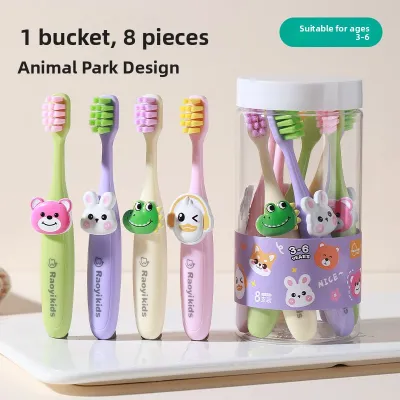
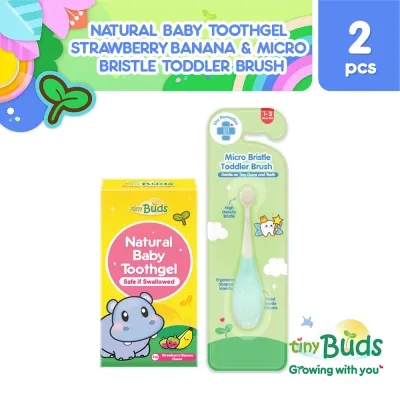
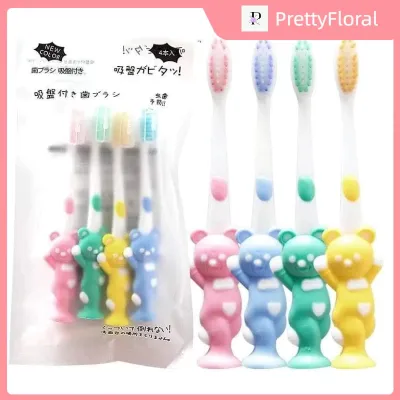

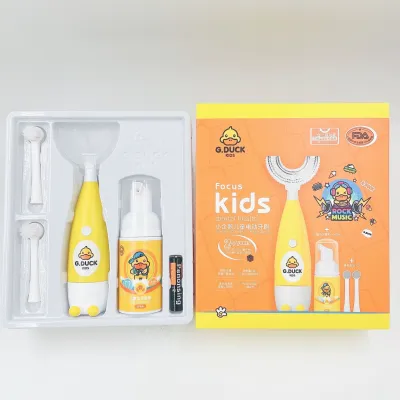
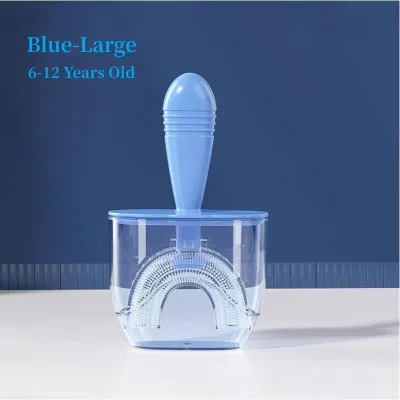
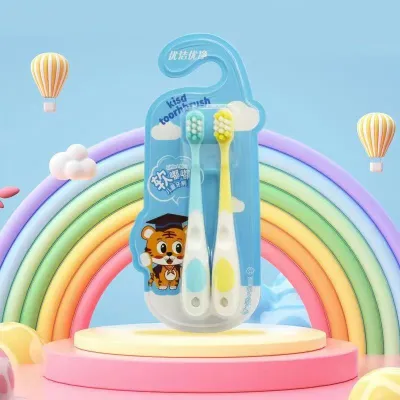

Prices are valid at publication and may change. Please refer to the product page for the latest price.
How to Choose the Right Toothbrush by Age Group
A toothbrush is a mechanical tool designed to disrupt plaque and remove food debris. To do this effectively without causing micro-abrasions on soft gums or thin enamel, the physical dimensions and materials of the brush must align with your child’s developmental stage.

Infants and Toddlers (0–2 Years)
During the first two years of life, oral care transitions from soothing tender gums to cleaning the very first erupted teeth. For infants who have not yet sprouted teeth, a soft, damp cloth or a silicone finger brush is often the most practical choice. These finger brushes allow parents to gently massage the gums and clean early incisors as they emerge. Once the first primary teeth fully erupt, you should transition to a manual toothbrush specifically designed for this age group.
At this stage, the brush head must be extremely small—typically measuring less than two centimeters—to fit comfortably in the tight spaces of a baby’s mouth. Look for bristles labeled “extra-soft” or “ultra-soft” made from rounded nylon, which cleans effectively without irritating sensitive gum tissue. The handle design is primarily for the caregiver; opt for a long, thick handle that allows you to maintain a secure grip while maneuvering around a squirming toddler. Some models feature built-in choke guards or wide, circular handles that prevent the brush from sliding too far into the child’s mouth. In warm, humid environments like the Philippines, silicone and rubber components on these brushes must be washed thoroughly and dried in a well-ventilated area to prevent mold from developing in the crevices.
Preschoolers (3–5 Years)
By age three, most children have a full set of primary teeth, and their desire for independence begins to grow. This stage is all about fostering cooperative habits while ensuring thorough cleaning. The toothbrush head can transition to a slightly larger size to cover more surface area, but the bristles must remain ultra-soft to protect the still-developing enamel.
The handle design shifts to accommodate the child’s developing fine motor skills. Preschoolers typically use a palmar grasp, wrapping their entire fist around the handle. Therefore, look for chunky, ergonomic handles with non-slip rubber grips that fit easily into small hands. While children should be encouraged to practice brushing, their manual dexterity is not yet fully developed, meaning parents must still perform the actual cleaning. To make this cooperative process easier, choosing brushes featuring their favorite cartoon characters or bright colors can reduce resistance. However, never let aesthetic appeal overshadow safety; always verify that the brush meets basic structural standards, such as secure bristle retention and smooth, rounded plastic edges.
School-Aged Children (6+ Years)
Around the age of six, children experience significant changes in their mouths as primary teeth begin to loosen and permanent molars start to erupt. This mixed dentition stage requires a toothbrush that can navigate uneven tooth heights and hard-to-reach back areas. The brush head should be sized up slightly to match the growing jaw, but it should still be compact enough to reach behind the rear molars.
Bristles should remain soft to avoid damaging the newly erupted permanent teeth, which are highly susceptible to wear before the enamel fully matures. The handle can transition to a slimmer, more adult-like profile as the child’s grip refines. This is also an excellent time to evaluate manual versus powered toothbrushes. Electric or battery-powered toothbrushes can be highly effective for school-aged kids, as the oscillating or vibrating motion assists in plaque removal even if the child’s manual technique is still developing. If you choose a powered option, ensure the device is rated for children, features a small brush head, and has soft bristles. Always supervise the use of powered devices to ensure they are not pressed too hard against the teeth.
How to Select the Right Toothpaste and Fluoride Levels
Selecting the right toothpaste requires careful reading of product labels, as formulations vary widely based on age suitability. The primary active ingredient to evaluate is fluoride, a mineral that strengthens enamel and helps prevent cavities. Because young children often swallow toothpaste rather than spitting it out, managing fluoride exposure is critical to prevent fluorosis—a cosmetic condition that causes faint white lines on developing permanent teeth.
For infants and toddlers under three years old, dental guidelines generally recommend using a tiny smear of fluoride toothpaste, no larger than a single grain of rice. This minimal amount provides the cavity-protective benefits of fluoride while keeping the swallowed dose safely within acceptable limits. For children aged three to six, who are learning to spit more reliably, the recommended dosage increases to a pea-sized amount. When shopping, check the packaging for clear age recommendations and instructions on proper dosage.
Beyond fluoride, pay close attention to the abrasiveness of the toothpaste. Children’s enamel is much thinner and softer than adult enamel, making it highly vulnerable to physical wear. Avoid any toothpastes formulated for adults that claim whitening, tartar control, or deep-cleaning benefits, as these often contain harsh abrasive agents like silica or calcium carbonate in high concentrations. Instead, look for products specifically labeled for children, which feature low Relative Dentin Abrasivity (RDA) values.
Flavor is another crucial factor in securing your child’s cooperation. Many children find strong mint flavors burning or unpleasant, which can lead to a refusal to brush. Mild fruit flavors like strawberry, grape, or bubblegum are popular alternatives that make the routine more enjoyable. However, always inspect the ingredient list to ensure these flavors do not come from added sugars or high amounts of artificial sweeteners. The toothpaste should encourage brushing without introducing unnecessary additives. Keep all toothpaste tubes out of reach of young children to prevent accidental ingestion of large amounts.
Building Your Child's Oral Care Shortlist
When you head to the store or browse online marketplaces, having a structured selection process will help you cut through the marketing noise. Create a simple mental matrix before making a purchase. For the toothbrush, match the head size to your child’s current age bracket, verify that the bristles are labeled “soft” or “ultra-soft,” and select a handle shape that matches who will be doing the brushing—thick and long for parents, or chunky and textured for the child. For the toothpaste, verify the fluoride concentration on the label and ensure the flavor profile is one your child will accept.
Always read the product packaging carefully to identify safety certifications and quality indicators. Look for seals of acceptance from recognized national or international dental associations, which indicate that the product has been evaluated for safety and efficacy. Check for clear manufacturer contact information, age-suitability warnings, and a complete list of ingredients.
Be vigilant for red flags that indicate a product is unsuitable. Avoid toothpastes that lack clear ingredient lists or those that do not specify whether they contain fluoride. For toothbrushes, reject any product with stiff, hard bristles, sharp plastic edges, or poorly secured bristle tufts that could detach during use and pose a choking hazard. If a product’s packaging does not clearly state the recommended age range, it is best to leave it on the shelf. While prices can range from under ₱100 for basic manual brushes to higher amounts for powered options, focus on structural safety over cost.
Finally, establish a systematic replacement schedule. Toothbrushes do not last indefinitely; their cleaning efficiency drops significantly as the bristles wear down. Plan to replace your child’s toothbrush every two to three months, or sooner if you notice the bristles splaying, fraying, or losing their shape. In tropical climates with high humidity, damp toothbrushes can become breeding grounds for bacteria and mold. Therefore, immediate replacement is also necessary after your child recovers from an illness, such as a cold, flu, or throat infection, to prevent reintroducing pathogens into their mouth.
Establishing a Brushing Routine and Supervision
Buying the perfect tools is only half the battle; establishing a consistent, safe routine is what truly protects your child’s oral health. Active parental supervision is essential during the early years. Most dental professionals agree that children need physical assistance and close monitoring while brushing until they are at least seven or eight years old. A good rule of thumb is that if a child cannot yet tie their own shoelaces or write legibly in cursive, they do not possess the manual dexterity required to clean all surfaces of their teeth effectively.
Proper maintenance of the tools between uses is equally important for hygiene. After each brushing session, rinse the toothbrush thoroughly under running water to remove all remaining toothpaste and food debris. Shake off excess water and store the brush upright in an open holder where it can air dry completely. Avoid using closed plastic caps or storing brushes in dark, damp cabinets, especially in humid tropical climates, as trapped moisture encourages the growth of mold and bacteria. If multiple family members share a bathroom, ensure the toothbrushes do not touch each other to prevent cross-contamination.
While a solid home routine is highly effective, parents must remain observant for signs that require professional intervention. If you notice bleeding gums during brushing, persistent bad breath, white or brown spots on the teeth, or if your child complains of pain while eating, stop self-treatment and consult a pediatric dentist immediately. Regular dental checkups should begin by the child’s first birthday to monitor development and catch potential issues early.
Frequently Asked Questions (FAQ)
When should I switch my child from a finger brush to a regular toothbrush?
You should transition from a finger brush to a regular handled toothbrush when your child’s first primary molars begin to erupt, or when they have several teeth that require more coverage. A finger brush is excellent for early gum stimulation and cleaning front incisors, but a handled brush with soft bristles is necessary to clean the grooved surfaces of back teeth. Always check the manufacturer’s age guidelines on the packaging to ensure the new brush is sized correctly for their mouth.
Is it safe to use adult toothpaste for older children?
Adult toothpaste is generally safe for older children only when they have fully mastered the ability to spit out all excess paste and no longer swallow any of it. Adult formulations typically contain higher concentrations of fluoride and stronger abrasive agents designed for mature enamel. Before making the switch, verify that your child can spit reliably, check the product label for age warnings, and consult your pediatric dentist to ensure their teeth are ready for adult-strength formulations.
How often should I replace my child's toothbrush?
A child’s toothbrush should be replaced every two to three months, or immediately if you observe frayed, splayed, or worn bristles. Damaged bristles lose their ability to clean effectively and can irritate sensitive gums. Additionally, always replace the toothbrush immediately after your child recovers from an illness, such as a cold or viral infection, to prevent the buildup of bacteria on the damp bristles.

Community discussion
Share your experience or ask a question. Comments are reviewed before publication.