
Selecting the right oral care tools for your child is a vital step in establishing a lifetime of healthy dental habits. The ideal toothbrush and toothpaste combination depends entirely on your child’s age, physical coordination, and dental development. By matching these tools to their specific growth stage, you protect their delicate gums, strengthen their developing enamel, and make daily brushing a positive, stress-free experience.
Quick Guide: Matching Oral Care to Your Child's Development
A child’s oral hygiene journey begins long before their first tooth emerges and continues to evolve until they can brush completely on their own. In the early months, oral care is primarily about keeping the gums clean and comfortable. As primary teeth begin to erupt, the focus shifts to preventing early childhood cavities while introducing the physical sensation of brushing.
When choosing oral care products, you must evaluate four core factors: head size, bristle softness, handle grip, and toothpaste formulation. The brush head must be small enough to navigate the tight spaces of a growing mouth without causing discomfort. Bristles should always be soft or extra-soft to protect thin enamel and sensitive gum tissue from excessive friction.
Products mentioned in this guide
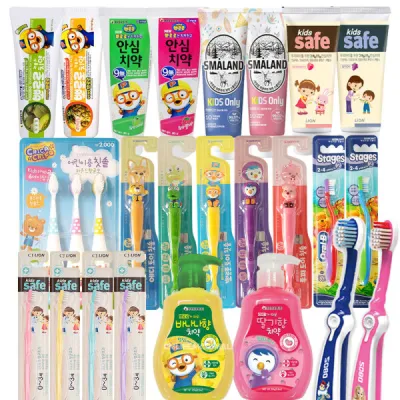
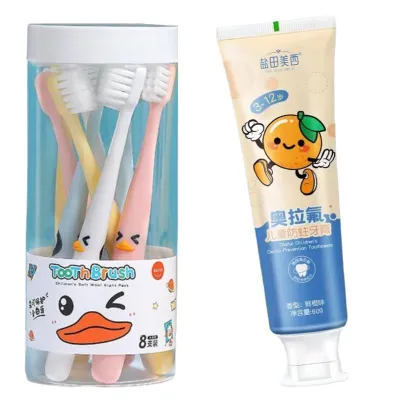
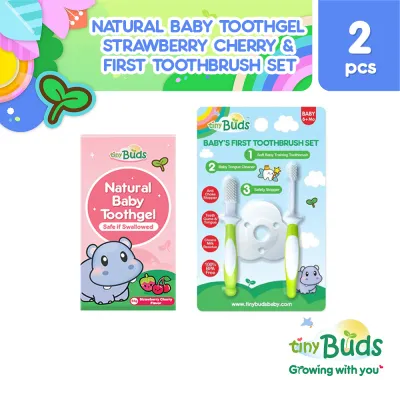
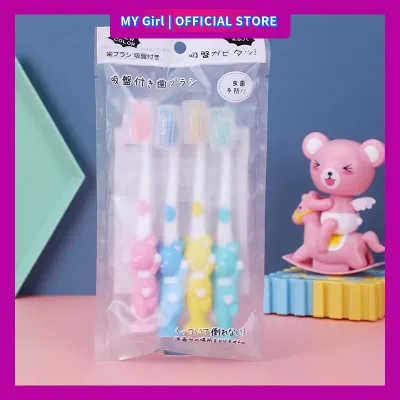
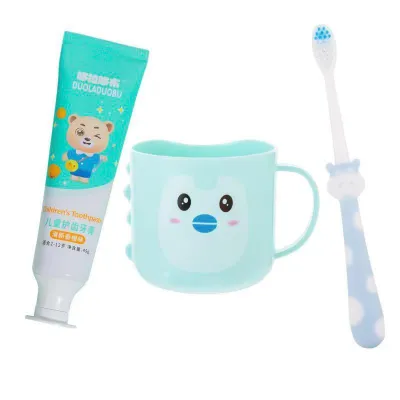
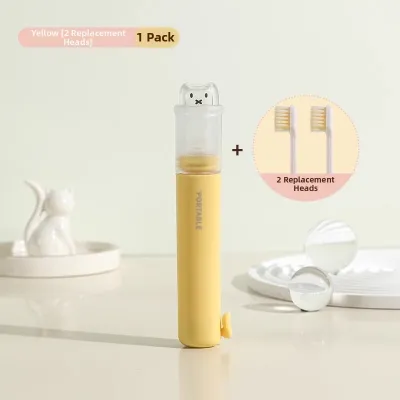
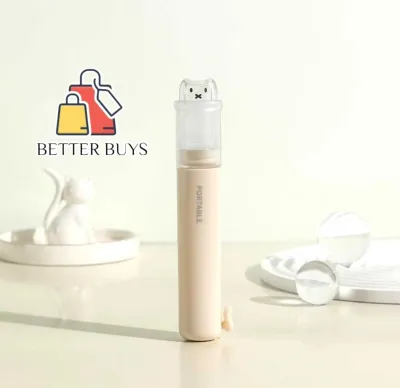
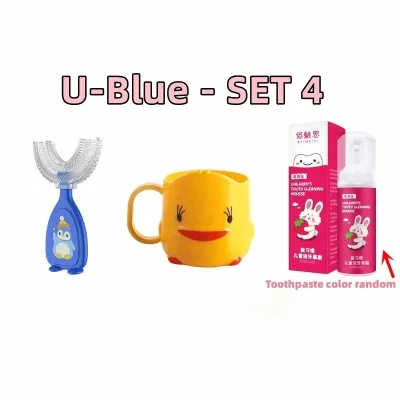
Prices are valid at publication and may change. Please refer to the product page for the latest price.
The handle design must match who is actually holding the brush, transitioning from long handles for parental control to thick, textured grips for small hands. Toothpaste selection requires careful attention to ingredients, particularly the presence and concentration of fluoride, which must align with your child’s ability to spit out excess foam.
Because every child’s dental development is unique, consulting a pediatric dentist is the best way to receive personalized advice. A professional can assess your child’s specific cavity risk, recommend the precise timing for introducing fluoride, and guide you on the safest brushing techniques for your family’s routine.
Oral Care for Infants and Toddlers (0 to 3 Years)
During the first three years of life, your child’s mouth undergoes rapid changes as primary teeth begin to push through the gums. This teething phase can cause significant discomfort, making gentle oral care essential. Before the first teeth appear, you can clean your baby’s gums using a soft, damp cloth or a clean, textured silicone finger brush.

Once the first tooth erupts, it is time to transition to an actual toothbrush designed specifically for infants. Look for brushes with an extra-small head that can easily clean a single tiny tooth without bumping into sensitive surrounding gums. The bristles must be ultra-soft, often made of rounded nylon or gentle silicone, to ensure the brushing experience does not cause pain or irritation.
For toddlers under three years old, choosing the right toothpaste requires understanding their physical limitations. Children in this age group do not yet possess the coordination to spit out toothpaste reliably, meaning they will inevitably swallow whatever product you use. For this reason, many parents begin with training toothpastes, which are formulated without fluoride and are safe if swallowed in small amounts.
If you choose to use fluoride toothpaste for a child under three, it should only be done under the direct guidance of a pediatric dentist. When fluoride is recommended at this early stage, the amount used must be extremely small—no larger than a single smear or a grain of rice. This tiny amount provides localized cavity protection while minimizing the risk of mild fluorosis from swallowing.
Supervision is absolutely critical during every brushing session in this age bracket. Toddlers should never be left alone with a toothbrush, as they may choke, poke themselves, or swallow excessive amounts of toothpaste. Your primary goal at this stage is not just physical cleanliness, but also establishing a positive, comforting association with daily oral hygiene.
In tropical climates like the Philippines, high humidity can encourage the growth of mold and bacteria on damp surfaces. To keep your infant’s oral care tools hygienic, always rinse the toothbrush thoroughly with clean water after use and store it upright in an open, well-ventilated area to dry completely. Avoid using closed travel caps or storing brushes in dark, damp cabinets where moisture can accumulate.
Oral Care for Preschoolers (3 to 5 Years)
As children enter the preschool years, they begin to develop greater independence and a desire to do things themselves. Their primary teeth are fully erupted, and the spaces between their teeth may begin to close, creating new areas where food particles and plaque can accumulate. This is the stage where brushing transitions from a task performed entirely by parents to a collaborative activity.
Toothbrushes for preschoolers should feature small, tapered heads that can comfortably reach the back molars, where cavities frequently develop. The bristles must remain soft to protect the developing enamel, which is much thinner than adult enamel. Look for handles that are chunky, rounded, and covered in non-slip rubber or silicone grips, which are easier for small hands with developing hand-eye coordination to hold.
The transition to fluoride toothpaste typically occurs during this stage, provided your child has learned how to spit out the foam consistently. You can test their ability to spit by having them practice with plain water first. Once they can reliably spit, you can introduce a mild fluoride toothpaste, using an amount no larger than a pea.
To encourage regular brushing, look for toothpastes with kid-friendly flavors like strawberry, bubblegum, or mild mint. Many children find adult mint toothpastes too strong or spicy, which can lead to resistance during brushing time. Allowing your preschooler to choose their own toothbrush color or character-themed design can also make the routine feel like a fun activity rather than a chore.
While preschoolers may want to brush independently, they do not yet have the manual dexterity to clean their teeth thoroughly. Parents must continue to provide active assistance, letting the child brush first to practice their skills, and then taking over to ensure all surfaces are clean. Pay close attention to the gumline and the chewing surfaces of the back teeth, which are easily missed.
Monitoring the duration of brushing is also important at this stage. Encourage your child to brush for a full two minutes, twice a day, by using sand timers, musical toothbrushes, or fun brushing apps. Always inspect their mouth afterward to ensure no plaque or food debris remains, and guide them gently on how to reach the spots they missed.
Oral Care for School-Age Children (6 Years and Older)
By the age of six, children begin to lose their primary teeth as their permanent teeth start to emerge. This mixed-dentition stage requires careful attention, as permanent molars erupt behind the baby teeth and need immediate protection from decay. School-age children are also capable of taking on more responsibility for their daily oral hygiene, though parental monitoring remains necessary.
Toothbrushes for older children should feature youth-sized heads that are slightly larger than preschool brushes but still smaller than adult models. The bristles should be soft to medium, depending on your child’s comfort and any specific recommendations from their dentist. The handle should be slimmer than a toddler’s brush, reflecting their improved grip and fine motor skills.
This stage is an excellent time to consider introducing an electric toothbrush, especially if your child struggles with manual brushing technique. Many youth electric toothbrushes feature built-in timers that pulse every thirty seconds to signal when to move to a different quadrant of the mouth. These devices can make brushing more engaging and help ensure a more thorough clean for children with braces or crowded teeth.
For toothpaste, school-age children should use standard fluoride toothpaste to protect their newly emerging permanent teeth. If your child experiences tooth sensitivity as their permanent teeth come in, consult their dentist about whether a specialized sensitive toothpaste is appropriate. Ensure they continue to spit out all excess toothpaste and rinse their mouth thoroughly after brushing.
Flossing should also become a regular part of their daily routine once their teeth begin to touch. You can introduce pre-threaded plastic flossers designed for kids, which are much easier for them to maneuver than traditional string floss. Flossing helps remove plaque and food particles from between the teeth where toothbrush bristles cannot reach, preventing cavities in these vulnerable areas.
While school-age children can brush without direct physical assistance, you should continue to monitor their routine to ensure they are brushing thoroughly and for the full two minutes. Check their toothbrush periodically to ensure they are not brushing too hard, which can wear down enamel and irritate the gums. Establishing these consistent habits now will set the foundation for excellent oral health throughout their teenage and adult years.
What to Check on Product Labels and Packaging
When shopping for children’s oral care products on online marketplaces or in local stores, reading the packaging carefully is essential to ensure safety and quality. Do not rely solely on bright colors or cartoon characters; instead, look for specific indicators that verify the product is suitable for your child’s developmental stage.
First, verify the bristle rating on the toothbrush packaging. It should explicitly state “soft” or “extra-soft” to prevent damage to your child’s gums and enamel. Avoid any brushes labeled “medium” or “hard” for young children, as these can be too abrasive and cause discomfort, leading to a reluctance to brush.
Next, check the manufacturer’s age recommendation printed on the box. These age ranges are designed to match the average mouth size and physical coordination of children at different stages. While these guidelines are helpful, always consider your child’s actual physical size and comfort; if a brush designed for ages three to five seems too large for your toddler’s mouth, choose a smaller size.
When evaluating toothpaste, inspect the ingredient list carefully. If you are looking for a fluoride toothpaste, check the concentration, which is typically measured in parts per million (ppm). For younger children, a lower concentration may be recommended, so consult your dentist to find the right level. Avoid toothpastes that contain harsh abrasives, artificial colors, or strong chemical foaming agents like sodium lauryl sulfate (SLS) if your child is prone to mouth sores.
Finally, perform a physical inspection of the product before use. Ensure the bristles are securely anchored into the brush head and do not pull out easily, which could pose a choking hazard. Check that the handle has a reliable, non-slip texture that will not slide out of wet hands. Whether you are spending ₱100 on a basic manual brush or more on an advanced model, always verify that the product’s safety seals are intact and have not been tampered with before purchasing.
Frequently Asked Questions (FAQ)
When should I replace my child's toothbrush?
You should generally replace your child’s toothbrush every three to four months, or sooner if you notice signs of wear. Children often chew on their toothbrushes, which can cause the bristles to become frayed, splayed, or bent much faster than an adult’s brush. Frayed bristles are less effective at removing plaque and can harbor bacteria, so inspect the brush weekly. Additionally, always replace the toothbrush immediately after your child recovers from an illness, such as a cold, flu, or throat infection, to prevent reinfection.
Is an electric toothbrush better for kids than a manual one?
An electric toothbrush is not strictly necessary, but it can offer significant benefits for many children. The rapid brush strokes of an electric model can help remove plaque more effectively, especially for kids who have limited manual dexterity, wear braces, or struggle to brush for the full two minutes. Many electric brushes also include built-in timers and pressure sensors that guide children to brush more thoroughly and gently. However, manual toothbrushes are highly effective when used with the correct technique, making them a reliable and budget-friendly option. Choose the type that best fits your child’s comfort, sensory preferences, and daily routine.

Community discussion
Share your experience or ask a question. Comments are reviewed before publication.