
Choosing the right size diaper changing mat waterproof is crucial for a safe, comfortable nursery. A poorly fitted mat can slide, overhang furniture edges, or fail to align with safety straps, creating risks during diaper changes. By measuring your changing table or dresser top and comparing it to standard mat dimensions, you can ensure a secure fit that keeps your baby safe.
In tropical climates like the Philippines, high humidity makes a properly fitted, easy-to-wipe waterproof surface essential for hygiene. Moisture can trap dust in tight gaps, so a mat that fits snugly without bunching is vital. Whether repurposing a dresser or using a dedicated changing table, finding the perfect match requires looking beyond overall furniture dimensions to focus on the actual flat surface and the mat’s design.
How to Measure Your Changing Table or Dresser Top
To find a diaper changing mat waterproof that fits perfectly, start with accurate measurements of your furniture’s top surface. Do not rely on general dimensions in the manual, as these often include decorative trim or overhanging edges that reduce usable space. Use a metal measuring tape for accuracy, as fabric tapes can stretch.
Products mentioned in this guide
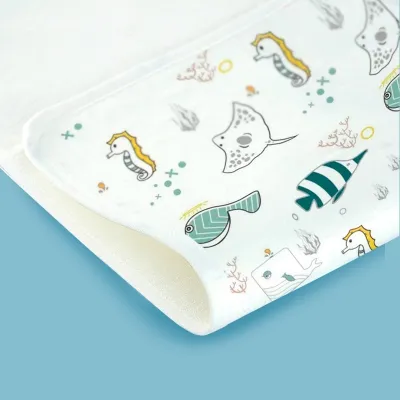
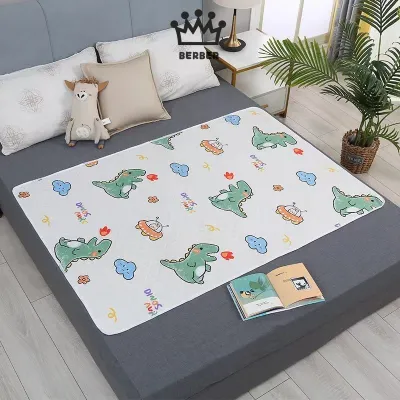
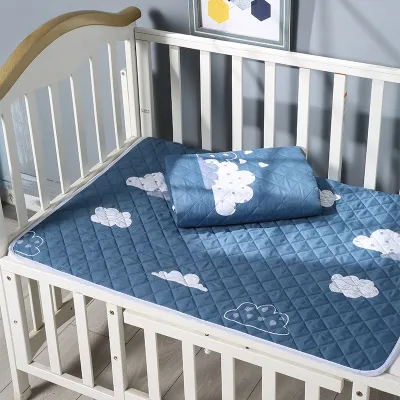
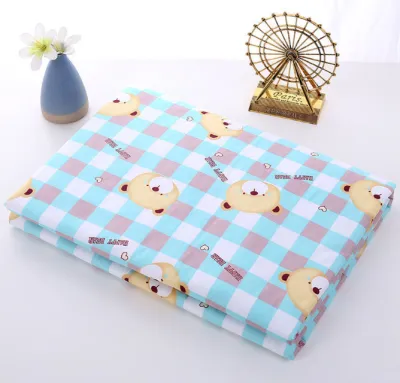
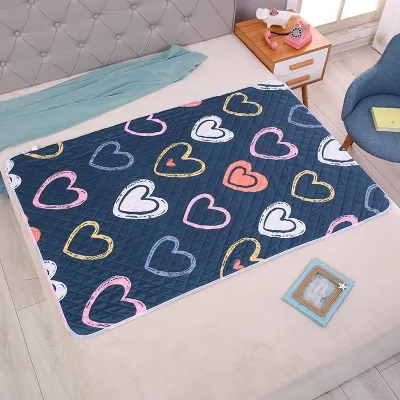
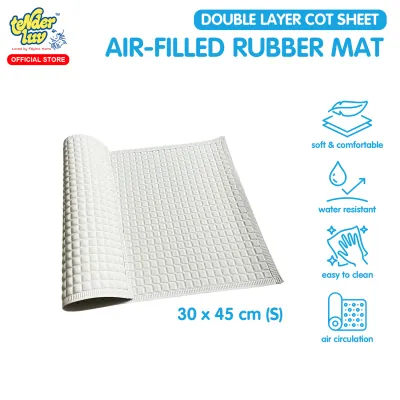
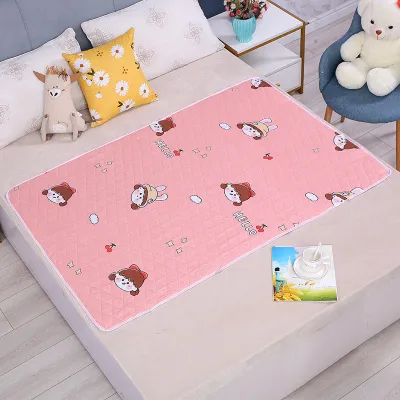
Prices are valid at publication and may change. Please refer to the product page for the latest price.
Begin by measuring the flat, usable surface length from left to right. If your changing table has a built-in frame or raised safety rails, measure only the flat space inside these barriers. This interior area is where the mat will sit; measuring the outer rails will result in a mat that is too large to lie flat.
Next, measure the usable width from the front edge to the back edge of the flat surface, excluding decorative molding or rear lips. If you are using a chest of drawers, ensure the drawers can open and close smoothly without rubbing against the projected boundary of the mat.
Take note of the height of any raised safety rails or built-in barriers. Measure from the flat surface up to the top edge. This is crucial because your changing mat must not be so thick that it neutralizes the protective height of these safety barriers.
Finally, locate any pre-drilled strap holes or anchor points on the back of your furniture. If your dresser includes built-in anchor points, measure the distance between them. This helps you verify if the security straps on a new waterproof changing mat will align correctly with your furniture’s existing hardware.
Standard Waterproof Changing Mat Sizes and Shapes
When shopping for a diaper changing mat waterproof, you will encounter several common sizes and shapes. Most standard rectangular mats measure approximately 80 centimeters in length and 40 to 45 centimeters in width, though exact dimensions vary. Understanding these configurations helps you narrow down your choices quickly.

Flat changing mats are simple, lightweight pads that lie completely flat. These are highly portable and easy to store, making them popular for smaller nurseries or multi-purpose dressers. However, because they lack raised sides, they offer no physical barrier to keep a rolling baby centered, requiring constant supervision.
Contoured changing mats feature raised sides—often in a two-sided or three-sided design—to help keep your baby centered. While contoured mats provide a cozy space, they have a larger external footprint and a thicker profile. When choosing a contoured model, compare both its external dimensions and its internal usable area to ensure your baby has enough room.
Before purchasing on an online marketplace, always verify the exact product specifications on the listing. Do not assume a “standard size” will automatically fit. Manufacturers have slight variations, and even a discrepancy of one centimeter can prevent a mat from sitting securely inside a recessed tray.
Keep in mind that some waterproof mats have a rigid base, while others are fully flexible foam. A flexible foam mat might tolerate a tiny amount of compression if your furniture frame is snug, but a rigid-backed mat must match your measurements exactly. Checking these specifications beforehand prevents return hassles.
Factoring in Safety Clearances and Strap Placement
A secure fit is a fundamental safety requirement. When placing a diaper changing mat waterproof on a dresser, check the manufacturer’s recommended clearance between the mat edge and the furniture edge. A mat that is too close to the edge or lacks proper friction can easily slip during sudden baby movements.
Most waterproof changing mats come equipped with safety straps to anchor the pad to the furniture. Align these mat strap slots with the furniture’s built-in anchor points. If your dresser lacks pre-drilled holes, consult both manufacturer instructions to plan for alternative securement methods, such as screw-in anchor straps.
Never skip securing these straps, even if the mat feels snug inside a frame. In warm, humid environments like the Philippines, moisture or dust can accumulate under the mat, reducing natural grip and increasing sliding risks. Regularly check that the straps remain tightly fastened and free from wear.
Evaluate the thickness of the mat in relation to your furniture’s safety rails. If your changing table has rails that are 10 centimeters high, and you purchase a contoured mat that is 8 centimeters thick, the effective safety barrier is reduced to just 2 centimeters. Ensure the mat’s thickness does not interfere with the protective function of the rails.
If placing the changing table against a wall, ensure the mat does not pinch or rub against the wall surface. This friction can cause the mat to bunch up, creating an uneven surface. Maintaining a small, clean clearance around the perimeter of the mat ensures it lies flat and functions safely.
Common Sizing Mistakes to Avoid
One frequent error is buying a diaper changing mat waterproof based solely on the overall footprint of the changing table or dresser. A dresser might have an overall depth of 50 centimeters, but if the top features a decorative beveled edge, the actual flat, usable surface might only be 45 centimeters. Always measure the flat zone.
Another critical mistake is allowing the changing mat to overhang the edge of the dresser. If a mat extends past the flat support surface, it creates a dangerous tipping hazard. When weight is applied to the overhanging section during a diaper change, the mat can tilt or slide off completely, leading to a fall.
Parents also frequently ignore the difference between a contoured mat’s internal dimensions and its external footprint. You might find a mat that fits perfectly inside your changing tray, only to realize the internal area is too narrow for your growing baby. Always check both sets of measurements to ensure a proper fit.
Finally, avoid wedging an oversized mat into a space that is too small. Squeezing a foam mat into a tight frame causes the edges to bow upward, creating an unstable, curved surface that makes diaper changes difficult and unsafe. If measurements do not match standard sizes, look for alternative sizes rather than forcing a fit.
Frequently Asked Questions (FAQ)
Can I use a standard changing mat on a custom-built or unusually sized dresser?
Yes, you can use a standard diaper changing mat waterproof on a custom-built or unusually sized dresser, provided you take extra precautions to secure it. If the dresser surface is significantly larger than the mat, the mat may slide around easily. In this scenario, you must check the manufacturer’s guidelines for using non-slip pads, adhesive hook-and-loop fasteners, or dedicated safety straps to anchor the mat firmly to the wooden surface.
Never use a mat that is too small if it leaves hard, unprotected furniture surfaces or sharp decorative corners exposed within your baby’s reach. If your custom dresser has a very large top, consider using a secure changing tray that matches the mat’s dimensions, and then anchor that tray directly to the dresser top according to the manufacturer’s safety instructions.
Does the thickness of the waterproof mat affect the fit on a changing table?
Yes, the thickness of a diaper changing mat waterproof directly affects how it interacts with your changing table’s safety features. Thicker contoured mats can raise your baby’s body higher, which may reduce the effective height of the table’s built-in safety rails. If the baby is positioned too high, the rails can no longer prevent them from rolling off the side of the table.
Before purchasing, you must check the changing table manufacturer’s maximum mat thickness guidelines to ensure compliance with their safety standards. If your changing table does not specify a maximum thickness, a good rule of thumb is to ensure that the top of the safety rails remains well above the highest point of the changing mat when your baby is lying on it.

Community discussion
Share your experience or ask a question. Comments are reviewed before publication.