
Choosing the right size diaper mat for your changing table is a critical decision that directly impacts your baby’s safety and comfort during daily routines. To make the correct choice, you must match the exact inner dimensions of your changing table’s top surface with the outer dimensions of the diaper mat. A properly fitted mat must lie completely flat within the table’s protective barriers, without any bunching, folding, or dangerous overhang. Because even a slight mismatch can cause the mat to slide or tip when your baby moves, taking precise measurements and verifying your furniture’s structural limits is the essential foundation for a safe nursery setup.
Measure Your Changing Table for a Perfect Fit
To establish a reliable baseline, you need to measure your changing table with a physical tape measure rather than relying on estimated dimensions or online product descriptions. Start by clearing the top surface completely. Measure the inner length and inner width of the changing area from the inside edges of the safety rails or wooden barriers. If your table features a recessed tray or contoured wooden frame, measure the flat, usable surface area where the mat will actually rest. Do not measure from the outer edges of the furniture, as this will result in a mat that is too large and cannot sit flat.
Additionally, measure the depth of the safety barriers. The height of these protective sides is crucial because a diaper mat that is too thick will reduce the effective height of the barrier, making it easier for an active baby to roll over the edge. While measuring the physical space, locate the manufacturer’s label or instruction manual to verify the table’s maximum weight capacity. Ensure this structural limit safely accommodates the combined weight of the diaper mat, your growing baby, and any additional accessories you plan to keep within reach.
Products mentioned in this guide
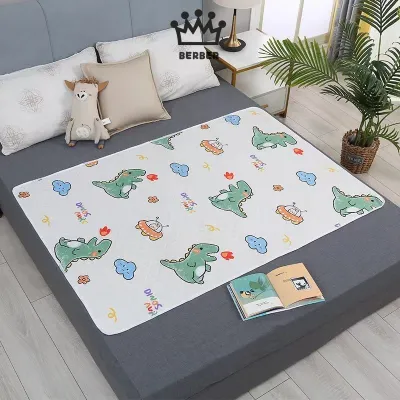
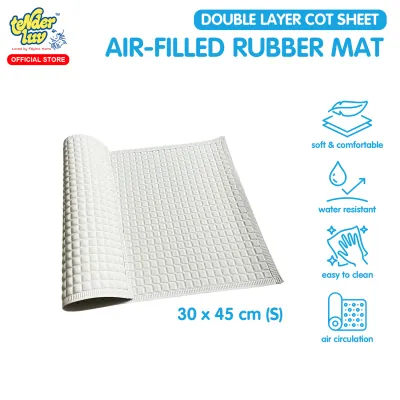

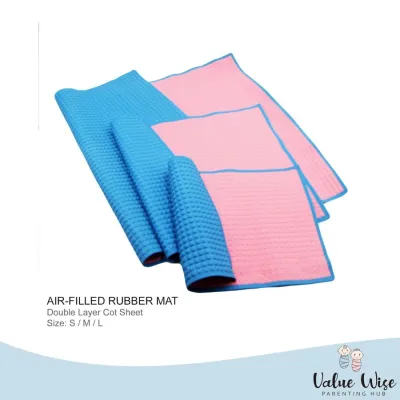
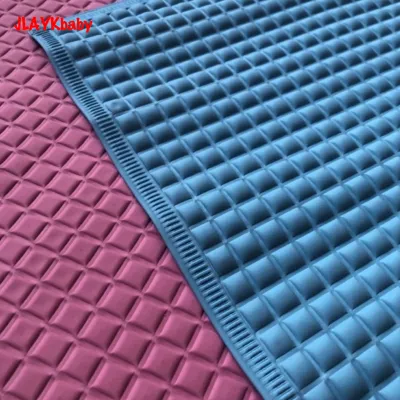
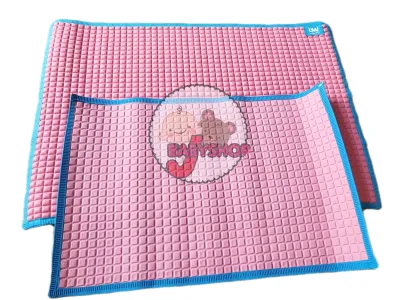
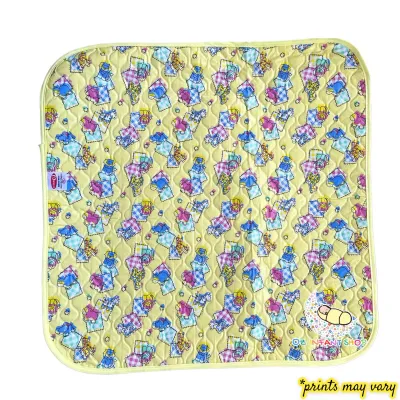
Prices are valid at publication and may change. Please refer to the product page for the latest price.
Compare Standard and Custom Diaper Mat Dimensions
Standard mass-produced changing tables typically align with standard diaper mat dimensions, which often measure around 32 inches in length and 16 inches in width. However, variations are highly common across different brands and furniture styles. If you are using a repurposed dresser, a custom-built wooden table, or a compact nursery set, standard mats may not fit securely. In these cases, you will need to explore compact, modular, or custom-sized mats designed to fit non-standard dimensions.

When comparing options, pay close attention to the thickness and contour style of the diaper mat. Contoured mats feature raised sides that help keep your baby centered during changes, but they require a completely flat, stable base to function safely. If the mat is too wide for your table, these contoured edges can compress or overhang, destabilizing the entire surface. Evaluate how the thickness of the mat interacts with your table’s safety rails, aiming for a balance that provides sufficient cushioning for your baby’s comfort while preserving a safe barrier height.
Ensure a Secure Fit and Prevent Dangerous Overhang
Ensuring a secure fit is paramount to preventing dangerous falls and injuries. A diaper mat must never overhang the edges of the changing table. Even a minor overhang of a few centimeters creates a tipping hazard; if weight is applied to the protruding edge when your baby wiggles or when you lean against it, the mat can slide or flip entirely. Before using any new setup, place the mat on the table and perform a physical stability check by pressing down firmly on all four corners and sides to verify that it remains completely stationary.
Most high-quality diaper mats come equipped with built-in safety features, such as non-slip bottom textures, security straps, or mounting hardware. Always utilize these features according to the manufacturer’s instructions. Security straps should be anchored firmly to the back or underside of the changing table to prevent the mat from shifting during use. Remember that safety straps and non-slip backings are designed to assist with stability, but they do not replace active caregiving. Never leave your baby unattended on the changing table, even for a brief moment, regardless of how secure the mat feels. If you notice the mat sliding, bunching, or shifting during use, stop using the setup immediately and re-evaluate the fit.
Adapt the Setup to Your Nursery Space and Routine
Beyond the physical dimensions of the table, you must consider how the diaper mat setup integrates into your daily caregiving routine and nursery space. Ensure there is adequate clearance around the table to open drawers, access diapers and wipes, and move freely without bumping into the furniture. In compact rooms where a standard changing table cannot fit comfortably, alternative solutions like folding changing stations, wall-mounted tables, or portable diaper mats used on a secure, flat floor space can offer a safer and more practical setup.
In tropical environments with high humidity, maintaining cleanliness around the diaper mat is essential to prevent the buildup of moisture, mold, and mildew. Choose a diaper mat with a waterproof, easy-to-wipe surface, and ensure the design allows you to easily lift and remove the mat for regular cleaning. Moisture can easily become trapped between the bottom of the mat and the wooden surface of the table, which can damage the furniture and create an unsanitary environment for your baby. Establishing a routine of wiping down both the mat and the table surface, and allowing them to dry completely, will keep your nursery clean and safe.
Frequently Asked Questions (FAQ)
Can I use a regular mattress pad instead of a contoured diaper mat?
Using a regular flat mattress pad on a changing table is not recommended because it lacks the specialized safety features of a dedicated diaper mat. Purpose-built contoured diaper mats feature raised sides designed to help keep your baby centered and prevent rolling, as well as non-slip backings and safety straps to anchor the mat to the furniture. Regular pads can easily slide, bunch up, or shift when your baby moves, creating a significant fall risk. Always verify that the products you use in your nursery are specifically designed and tested for changing table safety.
What should I do if my changing table has an unusual shape?
If you have an antique dresser, a custom-built heirloom, or a changing table with an unusual shape, finding a standard diaper mat that fits securely can be challenging. In these situations, you should consult the furniture manufacturer for recommended accessories or look for custom-sized foam inserts with waterproof, safety-certified covers. If you cannot find a mat that fits perfectly within the table’s barriers without sliding or overhanging, do not attempt to force an ill-fitting mat into the space. Instead, stop using the table and transition to a safer alternative, such as using a portable diaper mat on a clean, flat floor surface.

Community discussion
Share your experience or ask a question. Comments are reviewed before publication.