
Starting solid foods is a major milestone for your baby, but navigating this transition requires the right tools. Choosing the perfect silicone spoon depends primarily on matching the utensil’s physical design to your baby’s current oral motor skills and developmental stage. In warm, humid climates, selecting high-quality, easy-to-sanitize silicone is also essential for maintaining daily hygiene and preventing mold growth. By focusing on bowl depth, handle ergonomics, and material integrity, you can ensure a comfortable, safe, and successful weaning journey.
Matching the Spoon to Your Baby's Weaning Stage
Every baby develops at their own pace, meaning physical readiness cues are far more important than age alone when choosing feeding utensils. Before introducing any spoon, observe your baby for key developmental milestones. These include the ability to sit upright with minimal support, good head and neck control, the disappearance of the tongue-thrust reflex, and a keen interest in the food on your plate. Matching the spoon’s physical characteristics to these evolving skills ensures a smoother transition to solids.
During the early weaning stage, which typically begins around six months, your baby is just learning how to clear food from a spoon using their upper lip. For this initial phase, look for spoons with extremely shallow, narrow bowls. A shallow bowl prevents too much food from being offered at once, which helps minimize the gag reflex. The narrow shape fits comfortably inside a tiny mouth without scraping the corners of the lips. At this point, the spoon is primarily a tool for introducing single-ingredient, runny purees.
Products mentioned in this guide
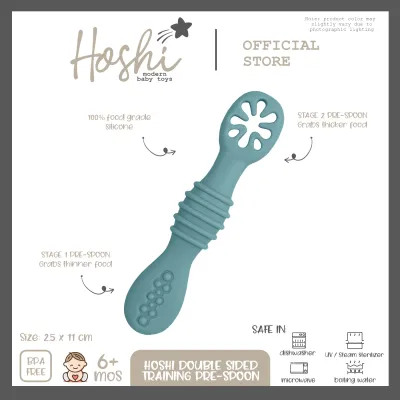
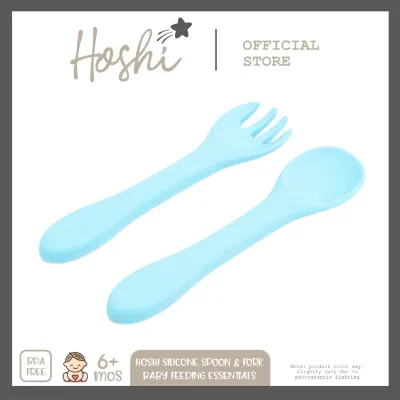
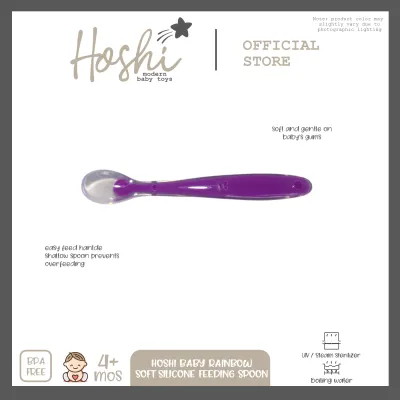
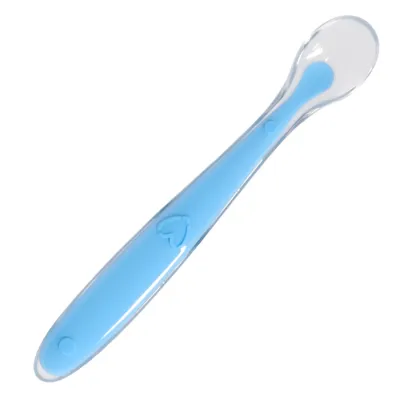
Prices are valid at publication and may change. Please refer to the product page for the latest price.
As your baby enters the mid-weaning stage, usually around eight to ten months, their chewing and swallowing coordination improves significantly. They will begin to tolerate thicker textures, mashed foods, and soft lumps. To accommodate this progress and their growing appetite, transition to a spoon with a slightly deeper and wider bowl. This design holds more substantial portions and allows you to scoop up thicker mixtures like mashed saba bananas or soft rice porridge without the food sliding off the sides.
By the late weaning stage, which often occurs around twelve months and beyond, many toddlers are eager to feed themselves and transition to family meals. At this point, you should introduce standard toddler-sized silicone spoons designed for independent scooping. These spoons feature sturdier bowls that can cut through soft solid foods and hold larger bite sizes. Using these utensils helps reinforce self-feeding confidence as your child transitions away from purees entirely.
Essential Design Features to Evaluate
When browsing for weaning utensils, the physical design of the handle and bowl directly impacts how easily your baby can feed themselves or accept food from you. Handle length and thickness are critical factors to evaluate. Long, slender handles are ideal for parent-led feeding, as they allow you to reach the bottom of deep baby food jars easily and maintain a comfortable grip. Conversely, short, chunky handles are designed specifically for baby-led weaning, giving small hands a secure surface to grasp as they practice bringing the spoon to their mouth.

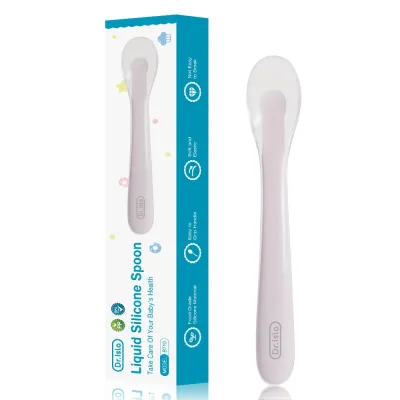
Flexibility and softness are the primary reasons parents choose silicone over plastic or metal. A high-quality silicone spoon should have a soft, pliable rim that bends slightly under gentle pressure. This flexibility protects your baby’s sensitive, teething gums and newly emerging primary teeth from accidental bumps. However, the core of the spoon should still retain enough structural rigidity to scoop food effectively; look for designs with a firmer inner neck covered by a soft silicone exterior.
Angled or curved spoon designs can be highly beneficial for babies who are just beginning to self-feed. Toddlers initially lack the wrist rotation required to bring a straight spoon directly to their mouth without spilling the contents. An ergonomically curved spoon compensates for this limited range of motion, directing the bowl straight toward the mouth even when the wrist remains rigid. These specialized shapes can significantly reduce mealtime frustration during the early stages of self-feeding.
Sensory features on the spoon tip can also support your baby’s oral development. Some silicone spoons feature textured bumps or raised ridges on the underside of the bowl. These textures stimulate the sensory receptors in your baby’s mouth, helping them desensitize their gag reflex and become more comfortable with different oral sensations. Additionally, these textured surfaces can double as a soothing teether that your baby can safely bite on during meals to relieve gum discomfort.
Verifying Safety Labels and Material Quality
Because your baby will be putting these spoons in their mouth daily, verifying the safety and quality of the material is paramount. Always read the product packaging carefully rather than relying solely on online marketing descriptions. Look for explicit labels indicating the use of 100% food-grade silicone. Ensure the packaging certifies that the product is free from harmful chemicals, specifically verifying that it is BPA-free, PVC-free, and phthalate-free.
Always check the manufacturer’s packaging for age, weight, and developmental recommendations before purchase. These guidelines are calibrated to ensure the utensil size is safe for your baby’s airway and oral cavity. Avoid using spoons that are intended for older toddlers on a young infant, as the larger bowl size can present a choking or gagging hazard.
Silicone is highly heat-resistant, but you must verify the specific temperature limits outlined in the product manual before attempting any sterilization. Different manufacturing processes and composite materials can alter how a spoon reacts to extreme heat. Check whether the manufacturer approves the spoon for boiling water, steam sterilizers, microwave sterilization, or UV sterilizers. Exceeding the recommended temperature limits can degrade the silicone, causing it to weaken or warp over time.
Establish a routine inspection habit before every single feeding session. Inspect the spoon thoroughly by stretching the silicone tip in multiple directions to check for hidden damage. You must immediately discard the spoon if you observe any visible tears, deep bite marks, permanent discoloration, or a sticky, tacky surface. A sticky texture indicates that the silicone polymer has begun to degrade, which can harbor bacteria and compromise the safety of the utensil.
Building a Practical Weaning Utensil Kit
Creating a functional weaning kit does not require buying dozens of individual utensils. Instead, focus on building a versatile collection tailored to different feeding scenarios. Start by distinguishing between parent-feeding spoons and baby self-feeding spoons. Having two of each type is generally sufficient for daily rotations, allowing you to feed your baby with one spoon while they practice holding and exploring another.
To save money and ensure long-term usability, look for multi-packs or progressive sets. Many reputable brands offer starter kits that include a variety of bowl depths and handle lengths in a single package. These sets allow you to transition seamlessly from early weaning to independent self-feeding without needing to make frequent, separate purchases as your baby grows.
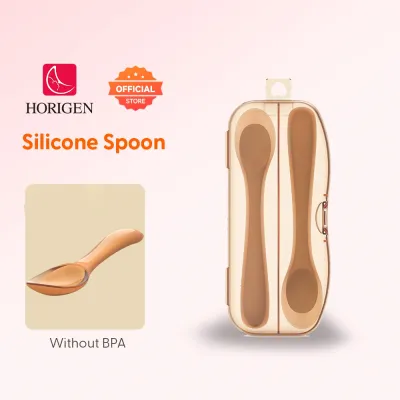
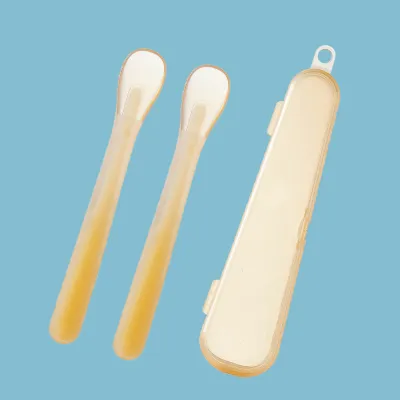
If you frequently travel or dine out, consider purchasing silicone spoons that come with dedicated, hard-plastic travel cases. A protective hygiene case keeps the spoon clean inside your diaper bag and provides a safe place to store a soiled spoon after a meal on the go. This is particularly useful in tropical environments where airborne dust and humidity can quickly compromise exposed baby gear.
When budgeting for your weaning essentials, expect to spend around ₱150 to ₱500 for a high-quality, certified silicone spoon set from trusted local baby boutiques or established online marketplaces. Avoid purchasing ultra-cheap, unbranded silicone utensils that lack clear safety certifications on their packaging. Investing in a few well-made, certified spoons ensures your baby’s safety and provides durable tools that will last throughout their entire weaning journey.
Frequently Asked Questions (FAQ)
How do I clean and sterilize silicone spoons safely?
Always consult your product’s manual to verify if the spoons are dishwasher-safe, and place them strictly on the top rack away from heating elements to prevent warping. Use mild, fragrance-free dish soaps, as silicone can sometimes absorb strong perfume scents from standard detergents. If boiling or steaming to sterilize, strictly adhere to the manufacturer’s recommended time limits—usually between three to five minutes—to prevent material degradation. Avoid using harsh chemical sterilizers, bleach, or abrasive scrubbing pads, which can scratch the silicone surface and create microscopic crevices where bacteria can multiply.
What is the difference between a silicone spoon and a spork for babies?
A silicone spoon features a smooth, continuous bowl designed for scooping and holding purees, liquid foods, or soft mashes, making it ideal for the early and middle stages of weaning. A spork incorporates small, blunt prongs at the tip of the bowl, requiring more advanced motor skills to pierce soft solid foods like steamed vegetables or fruit chunks. Introduce a spork only when your baby demonstrates the ability to coordinate a stabbing motion and has developed sufficient gum strength to chew solid pieces safely. Ensure the spork tines are made of soft, flexible silicone to protect your baby’s gums from accidental injury during use.

Community discussion
Share your experience or ask a question. Comments are reviewed before publication.