
Starting solid foods is a major milestone for your baby, but finding the right tools can feel overwhelming with so many options available. In the Philippines, choosing the best silicone baby spoon feeder set requires balancing material safety, developmental design, and ease of maintenance in a warm, humid climate. Silicone has become the go-to material for early feeding because it is gentle on developing gums and highly durable.
To find the ideal set for your household, you must evaluate the spoon’s physical design against your baby’s current motor skills, verify the manufacturer’s safety certifications, and select a configuration that fits your daily routine without unnecessary accessories. By focusing on these practical criteria, you can ensure a safe, comfortable, and successful transition to solid foods.
Why Silicone is the Preferred Material for Weaning Spoons
Silicone has revolutionized infant tableware, largely replacing traditional hard plastics and metals for early weaning. The primary advantage of silicone is its exceptional softness. During the initial stages of weaning, which often coincide with teething, babies naturally bite down on utensils. A metal or hard plastic spoon can cause discomfort or even minor injuries to sensitive, swollen gums. High-quality silicone acts as a soft cushion, allowing babies to explore the sensation of a spoon in their mouths without pain. This encourages a positive association with feeding time, which is crucial for a smooth transition to solids.
Products mentioned in this guide
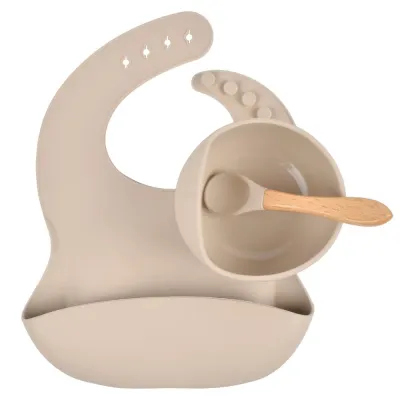
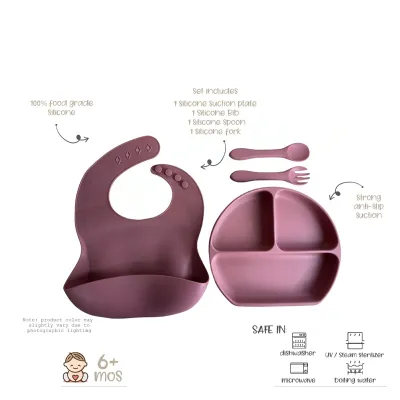
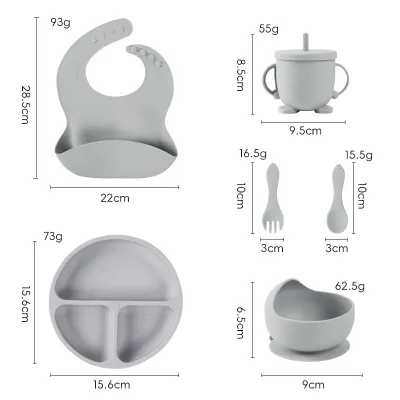
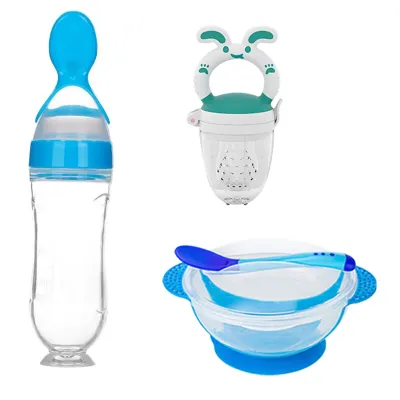
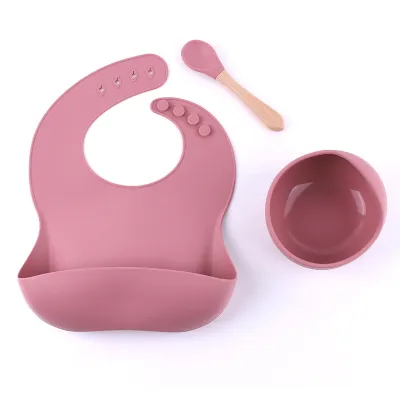
Prices are valid at publication and may change. Please refer to the product page for the latest price.
Beyond comfort, silicone is highly valued for its thermal stability and physical durability. Unlike plastic, which can warp, crack, or leach chemicals when exposed to high temperatures, silicone can withstand both extreme heat and freezing cold. This makes it exceptionally safe for sterilization and daily use. It does not shatter if dropped from a high chair, nor does it degrade quickly under constant washing.
However, caregivers must also anticipate the material’s natural limitations. Silicone is inherently porous, meaning it can absorb pigments and oils over time. In Filipino households, frequent exposure to vibrant local ingredients like squash (kalabasa), carrots, or sweet potatoes (kamote) can lead to noticeable staining. This discoloration is purely cosmetic and does not affect the safety of the spoon, but it can make utensils look prematurely aged. Additionally, if not cleaned thoroughly, silicone can retain food odors or develop a soapy taste from dishwashing liquids. Understanding these physical properties helps you manage expectations and implement the correct cleaning routines from day one.
Essential Design Features for Different Weaning Stages
Not all silicone spoons are shaped the same, and matching the utensil’s design to your baby’s developmental stage is key to a frustration-free mealtime. The first design element to consider is the handle. If you are practicing parent-led weaning, where you spoon-feed your baby, a longer, slender handle is ideal. This design gives you a comfortable grip and allows you to reach the bottom of deep baby food jars or bowls easily.

Conversely, if you are pursuing baby-led weaning, your baby needs a short, chunky handle. These handles are designed for a baby’s palmar grasp, making it much easier for tiny hands to guide the spoon to their mouth independently. Many baby-led weaning spoons also feature textured, non-slip grips to prevent the utensil from slipping out of buttery or wet hands.
The size and depth of the spoon bowl must also match your baby’s oral motor skills. For infants just starting their weaning journey at around six months, a very shallow, narrow spoon bowl is necessary. Young babies have not yet mastered the ability to scrape food off a deep spoon with their upper lip; a shallow bowl allows them to easily clear the food using their natural sucking and licking reflexes. As your baby grows and develops better lip clearance and a larger appetite, you can transition to a deeper, wider spoon bowl that holds larger portions of purees or mashed foods.
Safety features like choke guards and sensory bumps are highly beneficial during early self-feeding. A choke guard is a wide collar or shield situated just below the spoon head that physically prevents the baby from inserting the utensil too far into their throat. Sensory bumps on the underside of the spoon head provide tactile feedback, helping the baby map their mouth and recognize where the spoon is positioned. While these features offer excellent peace of mind during the initial weeks of self-feeding, they can sometimes hinder natural feeding progression as the baby becomes more skilled. Once your child can reliably control the depth of the spoon, you can transition to standard spoon heads without guards.
Finally, consider the angle of the spoon head. Some advanced weaning sets feature curved or flexible heads that can be bent to a specific angle. Since infants lack the wrist rotation required to keep a straight spoon level, an angled head allows them to scoop food and bring it directly to their mouth without spilling the contents. This small design detail can significantly boost your baby’s confidence and reduce mealtime mess.
Verifying Safety Standards and Material Quality
With a vast array of baby products available on local e-commerce platforms, verifying the safety and quality of silicone utensils is a critical responsibility for caregivers. Genuine food-grade or medical-grade silicone is completely inert, meaning it does not leach harmful chemicals into your baby’s food. To ensure you are purchasing a safe product, always inspect the packaging for clear markings indicating “100% Food-Grade Silicone” or compliance with international food safety authorities, such as the US Food and Drug Administration (FDA) or the European LFGB standard. LFGB testing standards are generally stricter regarding chemical migration, making it an excellent benchmark for premium quality.
It is equally important to verify that the product is certified free from harmful substances like Bisphenol A (BPA), Polyvinyl Chloride (PVC), phthalates, and lead. These chemicals are common in cheap plastics but should never be present in high-quality silicone. Look for explicit “BPA-free” and “non-toxic” labels directly on the product packaging or the manufacturer’s official documentation. Be cautious of generic products that make these claims without providing a clear brand name, manufacturer address, or contact information.
When shopping on online marketplaces, several red flags should prompt caution. Unusually low prices—such as a complete feeding set selling for a fraction of the average market price—often indicate that the silicone has been mixed with cheap plastic fillers. These fillers compromise the material’s safety and durability, and they can leach chemicals when heated. Another red flag is the absence of age-grade labeling. Legitimate baby products will always specify the recommended age range (such as “6m+”) to ensure the utensil is size-appropriate and safe for that developmental stage.
Many parents rely on the “pinch test” to check silicone purity. This involves twisting or pinching a flat section of the silicone; if the bent area turns white, it suggests the presence of plastic fillers, as pure silicone does not change color when stretched. While the pinch test is a helpful quick check, it is not foolproof, especially for thick or molded parts. Relying on visual verification of official safety labels, purchasing from reputable brands, and checking for manufacturer transparency remain the most reliable methods to guarantee your baby’s safety.
Evaluating Set Configurations and Value
Weaning sets come in various configurations, ranging from simple two-pack spoons to massive multi-piece feeding sets. To get the best value for your money, it is important to evaluate what components your baby actually needs at their current stage. The core essentials of any weaning set are the spoons. For early weaning, a set containing two to three spoons is usually sufficient, allowing you to have a clean one ready while another is in use or being washed. Some sets also include stage-appropriate forks with soft, rounded silicone tines. While these forks cannot pierce hard foods, they are excellent for practice, allowing babies to scoop soft foods like mashed bananas or avocados.
Many manufacturers bundle spoons with optional accessories such as suction bowls, silicone bibs, or straw cup attachments. While these comprehensive sets can seem like a convenient all-in-one solution, they also come with a higher price tag in ₱. Before investing in a large set, consider whether you will actually use every item. For instance, if you already own plastic or bamboo suction bowls, buying a set that includes another bowl is an unnecessary expense. Focus on purchasing high-quality standalone spoon sets if you already have other feeding gear, or opt for a bundled set only if you are starting your weaning collection from scratch.
One accessory that offers genuine practical value is a hygienic travel or storage case. Feeding on the go is common, whether you are visiting relatives, dining out, or traveling. A dedicated plastic or silicone case keeps clean spoons sterile inside your diaper bag and provides a secure place to store dirty utensils after use, preventing food residue from smearing onto your other belongings. When evaluating different sets, prioritize those that include a durable, easy-to-clean travel case, as this significantly improves daily convenience and hygiene.
Cleaning, Sterilizing, and Maintenance Guidelines
Proper maintenance is essential to keep silicone spoon feeders hygienic and extend their lifespan, especially in the tropical climate of the Philippines where humidity can encourage mold growth. Daily cleaning should begin immediately after use. Wash the spoons with warm water and a mild, fragrance-free baby bottle cleanser. Avoid using standard dishwashing liquids that contain heavy perfumes, as silicone can absorb these scents, causing your baby’s food to taste like soap. Use a soft sponge rather than abrasive scrubbing pads, which can create microscopic scratches on the silicone surface where bacteria and food particles can accumulate.
Silicone naturally attracts oils from food, which can leave a sticky residue if not washed thoroughly. If your spoons begin to feel sticky, wash them with a mixture of warm water and a small amount of grease-cutting, unscented dish soap, ensuring you rinse them completely.
Sterilization is another crucial step, particularly during the first few months of weaning when your baby’s immune system is still developing. Silicone is highly heat-resistant, making it compatible with boiling water, steam sterilizers, and UV sterilizers. However, you must always check the manufacturer’s specific instructions for maximum temperature limits before sterilizing. Some spoons feature wooden or plastic handles attached to a silicone head; these mixed-material utensils cannot be boiled or placed in steam sterilizers, as the heat can warp the plastic or ruin the wood.
Regularly inspect your baby’s feeding utensils for signs of wear and tear. Although silicone is highly durable, it is not indestructible. Teething babies can bite through the material, creating deep cuts or tears. These damaged areas can harbor bacteria and pose a choking hazard if a piece of silicone tears off completely. If you notice any deep cuts, structural degradation, or persistent odors that do not go away after thorough cleaning, it is time to discard the spoon and replace it with a new one.
Frequently Asked Questions (FAQ)
Can I put silicone spoon feeders in the dishwasher?
Yes, most pure silicone spoon feeders are dishwasher-safe, but you should always verify this by checking the manufacturer’s symbols on the packaging. When washing silicone utensils in a dishwasher, place them on the top rack to keep them away from the heating element at the bottom, which can cause uneven heating and potential degradation over time. Additionally, avoid using dishwasher detergents that contain heavy fragrances or citrus extracts, as silicone can absorb these odors. Skip the high-heat drying cycle if possible, and instead allow the spoons to air dry completely in a clean, well-ventilated area to prevent moisture buildup.
How do I remove stubborn food stains or smells from silicone?
To remove stubborn stains from colorful foods like squash or carrots, create a paste using equal parts baking soda and water. Rub the paste over the stained areas of the spoon, let it sit for approximately twenty to thirty minutes, and then rinse it thoroughly with warm water. For persistent food or soap smells, exposing the clean silicone spoons to direct, natural sunlight for a few hours is highly effective. Sunlight acts as a natural deodorizer and mild bleaching agent. Avoid using harsh chemical bleaches, boiling vinegar, or abrasive scrubbers, as these can permanently damage the silicone surface and compromise its safety.

Community discussion
Share your experience or ask a question. Comments are reviewed before publication.