
Creating a secure environment for your growing baby is one of the most rewarding steps in early parenthood. As infants transition from rolling over to crawling and exploring, low-lying electrical outlets naturally draw their curiosity. In the Philippines, where residential electrical setups often feature a mix of Type A and Type B sockets positioned close to the floor, securing these points is a critical priority. Finding the right safety outlet cover requires understanding your home’s specific electrical fixtures, your child’s developmental stage, and the daily habits of your household.
While baby-proofing can feel overwhelming with the sheer variety of protective gear available on online marketplaces, a systematic approach helps you make practical choices. The goal is to balance robust child resistance with daily convenience for adults. This guide explores the primary types of safety outlet covers, key features to evaluate before purchasing, how to match protection to your child’s physical abilities, and essential installation practices to keep your home secure.
Understanding the Main Types of Safety Outlet Covers
To begin baby-proofing, you must first identify the types of safety outlet covers available and how they interact with your daily routine. Electrical outlets are not all used the same way; some power permanent appliances like refrigerators, while others are accessed daily for phone chargers or vacuum cleaners. Matching the cover type to the outlet’s usage frequency ensures that safety measures do not become daily inconveniences that caregivers are tempted to bypass.
Products mentioned in this guide
Prices are valid at publication and may change. Please refer to the product page for the latest price.
Plug-In Caps
Plug-in caps are the most common and straightforward option for securing unused electrical sockets. These simple plastic inserts feature prongs that mimic an electrical plug, fitting snugly into the outlet slots to block access. They are highly effective at preventing babies from inserting small objects like hairpins, keys, or fingers into the live contacts. Because they sit relatively flush against the wall, they do not draw unnecessary attention from a crawling infant.
However, plug-in caps come with specific safety considerations that caregivers must manage. Because they are completely detached from the outlet once removed, they can easily be misplaced or left on the floor by busy adults. If a toddler manages to pry a loose cap out of the wall, the cap itself can become a serious choking hazard. For this reason, plug-in caps are best reserved for outlets that are completely hidden behind heavy furniture or sockets that are strictly and permanently unused.
Sliding Outlet Covers
Sliding outlet covers offer a semi-permanent, highly convenient alternative for frequently accessed sockets. These devices replace your existing outlet faceplate with a spring-loaded panel. To plug in an appliance, you insert the prongs into the cover’s slots, slide the panel to align with the underlying outlet holes, and push the plug all the way in. When you unplug the device, the spring-loaded mechanism automatically slides the cover back into its closed position, instantly sealing the live contacts.
This automatic closing feature eliminates the risk of human error, ensuring the outlet is never accidentally left exposed. Because the cover is screwed directly into the wall outlet box, it cannot be pulled off by a child, completely eliminating the choking hazard associated with loose plug-in caps. When choosing sliding covers, it is essential to verify their compatibility with standard electrical faceplates commonly installed in Philippine homes, as screw configurations and plate shapes can vary.
Outlet Box Covers
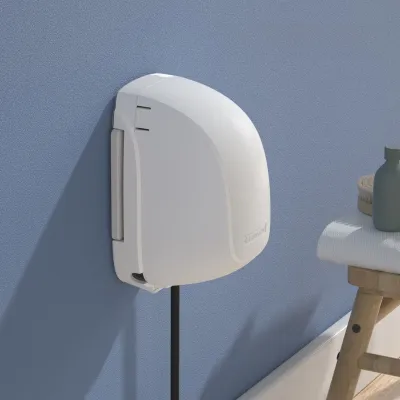
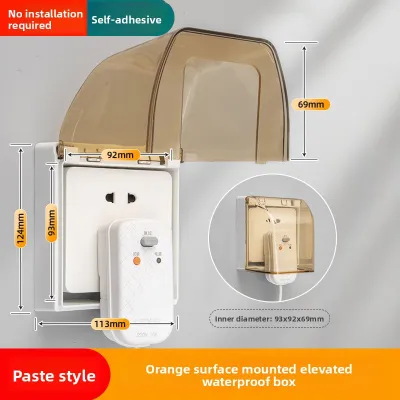
For outlets that must remain constantly in use—such as those powering fans, air conditioning units, televisions, or refrigerators—outlet box covers provide the necessary level of protection. These devices consist of a clear or opaque plastic dome that fits over the entire outlet and any plugged-in cords. The box snaps securely shut, preventing toddlers from pulling plugs out of the wall or tampering with the live connection.
Most outlet box covers feature integrated cord management, allowing the electrical cords to exit through a small, narrow slot at the bottom that is too small for tiny hands to penetrate. While these covers have a larger physical footprint and stick out from the wall, they are indispensable for preventing sudden power disruptions to critical household appliances and protecting children from exposed plug prongs. When selecting an outlet box cover, measure the depth of your largest plugs to ensure the box can close completely and lock securely.
Key Features to Evaluate Before Buying
Not all safety outlet covers are created equal, and selecting the right product requires looking beyond basic aesthetics. Because these devices are designed to withstand physical tampering, you must evaluate their construction, material quality, and design features to ensure they perform reliably under pressure.

Material Strength and Durability
The tropical climate in the Philippines, characterized by high humidity and warm temperatures, can cause low-quality plastics to degrade, become brittle, or turn sticky over time. Look for safety outlet covers made from high-impact, non-toxic plastics such as ABS or heavy-duty polycarbonate. The material must be strong enough to resist cracking if accidentally kicked, bumped by vacuum cleaners, or chewed on by teething toddlers. Avoid thin, flexible plastics that can warp, as warping can compromise the fit and make the cover easier for a child to remove.
Size and Shape Compatibility
Before purchasing any safety covers, take detailed measurements of the electrical outlets in your home. Philippine households commonly feature a mix of duplex outlets and modern rectangular decorative plates. Some safety covers are designed specifically for traditional duplex plates with a central screw, while others are made for seamless rectangular designs. Ensuring a precise, flush fit prevents gaps between the cover and the wall, which could otherwise allow a child to get a fingernail underneath and pry the device loose.
Adult-Friendly Removal vs. Child Resistance
A successful baby-proofing device must be difficult for a child to bypass but manageable for an adult. If a safety cover is exceptionally frustrating to remove, caregivers may eventually stop using it, leaving the outlet exposed. Look for covers that utilize dual-action release mechanisms—such as pressing two distinct buttons simultaneously or applying pressure at a specific angle—which require adult hand span and coordination to operate. Avoid covers that require excessive physical force to remove, as this can lead to sudden jerking motions that might damage the wall outlet or faceplate.
Manufacturer Warnings and Age Recommendations
Always review the manufacturer’s packaging, official listings, or product documentation for specific age recommendations and safety warnings. Some covers are rated only for infants up to a certain age or developmental milestone, after which a child’s strength and cognitive skills may allow them to bypass the mechanism. Verify that the product is intended for residential electrical use and check for any specific installation warnings regarding wet areas, such as kitchens or bathrooms, where moisture resistance is also a factor.
Matching Protection to Your Baby's Developmental Stage
As your child grows, their physical strength, fine motor skills, and curiosity evolve rapidly. A safety strategy that works perfectly for a six-month-old infant may prove entirely inadequate for an active two-year-old toddler. Tailoring your choice of safety outlet covers to your child’s current developmental stage ensures continuous protection.
The Crawling Stage
When infants first begin to crawl, usually between six and ten months of age, their primary interaction with the world is through sight, touch, and taste. At this stage, low-lying outlets are at eye level, making them highly attractive targets. The main goal during this phase is basic insertion prevention and visual deterrence.
Choose safety covers that blend seamlessly with your wall color—typically neutral white, off-white, or beige—to avoid drawing your baby’s attention. Avoid brightly colored or novelty-shaped covers that look like toys, as these can actually encourage infants to crawl toward the outlet. Ensure that any plug-in caps used are exceptionally tight-fitting so that an infant, who is still developing their grip strength, cannot pull them out.
The Toddler Stage
As children transition into the toddler stage, from eleven months to over two years, they develop a pincer grasp, increased finger strength, and a keen interest in mimicking adult behavior. Toddlers watch how you plug in chargers and will attempt to replicate these actions using whatever objects they can find, such as coins, hairpins, or toys.
During this stage, basic plug-in caps are often no longer sufficient, as determined toddlers can use their fingernails or teeth to pry them loose. Upgrade to sliding outlet covers or screw-secured safety plates that cannot be removed without tools. If you must use plug-in caps in temporary locations, ensure they feature advanced anti-pry designs, such as a completely flat surface that requires a specialized key or a dual-button squeeze mechanism to release.
Multi-Child Households
In homes with children of varying ages, baby-proofing becomes more complex. Older siblings may have the cognitive ability and physical strength to remove safety covers but lack the safety awareness to replace them afterward. This leaves younger, crawling siblings exposed to open sockets.
In these environments, automatic sliding outlet covers are highly recommended, as they do not rely on older children remembering to put a cap back in place. For outlets where appliances are regularly used by older children or adults, install outlet box covers that lock securely. This prevents younger children from accessing the plugs while keeping the connection secure from accidental unplugging by older siblings during play.
Installation and Ongoing Safety Checks
Even the highest-quality safety outlet cover cannot protect your child if it is installed incorrectly or allowed to deteriorate. Proper installation and regular maintenance are essential components of an effective home safety strategy.
Pre-Installation Inspection
Before installing any safety device, turn off the power to the outlet at the main circuit breaker and inspect the physical condition of the socket. Check for any signs of damage, such as cracked faceplates, loose screws, scorch marks, or a socket that wiggles when a plug is inserted. The faceplate must sit completely flush against the wall. If there are gaps due to uneven plaster or concrete, or if the outlet box is recessed too deeply, the safety cover may not fit securely, leaving an edge that a child can grip and pull.
Post-Installation Testing
Once the safety cover is installed, perform a series of physical tests to verify its security. For plug-in caps, attempt to pry them out using your fingernails; if you can remove them easily without a tool or significant effort, they are too loose and should be replaced with a tighter-fitting model. For sliding covers, plug in an appliance and then unplug it, observing whether the cover snaps back instantly and completely to block the slots. For outlet box covers, pull on the closed box to ensure the latch holds firm against moderate tugging.
Triggers for Immediate Replacement
Safety outlet covers are subject to wear and tear from daily use and environmental exposure. Establish a routine monthly check of all baby-proofing devices in your home. Immediately replace any cover that shows signs of:
- Visible cracking, chipping, or discoloration in the plastic.
- Weakened springs in sliding covers that prevent the panel from closing fully.
- Loose fits where the cover no longer sits flush against the outlet faceplate.
- Missing parts, keys, or damaged locking latches.
- Difficulty for adults to operate, which might tempt family members to leave the cover off entirely.
When to Consult a Professional
Baby-proofing is generally a straightforward DIY task, but electrical safety should never be compromised. If you discover cracked electrical housing, loose wiring, sparking, or if you feel warmth radiating from an outlet during your inspection, stop immediately. Do not attempt to install a safety cover over a damaged outlet. Consult a qualified professional electrician to repair or replace the underlying electrical fixtures before applying any baby-proofing devices.
Frequently Asked Questions (FAQ)
Are sliding outlet covers safer than traditional plug-in caps?
Sliding outlet covers generally offer a higher level of safety and reliability compared to traditional plug-in caps, particularly as children grow older. Because sliding covers are screwed directly into the outlet box, they cannot be removed by a child, completely eliminating the choking hazard associated with loose plug-in caps. Additionally, their automatic closing mechanism ensures the outlet is protected the moment a plug is removed, removing the risk of human error. Plug-in caps remain a viable, cost-effective option for outlets that are completely hidden behind heavy furniture, but they require strict diligence to ensure they are never left lying within a child’s reach.
How can I safely remove a stuck plug-in cover without damaging the outlet?
If a plug-in cover is tightly fitted or jammed, attempting to pry it out with excessive force or using metal kitchen utensils can damage the outlet faceplate or pose a severe electrical shock hazard. To remove it safely, first turn off the power to that specific outlet at your home’s main circuit breaker. Use the specialized plastic removal key if one was provided by the manufacturer. If a key is not available, use a non-conductive, flat-tipped plastic tool to gently pry around the edges of the cap, distributing the pressure evenly until it slides out. Never insert metal screwdrivers or knives into the outlet slots to force a cover out.

Community discussion
Share your experience or ask a question. Comments are reviewed before publication.