
Choosing the right refrigerator safety lock in the Philippines requires balancing your appliance’s physical design with your toddler’s rapidly developing motor skills and the unique challenges of a tropical climate. High humidity and warm indoor temperatures can significantly impact adhesive performance, making it essential to select a lock that offers both robust physical security and reliable surface adhesion. By evaluating your refrigerator’s door configuration, assessing your child’s problem-solving abilities, and understanding the strengths of different locking mechanisms, you can secure your kitchen effectively and prevent unsupervised access to cold storage.
Assessing Your Refrigerator and Toddler's Needs
Before purchasing any baby-proofing hardware, you must closely examine the physical layout of your kitchen appliances. Refrigerator door styles vary widely, ranging from classic single-door models and top-freezer configurations to modern side-by-side and French door designs. A lock that works perfectly on a flat single door may be completely incompatible with a French door setup, which often requires a mechanism that bridges the gap between two swinging doors or secures them to the outer cabinet walls. Additionally, the presence of protruding handles, recessed grips, or flush-mount doors will dictate whether you need a flexible strap lock, a rigid sliding latch, or an internal magnetic system.
Your child’s developmental stage and physical strength are equally critical factors in this decision. A young toddler who is just beginning to explore might be easily deterred by a simple push-button latch, whereas an older, highly observant child may quickly learn to mimic your hand movements and bypass basic locks. Consider your toddler’s problem-solving skills and grip strength; if they are persistent and highly coordinated, you will need a dual-action lock or a hidden magnetic mechanism that requires a separate key tool to open.
Products mentioned in this guide
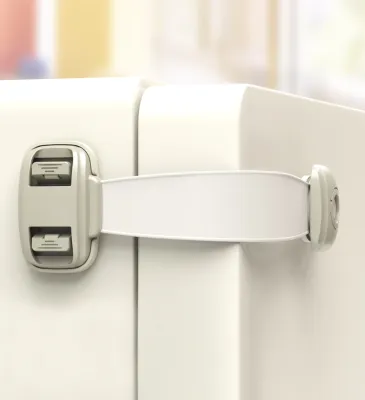
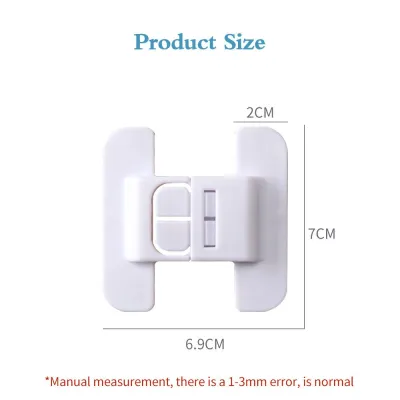
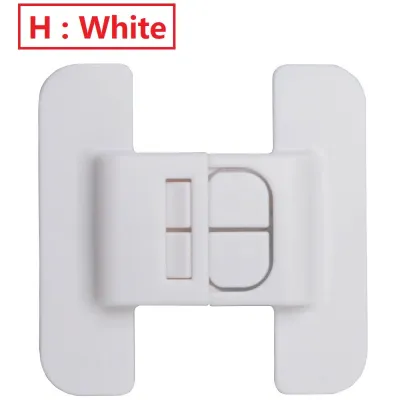
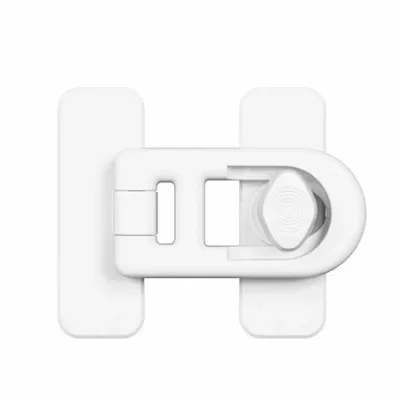
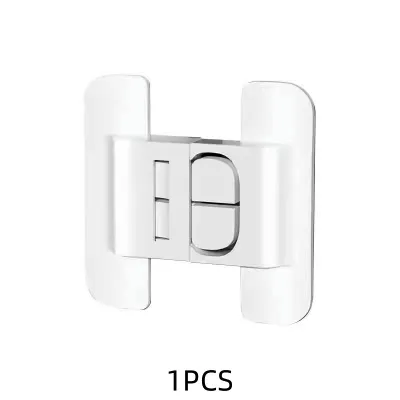
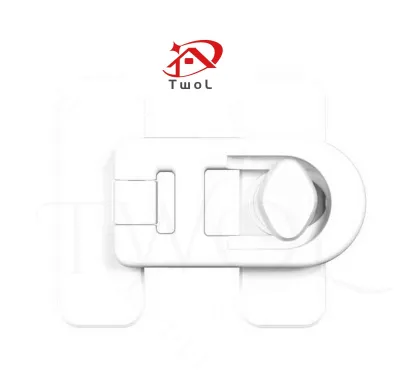
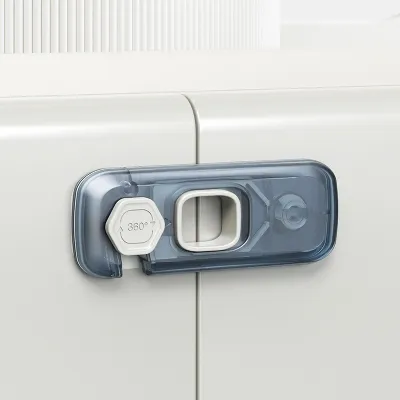
Prices are valid at publication and may change. Please refer to the product page for the latest price.
Finally, your living situation should guide your choice of installation method. Homeowners often have the freedom to use semi-permanent, high-strength adhesives or even screw-mounted hardware if necessary, prioritizing long-term durability over surface preservation. If you are renting a home or condo in the Philippines, however, you must prioritize damage-free removal. In these scenarios, look for locks that utilize high-quality, removable adhesive strips that can be cleanly peeled away with the right techniques, ensuring you do not forfeit your security deposit due to stained or scratched appliance finishes.
Types of Refrigerator Safety Locks and Their Mechanisms
Understanding the distinct categories of refrigerator safety locks allows you to match the right mechanical design to your specific household routine and appliance configuration. Each type of lock operates on a different physical principle, offering unique advantages in terms of installation ease, aesthetic impact, and resistance to toddler tampering.

Adhesive Strap and Latch Locks
Adhesive strap and latch locks are among the most common and versatile baby-proofing solutions available. These devices typically consist of a flexible plastic or nylon strap anchored by two adhesive pads, with a central push-button or slide-release mechanism that allows adults to unlatch the strap when opening the door. Because the strap is flexible, it can easily bend around corners, making it highly suitable for standard single doors, curved edges, and even securing the freezer drawer to the main refrigerator body.
The primary advantage of these locks is their effortless, tool-free installation, which makes them highly accessible for busy parents. They can be mounted on almost any flat or slightly curved surface without drilling. However, the flexible nature of the strap means it is constantly exposed to pulling forces, which can put a strain on the adhesive backing over time. Determined toddlers who repeatedly pull on the door with their full body weight may eventually weaken the adhesive or find a way to squeeze their fingers through the slight gap allowed by a flexible strap.
Magnetic and Key-Based Locks
Magnetic and key-based locks offer a highly secure, low-profile alternative for parents who want to keep their kitchen aesthetics clean while maximizing safety. These systems generally use an internal latch mechanism mounted inside the door frame or a heavy-duty external lock that can only be disengaged by placing a magnetic key against a specific target area on the refrigerator’s exterior. Without the magnetic key, the lock remains firmly engaged, offering no visible buttons or levers for a curious toddler to manipulate.
The main benefit of magnetic locks is their exceptional resistance to toddler problem-solving, as there are no exposed parts for a child to pull, push, or bite. They preserve the clean look of your stainless steel or glass-front refrigerator. The trade-off lies in daily convenience; adults must keep track of the magnetic key, often storing it on a high metal surface like the side of the microwave or a magnetic knife strip. If the key is misplaced, accessing the refrigerator becomes a challenge, and the installation process for internal magnetic latches often requires precise alignment to ensure the lock catches correctly.
Sliding and Rigid Latch Locks
Sliding and rigid latch locks are heavy-duty options designed specifically for double-door configurations, such as side-by-side refrigerators or French door models. These locks typically feature a rigid plastic U-shaped bar or a sliding clamp that fits over the existing door handles, physically preventing the doors from swinging outward. To open the refrigerator, an adult must press a release button and slide the clamp off the handles.
These locks are incredibly durable and highly resistant to physical force, as they rely on the structural strength of the refrigerator’s own handles rather than adhesive backing. Because they do not require adhesives on the main door panels, they eliminate the risk of leaving sticky residue or damaging delicate finishes. However, their compatibility is strictly limited by the shape, thickness, and distance between your refrigerator handles. They are also bulkier in appearance and require two hands to remove and reinstall during daily kitchen tasks, which can be inconvenient when carrying groceries or preparing meals.
Critical Selection Criteria for Baby-Proofing Locks
When selecting a refrigerator safety lock, you must evaluate several critical criteria to ensure the product is safe, durable, and practical for long-term use in your home.
First, examine the material durability of the lock. Because these devices are installed in food preparation areas and are within reach of curious children, they should be made from high-quality, BPA-free, and non-toxic plastics. The plastic must be shatter-resistant to prevent it from cracking under sudden impacts or heavy pulling, which could create sharp edges or small, breakable pieces that pose a safety hazard.
Second, pay close attention to adhesive quality, especially in the warm and humid climate of the Philippines. Standard adhesives can soften and lose their grip when exposed to ambient moisture and kitchen heat. Look for locks that utilize heavy-duty, temperature-resistant acrylic adhesive pads. The adhesive must be strong enough to withstand consistent pulling forces but formulated to release cleanly when proper removal techniques are applied.
Third, consider the ease of adult use. A baby-proofing lock should keep your child out while allowing you to access your food without frustration. Look for designs that feature a one-handed release mechanism, enabling you to open the refrigerator easily while holding a baby, a cooking utensil, or a plate. The mechanism should operate smoothly and quietly, preventing loud clicking sounds that might wake a sleeping infant during late-night kitchen visits.
Finally, prioritize choking hazard prevention. Inspect the lock design to ensure there are no small detachable parts, weak hinges, or easily breakable components. If a lock uses a physical key or a small magnetic fob, ensure it is stored safely out of reach and that the lock itself does not have any loose buttons that a toddler could pry off and swallow.
Checking Appliance Compatibility and Surface Requirements
Before finalizing your purchase, it is essential to measure your refrigerator and inspect its surface materials to ensure a secure and functional fit.
Start by measuring the door gaps, handle clearances, and hinge spaces. If you are opting for a rigid sliding lock, measure the distance between your refrigerator handles and compare it to the lock’s specifications to ensure it can slide on and off smoothly. For strap locks, verify that there is sufficient flat surface area on both the door and the side cabinet to mount the adhesive pads securely without overlapping gaskets, trim, or ventilation grates.
Next, identify the surface material of your refrigerator. Modern appliances feature various finishes, including smooth stainless steel, textured plastic, matte painted metal, and tempered glass. Adhesives bond differently to each material; smooth, non-porous surfaces like glass and polished metal generally provide excellent adhesion, while textured or matte finishes may require specialized prep or stronger adhesive pads to achieve a reliable bond.
Take note of any curved edges, recessed handles, or uneven panels on your appliance. A flat-mount adhesive lock requires a completely flat surface to seal correctly; attempting to mount a rigid adhesive pad over a curved corner will result in partial contact, leading to premature adhesive failure. If your refrigerator has recessed handles along the top or sides, a flexible strap lock that can wrap around the corner is often the most reliable choice.
Lastly, exercise caution when planning to apply strong adhesives to fragile or easily damaged finishes. Some older appliances, custom-painted units, or refrigerators with delicate vinyl wraps can suffer surface damage if a high-strength adhesive is applied and later removed. Always check the manufacturer’s guidelines for your specific appliance finish before applying any permanent or semi-permanent adhesive products.
Installation, Removal, and Surface Protection
Proper installation and removal techniques are vital to maximizing the lifespan of your refrigerator lock and protecting your appliance’s exterior finish.
To begin the installation, thoroughly clean the application area to remove all grease, dust, and kitchen residue. Use a clean microfiber cloth dampened with rubbing alcohol or a mild, non-abrasive soap solution, and allow the surface to dry completely. Any remaining moisture or oily film will prevent the adhesive from forming a strong molecular bond with the refrigerator surface.
Once the surface is clean and dry, carefully position the lock and press the adhesive pads firmly against the appliance for at least thirty seconds. Crucially, you must allow the adhesive to cure for the manufacturer’s recommended time—typically 24 hours—before subjecting the lock to any pulling forces or testing its strength. Operating the lock too early is the primary cause of premature adhesive failure.
When it is time to remove the lock, avoid prying it off with sharp metal tools, which can scratch the stainless steel or chip the paint. Instead, use a hair dryer on a low-heat setting to gently warm the adhesive pad, softening the glue. Once warmed, slide a piece of dental floss or high-strength fishing line behind the pad and use a sawing motion to slice through the softened adhesive, separating the lock from the appliance safely.
To clean up any remaining sticky residue, apply a small amount of an appliance-safe adhesive remover, mineral oil, or eucalyptus oil to a soft cloth. Gently rub the residue until it dissolves, then wipe the area clean with a damp soapy cloth and dry it thoroughly to restore your refrigerator’s original shine.
Where to Shop and Pre-Purchase Verification Checklist
When shopping for refrigerator safety locks in the Philippines, sourcing your products from reputable channels is key to ensuring you receive genuine, high-quality safety gear.
Look for established online marketplaces, official brand stores, or local baby specialty retailers that specialize in child safety products. Purchasing from official stores or authorized distributors reduces the risk of buying counterfeit items made from brittle, low-grade plastics or equipped with substandard adhesives that fail quickly under tropical conditions.
Before making a purchase, carefully review seller ratings and read recent buyer feedback. Pay close attention to reviews from local buyers who mention how the adhesive holds up in humid Philippine weather, whether the plastic becomes brittle over time, and if their toddlers were able to bypass the locking mechanism. This real-world feedback is invaluable for assessing the lock’s actual performance.
Upon receiving your package, conduct a thorough inspection before starting the installation. Verify that all components, including adhesive pads, keys, and mounting hardware, are present and undamaged. Check that the adhesive pads are fresh and have not dried out or lost their stickiness due to improper storage.
Finally, check the packaging for clear, detailed installation instructions and the manufacturer’s contact information. Having access to customer support or a clear warranty policy provides peace of mind in case you receive a defective unit or need replacement adhesive pads in the future.
Frequently Asked Questions (FAQ)
Can I use a refrigerator safety lock on a stainless steel fridge without leaving marks?
Yes, you can use adhesive safety locks on stainless steel, but you must take precautions to prevent surface marking. High-quality acrylic adhesives are generally safe for modern stainless steel finishes, but they can leave a stubborn residue that attracts dust if not cleaned properly upon removal. To minimize risks, always test a small, inconspicuous area of the fridge first to ensure the adhesive does not react with any protective anti-fingerprint coatings. Alternatively, consider using handle-specific sliding locks that do not require any adhesive contact with the metal panels.
What should I do if my toddler figures out how to open the lock?
If your toddler outsmarts their current refrigerator lock, it is time to upgrade to a more complex mechanism. Transition from simple push-button strap locks to magnetic systems or dual-action locks that require two distinct, simultaneous movements to release. If the appliance layout allows, you can also relocate the lock to a higher position that is physically out of your child’s reach. Additionally, combine physical barriers with behavioral redirection, and ensure that highly attractive items, like colorful juices or sweet treats, are stored out of their direct line of sight.
Are there baby-proofing alternatives if adhesive locks keep failing on my fridge?
If adhesives consistently fail due to textured surfaces or high humidity, look for mechanical alternatives that do not rely on glue. Handle-to-handle sliding locks or clamp-style locks are excellent options if your refrigerator has suitable physical handles. If your appliance lacks handles and has a textured surface, you can consult the manufacturer for approved baby-proofing accessories. Inside the refrigerator, you can also use child-resistant storage containers or internal latching bins to secure specific items even if the main door remains unlocked.

Community discussion
Share your experience or ask a question. Comments are reviewed before publication.