
Finding a comfortable sleeping position during pregnancy can be a significant challenge, especially as your body undergoes rapid changes. A dedicated pregnant pillow can make a substantial difference in your sleep quality by providing targeted support to your growing belly, lower back, hips, and knees. The ideal pillow for you depends heavily on your preferred sleeping position, your bed size, and how much heat the pillow retains in a tropical climate. By understanding how different shapes align with your sleep style, you can make an informed choice that supports rest and recovery throughout your pregnancy journey.
Quick Answer: Matching Pillow Shapes to Your Sleep Style
Choosing the right pregnant pillow depends largely on how you naturally sleep and where you feel the most tension. Side sleepers generally benefit most from C-shaped or full-length pillows, which cradle the head, support the belly, and align the hips when placed between the knees. Back and combination sleepers often find U-shaped pillows highly effective, as they provide symmetrical support on both sides and prevent rolling over during the night. For those with limited bed space or who only need targeted support, compact wedge pillows offer a highly portable and adjustable solution. Because individual comfort varies, it is always best to check manufacturer guidelines for specific usage instructions and safety recommendations.
Common Pregnancy Pillow Shapes and Their Support Zones
Pregnancy pillows come in several distinct shapes, each engineered to target specific pressure points and support zones. Understanding these structural differences is the first step in finding a cushion that matches your body’s needs.
Products mentioned in this guide
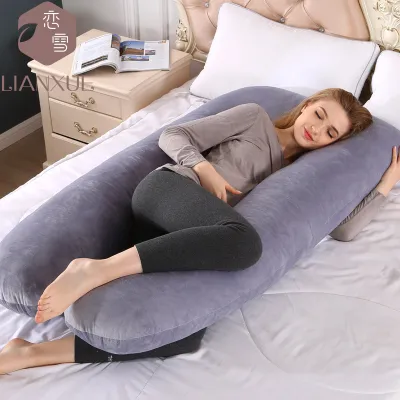

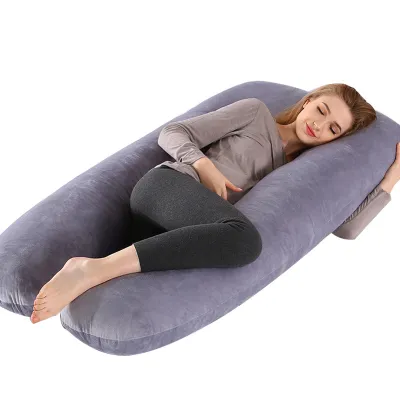
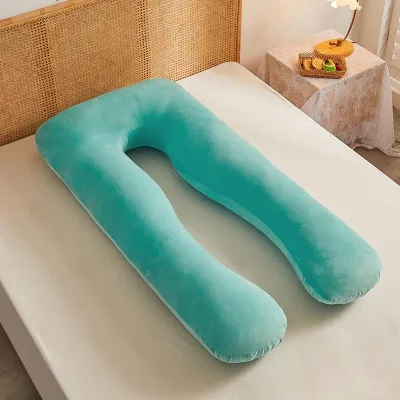
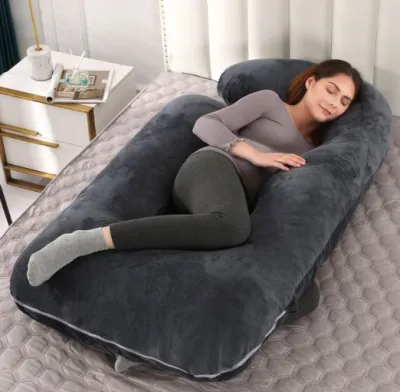
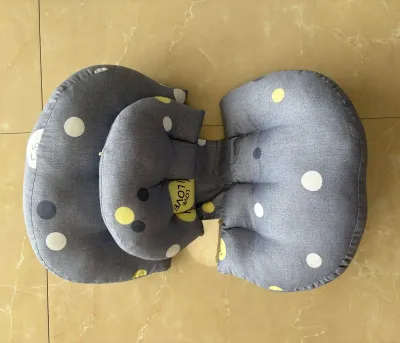
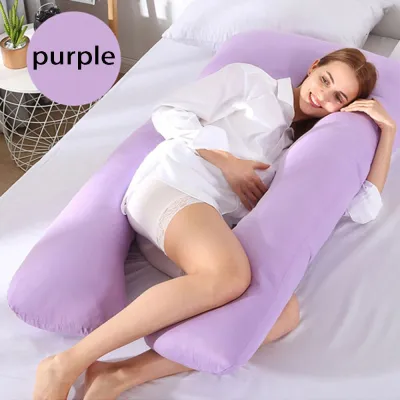
Prices are valid at publication and may change. Please refer to the product page for the latest price.

U-shaped pillows are symmetrical and offer full-body coverage on both sides. They support your head, neck, back, belly, and knees simultaneously. Because they wrap around your entire body, they are excellent for preventing you from rolling onto your back. However, these pillows require a significant amount of physical space. If you share a standard double or queen-sized bed, a large U-shaped pillow can easily crowd the mattress, so it is essential to measure your bed space before purchasing.
C-shaped pillows are designed to wrap around your body in a single curve. The top portion supports your head and neck, the middle section cradles your belly or back, and the bottom curve tucks between your knees to align your hips. While highly supportive, a C-shaped pillow can be cumbersome if you frequently switch sides during the night, as you must turn the entire pillow with you.
J-shaped and straight full-length pillows offer a more streamlined alternative. A J-shaped pillow provides head and neck support on one end and curves between your knees on the other, leaving one side of your body open. Straight full-length pillows, often referred to as standard body pillows, provide a simple, straight cushion to hug and place between your knees, though they lack the specialized contours of maternity-specific designs.
Wedge pillows are compact, triangular, or sloped cushions designed for targeted placement. They can be slipped under your belly to prevent pulling, placed behind your lower back to prevent rolling, or used to elevate your upper body to help relieve heartburn. Because of their small size, they are highly portable and do not take up much space in bed.
Choosing the Right Pillow for Side Sleepers
Side sleeping, particularly on the left side, is widely recommended during pregnancy because it helps optimize blood flow and kidney function. However, maintaining this position for hours can place immense strain on your hips, pelvis, and lower back as your belly grows.
A C-shaped or full-length pregnant pillow helps by filling the gap between your knees and ankles, which aligns your hips and reduces pelvic pressure. At the same time, the middle section of the pillow cradles your belly, preventing it from pulling forward and straining your lower back muscles. This dual support helps maintain proper spinal alignment throughout the night.
Your mattress firmness plays a crucial role in choosing the right pillow thickness. If you sleep on a very firm mattress, which is common in many local homes, you may need a thicker, loftier pillow to bridge the gap between your head, knees, and the bed. Conversely, a softer mattress allows your body to sink in more, meaning a slightly thinner pillow might be more comfortable to prevent overextending your neck or hips.
When browsing product descriptions, look for the total length of the pillow. Ensure it is long enough to support both your head and your knees simultaneously. If you are taller, a standard-sized C-shape might feel too short, forcing you to choose between head support or knee alignment. Checking these dimensions beforehand ensures you select a model that fits your height.
Choosing the Right Pillow for Back and Combination Sleepers
Sleeping flat on your back during the later stages of pregnancy can become uncomfortable and is often discouraged due to the weight of the growing uterus pressing on major blood vessels. Transitioning to side sleeping is a common goal, but it can be difficult for lifelong back sleepers.
For those who naturally sleep on their back, a U-shaped pillow is highly effective. The back portion of the “U” acts as a physical barrier that gently prevents you from rolling onto your back, while the front portion supports your belly and knees. This allows you to rest comfortably on your side without constantly worrying about shifting positions in your sleep.
Combination sleepers—those who toss and turn throughout the night—also benefit from U-shaped pillows because they do not have to drag a heavy pillow across the bed when they switch sides. You simply turn within the center of the “U” and find identical support on either side. This minimizes sleep disruptions and helps you find a comfortable position quickly.
If a large U-shaped pillow is too bulky or hot for your sleeping arrangements, a wedge pillow is an excellent, adjustable alternative. You can place a wedge firmly behind your lower back to keep you tilted at a safe, comfortable angle, preventing you from rolling completely flat onto your back. This offers a lightweight solution that does not restrict your movement.
Always consult your healthcare provider or OB-GYN regarding safe sleeping positions and the use of sleep aids as your pregnancy progresses, especially if you experience persistent discomfort or circulation issues.
Material, Cover, and Safety Features to Verify
The climate in the Philippines is characterized by high temperatures and humidity, making the material of your pregnant pillow a critical factor for comfort. Choosing the wrong fill or fabric can lead to overheating and restless nights.
Polyester fiberfill is the most common and affordable filling. It is lightweight and offers decent support, but low-quality fiberfill can clump over time or trap body heat. If you choose fiberfill, look for high-density options that maintain their loft after repeated use.
Memory foam (either solid or shredded) provides excellent contouring and pressure relief. However, solid memory foam is notorious for retaining heat, which can lead to uncomfortable, sweaty nights. If you prefer memory foam, look for shredded memory foam or gel-infused options designed to promote airflow and keep you cooler.
Microbeads offer a highly fluid, moldable feel, allowing the pillow to conform easily to your body shape. They tend to sleep cooler than memory foam, but they may lose their volume over time and require refilling.
The pillow cover is just as important as the fill. Look for removable, machine-washable covers made from breathable, natural fabrics like 100% cotton, bamboo, or linen. These fabrics help wick away moisture and are much cooler against the skin than synthetic polyester covers, which can trap heat and sweat.
Safety is paramount when choosing maternity products. Since you will be spending hours in close contact with the pillow, verify that the manufacturer claims standard safety certifications (such as OEKO-TEX or CertiPUR-US) to ensure the materials are free from harmful chemicals. Avoid pillows that arrive with a strong, chemical odor; if a new pillow has a slight scent, allow it to air out completely in a well-ventilated room before use.
Shopping Guide: Where to Buy and What to Check in the Philippines
When looking for a pregnant pillow in the local market, you have several options ranging from physical maternity boutiques to online marketplaces. Each channel offers distinct advantages depending on your shopping preferences.
Physical stores, such as specialized baby boutiques in major shopping malls, allow you to feel the fabric, test the firmness, and visualize the actual size of the pillow. This is highly beneficial because photos online can often make pillows look loftier or larger than they actually are.
Online marketplaces offer a much wider selection of shapes, colors, and price points. When shopping online, it is crucial to read authentic user reviews, pay close attention to customer photos, and check the seller’s rating. Look for feedback specifically mentioning how well the pillow holds its shape after several weeks of use.
Be sure to verify the return policy, especially for bulky items. Shipping a large, vacuum-sealed pillow back to a seller can be expensive and inconvenient if it does not meet your expectations.
In terms of pricing, basic wedge pillows in the local market typically range from ₱300 to ₱800. Standard full-length or J-shaped pillows generally cost between ₱800 and ₱1,800, while high-quality, large U-shaped or C-shaped pillows with premium cotton covers can range from ₱1,500 to ₱3,500 or more. Keep in mind that larger pillows may incur higher shipping fees due to their volumetric weight, even when vacuum-packed.
Frequently Asked Questions (FAQ)
Can I use a regular body pillow instead of a specific pregnancy pillow?
Yes, a regular body pillow can provide basic support, especially during the early stages of pregnancy. However, standard body pillows are typically straight and lack the specialized contours designed to support both your belly and your back simultaneously. A dedicated pregnant pillow is engineered to relieve pressure on specific areas like the pelvis and lower back while keeping your spine aligned. If you only need simple knee support, a regular body pillow may suffice, but if you require comprehensive, multi-zone support, a specialized maternity pillow is generally more effective.
When is the best time to start using a pregnancy pillow?
There is no single correct time to start using a pregnant pillow, as every pregnancy is different. Many women find they need extra support around the start of the second trimester (around 13 to 16 weeks), when the belly begins to grow and sleeping on the stomach becomes uncomfortable. Others may wait until the third trimester when backaches and hip pain become more pronounced. It is best to introduce the pillow as soon as you begin experiencing sleep disruptions or physical discomfort. Always follow your healthcare provider’s personalized guidance regarding sleep positions and comfort measures.
How do I clean and maintain a large pregnancy pillow?
Proper maintenance is essential to keep your pillow hygienic and free from allergens. Always check the manufacturer’s care label before attempting to clean any part of the pillow. Most high-quality pregnancy pillows come with a removable cover that can be machine-washed on a gentle cycle with mild detergent. For the inner core, spot-cleaning with a damp cloth and mild soap is usually recommended, as submerging the entire inner pillow can ruin the fill or lead to mold growth if not dried completely. If the manufacturer allows machine-washing the entire pillow, ensure it is dried thoroughly on a low-heat setting or air-dried in a well-ventilated, sunny area to prevent moisture retention.

Community discussion
Share your experience or ask a question. Comments are reviewed before publication.