
Finding comfortable sleep when you are expecting can feel like an ongoing challenge, especially as your body undergoes rapid changes. The right pregnancy pillow for a preggy mommy depends on your primary sleeping position and your current trimester. Side sleepers in their second or third trimesters generally benefit from full-body U-shaped or C-shaped pillows that support the back, hips, and belly simultaneously. If you are in your first trimester or have limited bed space, a compact wedge pillow might be all you need to support your growing bump or lower back. By matching the pillow’s shape to your specific physical needs and your bedroom’s environment, you can secure the restful sleep necessary for a healthy pregnancy.
Understanding Your Changing Sleep Needs During Pregnancy
During the first trimester, physical changes are largely hormonal, often bringing intense fatigue, nausea, and frequent trips to the bathroom. While your belly has not yet grown significantly, you might already experience breast tenderness or mild pelvic discomfort that makes your usual sleeping positions uncomfortable. This is the ideal time to start training yourself to sleep on your side, as stomach sleeping will soon become physically impossible and back sleeping will become less advisable.
As you enter the second trimester, your baby bump becomes more prominent, shifting your center of gravity and stretching your abdominal muscles. This growth often leads to round ligament pain and lower back strain. During this phase, sleeping on your side—particularly your left side—is highly recommended by healthcare providers because it optimizes blood flow to the placenta and kidneys. However, side sleeping without proper support can cause your upper leg to slide forward, twisting your pelvis and straining your lower spine.
Products mentioned in this guide




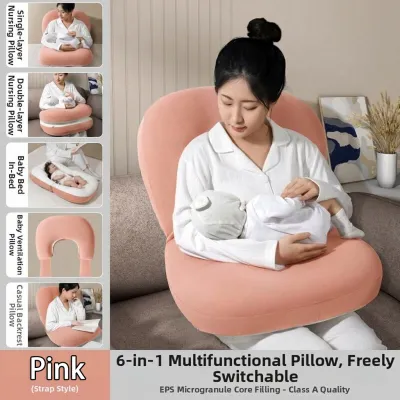
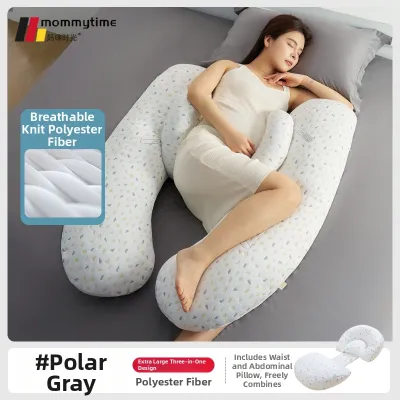
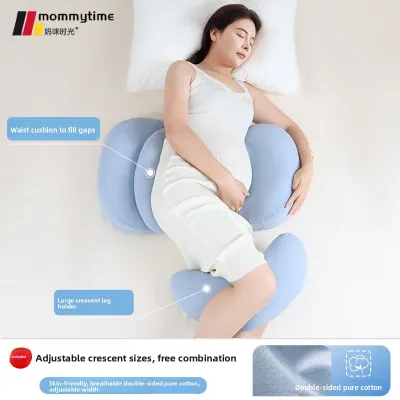

Prices are valid at publication and may change. Please refer to the product page for the latest price.
By the third trimester, the physical demands of pregnancy reach their peak. The sheer weight of the baby bump can cause significant pelvic girdle pain, hip soreness, and shortness of breath. Back sleeping during this late stage is discouraged because the heavy uterus can compress the vena cava, a major blood vessel, potentially restricting blood flow to both you and your baby. Finding a stable, supportive side-sleeping position becomes essential for managing discomfort and ensuring safety.
Recognizing the physical signals that indicate you need a dedicated pregnancy pillow can save you from weeks of poor sleep. If you find yourself waking up with a dull ache in your lower back, sore hips, or a stiff neck, your body is telling you that your joints lack proper alignment. Tossing and turning throughout the night, or constantly waking up to readjust a mountain of standard household pillows, are clear signs that a specialized, contoured support system is needed.
Matching Pillow Shapes to Your Sleep Position and Trimester
Pregnancy pillows come in several distinct shapes, each designed to address specific physical needs, sleep postures, and space limitations. Choosing the right shape requires balancing your personal comfort requirements with the practical realities of your sleeping environment.

Wedge Pillows
Pregnancy wedge pillows are compact, portable, and typically made of firm foam. These sloped cushions are designed for targeted support rather than full-body coverage. You can slide a wedge pillow under your growing belly to prevent it from pulling on your lower back muscles while side sleeping, or place it behind your back to keep you from rolling onto your spine during the night.
Because of their small footprint, wedge pillows are excellent for early-to-mid pregnancy when you only need localized support. They are also highly practical if you share a smaller mattress, such as a standard double bed, with a partner. In warm, tropical climates, the minimal design of a wedge pillow is a major advantage, as it does not wrap around your body or trap excess heat, allowing for maximum airflow and a cooler sleep.
C-Shape and J-Shape Pillows
C-shape and J-shape pillows offer unilateral, head-to-toe support. A C-shaped pillow is designed to wrap around your body, with the top curve supporting your head and neck, the long middle section cushioning your back or belly, and the bottom curve tucking between your knees to align your hips. This shape is highly beneficial for side sleepers who prefer a cozy, nestled sensation and want to address multiple pressure points with a single pillow.
J-shaped pillows offer a similar experience but with a slightly more streamlined profile. They feature a curved top for your head and a long straight section that runs down either your front or back, ending with a slight hook. These pillows are ideal if you want the head and knee support of a full-body pillow but prefer to keep one side of your body open to the air, which can help prevent overheating during humid nights.
U-Shape and Full-Body Pillows
U-shape pillows provide symmetrical, comprehensive support on both sides of your body. These large pillows feature two long legs connected by a curved top section for your head. When you lie in the center of a U-shape pillow, your back is supported on one side while your belly and knees are cushioned on the other.
This design is particularly useful for late-pregnancy side sleepers who frequently toss and turn. Because the pillow is symmetrical, you can easily flip from your left side to your right side during the night without having to drag or readjust a heavy pillow with you. It provides a secure barrier that prevents you from rolling onto your back while you sleep, offering peace of mind and consistent spinal alignment.
However, these full-body options come with notable trade-offs. They have a massive footprint and can easily take up more than half of a queen or king-sized mattress, leaving very little room for a partner. Additionally, the sheer volume of material can restrict airflow around your body. If you live in a warm region, using a large U-shape pillow may require running air conditioning throughout the night or investing in highly breathable bedding to stay comfortable.
Key Features to Check Before Buying a Pregnancy Pillow
Before purchasing a pregnancy pillow from an online marketplace, it is important to evaluate the product specifications to ensure it meets your comfort, hygiene, and safety needs.
First, consider the fill material, which directly affects the pillow’s firmness, support retention, and heat management. Polyester fiberfill is a common, budget-friendly option that is lightweight and moderately supportive, though it can clump over time and may require regular fluffing. Memory foam, whether solid or shredded, offers excellent pressure relief and contours closely to your body, but it tends to retain heat, which can be uncomfortable in warm weather. Microbeads provide a fluid, beanbag-like feel that easily conforms to your shape and allows for decent airflow, but they can lose their volume and firmness after several months of continuous use.
Second, examine the cover fabric properties. Because pregnancy can increase your basal body temperature and cause night sweats, look for covers made from breathable, moisture-wicking materials such as 100% cotton, bamboo-derived rayon, or linen. Ensure the cover is fully removable and features a durable zipper, as you will need to wash it frequently to maintain hygiene. Hypoallergenic fabrics are also highly recommended to prevent skin irritation or respiratory discomfort during sleep.
Third, verify the overall dimensions and weight of the pillow. Measure your mattress beforehand to ensure the pillow will fit comfortably alongside your partner. A pillow that is too heavy or bulky can be difficult to maneuver in bed, especially during the third trimester when your mobility is naturally reduced. It can also make laundering a challenge if the cover is difficult to remove or if the inner pillow itself requires specialized cleaning.
Finally, always check the manufacturer’s care labels, safety warnings, and return policies before finalizing your purchase. Because comfort is highly subjective, having the option to return or exchange the pillow if it does not suit your body shape or mattress size is a valuable safeguard.
How to Use and Adjust Your Pregnancy Pillow for Maximum Comfort
Using a pregnancy pillow correctly is key to relieving pressure on your joints and muscles. For standard side sleeping, place the head portion of the pillow under your head at a height that keeps your neck aligned with your spine. Pull the long section of the pillow close to your chest and slide the lower portion between your knees and ankles. Elevating your upper leg in this manner keeps your pelvis level, preventing the twisting motion that causes lower back and hip pain.
If you are using a wedge pillow, slide the sloped edge gently under your belly while lying on your side to lift the weight of your bump off your mattress. Alternatively, wedge the pillow firmly against your lower back to provide a supportive physical barrier that prevents you from rolling onto your spine while you sleep.
For specific discomforts like acid reflux or heartburn, which are common in the third trimester, you can use the pillow to prop up your head and upper torso, keeping your esophagus elevated above your stomach. If you experience severe pelvic girdle pain, ensure the pillow section between your knees is thick enough to keep your knees hip-width apart, reducing strain on your pubic symphysis. Always consult your obstetrician or a physical therapist if you experience persistent or severe pain.
Pregnancy pillows can also serve practical purposes beyond gestation. During postpartum recovery, a C-shaped or U-shaped pillow can be wrapped around your waist to support your arms and prop up your baby during breastfeeding or bottle-feeding, reducing strain on your shoulders and neck. It can also serve as a supportive backrest when you are sitting up in bed to read or rest.
However, you should stop using or readjust your pillow immediately if you experience new physical symptoms. If you wake up with numbness, tingling in your limbs, restricted circulation, or localized pain, the pillow may be too firm, too thick, or forcing your body into an unnatural alignment. Always prioritize your comfort and physical safety over a specific pillow configuration.
Frequently Asked Questions (FAQ)
Can I use a regular body pillow instead of a specific pregnancy pillow?
While a standard rectangular body pillow can provide some comfort by allowing you to rest your upper leg on it, it lacks the specialized ergonomic contours of a dedicated pregnancy pillow. Standard body pillows are straight and uniform, meaning they cannot simultaneously support your head, slide under your growing belly, and cushion your back without shifting out of place. Specialized pregnancy pillows are engineered with specific curves, cutouts, and tapers designed to cradle a pregnant body’s unique shape, reducing the need to constantly adjust your bedding throughout the night.
Is it safe to sleep on my back with a pregnancy pillow?
Using a pregnancy pillow does not make flat back sleeping safe during the second and third trimesters. Standard medical guidelines advise pregnant individuals to avoid sleeping flat on their backs because the weight of the growing uterus can compress the inferior vena cava, potentially reducing blood flow to the heart and the placenta. While a pregnancy pillow can be positioned behind your back to keep you tilted at a safe, comfortable angle on your side, it cannot override these physiological restrictions. If you find yourself rolling onto your back, adjust the pillow to create a firmer barrier, and always consult your healthcare provider for personalized guidance on safe sleep positions.
How do I clean and maintain a full-body pregnancy pillow?
To maintain hygiene and preserve the integrity of your pregnancy pillow, always verify the washing instructions on the manufacturer’s care tags. Most pregnancy pillows feature a removable outer cover that can be machine-washed on a gentle cycle with mild detergent. The inner fill, however, often requires different care; while some polyester fiberfill pillows can be machine-washed, memory foam and microbead fills usually require spot cleaning only. In humid tropical environments, ensure the cover and the inner pillow are completely dry before reassembling them, as any trapped moisture can quickly lead to mold, mildew, and unpleasant odors.

Community discussion
Share your experience or ask a question. Comments are reviewed before publication.