
Choosing the right powdered milk for your toddler involves matching the product’s nutritional profile to your child’s specific dietary gaps, physical growth, and digestive comfort. During the transition from infancy to early childhood, toddlers often experience changes in appetite, making targeted nutritional support highly beneficial. By focusing on the standardized Nutrition Facts panel rather than front-of-pack marketing, you can make an informed, evidence-based choice that supports your child’s development. This guide will help you understand your toddler’s nutritional needs, compare local options in the Philippines, and safely introduce a new powdered milk.
Recognizing Your Toddler's Nutritional Gaps and Health Signals
Between the ages of one and three, toddlers undergo a natural slowdown in physical growth compared to infancy. This developmental shift often manifests as picky eating or a sudden refusal of previously enjoyed foods. When a child consistently rejects major food groups like vegetables or iron-rich proteins, they may begin to develop micronutrient gaps. Recognizing these dietary patterns early allows you to address potential deficiencies before they affect your child’s energy and overall growth.
Track physical development using standard pediatric growth charts, such as the World Health Organization (WHO) standards utilized by pediatricians in the Philippines. These charts serve as an objective tool to monitor weight-for-age and height-for-age percentiles over time. While minor fluctuations are normal, a consistent downward trend or a sudden drop across major percentile lines is a clear signal that requires professional evaluation. Rather than attempting to self-diagnose, use these charts to track progress and guide discussions during regular checkups.
Products mentioned in this guide
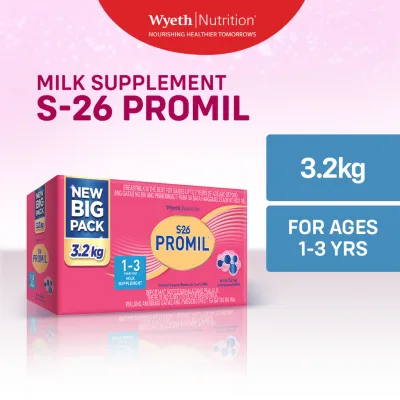

Prices are valid at publication and may change. Please refer to the product page for the latest price.
Daily digestive and immune patterns also provide clues about nutritional compatibility. Frequent constipation, loose stools, or bloating can indicate their digestive system struggles to process certain ingredients or lacks prebiotic support. Similarly, if your child seems to catch minor colds more frequently than expected, their immune system may benefit from targeted nutritional support.
It is vital to establish that these physical signals are meant for parental tracking, not for self-diagnosis. A change in digestive habits or a temporary plateau on a growth chart should always be evaluated by a healthcare professional. Only a qualified pediatrician can accurately determine if a symptom points to a medical concern or if it is simply a normal, temporary phase of toddlerhood.
Matching Formula Characteristics to Specific Nutritional Needs
Once you identify your toddler’s specific developmental needs, you can match them to the nutritional profiles on powdered milk labels. For picky eating or physical growth support, the Nutrition Facts panel is your primary resource. Look for products with adequate caloric density and high-quality protein to support muscle and tissue development. Pay attention to daily values for Iron and Zinc, as these micronutrients are critical for cognitive function and immune strength, yet are frequently lacking in toddlers who avoid solid proteins like meat. Essential B-vitamins, such as B12 and Folic Acid, are also crucial to look for, as they support daily energy metabolism.

For toddlers who experience frequent digestive discomfort, the ingredient list on the back of the tin is highly important. Look for prebiotics, such as FOS and GOS, which feed beneficial gut bacteria and help promote softer, more regular stools. Some formulas also include active probiotics, which are live beneficial microorganisms that support gut health. If your child has persistent digestive issues, you may see partially hydrolyzed proteins listed on specialized labels, where the milk proteins are already broken down into smaller pieces for easier digestion. However, specialized comfort formulas containing these proteins should only be introduced under direct medical guidance.
To support your toddler’s rapid cognitive development, look for key structural lipids on the label. DHA and ARA serve as essential building blocks for brain and retinal development. Choline and nucleotides are also commonly added to support cellular communication and immune system strength. While these ingredients are highly beneficial, avoid products that make absolute claims about guaranteed cognitive or physical enhancement, as brain development relies on a complex mix of genetics, environment, and overall nutrition.
When choosing a powdered milk, always prioritize reading the standardized Nutrition Facts panel over front-of-pack marketing claims. Front labels often feature eye-catching buzzwords and trademarked nutrient blends designed to attract attention. The standardized panel on the back or side of the packaging is where you will find the actual, regulated measurements of each nutrient per serving or per 100g.
How to Compare Toddler Milk Labels and Options in the Philippines
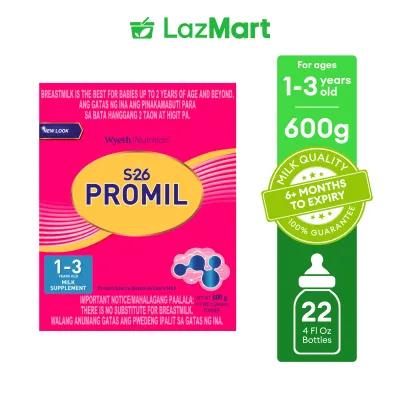
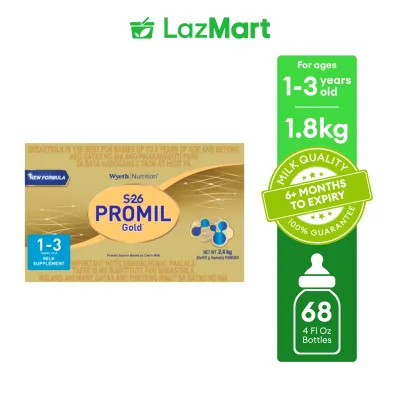
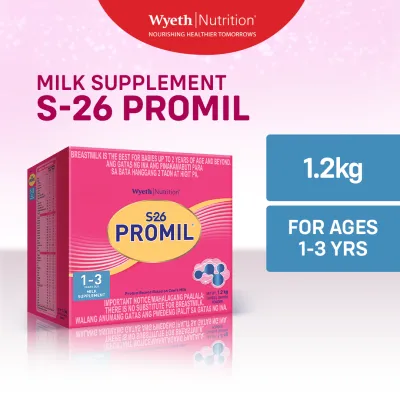
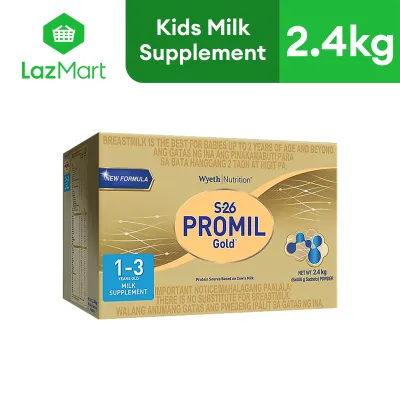
Navigating powdered milk options in the Philippines can be challenging, as manufacturers offer multiple lines with subtle differences. Brands like Promil, Nido, NAN, and Enfagrow dominate the local market, each featuring various sub-lines and suffixes such as “Gold,” “Kid,” “Four,” or “Optipro.” For example, when looking at a product like promil 1 to 3 years old, you will find that the standard version focuses on essential macronutrients and daily vitamins, while premium variants like “Gold” often feature higher concentrations of specialized ingredients like DHA, lutein, or specific prebiotic blends. Always verify the age-appropriateness on the tin, ensuring it is specifically formulated for the 1 to 3 years age bracket (often designated as Stage 3), as the nutrient ratios are tailored to this specific developmental window.
To make an accurate comparison between different brands, you must standardize how you read the nutritional values. Comparing the nutrient amounts per serving can be highly misleading because different brands recommend different scoop sizes and water volumes for a single serving. Instead, locate the column on the Nutrition Facts panel that lists the nutrient values “per 100g of powder.” This standardized baseline allows you to compare the actual concentration of iron, calcium, DHA, and other vitamins across different brands directly, ensuring you get a clear picture of which product offers the best nutritional density for your child’s needs.
Sourcing your toddler’s powdered milk safely is critical to protecting their health, especially given the presence of counterfeit products in the local market. Always purchase powdered milk from official brand flagship stores on online marketplaces, authorized supermarkets, or reputable nationwide drugstores. When buying, carefully inspect the physical packaging: the safety seal must be completely intact, the tin should have no dents, and the expiration date must be clearly legible.
Given the tropical climate and high humidity in the Philippines, proper storage of powdered milk is essential to prevent spoilage and clumping. Once a tin is opened, store it in a cool, dry pantry away from direct sunlight, and ensure the plastic lid is sealed tightly after every use. Never store powdered milk in the refrigerator, as the temperature fluctuations and high humidity inside will cause the powder to absorb moisture, leading to clumping and nutrient degradation.
When to Stop and Consult a Pediatrician
While choosing a powdered milk is a decision parents often make independently, there are clear safety boundaries and red flags that require immediate professional medical intervention. It is essential to recognize the signs of a genuine food allergy or intolerance, which are vastly different from mild digestive adjustments. Cow’s Milk Protein Allergy (CMPA) is an immune system reaction that can present with severe symptoms such as hives, swelling of the lips or face, persistent vomiting, chronic watery diarrhea, wheezing, or blood in the stool. Lactose intolerance, which is the inability to digest milk sugars, typically causes severe abdominal pain, gas, bloating, and frothy diarrhea. If you observe any of these symptoms after introducing a new milk, stop using the product immediately and seek urgent medical care.
Severe growth faltering or persistent feeding issues also require you to stop self-managing and consult a healthcare provider. If your toddler shows a persistent aversion to both solid foods and milk, exhibits unusual lethargy, or is consistently losing weight, these are serious clinical signs that cannot be resolved simply by switching milk brands. A pediatrician must conduct a thorough physical examination to identify the root cause of these issues.
Under no circumstances should parents self-prescribe specialized medical formulas. Hypoallergenic formulas, amino acid-based formulas, or lactose-free variants are clinical interventions designed for specific medical conditions. Using these specialized products without a doctor’s prescription and ongoing supervision can lead to nutritional imbalances and delay a proper medical diagnosis.
Finally, keep in mind that toddler milk is designed to be a dietary supplement to support a balanced solid food diet, not a complete replacement for whole foods. By the age of one, your child should be transitioning to family meals as their primary source of nutrition, with milk serving as a supporting partner. Toddler milk should complement, not replace, a diverse diet of solid foods or continued breastfeeding.
Transitioning to a New Formula and Monitoring the Response
When introducing a new powdered milk like promil 1 to 3 years old to your toddler, a gradual transition is the safest way to minimize digestive upset and help them adapt to the new taste. A sudden switch can overwhelm a toddler’s sensitive digestive tract, leading to temporary constipation, gas, or diarrhea. To transition smoothly, start by replacing just one feed per day with the new milk while keeping the remaining feeds as the previous formula or breastmilk. Over the course of a week, slowly increase the proportion of the new milk until your child has fully transitioned. Always follow the exact preparation and dilution instructions on the new product’s label, using the specific scoop provided in that tin.
During the first one to two weeks of the transition, monitor your toddler’s physical response closely. Keep a simple daily log of their stool consistency, noting any sudden changes such as hard, painful stools or watery movements. Observe their skin for any signs of mild irritation, dry patches, or redness, and pay attention to their overall energy levels and sleep patterns.
There are specific conditions under which you must immediately stop the transition and contact your healthcare provider. If your toddler develops a sudden skin rash, experiences persistent vomiting, severe watery diarrhea, or shows signs of extreme, inconsolable fussiness after consuming the new milk, discontinue use immediately. These symptoms suggest that the new formula may not be compatible with their digestive or immune system, requiring a professional medical evaluation before introducing any other alternatives.
Frequently Asked Questions (FAQ)
Is toddler formula necessary if my 1 to 3-year-old eats solid foods well?
If your toddler consumes a varied, nutrient-dense diet covering all major food groups and is growing consistently along their pediatric growth curve, toddler formula is generally not strictly necessary. In these cases, whole cow’s milk or continued breastfeeding can meet their liquid dairy needs. However, if your child is experiencing a prolonged phase of picky eating, has specific dietary restrictions, or has been identified by a pediatrician as having nutritional gaps, toddler milk can serve as a helpful safety net. Always consult your pediatrician to evaluate your child’s unique dietary profile before deciding whether to introduce a supplement.
How much powdered milk should a toddler drink daily?
For toddlers between the ages of 1 and 3, general pediatric guidelines recommend limiting daily milk consumption to approximately 2 to 3 cups, which is about 16 to 24 ounces (480 to 720 milliliters) per day. Drinking more than this recommended limit can fill up your toddler’s small stomach, leaving very little room for the solid foods they need to get essential nutrients. Overconsumption of milk is also a leading cause of iron-deficiency anemia in toddlers, as calcium can interfere with iron absorption. Always refer to the specific serving recommendations on your product’s label and follow your pediatrician’s personalized advice.
Can I mix two different brands of toddler milk in one bottle?
It is highly recommended that you do not mix different brands or stages of powdered milk in a single bottle. Each brand and product stage is formulated with a highly precise balance of nutrients, and each requires a specific water-to-powder ratio determined by the manufacturer’s custom scoop size. Mixing different powders can easily disrupt this delicate balance, resulting in a mixture that is either too concentrated—which can strain your toddler’s kidneys and cause dehydration—or too diluted, leading to nutritional deficiencies. Additionally, if your child experiences an adverse reaction like an allergy or digestive upset, mixing brands makes it nearly impossible to determine which product caused the issue. Stick to preparing and feeding one formula at a time.

Community discussion
Share your experience or ask a question. Comments are reviewed before publication.