
Selecting the right powder milk storage container for weaning babies in the Philippines requires balancing airtight protection against tropical humidity with the practical demands of a changing feeding schedule. As your baby transitions to solid foods, their milk intake patterns shift, making flexible, hygienic, and highly portable storage solutions essential. The ideal container must keep formula dry, free from pests like ants, and easy to dispense whether you are at home or traveling. By focusing on food-grade materials, reliable sealing mechanisms, and user-friendly designs, you can ensure your baby’s milk remains safe and nutritious throughout their weaning journey.
Why Proper Formula Storage Matters During Weaning
The weaning stage is a period of significant transition for both babies and caregivers. During this phase, infants begin exploring solid foods, which naturally leads to a gradual shift in their milk consumption. Instead of predictable, full-sized bottles throughout the day, feeding frequency and portion sizes can become highly variable. You might find yourself preparing smaller supplemental feeds or mixing minor amounts of formula into purees and cereals. This shifting routine means that a single tin of formula powder may remain open longer than it did during the exclusive milk-feeding stage, increasing its exposure to the environment.
In a tropical climate like the Philippines, high relative humidity and ambient warmth present constant challenges for dry food storage. Powdered infant formula is highly hygroscopic, meaning it readily absorbs moisture from the surrounding air. When exposed to humid air, the powder can quickly clump, lose its free-flowing consistency, and become difficult to measure accurately. More importantly, moisture ingress creates an environment where harmful bacteria and mold can thrive, compromising the safety of the milk.
Products mentioned in this guide
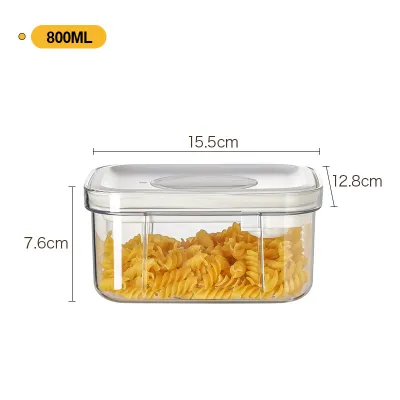
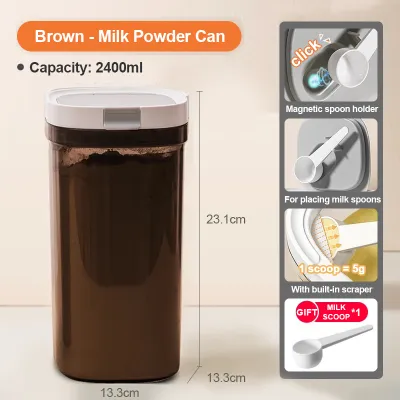
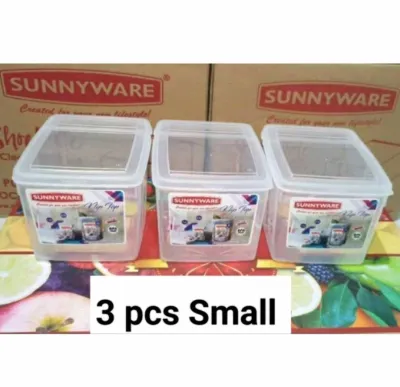
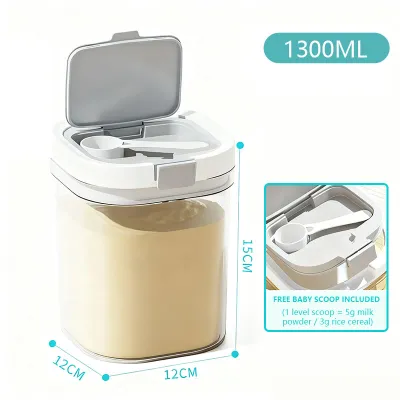
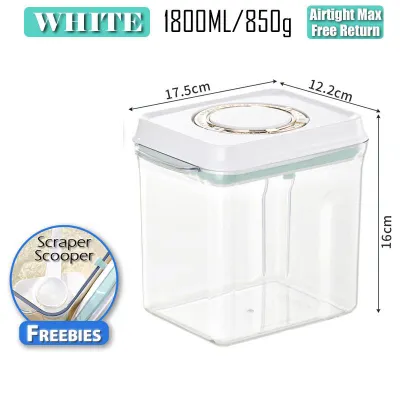
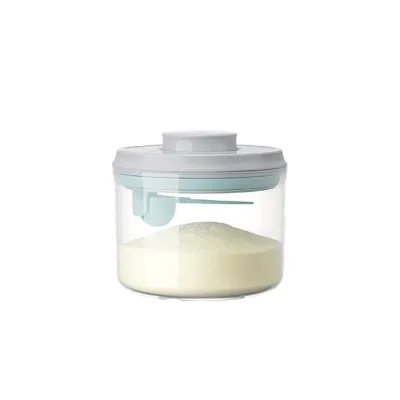
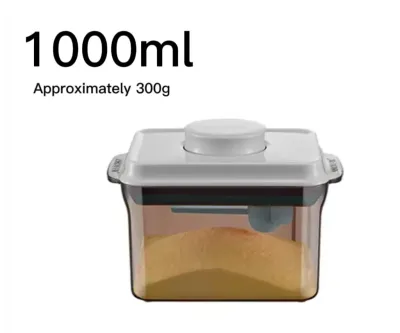
Prices are valid at publication and may change. Please refer to the product page for the latest price.
Furthermore, the open kitchen environment in tropical households is often susceptible to tiny pests, particularly ants, which are drawn to the sweet scent of milk powder. Standard formula tins with plastic press-on lids do not always provide a completely airtight or pest-proof barrier once opened. A dedicated powder milk storage container acts as a reliable line of defense. It seals out moisture, blocks pests, and minimizes exposure to light and air, thereby preserving the nutritional integrity of the formula and ensuring every feed is as safe as possible.
Key Features to Look for in a Powder Milk Storage Container
When evaluating different powder milk storage containers, safety and material integrity must be your primary considerations. Because these containers directly hold food for a developing infant, you must verify that all plastic components are labeled as food-grade and completely free from Bisphenol A (BPA), phthalates, and other potentially harmful chemical additives. Look for products that explicitly state compliance with international food safety standards, and check the manufacturer’s documentation to confirm the materials can withstand the high temperatures required for sterilization.

The sealing mechanism is the most critical factor in keeping moisture and pests at bay. A high-quality container should feature a robust airtight seal, typically achieved through a thick, food-grade silicone ring embedded in the lid. Mechanisms such as lever-lock lids, snap-tight side buckles, or push-button vacuum seals are highly effective at creating a pressurized barrier. When browsing options, inspect the seal design to ensure it is tight enough to prevent air exchange but still manageable enough for a caregiver to open with one hand while holding a baby.
Portion control and precise measurement are equally vital during the weaning stage, where accuracy remains important for nutritional balance. Many dedicated storage containers include integrated features designed to simplify preparation. Look for models with a built-in leveling bar or edge, which allows you to level off each scoop of powder cleanly without using a separate utensil or risking contamination from your fingers. Additionally, some containers feature a dedicated hanger or compartment inside the lid to keep the scoop suspended above the powder, preventing the handle from getting buried and keeping your hands clean.
Finally, prioritize ease of cleaning to maintain strict hygiene standards. Containers with wide openings allow you to reach every corner easily during washing, reducing the risk of old powder accumulating in hard-to-reach spots. Examine the lid assembly carefully; complex locking mechanisms can sometimes trap water or powder residue, so models with easily removable silicone gaskets and minimal crevices are highly preferable. Always verify whether the container is dishwasher-safe or if it requires gentle hand-washing to preserve the integrity of its seals.
Types of Formula Storage Containers Compared
To find the right fit for your household, it helps to understand the distinct advantages and limitations of the primary container formats available on the market.
Airtight canisters are the most popular choice for bulk storage at home. These are typically larger, rigid containers made of high-quality plastic or glass, designed to hold a substantial portion of a standard formula tin. They sit permanently on your kitchen counter or pantry shelf, offering quick, one-handed access via push-button or lever-lock lids. The primary benefit of a canister is its superior airtight seal and built-in leveling features, making daily bottle preparation highly efficient. However, their bulk makes them entirely unsuitable for travel or diaper bags.
For life on the go, portion dispensers and stackable pods are indispensable. These compact containers feature multiple separate compartments, each designed to hold a pre-measured amount of powder for a single feed. Many models utilize a rotating lid with a single dispensing spout, or a stackable design where individual pods screw into one another. This format eliminates the need to carry a bulky container or scoop when running errands or visiting family. The main trade-off is limited capacity, as they are only intended for short-term storage of pre-measured portions rather than bulk keeping.
Formula mixing and storage pitchers serve a different purpose, allowing caregivers to prepare a larger batch of liquid formula in advance. These pitchers often feature a built-in mixing plunger that blends the powder smoothly without introducing excessive air bubbles, which can cause gas in babies. Prepared liquid formula can then be stored in the refrigerator for a limited time as specified by the formula manufacturer. While highly convenient for quick night feedings, this method requires strict adherence to refrigeration guidelines and is not suitable for storing dry powder.
Disposable or reusable storage bags offer a highly flexible, space-saving alternative for travel. These bags are pre-sterilized, lightweight, and feature secure double-zipper seals to prevent leaks. They take up virtually no space in a diaper bag and can be discarded or washed after use, depending on the product type. While highly convenient for tight packing, they do not offer the structural protection of rigid containers, meaning the powder can be crushed or the bag punctured if packed alongside sharp objects like keys or toys.
How to Build Your Shortlist: A Step-by-Step Buying Guide
Selecting the ideal container requires a systematic approach tailored to your daily routine, space constraints, and budget.
First, assess your daily feeding volume and lifestyle requirements. If your baby is in the early stages of weaning and still consumes several bottles a day, a high-capacity airtight canister for the kitchen counter paired with a three-tier stackable dispenser for outings is an excellent combination. If your baby has transitioned significantly to solid foods and only requires one or two milk feeds daily, a smaller, highly portable multi-compartment dispenser might suffice for all your needs. Measure your kitchen cabinet shelves and diaper bag compartments to ensure the dimensions of your chosen containers fit comfortably.
Second, verify product specifications and research buyer feedback on reputable online marketplaces and ecommerce platforms. Look closely at reviews from other parents in the Philippines, as they often share valuable insights regarding how well a container performs under local tropical conditions. Pay attention to comments about whether the silicone seals degrade over time, if the lids remain secure during travel, or if the plastic tends to cloud or retain odors after multiple washes.
Third, check the credentials of the seller and the manufacturer’s policies. Ensure you are purchasing from official brand stores or authorized distributors to avoid counterfeit products that may not use genuine food-grade materials. Look for clear information regarding manufacturer warranties or return policies, especially concerning defective seals or cracked lids upon delivery.
Fourth, establish a realistic budget in Philippine Pesos (₱). Prices for powder milk storage containers can vary widely, ranging from budget-friendly local options costing around ₱150 to premium imported options with advanced vacuum-seal technology priced upwards of ₱1,500. While it can be tempting to opt for the cheapest option, investing a bit more in a durable, certified food-grade container with a replaceable silicone seal often saves money in the long run by preventing spoiled formula and ensuring long-term durability.
Safe Handling and Cleaning Practices for Storage Containers
Even the most advanced storage container cannot protect your baby if it is not maintained with strict hygiene practices. Before using a new container for the first time, you must thoroughly wash and sterilize it. Refer to the manufacturer’s instructions to determine the approved sterilization method, as some plastics or silicone components may warp in boiling water or steam sterilizers, while others are perfectly compatible.
For daily maintenance, establish a routine of washing the container with warm, soapy water using a mild, baby-safe dishwashing liquid. Pay close attention to the silicone gaskets and lid crevices where fine milk powder can accumulate and harden. After washing, allow every component to air-dry completely on a clean drying rack in a well-ventilated area. Never assemble or seal a container while it is still damp; even a tiny droplet of trapped moisture can cause the dry powder to clump and foster mold growth, which can happen rapidly in warm, humid climates.
Regularly inspect your storage containers for signs of wear and tear. Over time, repeated washing, sterilization, and daily use can degrade materials. Look for deep scratches on the inner walls of plastic containers, as these micro-crevices can harbor bacteria that standard washing cannot reach. Check the silicone rings for elasticity; if they become brittle, stretched, or discolored, they will no longer provide an airtight seal and must be replaced. If you notice any cracks, persistent odors, or compromised seals, it is time to decommission the container and purchase a replacement.
Finally, choose the storage location for your container carefully. Keep it in a cool, dry pantry or cupboard away from direct sunlight, the stove, or other heat-generating kitchen appliances. High temperatures can accelerate the degradation of both the plastic container and the nutritional quality of the formula powder inside. Ensure the storage area is clean and elevated to minimize the risk of household pests gaining access to the container.
Frequently Asked Questions (FAQ)
Can I store mixed liquid formula in a powder container?
No, you should not store prepared liquid formula in a container designed specifically for dry powder storage unless the manufacturer explicitly states it is dual-purpose and leak-proof. Powder containers are engineered to keep moisture out, but they may not have the liquid-tight seals required to prevent spills or leaks. Furthermore, once formula powder is mixed with water, it becomes highly perishable. Liquid formula must be kept refrigerated and consumed within the strict timeframe recommended by the formula manufacturer—typically within 24 hours—to prevent rapid bacterial growth. Always check product labels and instructions for the intended use of your specific container.
How long can I keep formula powder in a storage container?
Once you transfer formula powder from its original foil packaging into a storage container, you should generally aim to use it within three to four weeks, or according to the formula manufacturer’s guidelines for an opened package. Transferring the powder does not extend its shelf life; in fact, the exposure to air during the transfer process can slightly accelerate oxidation. Always note the expiration date on the original packaging before discarding it, and never mix a new batch of formula powder with older remnants left in the container. Clean and dry the container thoroughly between batches to maintain optimal hygiene.
Are glass containers safer than plastic for storing baby formula?
Both glass and high-quality, food-grade plastic are safe options, but they present different practical trade-offs. Glass is naturally free from BPA, does not retain odors or stains, and can withstand high sterilization temperatures indefinitely. However, glass is heavy, prone to breaking if dropped, and generally unsuitable for travel or quick diaper bag packing. Food-grade plastics, such as polypropylene (PP) or Tritan, are lightweight, shatterproof, and highly convenient for active lifestyles, though they may scratch more easily over time. When choosing plastic, always verify that it is certified BPA-free and rated for food contact.

Community discussion
Share your experience or ask a question. Comments are reviewed before publication.