
Choosing the right postpartum belly binder in the Philippines requires balancing physical recovery needs with the realities of a warm, humid climate. A belly binder is designed to provide external support to your abdominal muscles and lower back as your body heals from childbirth. However, finding the right one involves looking past marketing claims of instant weight loss and focusing instead on medical clearance, breathable fabrics, and adjustable compression.
Every mother’s recovery journey is unique, meaning a support garment that works well for one person might not be suitable for another. By understanding what features to look for and how to use these binders safely, you can make an informed decision that supports your body’s natural healing process.
Understanding Postpartum Belly Binders and Their Purpose
A postpartum belly binder is a wide, elastic band wrapped around the abdomen to provide gentle compression and support to the torso after childbirth. During pregnancy, your abdominal muscles stretch significantly, and the hormone relaxin loosens your ligaments to accommodate your growing baby. After delivery, these muscles and ligaments remain stretched and weakened, which can lead to a feeling of instability in your core. A binder acts as a temporary external support system, helping to stabilize your core muscles, improve your posture, and make daily movements more comfortable.
Products mentioned in this guide
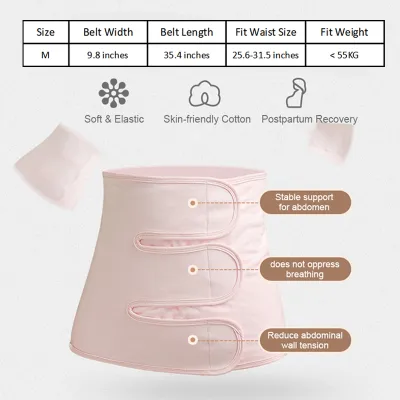
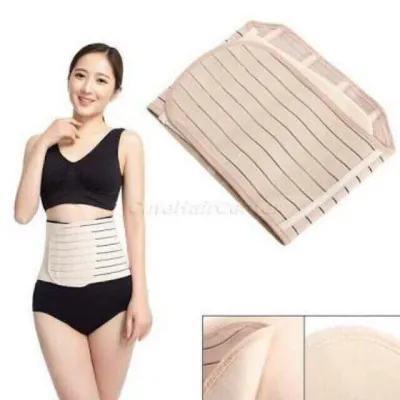
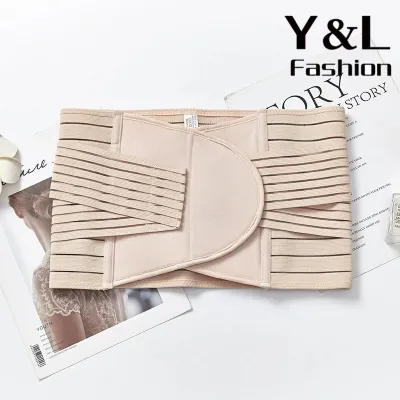
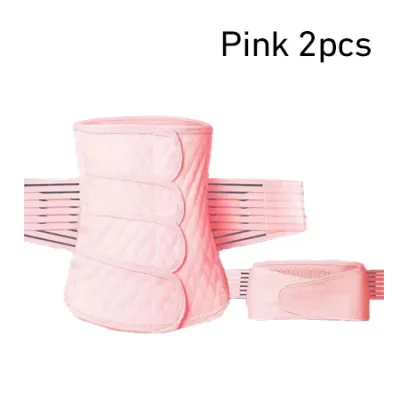
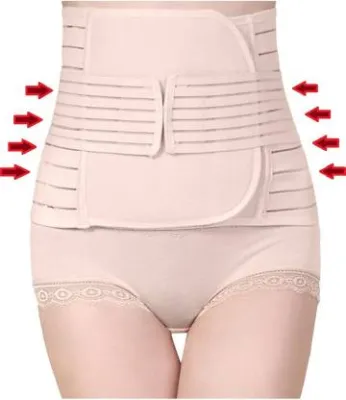
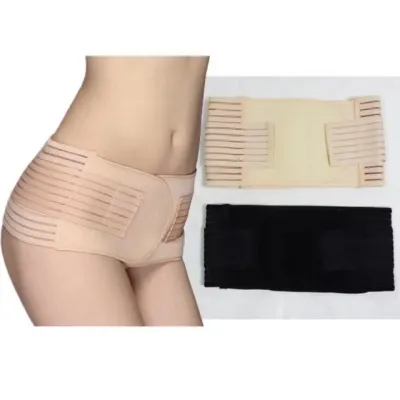
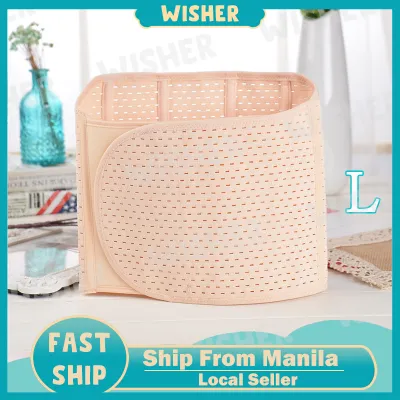
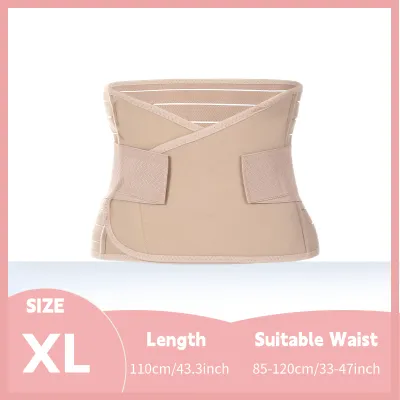
Prices are valid at publication and may change. Please refer to the product page for the latest price.
It is important to address common misconceptions about what a belly binder can actually achieve. Many advertisements suggest that these garments can directly cause weight loss, burn belly fat, or speed up the process of shrinking your uterus. In reality, a binder cannot burn fat or reduce weight. The shrinking of the uterus, known as involution, is a natural physiological process driven by hormonal changes and breastfeeding, not by external pressure. Binders are strictly structural support tools designed to assist your muscles and lower back, not aesthetic tools for rapid weight loss.
Before you begin using any compression garment, obtaining explicit clearance from your obstetrician or midwife is a critical safety step. Applying compression to your abdomen too early or too tightly can place downward pressure on your pelvic floor, potentially worsening conditions like pelvic organ prolapse or urinary incontinence. Your healthcare provider can evaluate your physical recovery and advise you on when it is safe to start wearing a binder and what level of compression is appropriate for your specific body.
Key Features to Evaluate When Shopping
When browsing options on online marketplaces or in local baby stores, the material of the binder should be your primary consideration. The tropical climate of the Philippines brings high temperatures and humidity year-round, which can make wearing a thick, heavy elastic band highly uncomfortable. Look for binders made from lightweight, breathable fabrics such as aerated elastic, mesh panels, or cotton blends. These materials allow air to circulate and help wick moisture away from your skin, reducing the risk of heat rashes, chafing, and localized skin irritation.

The closure mechanism of the binder determines how easily you can adjust the fit as your body changes. Hook-and-eye closures offer a secure and flat profile under clothing, but they can be difficult to adjust quickly without assistance. Velcro, or hook-and-loop, fasteners are highly popular because they allow you to easily customize the tightness and adjust the compression throughout the day as swelling subsides. Wrap-around designs with multiple adjustable panels offer the most flexibility, allowing you to apply different levels of tension to your upper abdomen, waist, and lower hips.
Another essential feature to check is the presence of flexible boning or structural supports within the binder. Without these elements, a wide elastic band has a tendency to bunch up, slide down, or roll at the edges whenever you sit down, bend over, or lift your baby. Flexible plastic or silicone boning sewn into the sides or back of the garment helps it maintain its shape and stay flat against your torso. This ensures consistent support across your entire midsection and prevents the edges of the binder from digging painfully into your skin.
Matching the Binder to Your Delivery Type and Recovery Stage
Your birth experience plays a major role in determining the type of support garment you need. For mothers recovering from a Cesarean section, protecting the surgical incision is the top priority. A standard binder can rub against the wound, causing friction, pain, or even delaying the healing process. If you had a C-section, look for binders specifically designed with soft, non-abrasive inner linings or those that feature a protective panel that sits gently over the lower abdomen. You must secure your doctor’s approval before placing any garment over your incision, and you should immediately stop using it if you notice any moisture, bleeding, or increased pain.
For those who had a vaginal delivery, the recovery process is different, but core support remains highly beneficial. Without a surgical incision to protect, you may feel comfortable using a binder that offers more comprehensive compression across the entire abdominal area. However, the goal is still gentle support rather than intense constriction. As your deep core muscles begin to regain their natural strength through light movement and rest, you should gradually transition to lighter support garments to ensure your muscles do not become dependent on the binder for stability.
The timeline for starting and stopping the use of a binder varies for every mother. Some healthcare providers may approve the use of a light, gentle support band within the first few days after a vaginal birth, while others recommend waiting a week or two. Generally, binders are most useful during the first six to eight weeks postpartum, which aligns with the initial healing phase. After this period, it is advisable to phase out the binder gradually, wearing it for fewer hours each day to encourage your abdominal and back muscles to do the work of supporting your body on their own.
How to Measure and Ensure a Proper Fit
To find a binder that provides effective support without causing discomfort, you must measure your body accurately. Do not rely on your pre-pregnancy clothing size or your size during the final weeks of pregnancy, as your postpartum shape will be different. Use a flexible measuring tape to measure two key anatomical points: the widest part of your natural waist (typically just above your belly button) and the widest part of your hips. Taking these measurements a few days after delivery will give you the most accurate numbers for purchasing a binder.
When looking at product listings on ecommerce platforms, always consult the manufacturer’s specific size chart rather than assuming a standard size. Sizing standards vary widely between brands, and a “Medium” in one product may fit like a “Small” in another. If your measurements fall between two sizes, it is generally safer to choose the larger size. A larger binder with adjustable Velcro panels allows you to start with a looser fit and gradually tighten the garment as your postpartum swelling decreases and your body naturally changes shape.
Recognizing the signs of a poor fit is crucial for your safety and comfort. A postpartum binder should feel like a firm, supportive hug that stabilizes your midsection, not a restrictive corset that limits your movement. If you experience difficulty taking deep breaths, feel sharp pain, notice the material digging deeply into your skin, or feel an uncomfortable downward pressure on your pelvic floor, the binder is too tight or the wrong size. Inadequate support around your lower back or a binder that constantly shifts out of place also indicates that the fit is incorrect.
Safe Usage Practices and Warning Signs
Using a postpartum belly binder safely requires establishing a sensible daily routine. Avoid the temptation to wear the binder continuously throughout the day and night. Limit your wear time to a few hours at a time, and make sure to take regular breaks to allow your abdominal muscles to engage naturally and your skin to breathe. Overusing a compression garment can lead to muscle weakness, as your body begins to rely on the external support rather than rebuilding its own core strength.
Maintaining proper skin hygiene is especially important in the warm and humid Philippine climate. To prevent friction, chafing, and heat rashes, always wear a thin, breathable cotton camisole or undershirt underneath the binder. This layer acts as a protective barrier and absorbs sweat, keeping your skin dry and comfortable. Ensure your skin is completely clean and dry before putting the binder on, and wash the garment regularly according to the manufacturer’s instructions to prevent the buildup of bacteria and sweat.
You must remain vigilant and listen to your body while wearing a support garment. Stop using the binder immediately and consult your healthcare provider if you experience any warning signs. These include sudden or increased abdominal pain, numbness or tingling in your legs or pelvic area, changes in your postpartum bleeding (lochia), or a heavy sensation in your pelvic floor. These symptoms are clear indicators that the binder is applying too much pressure, restricting your circulation, or interfering with your body’s natural healing process.
Frequently Asked Questions (FAQ)
Can I wear a belly binder while sleeping?
It is generally not recommended to wear a postpartum belly binder while you sleep. When you lie down to rest, your body naturally redistributes pressure, and continuous compression during sleep can restrict your breathing, hinder healthy blood circulation, and place unnecessary strain on your pelvic floor muscles. Additionally, wearing a tight garment overnight in a warm climate increases the risk of sweat accumulation, which can lead to skin irritation, rashes, or infection. Unless your obstetrician or midwife has specifically advised you to wear a light support band during sleep for a diagnosed medical reason, it is best to remove the binder at bedtime to allow your body to rest, recover, and breathe naturally.
How do I clean and maintain the binder?
To preserve the elasticity, structural integrity, and hygiene of your postpartum binder, hand washing is the safest and most effective method. Fill a basin with cool water and a mild, baby-safe detergent, gently agitate the garment by hand, and rinse it thoroughly with clean water. If you prefer to use a washing machine, always place the binder inside a mesh laundry bag and secure all Velcro or hook-and-eye closures to prevent them from snagging on other fabrics. Use a gentle cycle with cool water, and avoid using bleach or fabric softeners, which can degrade the elastic fibers. Always air dry the binder flat in a shaded, well-ventilated area, and avoid using a clothes dryer or exposing it to direct, intense sunlight, as high heat can warp the elastic and weaken the fasteners.

Community discussion
Share your experience or ask a question. Comments are reviewed before publication.