
Selecting the right postpartum belly binder in the Philippines requires balancing physical recovery needs with the realities of a warm, humid climate. The ideal binder is not a one-size-fits-all solution; rather, it is a highly adjustable support garment that accommodates your specific delivery method, provides targeted compression, and uses breathable fabrics to prevent skin irritation. By focusing on structural design and material composition, you can find a binder that aids your recovery while keeping you comfortable during daily activities.
Quick Guide to Choosing a Postpartum Belly Binder
Choosing a postpartum belly binder involves understanding how different designs support your body’s natural healing process. Your recovery journey is unique, meaning the best option for you depends heavily on whether you had a vaginal birth or a Cesarean section, your daily mobility levels, and your personal comfort preferences. To make an informed decision, you should evaluate products based on three primary pillars: the level of support they offer, the breathability of their materials, and their overall adjustability. Because every postpartum body heals differently, it is highly recommended to consult your obstetrician or healthcare provider before using any compression garment, particularly if you are recovering from a C-section or managing pelvic floor complications.
Identifying Your Postpartum Support Needs
Your physical requirements during the postpartum period dictate the type of support your body needs. For mothers recovering from a Cesarean section, the primary goal is often targeted incision protection and stabilization, which helps minimize pain during sudden movements like coughing or laughing. Conversely, those who had a vaginal delivery may prioritize general core support to help abdominal muscles contract and realign after months of stretching. Understanding these distinct recovery pathways allows you to select a binder that addresses your specific physical vulnerabilities without placing unnecessary pressure on healing tissues.
Products mentioned in this guide
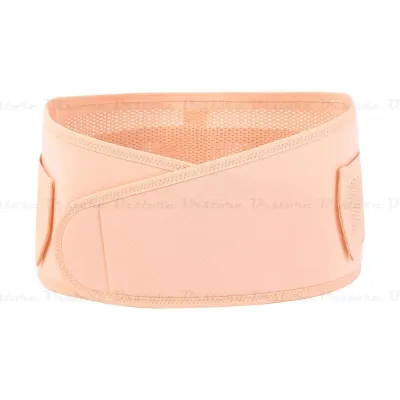
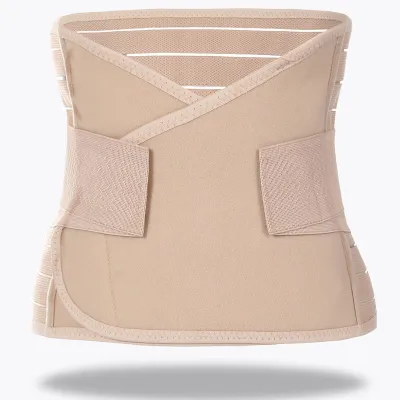
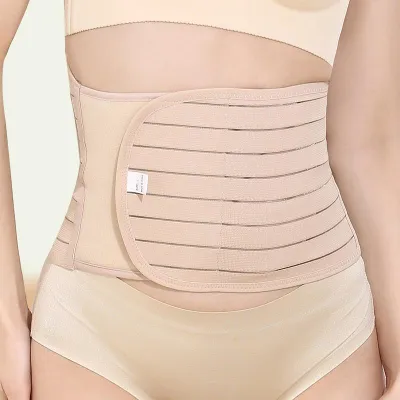
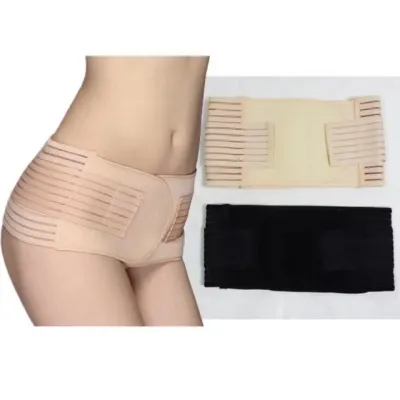
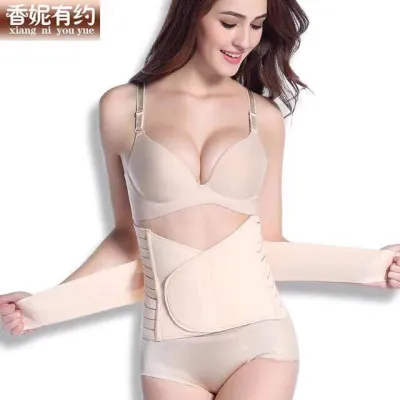
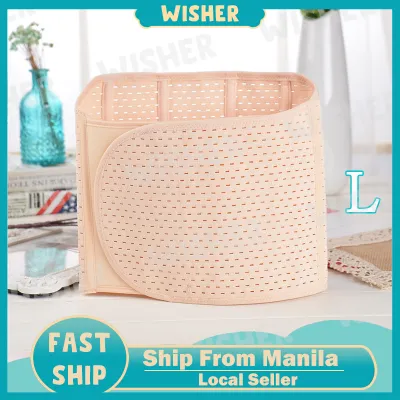
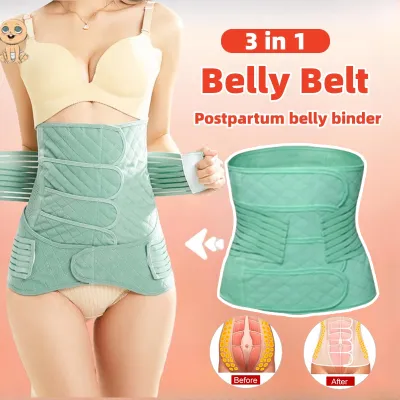
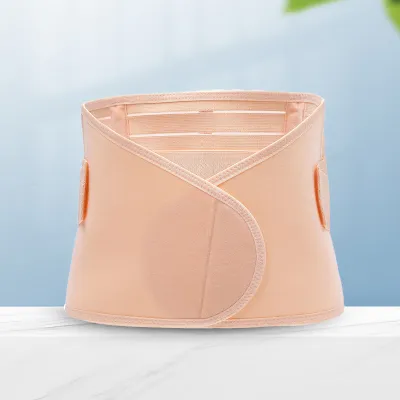
Prices are valid at publication and may change. Please refer to the product page for the latest price.

Your daily routine and mobility needs also play a significant role in determining the appropriate level of compression. If your daily activities involve frequent standing, walking, or caring for your newborn, you will require a binder that offers structural stability without restricting your range of motion. On the other hand, if you spend more time resting, a lighter, more flexible support garment may be sufficient. Balancing these activity levels ensures that the binder assists your posture and core muscles rather than making daily movements uncomfortable or restrictive.
Timing is another critical factor when integrating a binder into your recovery plan. You must check the manufacturer’s guidelines to determine when it is safe to begin wearing the garment and how long you should use it each day. Some binders are designed for immediate use shortly after delivery, while others require waiting until incisions have fully closed. Adhering to these timelines, alongside professional medical advice, prevents premature pressure on your abdominal wall and ensures the garment supports, rather than hinders, your natural healing timeline.
What to Look for in a Postpartum Belly Binder
When shopping for a postpartum belly binder, the material and breathability of the fabric should be your top considerations, especially in a tropical climate. The high humidity and heat in the Philippines can easily lead to sweat accumulation, which increases the risk of skin irritation, heat rashes, or localized infections near healing incisions. To mitigate these risks, look for binders made from lightweight, moisture-wicking fabrics such as cotton blends, porous elastic mesh, or latex-free materials. These fabrics allow air to circulate freely, keeping your skin dry and comfortable even during the warmest hours of the day.
Adjustability and fit are equally vital because your body shape and abdominal volume will change rapidly in the weeks following childbirth. A binder with multiple closure panels, such as adjustable Velcro straps or hook-and-eye fasteners, allows you to customize the compression level as your uterus undergoes involution and swelling subsides. This adaptability ensures that the garment continues to provide effective support throughout your entire recovery period without requiring you to purchase a new size every few weeks. It also allows you to loosen the binder slightly during meals or when sitting down for extended periods.
Finally, you must evaluate the support level of the binder by examining its structural design and product labels. Light compression garments are typically seamless, highly elastic, and designed for gentle, everyday wear that mimics a light hug around your midsection. Firm support binders, by contrast, often feature reinforced panels, double-compression straps, or flexible boning to provide rigid stability for your lower back and abdomen. Matching the structural design of the binder to your physical needs ensures you receive the correct amount of stabilization without putting excessive downward pressure on your pelvic floor.
Comparing Common Types of Postpartum Belly Binders
Postpartum belly binders come in several distinct designs, each engineered to serve different recovery goals and lifestyle preferences. Understanding the structural differences between these categories will help you select the style that best aligns with your daily routine and physical needs.
Wrap-Style Binders
Wrap-style binders are highly adjustable garments that typically feature a wide, continuous band of elastic fabric secured by a large Velcro panel. This design is often marketed as one-size-fits-most, making it exceptionally convenient for accommodating the rapid changes in your body shape during the early postpartum weeks. Because they lack complex fastening systems, wrap-style binders are incredibly easy to put on, adjust, and remove without assistance, which is highly beneficial when you are managing newborn care. However, because they consist of a single broad band, they may occasionally bunch up around the waist during movement and might lack the targeted lower-abdomen or structured back support found in more rigid designs.
Corset-Style Binders
Corset-style binders utilize flexible boning, reinforced vertical panels, and multiple rows of hook-and-eye closures or overlapping straps to provide highly structured support. This design is particularly effective for improving posture and alleviating lower back strain, as the built-in support columns help distribute weight evenly across your torso. The presence of multiple adjustable panels allows for highly precise, targeted compression across different zones of your abdomen, making it easier to tighten specific areas while leaving others looser. Despite these benefits, corset-style binders have a steeper learning curve when it comes to fastening them correctly, and their structured nature can make them bulkier and more visible under thin, lightweight clothing.
Belt-Style Supports
Belt-style supports are narrower bands that focus primarily on stabilizing the lower back, hips, and pelvic region rather than wrapping the entire abdomen. This style is often preferred by mothers who experience pelvic girdle pain or sacroiliac joint instability after delivery, as it applies targeted pressure directly to the pelvis. Because of their narrow profile, belt-style supports are highly discreet and can be worn comfortably under everyday clothes without creating bulk. While they offer excellent mobility and targeted lower-body stability, they do not provide full abdominal coverage, making them less suitable if you are seeking comprehensive core compression or incision protection.
Navigating Price Ranges and Value in the Philippines
Navigating the cost of postpartum belly binders in the Philippines requires a careful comparison of features across local pharmacies, specialized maternal care boutiques, and established online marketplaces. Budget-friendly options, often priced under ₱500, typically offer basic elastic wrap designs that provide light to moderate compression. Mid-range options, ranging from ₱500 to ₱1,500, frequently feature improved adjustability, softer fabrics, and better breathability. Premium binders, which can cost ₱2,000 or more, often incorporate medical-grade materials, hypoallergenic fabrics, and advanced ergonomic designs tailored for specific recovery needs like C-section healing.
When deciding how much to invest, look for features that directly impact your comfort and safety, such as high-quality Velcro that does not lose its grip, seamless edges that prevent chafing, and highly breathable mesh panels. These structural elements justify a higher price point because they directly contribute to the durability of the garment and your overall comfort in hot weather. Conversely, you should be cautious of unusually cheap products that lack clear labels detailing their material composition or safety standards. Investing in a binder with verified, skin-friendly materials helps prevent allergic reactions and ensures the garment retains its elasticity through multiple wash cycles.
Safe Usage and When to Consult a Professional
Using a postpartum belly binder safely requires strict adherence to the manufacturer’s instructions regarding wear-time limits, tightening guidelines, and care practices. While it can be tempting to pull the binder as tight as possible to achieve a flatter appearance, excessive compression can restrict deep breathing, hinder blood circulation, and place dangerous downward pressure on your healing pelvic floor muscles. The binder should feel like a supportive, firm hug rather than a restrictive constraint; you should always be able to breathe deeply, sit comfortably, and move without pain while wearing it.
It is crucial to monitor your body for physical warning signs that indicate the binder is too tight or is being worn for too long. If you experience sharp pain, restricted breathing, numbness in your legs, skin redness, or an unexpected increase in postpartum bleeding, you must remove the binder immediately and rest. Additionally, you should always obtain professional medical clearance from your obstetrician or physical therapist before starting to use a binder, especially if you are recovering from a complex delivery, managing diastasis recti, or experiencing symptoms of pelvic floor dysfunction.
Frequently Asked Questions (FAQ)
Can I wear a postpartum belly binder while sleeping?
Most medical professionals and manufacturers recommend removing your postpartum belly binder before you go to sleep. Wearing a compression garment while lying down for extended periods can restrict your blood circulation, limit your diaphragm’s natural movement, and prevent your core muscles from engaging and strengthening on their own. Additionally, keeping the binder on overnight in a warm climate increases the risk of sweat accumulation and skin irritation. You should always check the specific product label for daily wear-time limits and consult your doctor for personalized guidance.
How do I properly clean and maintain my belly binder?
To preserve the elasticity and structural integrity of your postpartum belly binder, you should follow the specific fabric care instructions provided by the manufacturer. Generally, hand-washing the garment in cool water with a mild, hypoallergenic detergent is the safest method to prevent damage to the elastic fibers and Velcro closures. If you choose to use a washing machine, place the binder inside a mesh laundry bag, secure all Velcro straps to prevent snagging, and select a gentle cycle. Always air-dry the binder flat in a shaded, well-ventilated area, as exposing the elastic components to high heat from a dryer or direct sunlight can warp the material and reduce its supportive capabilities.
Community discussion
Share your experience or ask a question. Comments are reviewed before publication.