
Choosing a plate for toddler girls during the weaning stage in the Philippines requires balancing developmental milestones, material safety, and local environmental factors. As your child transitions from milk to solid foods, the right tableware serves as a developmental tool rather than just a container. Parents often look for sets that combine practical features like strong suction bases with appealing designs, but the primary focus must always remain on safety, durability, and ease of cleaning. By understanding what to look for in product specifications and how to verify seller claims on local e-commerce platforms, you can select a set that supports your child’s self-feeding journey safely.
In the tropical climate of the Philippines, where high humidity can affect material integrity and food hygiene, selecting the right tableware is even more critical. From managing mealtime messes to ensuring the materials can withstand frequent sterilization, every detail matters. This guide will help you navigate the essential design features, material safety standards, and practical maintenance routines to ensure your toddler’s weaning journey is both safe and successful.
Understanding Weaning Needs and Feeding Milestones
The transition from purees to textured solids is a major milestone in your child’s development, typically beginning around six months of age. During this period, infants transition from swallowing smooth purees to chewing and managing more complex food textures. This shift requires tableware that can accommodate appropriate portion sizes for small stomachs while keeping different food groups organized. Introducing a variety of textures and flavors in manageable portions helps prevent your child from becoming overwhelmed during meals.
Products mentioned in this guide
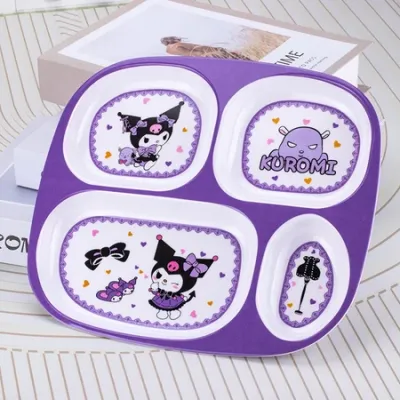
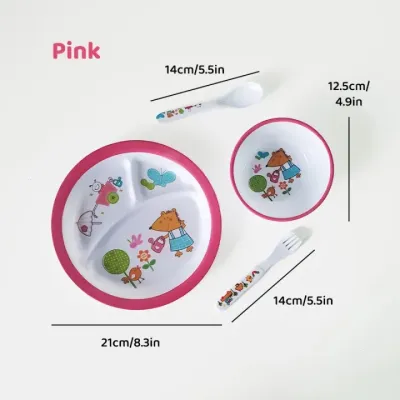
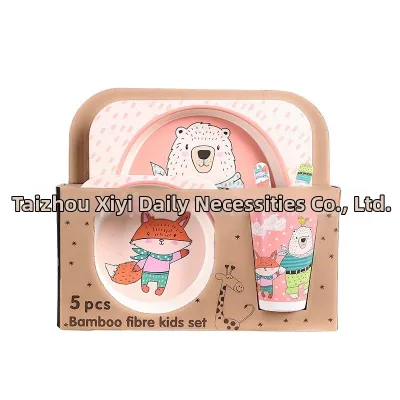
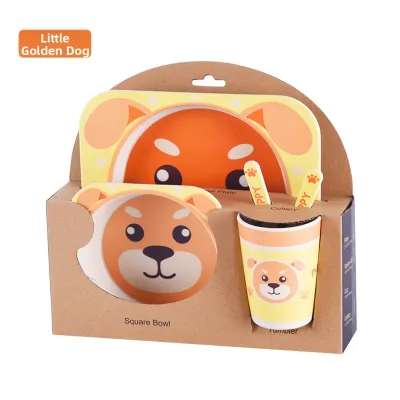
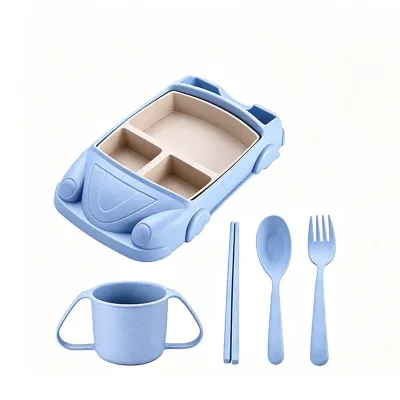
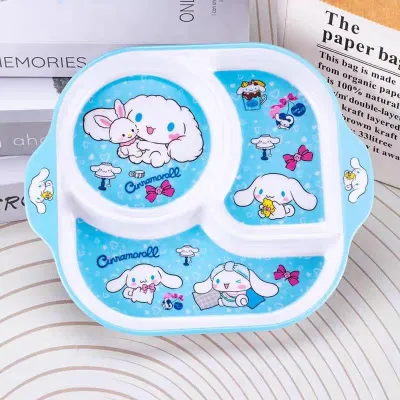
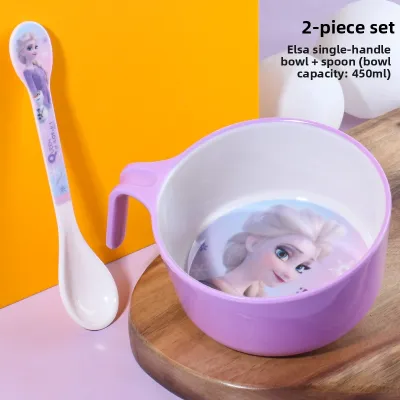
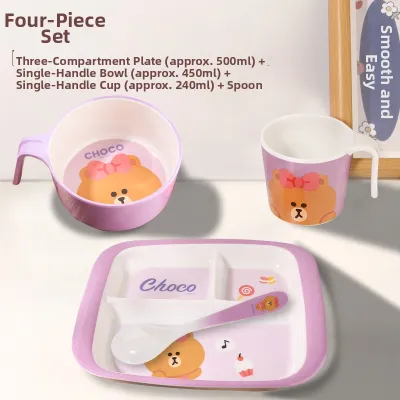
Prices are valid at publication and may change. Please refer to the product page for the latest price.
Mealtime messes are an inevitable part of the learning process as toddlers explore food through touch, sight, and taste. While sensory exploration is vital for cognitive development, it often results in spilled food and tipped plates. A well-designed weaning plate helps contain these messes, keeping food on the tray rather than on the floor. Minimizing cleanup not only reduces parental stress but also creates a more positive, relaxed dining environment for both you and your child.
Supporting self-feeding is essential for developing your toddler’s fine motor skills, such as the pincer grasp and hand-eye coordination. As your child learns to navigate utensils, the physical structure of the plate plays a significant role in their success. Tableware that slides around or lacks supportive edges can frustrate a learning toddler, leading to mealtime resistance. Providing the right tools empowers your child to feed themselves independently, boosting their confidence and motor skill progression.
Essential Design Features to Evaluate in a Plate Set
Base stability is one of the most critical features to evaluate when choosing a weaning plate set. Suction mechanisms or non-slip silicone rings on the bottom of the plate prevent toddlers from easily lifting, tipping, or throwing their food. When evaluating suction power, keep in mind that performance often depends on the surface material of your high chair or dining table. Smooth, non-porous surfaces like plastic, glass, or polished stone provide the best suction grip, whereas textured wood may require a different approach.

Compartment layouts, or divided sections, are highly beneficial for separating different food textures, temperatures, and flavors. Toddlers often prefer their foods to remain separate, and divided plates allow you to serve a balanced meal of grains, proteins, and vegetables without them mixing. This separation also helps you monitor portion sizes and ensures that wet foods, like fruit purees or local stews, do not make dry foods soggy. A visually organized plate can also make meals look more appealing to a hesitant eater.
Edge profiles are another design element that directly impacts a toddler’s ability to self-feed. Look for plates with raised, curved, or vertical inner walls rather than flat, shallow edges. These curved walls act as a barrier, allowing your toddler to push food against the side of the plate to scoop it onto their spoon or fork. Without these supportive edges, food is easily pushed off the plate and onto the table, leading to unnecessary waste and frustration for the child.
Set inclusions can add significant practical value, so it is worth evaluating what accessories come with the plate. Many sets include matching training utensils, such as short-handled spoons and forks with soft silicone tips that are gentle on sensitive gums. Some sets also feature training cups, which help your child transition from bottles to open cups. Purchasing a complete, cohesive set ensures that all components are designed to work together, matching your child’s developmental stage and size requirements.
Comparing Common Materials and Reading Manufacturer Labels
Food-grade silicone is a highly popular material for weaning plates due to its flexibility, durability, and resistance to breaking. When choosing silicone, it is essential to locate the manufacturer’s specified temperature limits on the packaging or product label. Verify whether the material is compatible with your home dishwasher, steam sterilizer, or UV sterilizer, as extreme heat can sometimes affect lower-quality silicone. Additionally, high-quality silicone should be free from chemical fillers, which you can check by pinching and twisting the material; if white lines appear, fillers may be present.
Bamboo and wooden plates offer an attractive, natural aesthetic, but they require meticulous care to maintain hygiene. In the humid tropical climate of the Philippines, natural wood and bamboo are highly susceptible to moisture retention, which can lead to mold or mildew growth if not dried completely. Before purchasing, review the manufacturer’s care instructions to confirm if the plate requires regular oiling with food-grade mineral oil. Always check for explicit information regarding the food-grade sealants used to ensure no harmful chemicals leach into your child’s food.
Stainless steel is exceptionally durable, hygienic, and naturally resistant to bacteria, making it an excellent long-term investment. Many stainless steel plates feature a double-walled design or a removable outer plastic sleeve to provide insulation, keeping food warm while protecting your toddler’s hands from heat. When inspecting stainless steel tableware, pay close attention to the edge finishing to ensure there are no sharp or uneven spots. Keep in mind that stainless steel is not microwave-safe, so you will need to heat food in a separate container first.
Plastic plates, particularly those made from polypropylene (PP), are lightweight, affordable, and highly resistant to drops. However, parents must be diligent when reading plastic labels to ensure the product is explicitly marked as BPA-free, phthalate-free, and non-toxic. Always look for the manufacturer’s age-grade labels to confirm the product is suitable for toddlers. Furthermore, check the explicit guidelines regarding microwave use, as overheating plastic can cause the material to degrade or release unwanted chemicals into the food.
Navigating E-Commerce Listings and Verifying Product Claims
When shopping on online marketplaces in the Philippines, product listings can often be confusing or filled with exaggerated marketing terms. To make an informed decision, look past the colorful titles and scroll down to the detailed specification tables and package content lists. Verify the exact dimensions of the plate to ensure it will fit securely on your specific high chair tray. Checking the package contents list ensures you know exactly which accessories, such as lids or utensils, are included in the purchase.
Analyzing user reviews is a highly effective way to gather practical feedback on how the plate performs in real-world scenarios. Look for reviews from other parents that specifically mention the durability of the suction base over time and after multiple washes. Pay close attention to user-uploaded photos and videos, as these often provide a more accurate representation of the plate’s actual size, color, and material quality than the polished promotional images provided by the seller.
Verifying seller credentials is crucial for ensuring you receive a genuine, safe product rather than a cheap counterfeit. Prioritize purchasing from official brand stores, flagship stores, or authorized distributors on your preferred e-commerce platform. These sellers are more likely to adhere to strict quality control standards and provide authentic products that meet international safety certifications. Avoid buying from unverified, third-party sellers who cannot provide clear information about the origin or material safety of their tableware.
Finally, always check the store’s policies regarding returns, warranties, and replacements before finalizing your purchase. Because suction bases can occasionally arrive warped or components may be missing from a set, a clear and fair return policy is essential. Reliable sellers will offer straightforward options for returning or replacing defective items. Taking a few moments to verify these policies beforehand can save you time, money, and frustration if the product does not meet your expectations upon arrival.
Daily Care, Maintenance, and Safety Inspections
Proper daily care and maintenance are vital for extending the lifespan of your toddler’s plate set and ensuring ongoing hygiene. Always follow the manufacturer’s specific instructions for washing, sterilizing, and drying the tableware. For silicone plates, using a fragrance-free, food-grade dish soap is highly recommended, as silicone can sometimes absorb the scent and taste of heavily perfumed dishwashing liquids. If a soapy residue or taste does develop, a thorough rinse in warm water or a mild baking soda soak can help remove it.
Conducting regular visual and tactile inspections of your child’s tableware is a simple yet effective safety habit. Run your fingers along the edges, compartments, and suction bases to check for deep scratches, cracks, or peeling materials. Deep scratches, particularly in plastic or wooden plates, can harbor harmful bacteria and food particles that standard washing cannot easily reach. If you detect any rough edges or structural compromises, it is important to address them immediately to prevent injury or contamination.
Proper storage conditions are especially important in humid environments to prevent the growth of mold, mildew, or bacteria. Ensure that all components of the plate set, particularly natural materials like bamboo or wood, are completely dry before storing them in closed cupboards. Avoid stacking damp plates on top of one another, as trapped moisture creates an ideal breeding ground for mold. Storing your toddler’s tableware in a well-ventilated, dry area helps maintain its cleanliness and structural integrity.
Knowing when to discard and replace a damaged plate is essential for protecting your child’s health. If a plate exhibits deep, clean-resistant scratches, visible mold that cannot be removed, peeling coatings, or a significant loss of suction strength, it should be retired from use. Continuing to use compromised tableware poses unnecessary hygiene and safety risks for your toddler. Regularly updating your child’s feeding gear as they grow ensures they always have safe, functional tools for their developmental stage.
Frequently Asked Questions (FAQ)
When should I transition my child from a suction plate to a standard plate?
You can consider transitioning your child to a standard plate when they consistently demonstrate the ability to eat without intentionally lifting, throwing, or flipping their tableware. This transition typically aligns with improvements in their hand-eye coordination, utensil control, and overall mealtime behavior. Observing how your child handles other non-suction items, like small bowls or cups, can provide helpful clues. Always consult pediatric guidelines or the manufacturer’s age recommendations to ensure the transition matches your child’s developmental readiness.
How can I safely test if a plate is suitable for microwave heating?
To determine if a plate is microwave-safe, always prioritize the manufacturer’s explicit symbols or written instructions located on the packaging or the bottom of the plate. If the material is generally considered microwave-safe (such as certain food-grade silicones or specific plastics) but lacks clear labeling, you can perform a cautious test. Fill a microwave-safe cup with water and place it on the plate, then microwave both on low power for a few seconds. If the plate itself becomes excessively hot, deforms, or emits an odor, stop immediately, discard the plate, or consult the manufacturer.
What are the signs that a weaning plate needs to be replaced?
A weaning plate should be replaced immediately if you observe deep scratches that resist thorough cleaning, as these crevices can harbor harmful bacteria. Other clear signs of degradation include peeling surface coatings, warping, cracking, or a complete loss of suction strength that compromises the plate’s stability. For silicone plates, a persistent sticky texture or a strong soapy taste that does not wash out also indicates that the material has degraded. Regularly replacing worn-out tableware ensures a hygienic and safe feeding environment for your growing toddler.

Community discussion
Share your experience or ask a question. Comments are reviewed before publication.