
To choose the right Peaboo product for your baby’s bath, moisturizing, and sun protection needs, you must match the specific formulation to your child’s age, skin type, and daily activities while carefully verifying the product labels. In tropical climates like the Philippines, high humidity and heat require lightweight, breathable formulas for daily wear, while air-conditioned environments may call for richer barrier support. This guide provides a structured framework to help you evaluate the Peaboo lineup, read ingredient lists, and establish a safe, effective skincare routine for your little one.
Identifying Your Baby’s Core Skincare Needs
Baby skin is structurally different from adult skin. It is thinner, loses moisture more rapidly, and is highly susceptible to environmental irritants. When selecting skincare products, parents must first assess their baby’s current skin condition and daily routine to determine which product categories are actually necessary. Daily cleansing is essential for removing sweat, spit-up, and diaper residue, while routine hydration helps maintain the skin’s natural moisture barrier. Situational sun protection becomes necessary during outdoor exposure to shield delicate skin from ultraviolet radiation.
Observable skin signals serve as primary indicators for product selection. For instance, dry, rough patches or flaking skin suggest a need for richer moisturizing creams or oils. Conversely, redness or small bumps in skin folds may indicate heat rash, which requires lightweight, breathable lotions rather than heavy ointments that can clog sweat ducts.
Products mentioned in this guide
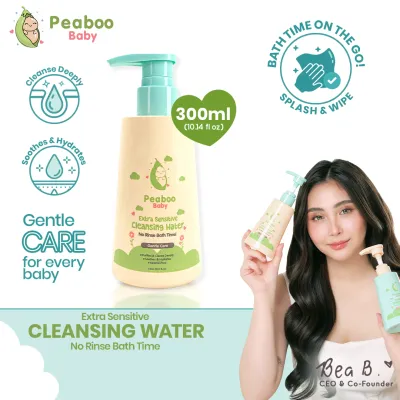
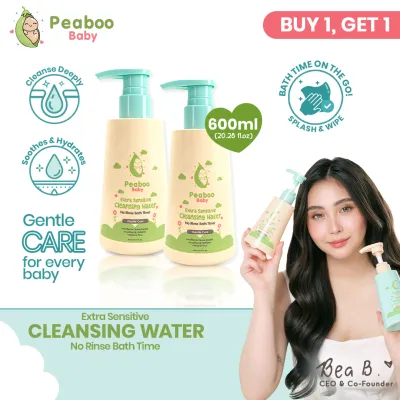

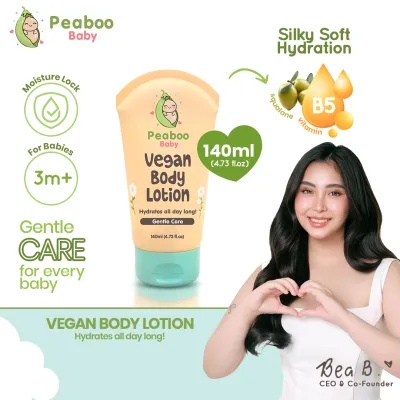
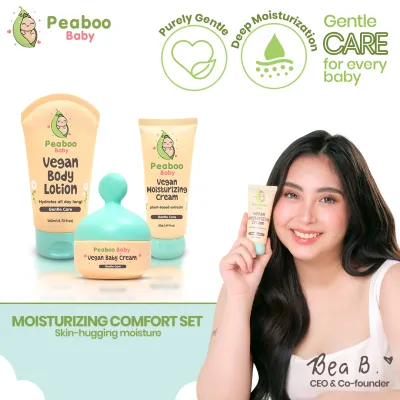
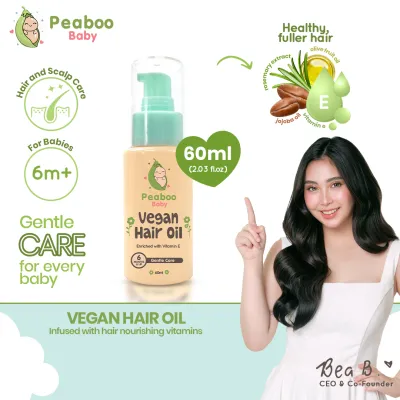
Prices are valid at publication and may change. Please refer to the product page for the latest price.
Environmental factors in the Philippines play a significant role in how you should structure your baby’s skincare routine. High humidity and ambient heat often lead to increased sweating, which can irritate sensitive skin. In these conditions, heavy or greasy products can trap heat and moisture, exacerbating skin issues. During the hottest months, a lightweight, fast-absorbing lotion is typically more suitable for daytime use, while a richer cream might be reserved for nighttime sleep in air-conditioned rooms where the air is dry.
Navigating Peaboo Bath Products: Cleansing Without Stripping Moisture
Bath time is more than just a cleansing ritual; it is an opportunity to support your baby’s skin health. When navigating the Peaboo bath lineup, parents should evaluate the different formulation types available, such as dedicated body washes, gentle shampoos, or convenient head-to-toe combinations. Head-to-toe washes are often highly practical for newborns and infants, minimizing the number of products needed during a bath. As your baby grows and develops more hair, transitioning to a dedicated shampoo may become necessary to manage the scalp effectively.

Before purchasing any bath product, it is crucial to check the product labels for specific safety and formulation claims. Look for “tear-free” indicators, which suggest the formula is designed to minimize eye irritation during rinsing. Verify that the product is pH-balanced, ideally matching the slightly acidic natural pH of healthy baby skin, which helps preserve the acid mantle. Additionally, ensure the ingredient list is free from harsh sulfates, such as sodium lauryl sulfate (SLS) or sodium laureth sulfate (SLES), which can strip away natural oils and leave the skin dry and vulnerable. Strong synthetic fragrances should also be avoided, as they are common triggers for skin sensitivity.
Determining the right usage frequency and amount depends heavily on your baby’s age, mobility, and daily activity level. Newborns do not get very dirty and typically only require a bath two to three times a week, provided their diaper area is kept clean. Over-bathing can dry out their delicate skin. However, as babies begin to crawl, explore, and sweat in warm tropical weather, daily baths may become necessary. Keep bath times short—usually under ten minutes—and use lukewarm water to prevent stripping the skin’s natural moisture.
Choosing Peaboo Moisturizers for Daily Hydration and Barrier Support
Daily hydration is a cornerstone of baby skincare, helping to reinforce the skin barrier and prevent dryness. The Peaboo moisturizer lineup may include various formats, and choosing the right one requires comparing their texture differences. Lightweight lotions are ideal for daytime application in humid climates because they absorb quickly without leaving a sticky residue. Thicker creams or baby oils, on the other hand, provide a more robust occlusive barrier, making them excellent choices for nighttime use or for babies who spend significant time in air-conditioned rooms where moisture is constantly drawn out of the skin.
Always verify the ingredient lists on the packaging to identify potential irritants or allergens that could affect your child. Even products marketed for babies can contain botanical extracts or natural oils that might not agree with highly sensitive skin. Look for formulas that are hypoallergenic and free from parabens, phthalates, and artificial colorants. If your baby has a family history of eczema or asthma, being extra vigilant about ingredient transparency is highly recommended.
Establishing a consistent application routine maximizes the benefits of any moisturizer. The most effective time to apply lotion or cream is immediately after a bath, while the skin is still damp. Gently pat your baby’s skin dry with a soft towel, leaving a hint of moisture on the surface, and apply the moisturizer within three minutes. This technique helps lock in the hydration from the bathwater. Use gentle, sweeping strokes rather than vigorous rubbing to avoid irritating the skin.
Selecting Peaboo Sun Protection for Safe Outdoor Exposure
Protecting your baby’s skin from solar radiation is critical, but it requires a careful, age-appropriate approach. Medical professionals generally advise keeping infants under six months of age out of direct sunlight entirely. For babies in this age group, physical shade, wide-brimmed hats, and lightweight, protective clothing are the primary lines of defense. If you are considering using sunscreen on an infant under six months, consult a pediatrician first to ensure it is safe for their highly absorptive skin.
For older babies, select sun protection products by carefully checking the packaging labels. Look for “broad-spectrum” protection, which ensures the formula shields against both UVA and UVB rays. Check the Sun Protection Factor (SPF) rating; pediatricians typically recommend an SPF of 30 or higher for outdoor activities. In tropical climates, water resistance is another essential feature to look for, as sweat and water exposure can quickly wash away sunscreen, leaving the skin unprotected.
Understanding the difference between mineral and chemical filters is key when evaluating Peaboo sunscreens. Mineral sunscreens utilize active ingredients like zinc oxide or titanium dioxide, which sit on top of the skin and physically reflect UV rays away. These are generally preferred for babies because they are less likely to cause skin irritation or allergic reactions. Chemical sunscreens, conversely, contain organic compounds that absorb UV rays and convert them into heat. While chemical formulas are often easier to rub in, they may carry a higher risk of irritating sensitive baby skin. Always check the active ingredients list on the Peaboo packaging to confirm which type of filter is used.
Comparing Peaboo Skincare Categories at a Glance
To help you quickly match your baby’s specific needs with the appropriate skincare category, refer to the structured summary below. This table outlines the primary purpose, ideal use cases, and key label checks for each major category.
| Product Category | Primary Purpose | Ideal Use Case | Key Label Checks |
|---|---|---|---|
| Bath & Cleansing | Gentle dirt and sweat removal without stripping natural oils | Daily or semi-weekly baths, especially after outdoor play | Tear-free, pH-balanced, sulfate-free, fragrance-free |
| Daily Moisturizers | Maintaining the skin barrier and locking in hydration | Post-bath application, dry environments, air-conditioned rooms | Hypoallergenic, paraben-free, lightweight vs. rich texture |
| Sun Protection | Shielding delicate skin from harmful UVA and UVB rays | Outdoor activities, pool days, stroller walks (babies over 6 months) | Broad-spectrum, SPF 30+, water-resistant, mineral filters |
Please note that specific product names, exact packaging sizes, and current prices in ₱ vary. You should always verify these details directly on the brand’s official website or authorized online marketplaces before making a purchase.
Essential Safety Checks Before Buying Baby Skincare
Before introducing any new Peaboo product into your baby’s daily routine, performing a few essential safety checks can prevent adverse reactions and ensure peace of mind. Start by inspecting the physical packaging. Check for clear expiration dates, batch numbers, and intact safety seals. Never use a product if the seal is broken, the packaging appears damaged, or the expiration date has passed, as expired formulations can degrade and cause skin irritation.
Even when a product is labeled as gentle or hypoallergenic, it is wise to perform a standard patch test before applying it to your baby’s entire body. To conduct a patch test, apply a small, pea-sized amount of the product to a clean, discrete area of your baby’s skin, such as the inner forearm or behind the ear. Repeat this application once daily for three consecutive days. Monitor the area closely for any signs of reaction, such as redness, swelling, tiny bumps, or itching. If the skin remains clear after three days, the product is generally safe for broader use.
If your baby develops any adverse reaction during the patch test or after general application, stop using the product immediately. Gently wash the affected area with lukewarm water to remove any remaining residue, and avoid applying any other scented lotions or home remedies. If the redness, rash, or swelling persists, spreads, or causes your baby visible discomfort, consult a pediatrician or a pediatric dermatologist promptly for professional guidance.
Frequently Asked Questions (FAQ)
Can I use Peaboo moisturizer on my newborn's face and body?
Always check the specific Peaboo product label to confirm if it is formulated for newborn use and explicitly approved for facial application. A newborn’s facial skin is exceptionally thin and highly sensitive compared to the skin on their body. If the packaging indicates the moisturizer is suitable for both face and body, you may apply it gently, taking care to avoid the delicate areas immediately surrounding the eyes and mouth to prevent accidental contact or ingestion.
How often should I apply Peaboo sunscreen during outdoor activities?
As a general rule, baby sunscreen should be reapplied at least every two hours when spending time outdoors. In warm, humid climates like the Philippines, sweat can quickly diminish the effectiveness of sunscreen. You should also reapply the product immediately after your baby swims, plays in water, or is towel-dried. Always verify the specific water-resistance duration—typically 40 or 80 minutes—printed on the Peaboo sunscreen label to guide your reapplication schedule.
What should I do if my baby develops a rash after using a Peaboo product?
If your baby develops a rash, redness, or irritation, immediately discontinue use of the product. Gently cleanse the affected skin with lukewarm water to remove any leftover product, and pat the area dry with a clean, soft towel. Do not apply other skincare products, ointments, or home remedies to the irritated area without professional advice. If the rash does not improve within a couple of days, spreads, or is accompanied by other symptoms like fever or fussiness, consult a pediatrician or dermatologist.

Community discussion
Share your experience or ask a question. Comments are reviewed before publication.