
Selecting the right Nurture toothbrush for your baby is not just about looking at the age range printed on the box; it requires matching the physical design of the brush to your child’s current teething milestones and oral development. Because every baby develops at their own pace, a child who starts teething early at four months will have vastly different oral care needs than a toddler who is already cutting their first molars. By evaluating the brush’s bristle texture, head size, handle shape, and safety features, you can ensure a comfortable, safe, and effective cleaning routine that protects your baby’s delicate gums and emerging primary teeth.
Understanding Your Baby's Oral Development and Brushing Needs
A baby’s oral journey begins long before the first white speck breaks through the gumline. In the pre-teething stage, which typically spans the first few months of life, the primary focus is not on scrubbing away plaque but on maintaining a clean oral environment and soothing tender gums. During this phase, babies often experience increased salivation and a natural urge to bite down on objects to relieve pressure. Introducing a gentle gum massager or a soft silicone brush at this point helps desensitize the mouth, making future brushing sessions much easier to manage.
Once the first tooth erupts—usually the lower central incisors—the goals of oral care shift dramatically. The presence of even a single tooth introduces the risk of plaque accumulation and early childhood caries. At this early eruption stage, parents must transition from simple gum stimulation to active cleaning. The delicate nature of new enamel and the surrounding inflamed gum tissue requires a tool that can sweep away milk residue and bacteria without causing discomfort or physical micro-tears to the soft tissues.
Products mentioned in this guide
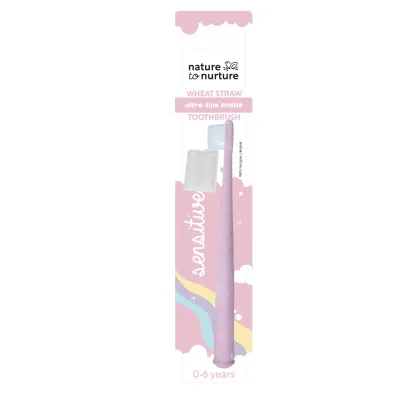
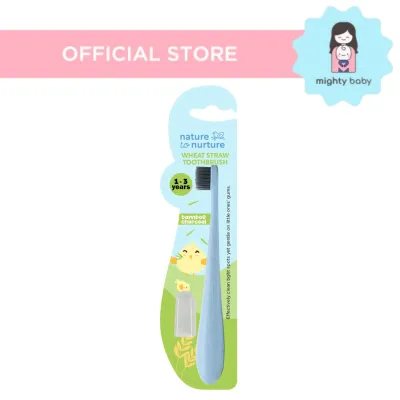
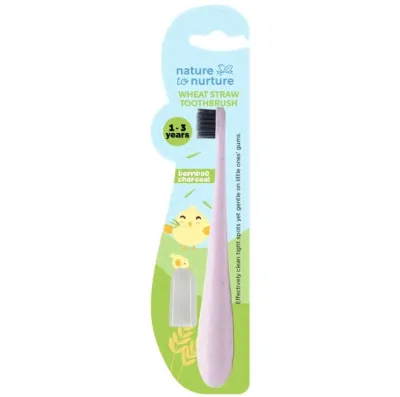
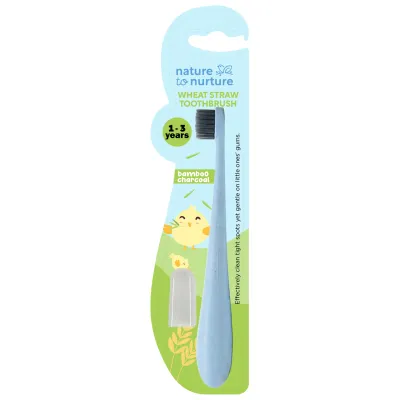
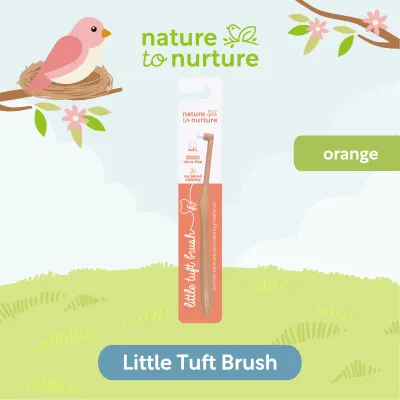
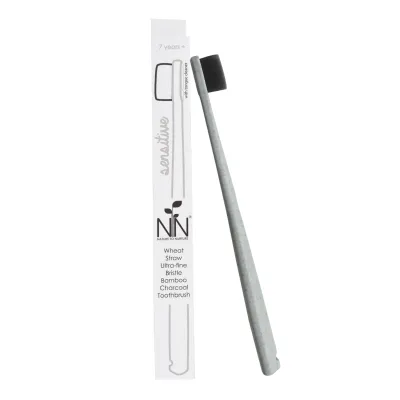
Prices are valid at publication and may change. Please refer to the product page for the latest price.
As your baby transitions into the toddler years, more teeth will emerge in rapid succession, including the wider premolars and molars. This stage demands a more robust cleaning approach because the grooves and crevices of these larger teeth are highly susceptible to trapping food particles. At the same time, toddlers are developing their fine motor skills and a strong desire for autonomy. The brushing routine must adapt to support their emerging independence while ensuring that parents can still perform a thorough secondary cleaning to reach the back of the mouth.
Because these developmental milestones vary widely from child to child, relying solely on chronological age can lead to choosing an unsuitable brush. A baby’s physical comfort is the ultimate guide. When selecting a Nurture toothbrush, always cross-reference the physical characteristics of the brush with your baby’s current mouth size, the number of teeth present, and their tolerance for different textures. Checking the manufacturer’s specific age and stage guidelines printed on the Nurture packaging provides a reliable baseline, but your direct observation of your baby’s comfort and oral anatomy should dictate the final choice.
Matching Nurture Toothbrush Features to Teething Stages
To navigate the selection process successfully, caregivers must understand how specific design elements correspond to different phases of oral growth. The primary variables to evaluate include the bristle material, the dimensions of the brush head, the presence of safety shields, and the ergonomic design of the handle. Each of these features serves a distinct purpose, whether it is protecting delicate tissues from excessive pressure or helping a small hand maintain a secure grip.

It is important to keep in mind that specific model names, color schemes, and stage numbers can vary across different product lines and regional distributions. Rather than searching for a highly specific product name that may not be available in your local market, focus on inspecting the physical attributes of the brush and reading the detailed label instructions on the packaging. This feature-based approach ensures you choose a safe and effective tool regardless of minor branding variations.
Pre-Teething and First Eruption (Gum Care and First Teeth)
During the pre-teething phase and the arrival of the very first teeth, the oral cavity is highly sensitive and easily irritated. For this delicate period, look for Nurture brushes made from high-quality, food-grade silicone. Silicone finger brushes are particularly effective because they fit snugly over a parent’s finger, allowing you to control the pressure precisely as you sweep over the gums and the tiny surfaces of the first emerging teeth. The soft, flexible bumps of a silicone brush provide a soothing massage that can help alleviate the throbbing discomfort of teething.
As more front teeth begin to appear, you may transition to a brush with an ultra-soft bristle texture. If the brush has a handle, it should feature an ergonomic design or a finger loop that allows you to maintain a secure, steady grip. This prevents accidental slips that could startle your baby or cause minor injuries to the back of their throat. A steady hand is crucial when navigating a small, moving mouth, especially when your baby is squirming due to teething discomfort.
Safety is the paramount concern during these early stages, as babies have a natural reflex to push objects deep into their mouths. When evaluating brushes for this stage, verify that the design includes a built-in choke guard or a protective shield. This wide collar prevents the brush from entering too far into the oral cavity, protecting the airway and giving parents peace of mind during brushing sessions. Always inspect the product packaging carefully to confirm these safety features are present and approved for early developmental use.
Active Teething and Multiple Teeth (Transitioning to Independence)
As your baby enters the active teething phase and begins to sprout multiple teeth, their oral care needs become more complex. This is the stage where you should look for brushes that feature slightly firmer, yet still rounded, bristles. These bristles are designed to clean the front, back, and chewing surfaces of multiple teeth simultaneously, effectively removing plaque while remaining gentle enough not to irritate the surrounding gums, which may still be swollen from incoming teeth.
This period is also characterized by your baby’s desire to mimic your actions and hold the brush themselves. To encourage this developmental milestone, look for Nurture brushes with easy-grip, chunky, or character-shaped handles. These handles are specifically engineered to fit the palmar grasp of small, developing hands, allowing your baby to explore the sensation of holding a brush. A non-slip texture on the handle is highly beneficial, as it prevents the brush from slipping out of wet, soapy hands during bath time or sink-side brushing.
Because babies at this stage naturally explore their environment by chewing, the toothbrush will inevitably double as a teething toy during brushing sessions. It is essential to ensure that the brush head size is small enough to fit comfortably in your baby’s expanding mouth without causing gagging. Additionally, verify that all materials are durable, non-toxic, and designed to withstand gentle biting. Caregivers must supervise every brushing session closely to ensure the baby does not chew excessively on the bristles, which can compromise the integrity of the brush.
Toddler Stage (Establishing a Brushing Routine)
By the time your child reaches the toddler stage, they will have a more complete set of primary teeth, including the first molars. This structural change requires a transition to a Nurture brush with a standard toddler-sized head and soft nylon bristles. Nylon bristles are highly effective at sweeping away stubborn plaque and food debris from the deep grooves of molars, which silicone brushes cannot clean as thoroughly. The brush head must remain compact enough to easily reach the very back of the mouth where molars reside.
The handle design for a toddler brush must strike a balance between supporting independent use and allowing parental intervention. Look for handles that are long enough for a parent’s hand to grasp comfortably alongside the toddler’s hand. This co-operative design allows you to guide their brushing motions and easily take over for the final, thorough clean. A handle with a flat base or a suction cup can also be highly practical, allowing the brush to stand upright on the bathroom counter to dry hygienically.
When purchasing a toddler toothbrush, check the packaging for advanced features that can make the routine more engaging and effective. Some models include replacement indicators, such as color-changing bristles that fade when it is time to discard the brush, or specialized non-slip thumb rests that teach correct finger placement. These visual and physical cues help establish healthy oral hygiene habits that will carry over into childhood.
Essential Safety, Hygiene, and Purchasing Checks
Ensuring the safety and authenticity of your baby’s toothbrush is just as important as choosing the right design. Before opening any new Nurture toothbrush, carefully inspect the packaging to ensure the safety seals are completely intact and have not been tampered with. Read the label to verify the clear age recommendations, material safety claims (such as being free from BPA, phthalates, and latex), and specific usage instructions. If the packaging appears damaged, torn, or lacks clear manufacturing details, do not use the product.
To protect your baby from counterfeit or substandard products, make it a rule to purchase oral care items exclusively from authorized retailers, official brand stores, or reputable e-commerce platforms. In the Philippines, where online shopping is highly popular, it is easy to encounter unauthorized sellers offering look-alike products at unusually low prices. While it might be tempting to save a few pesos (₱) by choosing unbranded alternatives, investing in authentic products from trusted sources ensures that the materials used are medical-grade, non-toxic, and have undergone rigorous quality control checks.
Maintaining proper hygiene is critical, especially in warm, humid tropical climates where mold and bacteria can thrive on damp surfaces. Before the first use, follow the manufacturer’s instructions for initial cleaning, which may involve washing with warm, soapy water or a brief sterilization process. After each brushing session, rinse the brush thoroughly under running water to remove all traces of toothpaste and food debris. Store the toothbrush upright in a clean, dry holder in a well-ventilated area, away from the toilet, and never cover a wet brush with a travel cap, as trapped moisture encourages rapid bacterial growth.
When to Upgrade or Replace Your Baby's Toothbrush
Knowing when to replace your baby’s toothbrush is essential for maintaining both oral hygiene and physical safety. The most obvious indicators for immediate replacement are physical signs of wear and tear. Inspect the brush weekly for frayed, splayed, or missing bristles, as worn bristles lose their effectiveness at removing plaque and can scratch sensitive gums. For silicone brushes, look closely for any signs of degradation, such as tearing, cracking, or discoloration, which can occur if your baby has been biting down hard on the material.
Developmental milestones also dictate when it is time to upgrade to the next stage of Nurture brushes. If your baby has developed a stronger grip, has sprouted several new teeth, or is actively pushing away a finger brush in favor of holding a traditional handle, these are clear signs they are ready for a transition. Additionally, the eruption of the first molars is a critical milestone that requires moving from a silicone or extra-soft starter brush to a standard toddler brush with soft nylon bristles to ensure proper cleaning of the chewing surfaces.
It is common for babies and toddlers to resist a new toothbrush texture or shape when transitioning between stages. If your baby rejects a new brush, avoid forcing the issue, as this can create a negative association with oral hygiene. Instead, introduce the new brush gradually by letting them hold and explore it during playtime or bath time without any toothpaste. You can also try alternating between the old and new brush for a few days, gradually increasing the use of the new brush until your child becomes fully comfortable with the change.
Frequently Asked Questions (FAQ)
How often should I replace my baby's Nurture toothbrush?
You should generally replace your baby’s Nurture toothbrush every three months, or sooner if you observe any physical signs of wear. Always check the manufacturer’s packaging for specific replacement intervals, as different materials like silicone and nylon degrade at different rates under daily use. If your baby has recently recovered from an illness, such as a cold or a throat infection, it is highly recommended to replace the toothbrush immediately to prevent reinfection or the buildup of harmful bacteria on the bristles.
What should I do if my baby refuses to use the new toothbrush stage?
If your baby refuses to transition to a new toothbrush stage, start by introducing the new brush in a low-pressure environment outside of the normal brushing routine. Allow your baby to hold, touch, and explore the brush as a toy or a teether to build familiarity with the new texture. You can also try brushing your own teeth in front of them to model the behavior, as toddlers love to copy their parents. If the refusal persists, causes significant distress, or if you have concerns about your baby’s oral development or gum sensitivity, consult a pediatric dentist for professional guidance.

Community discussion
Share your experience or ask a question. Comments are reviewed before publication.