
Finding the right breast cover for women navigating motherhood in the Philippines is a highly personal journey. There is no single ideal nursing cover that works for every mother, as the most suitable choice depends heavily on your daily lifestyle, the local tropical climate, and your baby’s unique feeding habits. Some babies prefer complete darkness and quiet during feeds, while others become fussy if they cannot see their mother’s face or if they feel too warm.
In a country characterized by high humidity and warm temperatures, selecting a nursing cover requires balancing privacy with comfort and safety. A cover that is too thick can quickly become uncomfortable for both you and your baby, leading to a fussy feeding session. This guide is designed to help you evaluate different fabric types, cover styles, and safety features so you can make an informed decision that supports your breastfeeding journey, whether you are at home, running errands in an air-conditioned mall, or traveling.
Key Features to Look for in a Breast Cover for Women
When shopping for a breast cover for women, several essential design and material features dictate how practical, safe, and comfortable the accessory will be for daily use. Because you will likely use this cover multiple times a day, understanding these core features will help you narrow down your options before making a purchase.
Products mentioned in this guide
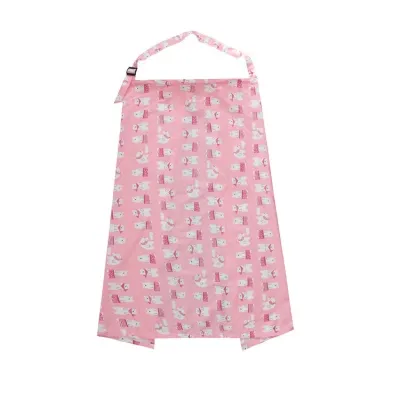
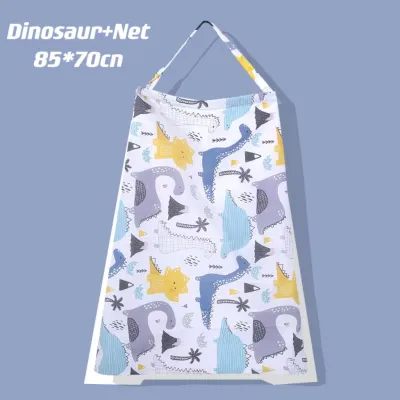
Prices are valid at publication and may change. Please refer to the product page for the latest price.
The most critical factor to consider in the local context is fabric breathability and weight. The tropical climate and high humidity levels mean that heavy, synthetic fabrics can trap heat rapidly, creating a stifling environment for your baby. Look for lightweight, moisture-wicking materials such as bamboo rayon, lightweight cotton, or open-weave muslin. These fabrics allow air to circulate freely, keeping your baby cool and reducing the risk of overheating during a feed.
Adequate coverage area is another vital consideration. The cover should provide enough privacy to make you feel comfortable feeding in public spaces, such as restaurants, parks, or public transport, without restricting your baby’s airway or your own arm movement. A cover that is too small may slip or shift when your baby moves, while one that is excessively large can drape heavily over the baby, making it difficult to monitor their latch and breathing.
Adjustability is key to accommodating different body types, clothing styles, and nursing positions. Look for covers with adjustable neck straps, D-ring buckles, or flexible ties. These features allow you to customize the fit, ensuring the cover sits at the correct height so you can maintain eye contact with your baby while keeping your hands free to support their head and body.
Finally, consider the ease of cleaning and machine-washability. Nursing covers frequently encounter milk spills, spit-up, drool, and sweat. A practical cover should be durable enough to withstand frequent washing without losing its shape, shrinking, or fading. Checking the manufacturer’s care label to ensure the fabric is machine-washable will save you significant time and effort in your daily routine.
Common Types of Nursing Covers and Their Best Uses
Different nursing cover designs balance privacy, airflow, and versatility in unique ways. No single style excels in every situation, so understanding how each design functions will help you build a shortlist based on your primary use cases, daily routines, and personal comfort levels.

Apron-Style Covers for Maximum Airflow
Apron-style nursing covers feature a flat piece of fabric that drapes over your front, secured by a strap around your neck. The defining feature of this style is a structured, rigid neckline—often made of a flexible material like plastic or boning—that bows outward. This structured opening is highly beneficial because it keeps the fabric off your baby’s face, maintains excellent ventilation, and allows you to look directly down to monitor your baby’s latch and breathing.
However, apron-style covers have distinct limitations when it comes to side and rear coverage. Because the fabric only hangs in front of you, your sides and back remain exposed. In windy outdoor environments or highly crowded spaces, a sudden gust of wind or a passing crowd can easily displace the fabric, potentially causing unexpected exposure.
This style is ideal for use in well-ventilated indoor spaces, at home, or in familiar, relaxed environments where you want maximum airflow and easy visual contact with your baby without needing full 360-degree coverage.
Multi-Use Infinity Covers for Versatility
Multi-use infinity covers are designed as a continuous, stretchy tube of fabric that can be worn around your neck as a stylish scarf when not in use. When it is time to feed, you simply stretch the fabric over your torso and your baby. This design is highly valued by mothers who appreciate multi-functional baby gear, as it can also double as a stretchy cover for infant car seats, a canopy for strollers, or a clean barrier over shopping cart seats.
The primary trade-off with infinity covers is airflow. Because they fit snugly and are often made of blended synthetic fabrics like polyester and spandex to achieve their stretch, they can trap heat more easily than open apron styles. Additionally, because there is no structured neckline, the fabric may rest directly against your baby’s face if you do not actively hold or position it to create a pocket of air.
These covers are best suited for quick feeds in air-conditioned environments, such as shopping malls, clinics, or offices, where the ambient temperature is cooler and the multi-use functionality provides excellent convenience.
Poncho-Style Covers for Full 360-Degree Coverage
Poncho-style nursing covers resemble a wide, loose-fitting poncho or shirt that slips completely over your head, providing full 360-degree coverage. This design ensures that your front, sides, and back are entirely covered, eliminating the need to constantly adjust the fabric or worry about side exposure when your baby kicks or pulls at the cover.
While ponchos offer excellent privacy and freedom of movement, they can be bulkier and heavier than other styles. The complete enclosure means that airflow is naturally reduced compared to an open apron-style cover. In warm, outdoor settings without air conditioning, a poncho-style cover can quickly become warm and stuffy for both mother and baby.
This style is highly recommended for travel, outdoor events, or situations where you require maximum discretion and want to adjust your clothing underneath the cover without any risk of exposure.
How to Evaluate Comfort and Fit Before Buying
Before finalizing your purchase on local online marketplaces or at a baby boutique, it is important to perform a few practical checks to ensure the nursing cover is safe, comfortable, and suitable for your needs.
First, always check the manufacturer labels and product descriptions for material safety. Look for covers made with baby-safe, non-toxic dyes and hypoallergenic materials, as the fabric will directly touch your baby’s sensitive skin. Clear care instructions are also a must; avoid fabrics that require complex hand-washing or dry-cleaning routines unless you are prepared for the extra maintenance.
When purchasing from ecommerce platforms, carefully verify the seller’s return and exchange policies. Because nursing covers are personal hygiene items, many platforms and brands have strict rules regarding returns. Ensure you understand whether you can return the item if it arrives damaged, or if returns are only accepted if the hygiene seals are intact and the product is completely unworn.
If you are considering an apron-style cover, pay close attention to the rigidity of the neckline. The insert that holds the neckline open should be flexible yet sturdy enough to maintain its curved shape. It should not have sharp or rough edges that could scratch your baby’s skin or dig uncomfortably into your neck.
Once your cover arrives, test it at home before using it in public. You can practice positioning the cover using a doll or during a quiet feeding session at home. Use this practice run to check your visibility of the baby, your arm mobility, and how easy it is to adjust the straps with one hand while holding your baby.
Practical Tips for Using and Maintaining Your Nursing Cover
Using a nursing cover effectively requires a bit of practice to ensure both you and your baby remain comfortable and safe during every feed.
When positioning the cover, always prioritize your baby’s safety. Ensure that the fabric does not drape tightly over your baby’s nose or mouth. Your baby’s airway must remain completely clear and unobstructed at all times. Use the structured neckline or your hand to create a spacious canopy, and check on your baby frequently to monitor their breathing, skin temperature, and feeding progress.
To maintain the hygiene and longevity of your cover, always follow the specific fabric care labels. Stretchy materials containing spandex or elastane should generally be washed in cool water and air-dried, as high heat from a dryer can degrade the elastic fibers over time. For cotton or bamboo covers, gentle machine washing with a mild, baby-safe detergent helps prevent skin irritation for your little one.
Proper storage is also essential for keeping the cover clean when you are on the go. Avoid tossing the cover loosely into your diaper bag where it can come into contact with dirty shoes, keys, or spilled snacks. Instead, fold it neatly and store it in a dedicated, clean pouch or wet bag so it remains dry, hygienic, and easily accessible whenever your baby is ready to feed.
Finally, learn to recognize when it is time to replace your nursing cover. Over time, frequent washing and daily wear can cause fabrics to thin, seams to fray, or elastic bands to lose their stretch. If you notice persistent stains that do not wash out, a structured neckline that has lost its shape, or fabric that feels rough against the skin, it is time to invest in a replacement to ensure your baby’s continued comfort and safety.
Frequently Asked Questions (FAQ)
Can I use a regular scarf or lightweight blanket instead of a dedicated nursing cover?
While it is tempting to use a regular scarf or a lightweight blanket, dedicated nursing covers are designed with specific safety and practical features that improvised items lack. Regular blankets, especially those made of heavy or tightly woven fabrics, carry a risk of trapping heat and restricting airflow, which can cause your baby to overheat quickly in a tropical climate. Furthermore, standard scarves and blankets do not have structured necklines or secure straps, meaning they can easily slip off, block your view of the baby’s latch, or drape directly over the baby’s face. If you must use an alternative in an emergency, a clean, highly breathable muslin swaddle cloth is a safer temporary option, provided you monitor your baby’s airway and temperature constantly.
Are nursing covers strictly necessary for breastfeeding in public?
No, nursing covers are not strictly necessary, and the decision to use one is entirely a matter of personal preference and comfort. In the Philippines, public breastfeeding is protected and supported, and many mothers choose to nurse openly without any cover. However, some mothers find that a cover provides a helpful sense of privacy and helps them feel more relaxed, which can actively support the milk let-down reflex. Other babies are easily distracted by sights and sounds in public spaces, and a lightweight cover can help them focus on feeding. Ultimately, you should prioritize what works best for you and your baby, ensuring a safe latch and clear airway, rather than feeling pressured by external expectations.

Community discussion
Share your experience or ask a question. Comments are reviewed before publication.