
Transitioning your baby from breast or bottle feeding to an independent drinking cup is a major milestone in their early development. As you navigate this weaning journey, you will likely encounter a wide array of training cups designed to help your little one master the art of sipping. Nuby offers a diverse lineup of training cups, primarily categorized into spout cups, straw cups, and 360-degree cups, each tailored to support different stages of oral and motor skill progression. Finding the perfect match for your baby is not merely a matter of matching their chronological age to a box label; instead, it requires observing their physical readiness, oral mechanics, and unique weaning milestones to ensure a smooth, frustration-free transition.
Identifying Your Baby's Current Drinking Milestones
Before purchasing any training cup, it is essential to assess your baby’s physical capabilities and developmental readiness. Babies develop at their own pace, and their ability to handle a cup depends heavily on their gross and fine motor skills. Look for clear, observable signs of readiness, such as the ability to sit upright unassisted in a high chair, reaching out deliberately for toys or utensils, and successfully swallowing smooth purees without automatically pushing them out with their tongue. If your baby can bring their hands to their mouth reliably, they are likely ready to begin experimenting with a training cup.
The transition to a cup also depends on where your baby stands in their weaning journey. Early weaning typically involves introducing small sips of water alongside solid foods to help your baby learn the mechanics of swallowing liquids from a new source. This is quite different from active weaning, where cup drinking begins to replace regular breast or bottle milk feeds entirely. Recognizing this distinction helps you set realistic expectations; early sips are about practice and exploration, while active weaning requires a cup that can comfortably handle larger volumes of liquid and support more sustained drinking sessions.
Products mentioned in this guide
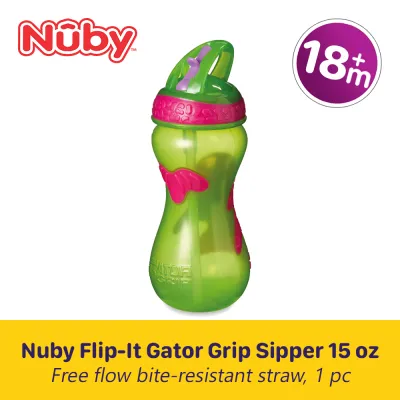
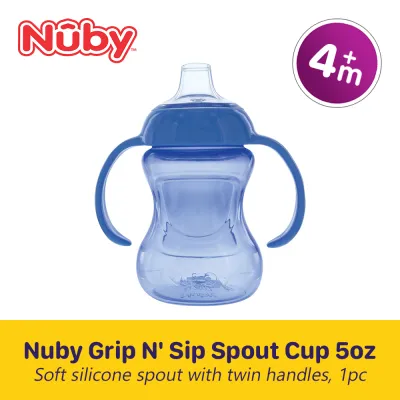
Prices are valid at publication and may change. Please refer to the product page for the latest price.
Relying solely on chronological age guidelines can lead to frustration for both you and your baby. A baby might be six months old but still lack the hand-eye coordination to tip a cup, while another baby might master a straw cup earlier than expected. Oral development—specifically how your baby uses their tongue, lips, and jaw—is a far more reliable indicator for cup selection than the age range printed on the packaging. Observing how they interact with spoons and teething toys can give you valuable clues about which cup design will feel most natural to them.
While encouragement is key, it is equally important to know when to pause the transition. If your baby consistently coughs, sputters, or shows signs of swallowing difficulties when using a training cup, their oral motor skills may not yet be mature enough for that specific flow rate. Similarly, a persistent lack of grasping coordination or extreme frustration during cup time suggests it is best to take a step back. In these situations, temporarily return to the bottle or breast and consult your pediatrician to ensure your baby’s developmental milestones are on track before trying again.
Comparing Nuby Cup Designs: Spout, Straw, and 360
Understanding the structural differences among Nuby’s primary cup designs is crucial for selecting the right tool for your baby’s current stage. Each design controls liquid flow differently, demands distinct oral muscle movements, and serves as a stepping stone toward the ultimate goal of drinking from a standard open cup.

Spout Cups for Early Sipping
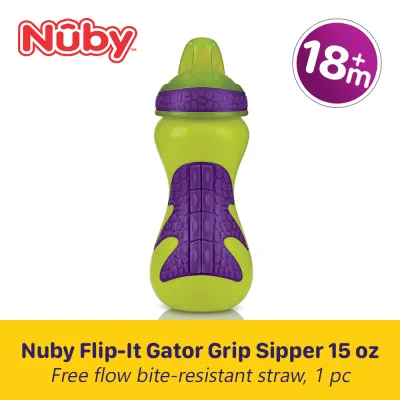
Spout cups are often the first step after the bottle because they feature a familiar, protruding shape that babies can easily guide into their mouths. When selecting a spout cup, you will find options ranging from ultra-soft silicone spouts to rigid, hard plastic designs. Soft silicone spouts mimic the familiar texture of a bottle nipple, making them highly comforting for beginners, while built-in flow control valves prevent liquid from rushing out too quickly and causing choking.
These cups are ideal for babies who are just starting their weaning journey and still rely on a familiar sucking motion. Because spout cups require the baby to tilt their head back to drink, they help transition the baby away from the horizontal feeding position used during bottle or breast feeds. This tilting action helps build neck strength and basic hand-eye coordination as they learn to lift the cup higher to keep the liquid flowing.
However, spout cups have limitations, particularly regarding long-term oral development. Prolonged use of soft spouts can prolong the baby’s infantile sucking reflex rather than encouraging mature swallowing patterns. Additionally, hard plastic spouts can pose dental considerations if used excessively or allowed to rest constantly against developing teeth. It is important to check the manufacturer’s guidelines to determine when to transition away from spouts and move toward more advanced drinking designs.
Straw Cups for Advanced Suction
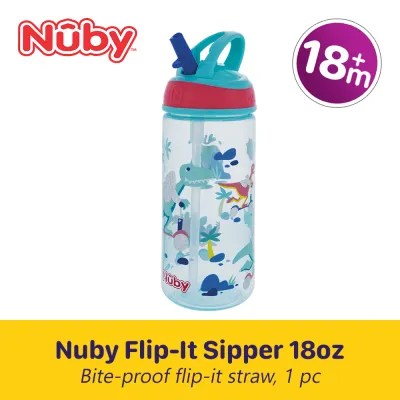
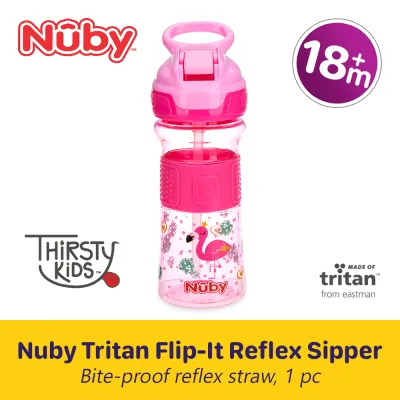
Straw cups represent a significant step forward in oral motor development, requiring a completely different set of muscles than bottle feeding or spout drinking. Nuby straw cups often incorporate innovative features such as weighted straws that follow the liquid, allowing your baby to drink from any angle, even when tilted. They also feature bite-resistant valves and spill-proof mechanisms that keep liquid locked inside until the baby applies active suction.
These cups are highly suited for babies who have developed the oral strength to draw liquid upward and can hold a cup steadily with both hands. Drinking from a straw encourages excellent lip closure, tongue retraction, and cheek strength, all of which are vital for speech development and mature swallowing patterns. Because the baby does not need to tilt their head back to drink from a straw, these cups are highly convenient for active toddlers on the go.
The primary limitation of straw cups lies in their structural complexity. The internal valves, weighted bases, and narrow straw tubes contain multiple small crevices where moisture can easily become trapped. In warm, humid tropical climates like the Philippines, this trapped moisture can quickly lead to mold buildup if the cup is not cleaned meticulously. Parents must be prepared to disassemble the parts completely, use specialized straw brushes, and replace worn-out straw components regularly to maintain hygiene.
360-Degree Cups for Open-Cup Practice
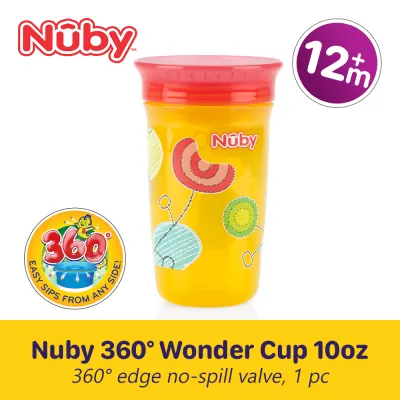
The 360-degree cup is designed to mimic the experience of drinking from a regular open cup while eliminating the messy spills that typically accompany early practice. These cups feature a clever silicone-rim edge or valveless design that seals shut when not in use. When the baby presses their lips against any part of the rim and sips, the seal releases slightly to let a controlled stream of liquid flow.
This design is ideal for older babies and toddlers who are preparing for the final transition to standard glassware. Using a 360-degree cup helps your child develop a proper lip seal, correct tongue placement, and the precise swallowing coordination needed to manage a free-flowing liquid edge. It teaches them to control the tilt of the cup using their own hand movements without the risk of drenching their clothes during every meal.
Despite their spill-resistant design, 360-degree cups do require a higher level of hand-eye coordination and physical control. If a baby drops or throws the cup from a high chair onto a hard floor, the impact can momentarily break the silicone seal, resulting in minor splatters or drips. Additionally, babies who have not yet mastered the concept of lip pressure may find it difficult to release the liquid initially, requiring some patience and demonstration from parents.
Matching the Cup to Your Baby's Motor Skills and Needs
Selecting the right training cup involves matching your baby’s observable physical behaviors to the design that best supports their current capabilities. If you notice your baby constantly biting down on their cup’s spout, they may be teething and seeking oral relief, making a durable, bite-resistant straw cup or a firmer spout cup a better option. If your baby struggles to draw liquid from a straw and becomes frustrated, they may not have developed the necessary suction strength yet, suggesting a temporary return to a free-flowing soft spout cup. Conversely, if your baby loves to tip their cup completely upside down to watch the liquid fall, a highly secure 360-degree cup or a weighted straw cup will minimize mess while they explore gravity.
Many parents find success by using a mixed-preference strategy rather than sticking to a single cup type. For example, you might offer water in a straw cup during playtime to keep your baby hydrated on hot afternoons, while reserving a 360-degree cup for milk during sit-down family meals. This approach keeps mealtime engaging and allows your baby to practice different oral mechanics throughout the day. Always check the specific product packaging for the manufacturer’s recommended age and developmental stage to ensure the cup’s flow rate and weight are appropriate for your child.
Handle design is another critical factor to evaluate when choosing a cup. For younger babies with developing grip strength, dual ergonomic handles that are easy to grasp help them lift and stabilize the cup independently. As your baby’s hand size and finger coordination improve, you can transition to handleless, contoured cups that mimic the shape of adult cups, helping them refine their fine motor control and prepare for standard tableware.
Essential Safety, Cleaning, and Maintenance Checks
Ensuring the safety and hygiene of your baby’s training cup requires consistent daily maintenance and careful inspection. Before every single use, perform a quick pre-use check by inspecting all silicone valves, spouts, and straws. Look closely for any signs of tears, deep bite marks, or general wear and tear; damaged silicone parts can easily tear off during drinking, presenting a serious choking hazard. If you detect any structural weakness, discard the damaged component immediately.
Proper cleaning protocols are especially vital in warm, humid environments where bacteria and mold thrive rapidly. Always disassemble the cup completely after use, removing the silicone valves, straws, and collar rings from the main body. Wash all parts thoroughly in warm, soapy water, using specialized small brushes to clean inside narrow straw tubes and valve crevices. If you prefer using a dishwasher, verify the product label first to confirm which parts are dishwasher-safe, and always place delicate silicone components on the top rack to prevent heat damage.
When purchasing a training cup, always verify the materials used in its construction. Look for clear “BPA-free” labels on the packaging to ensure the plastic is safe for food contact. You can also check the plastic recycling codes molded into the base of the cup to verify the material type. Avoid exposing plastic cups to extreme heat or harsh chemical sterilizers unless the manufacturer’s instructions explicitly state it is safe to do so, as excessive heat can degrade the plastic over time.
Be vigilant for clear signs that a cup or its individual components need immediate replacement. If you notice persistent discoloration, a sour odor that remains after thorough washing, or visible black spots inside the straw or valve, mold has likely taken root, and the part must be replaced. Additionally, if the plastic cup body becomes heavily scratched, cloudy, or cracked, it is time to retire the cup to prevent bacteria from harboring in the micro-scratches.
Transitioning Between Cup Types
As your baby grows, their drinking skills will naturally evolve, signaling that it is time to transition to a more advanced cup type. Watch for clear signs that your baby has outgrown their current cup, such as chewing aggressively through soft silicone spouts, showing signs of frustration or boredom with a slow flow rate, or attempting to drink from the rim of their spout cup. These behaviors indicate they are ready for a new physical challenge, such as a straw or 360-degree design.
To introduce a new cup type smoothly, try doing so during a relaxed, low-stress mealtime when your baby is not overly hungry or tired. You can encourage interest by filling the new cup with a small amount of breast milk, formula, or water, and demonstrating how to use it yourself. Avoid forcing the transition; if your baby rejects the new cup, simply put it away and try again a few days later to prevent mealtime anxiety.
It is completely normal for babies to experience temporary developmental regressions during their weaning journey. During periods of intense teething, illness, or major routine changes, your baby may seek comfort in the familiar sucking motion of an older, preferred cup or bottle. Do not view this as a setback; allow your baby the comfort they need, and gently reintroduce the advanced training cup once they are feeling better and more receptive to learning.
Frequently Asked Questions (FAQ)
Can I put hot liquids in a Nuby training cup?
No, you should avoid putting hot liquids into any spill-proof training cup. When warm or hot liquids are sealed inside a cup, they create steam and pressure buildup that can force the liquid upward through the straw or valve, causing sudden, unexpected leaks or spraying. This pressure can also compromise the cup’s seals and potentially cause burns if the hot liquid contacts your baby’s sensitive skin. Always check the manufacturer’s maximum temperature guidelines on the product packaging, and ensure liquids are cooled to a safe, lukewarm temperature before filling the cup.
Why is my baby biting the spout instead of drinking?
Biting the spout is a very common behavior, especially for babies who are actively teething or exploring new textures with their mouths. The soft silicone of a training cup spout provides a satisfying, resistant surface that helps soothe sore gums. If your baby is consistently biting the spout instead of drinking, inspect the part regularly for damage. You may want to offer a dedicated teething toy before cup time, or consider transitioning to a firmer, hard plastic spout, a bite-resistant straw cup, or a 360-degree cup to protect the soft components from being destroyed.
Are all parts of the cup dishwasher safe?
Dishwasher safety varies significantly depending on the specific model and the material of each individual component. While many plastic cup bodies and hard plastic lids are safe for the dishwasher, delicate silicone valves, weighted straws, and soft spouts can easily degrade or become lost in the appliance’s heating elements. Always verify the exact care instructions and top-rack recommendations printed on the product label before washing. To prolong the lifespan of delicate silicone parts, hand washing with warm, soapy water and a soft brush is often the safest approach.

Community discussion
Share your experience or ask a question. Comments are reviewed before publication.