
Choosing the right weaning tools involves matching your baby’s physical milestones with the specific features of each cup, bowl, and spoon. Nuby offers a wide range of products designed to ease this transition, but the key to success lies in verifying the age recommendations, material safety, and cleaning requirements on each product label. By focusing on your child’s current developmental stage—whether they are just tasting their first purees or actively practicing self-feeding—you can select tableware that supports their motor skills while keeping mealtime safe and manageable.
As you begin this journey, it is important to remember that every infant develops at their own pace. A cup or plate that works well for one baby might not suit another of the exact same age. Therefore, understanding how to evaluate the design, materials, and safety features of these products is essential for making an informed purchase.
Understanding Weaning Needs and Nuby's Design Approach
Weaning is a multi-stage process that transitions a baby from a purely liquid diet to solid family foods. During the initial stage, which typically begins around six months of age, babies learn to swallow smooth purees from a spoon. This stage requires soft, gentle materials that will not irritate sensitive, teething gums. As babies grow, they enter a transitional stage where they begin to grasp foods, explore textures, and attempt to feed themselves using their hands and early utensils.
Products mentioned in this guide


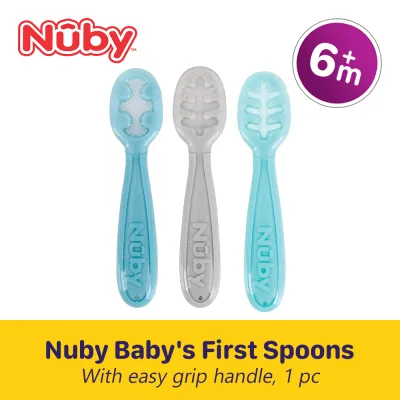
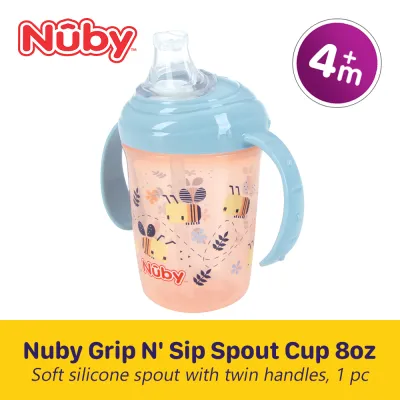
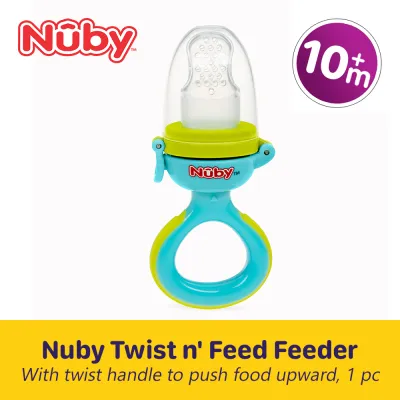
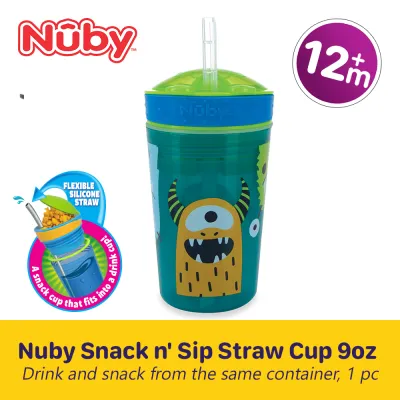
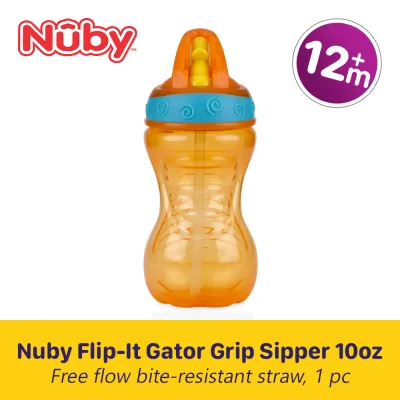
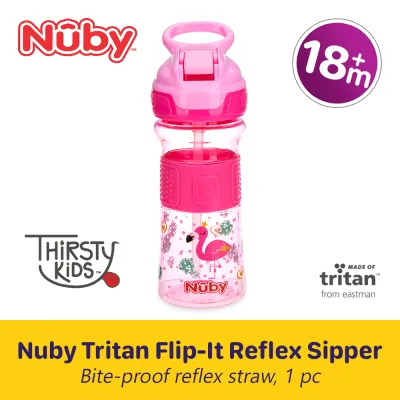
Prices are valid at publication and may change. Please refer to the product page for the latest price.
In the later stages of weaning, toddlers develop the coordination needed to handle more complex tableware, such as divided plates and open or spoutless cups. Nuby designs its weaning lines with these developmental shifts in mind, incorporating features like textured easy-grip handles, soft silicone edges, and bright, engaging colors. These design elements are intended to stimulate a baby’s interest in food while accommodating their developing motor skills.
When selecting weaning items, parents must prioritize ease of cleaning, durability, and storage convenience. In warm, humid tropical climates, moisture can quickly accumulate in small crevices, leading to mold or mildew growth. Tableware with simple, open designs or parts that disassemble completely is highly beneficial for maintaining hygiene. Additionally, durable materials that can withstand frequent drops from high chairs are necessary to ensure long-term usability and safety.
Selecting Nuby Cups for Different Drinking Stages
Transitioning from a breast or bottle to a cup is a significant milestone that requires different cup designs as your baby’s oral motor skills mature. For early weaning, transition cups featuring soft silicone spouts or weighted straws are often recommended. These designs allow babies to use a familiar sucking motion while learning to hold a cup upright. Weighted straws are particularly useful because they bend to follow the liquid, allowing the baby to drink from any angle.

As your baby develops better jaw stability and tongue control, you can introduce spoutless or 360-degree training cups. These cups allow toddlers to drink from any position around the rim, much like an adult open cup, but without the risk of major spills. This design supports the development of mature swallowing patterns by encouraging the tongue to rest in a natural position. It also helps strengthen the muscles in the lips and jaw, which are essential for speech development.
Before purchasing any training cup, always verify the essential features listed on the product packaging. Look for clear “BPA-free” labels to ensure the plastic is free from bisphenol A. Check for leak-proof valves that prevent spills when the cup is dropped or tipped over, but ensure these valves can be easily removed for thorough cleaning. Easy-grip handles are also crucial for younger babies who are still developing their palmar grasp, as they allow for a more secure, independent hold.
Choosing Nuby Bowls and Plates for Mess-Free Meals
Self-feeding is an important part of a baby’s development, but it inevitably leads to messy mealtimes. To minimize spills and keep food on the high chair tray, look for bowls and plates equipped with suction bases or non-slip bottoms. A strong suction base secures the dish to the surface, preventing the baby from lifting, throwing, or tipping their food. When evaluating these products, keep in mind that suction strength can vary depending on the surface material; smooth plastic or glass surfaces generally provide a stronger hold than textured wood.
Divided plates are highly useful for older babies and toddlers who are exploring baby-led weaning. These plates feature separate compartments that allow you to portion different food groups, such as fruits, vegetables, proteins, and grains, without them mixing. This separation can make meals more visually appealing to young children and helps them identify distinct tastes and textures. For early weaning stages involving purees, traditional soups, or local dishes like lugaw, standard deep bowls with high, curved sides are more practical as they make scooping easier for the caregiver.
Always check the manufacturer’s specifications on the packaging or the bottom of the tableware for heat-resistant properties. Verify whether the items are labeled as microwave-safe or dishwasher-safe. Some suction rings or decorative plastic elements may warp or lose their suction capabilities when exposed to high heat in a microwave or dishwasher. Ensuring that the product is rated for these appliances will help maintain its structural integrity and prolong its lifespan.
Picking Nuby Utensils for Developing Motor Skills
The right utensils can make a significant difference in how quickly and safely a baby learns to feed themselves. For the earliest stages of weaning, soft-tipped spoons are highly recommended. These spoons feature flexible silicone or soft elastomer tips that are gentle on delicate gums and emerging teeth. The soft material also prevents accidental injury if the baby moves suddenly while the spoon is in their mouth.
As babies transition to self-feeding, they initially use a palmar grasp, holding utensils with their entire fist. To accommodate this, look for spoons and forks with short, chunky, and textured handles. These easy-grip handles are designed specifically for small hands, making it easier for the baby to control the utensil and guide it successfully to their mouth. Textured surfaces also prevent the utensil from slipping out of soapy or food-covered fingers.
When your baby is ready to transition to solid food pieces, look for forks with blunt, rounded tines. These forks should be sturdy enough to pierce soft foods like steamed vegetables or ripe fruits, but rounded enough to prevent any oral discomfort or injury. Avoid metal tines during the early stages of self-feeding, and stick to baby-safe plastics or silicone-coated options until your child has developed precise hand-eye coordination.
Safety, Materials, and Care Instructions to Verify Before Buying
Prioritizing safety is paramount when choosing any product that comes into contact with your baby’s food. Always check the product packaging for accurate age grading, weight limits, and safety compliance marks. Manufacturers design products for specific developmental stages, and using an item before your baby is ready can pose safety risks, such as choking hazards from small parts or oral discomfort from rigid materials.
Proper maintenance is essential for keeping weaning tableware hygienic and safe. Review the manufacturer’s instructions carefully for sterilization limits, dishwasher safety, and recommended replacement timelines. While some materials can withstand boiling water or steam sterilization, others may degrade quickly under high heat. In humid environments, ensure all parts are completely dry before assembly and storage to prevent the growth of mold and bacteria.
When purchasing Nuby products, compare prices across authorized physical baby shops and reputable online marketplaces to ensure you are buying genuine items. In the local market, a single weaning spoon may cost around ₱150, while complete suction bowl and plate sets can range from ₱500 to ₱1,200. Be cautious of extremely low prices on unauthorized platforms, as counterfeit baby products may not comply with safety standards and could contain harmful chemicals or low-quality plastics.
Regularly inspect all weaning tableware for signs of wear and tear. Silicone components can degrade over time, becoming sticky, discolored, or prone to tearing. Plastic items may develop cracks or scratches where bacteria can hide. If you observe any of these signs, or if a product develops a lingering odor that thorough washing cannot remove, replace the item immediately to ensure your baby’s continued safety.
Frequently Asked Questions (FAQ)
When should I introduce a spoutless cup to my baby?
You can generally introduce a spoutless or 360-degree cup when your baby shows signs of readiness, such as the ability to sit upright independently, hold objects securely, and coordinate hand-to-mouth movements. This transition often occurs around 12 months of age, but developmental timelines vary. If you are unsure about your baby’s oral motor development or readiness for advanced drinking tools, consult your pediatrician for personalized guidance.
Are Nuby suction bowls microwave safe?
To verify if a specific Nuby suction bowl is microwave safe, always check the bottom of the bowl or the original packaging for the explicit microwave-safe symbol or manufacturer instructions. Some bowls feature removable suction bases made of materials that should not be microwaved. Never heat products that contain metal components or those not explicitly cleared by the manufacturer for microwave use, as this can damage the product or create hot spots in the food.
How often should I replace silicone weaning utensils?
Silicone weaning utensils should be inspected regularly and replaced at the first sign of degradation. Look for observable changes such as discoloration, stickiness, tears, cracks, or a persistent odor that remains after thorough washing. While high-quality silicone is durable, frequent exposure to heat, food acids, and dishwashing can shorten its lifespan. Always follow the manufacturer’s recommended replacement timeline and discard any damaged items immediately.

Community discussion
Share your experience or ask a question. Comments are reviewed before publication.