
Transitioning your baby from breast or bottle feeding to a cup is a major milestone in their weaning journey. A reliable no-spill sippy cup helps manage the inevitable messes while your little one learns to navigate this new physical skill. However, choosing the right cup requires looking past bright colors and marketing buzzwords. Parents must evaluate how different designs support oral motor development, check the safety of materials, and assess how easy the cup is to clean in daily life. By focusing on these practical factors, you can find a cup that matches your baby’s developmental stage and makes the weaning process smoother for the entire household.
Why No-Spill Sippy Cups Matter During Weaning
During the first few months of life, babies rely on a sucking reflex to draw milk from a breast or bottle. This action involves a forward-and-backward movement of the tongue. As you begin introducing solid foods and water around six months of age, your baby needs to transition to a mature swallowing pattern. This new pattern requires lifting the tongue and using the lips to seal around the edge of a cup.
A no-spill sippy cup serves as a helpful developmental bridge during this transition. Unlike open cups, which can lead to immediate spills and wet clothes, spill-proof models control the flow of liquid. They typically feature a valve that only opens when the baby applies suction or bites down. This design allows your baby to practice holding a cup, tilting it, and bringing it to their mouth without the frustration of constant spills.
Products mentioned in this guide
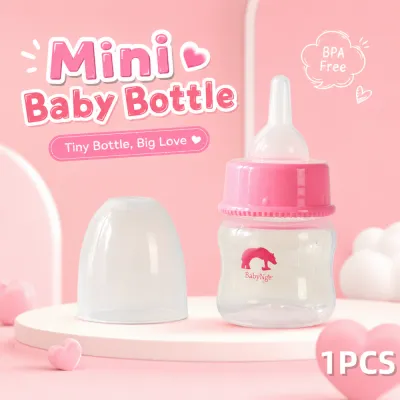
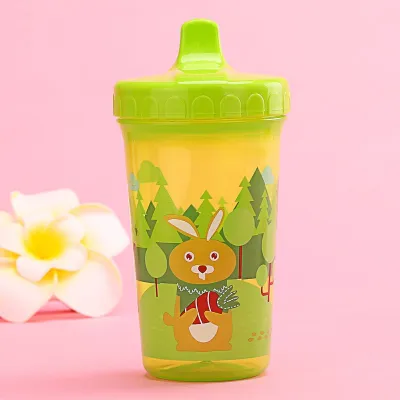
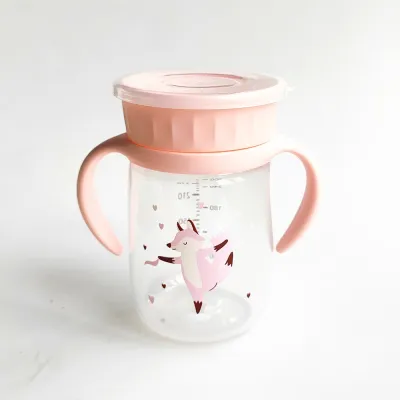
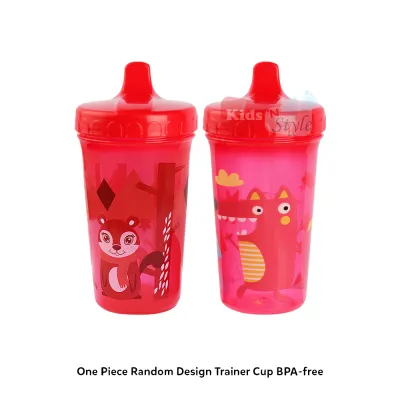
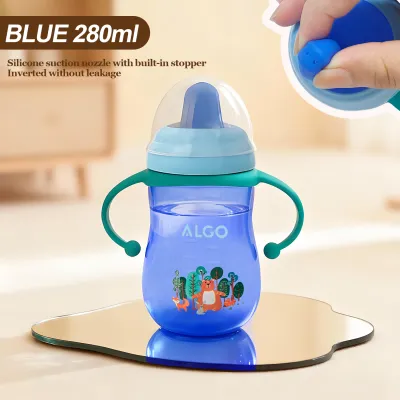
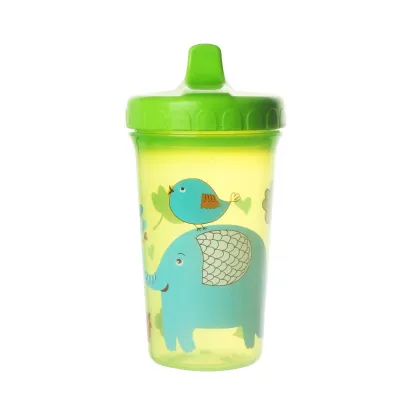
Prices are valid at publication and may change. Please refer to the product page for the latest price.
However, it is important to understand that spill-proof cups are a temporary tool rather than a permanent solution. While they are incredibly convenient for keeping your floors dry, relying on them for too long can limit the development of advanced oral motor skills. Pediatric experts generally recommend introducing these cups around six months of age and gradually transitioning your child toward free-flow straw cups or open cups by their first birthday. Balancing convenience with developmental progress ensures your baby builds the muscle strength needed for proper chewing and speech.
Key Features to Evaluate When Shopping
When browsing online marketplaces or local baby boutiques, the sheer variety of sippy cups can be overwhelming. To make an informed decision, you need to look closely at the specific features and mechanisms of each cup.

First, evaluate the valve type. Most no-spill cups use one of three mechanisms: bite valves, push valves, or 360-degree rims. Bite valves require the baby to compress the spout with their gums or teeth to release liquid. Push valves open when pressure is applied to the top, while 360-degree rims allow drinking from any side of the cup when the baby’s lips press down on the silicone seal. You can verify the flow rate by checking the product description or packaging, which should indicate whether the valve is designed for fast, medium, or slow flow.
Next, consider the materials used in construction. The most common options are silicone, plastic, and stainless steel. Silicone is soft, flexible, and gentle on sensitive, teething gums. Plastic is lightweight and highly durable, making it easy for small hands to lift. If you choose plastic, always verify that the manufacturer explicitly states the product is BPA-free and made from food-grade materials. Stainless steel is an excellent, long-lasting alternative that naturally keeps liquids cool—a highly practical feature in warm, tropical climates—though it tends to be heavier and more expensive.
Ergonomics play a vital role in how easily your baby will adopt the cup. Look for models with removable, dual handles that are easy for tiny fingers to grasp. Check the product dimensions and weight listed by the manufacturer; a cup that is too heavy or wide will quickly frustrate a young baby.
Finally, assess the complexity of disassembly. A cup with too many small, intricate parts can turn cleaning into a daily chore. Look for user manuals or product specifications that confirm whether the cup can be completely disassembled and if the parts are dishwasher-safe. Simple designs with fewer crevices are much easier to keep hygienic.
Building Your Shortlist Based on Weaning Stages
Your baby’s physical abilities change rapidly during the weaning process. To choose the most effective cup, it helps to match the cup’s design to your baby’s current developmental stage.
During the early weaning stage, which typically begins around six months, your baby is just learning to coordinate their hands and mouth. For this phase, prioritize lightweight cups with soft silicone spouts and dual handles. The valve should offer a very gentle flow rate, requiring minimal effort from the baby to get liquid. This prevents them from becoming frustrated or choking on a sudden rush of water.
As your baby enters the active weaning stage, usually between nine and twelve months, their grip strength and oral control will improve. At this point, you can introduce harder spouts that can withstand teething, or transition to a 360-degree rim cup. These rim designs are excellent for teaching babies how to sip from the edge of a cup without spilling. Alternatively, you can introduce a weighted straw cup, which allows your baby to drink from any angle, even when tilted, while strengthening the muscles in their lips and cheeks.
By the time your child reaches the toddler transition stage, around twelve months and beyond, the primary goal is to reduce their reliance on spill-proof valves. While no-spill cups remain useful for travel or car rides, you should begin introducing free-flow straw cups or small, open cups during supervised mealtimes. This final step helps your child master the natural swallowing reflex and prepares them for adult-style drinking.
Safety Checks and Specification Verification Before Buying
Before adding a sippy cup to your cart, it is crucial to perform a thorough safety check. Do not rely solely on attractive packaging or generic product titles; instead, verify the manufacturer’s official specifications.
Start by cross-referencing the age, developmental stage, and weight recommendations printed on the packaging or the brand’s official website. A cup designed for a twelve-month-old may have a flow rate or spout stiffness that is entirely unsuitable for a six-month-old.
Next, verify the material safety certifications. Look for clear labels indicating compliance with international safety standards, such as food-grade silicone certifications or BPA-free guarantees. If you are shopping on online marketplaces, check the seller’s credentials and read customer reviews to ensure you are purchasing an authentic product from a reputable brand rather than a cheap counterfeit.
Pay close attention to potential choking hazards. Inspect the product images and descriptions to see how the valves and straws attach. Any small, removable parts that can easily be pulled off by a baby’s teeth pose a serious risk. Ensure that all components, especially the small valves inside the lid, secure tightly and cannot be easily swallowed.
If you ever encounter conflicting product descriptions, vague safety claims, or a complete lack of manufacturer specifications, it is best to abandon the purchase. When in doubt about your baby’s feeding progress, oral development, or specific safety concerns, always consult your pediatrician or a pediatric dentist for professional guidance.
Daily Use, Cleaning, and Maintenance Guidelines
Proper maintenance is essential to keep your baby’s sippy cup safe and hygienic. Because these cups are designed to prevent leaks, they often contain hidden chambers, valves, and silicone seals where moisture can easily become trapped.
Always follow the manufacturer’s specific disassembly instructions. Take the cup completely apart after every use, removing the silicone valves, straws, and rubber gaskets from the lid. Washing a fully assembled cup in the sink or dishwasher will leave trapped milk or juice residue behind, creating a breeding ground for bacteria.
In warm and humid tropical climates, mold can develop incredibly quickly on damp surfaces. After washing the components with mild dish soap and warm water, ensure every single part is completely air-dried before reassembling the cup. Placing damp parts back together or storing them in a closed cupboard while still wet will almost certainly lead to mold growth inside the silicone valves.
Regularly inspect the cup for visible wear and tear. Look closely at the silicone spouts and straws for any cracks, tears, or bite marks. Damaged silicone can harbor bacteria or tear off completely, creating a choking hazard. If you notice any degradation, loose fittings, or persistent mold stains that cannot be cleaned, replace the damaged parts or the entire cup immediately to ensure your baby’s safety.
Frequently Asked Questions (FAQ)
Can a no-spill sippy cup delay speech or oral development?
Prolonged or exclusive use of hard-spout sippy cups can potentially impact oral motor development. When a baby drinks from a traditional hard spout, they tend to keep their tongue forward and down, similar to how they suck on a bottle. This prevents the tongue from learning to elevate to the roof of the mouth, which is a crucial movement for swallowing solid foods and producing certain speech sounds. To encourage proper oral development, limit the use of hard spouts and transition your baby to straw cups or 360-degree rim cups as soon as they are ready.
How do I know if the cup's flow rate is right for my baby?
You can determine if the flow rate is appropriate by observing your baby’s reactions during use. If the flow is too slow or the valve requires too much suction, your baby may become frustrated, cry, or bite down hard on the spout instead of drinking. Conversely, if the flow is too fast, you may notice your baby coughing, sputtering, or letting liquid leak out of the corners of their mouth. If you observe these signs, check the valve alignment, adjust the tightness of the lid, or switch to a different spout style that matches your baby’s current sucking strength.

Community discussion
Share your experience or ask a question. Comments are reviewed before publication.