
Selecting the ideal diaper bag is one of the most practical decisions you will make as a parent. A well-designed bag does more than just hold baby gear; it serves as your mobile parenting station, keeping essentials organized and accessible during stressful moments. Whether you are dealing with a sudden diaper blowout in a public restroom or trying to soothe a hungry infant in a crowded mall, having a dedicated space for every item can make all the difference. To choose the right Moose Gear diaper bag, you must balance your daily routine, your baby’s current developmental stage, and your preferred carrying style. By evaluating these factors alongside the bag’s material specifications and compartment layout, you can find a reliable companion for every outing.
Assessing Your Daily Outing Needs and Baby's Stage
A quick trip to the local supermarket or a visit to the pediatrician requires a very different setup than a full-day family gathering or a weekend trip. For short errands, a compact bag that holds just a couple of diapers, a travel pack of wipes, and a single bottle is often sufficient. Conversely, full-day excursions demand a high-capacity bag capable of holding multiple feeding setups, extra clothing layers, and comfort items. Navigating local transport options, such as jeepneys or tricycles, also requires a bag that is secure, compact, and easy to manage in tight spaces without slipping off your shoulder.
Your baby’s age dictates what goes inside the bag. Newborns require an extensive inventory: frequent diaper changes mean carrying five to eight diapers, multiple changes of clothes due to spit-ups, formula dispensers or nursing covers, and specialized soothing items. In tropical climates, babies sweat more frequently, which means you may need to pack extra onesies and small towels even for short trips. As your baby transitions into a toddler, the packing list shifts. You will need fewer diapers but more space for solid snacks, water bottles, toys, and spare clothes for messy outdoor play.
Products mentioned in this guide
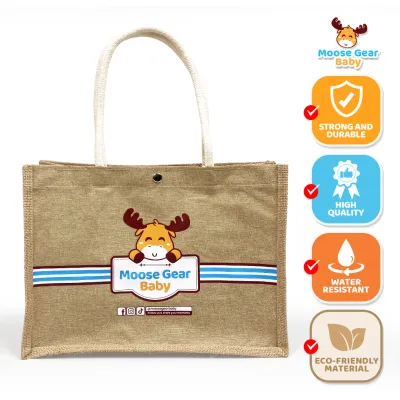
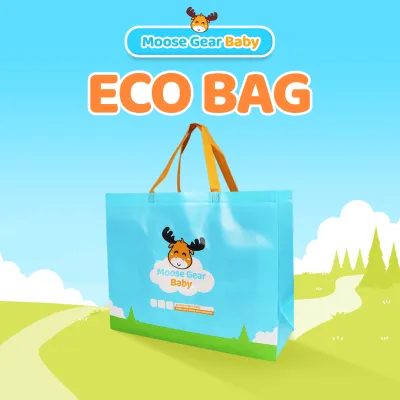
Prices are valid at publication and may change. Please refer to the product page for the latest price.
As your child grows, the physical shape of the items you carry changes. Newborn items are often soft and compressible, like extra onesies and swaddles. Toddler gear, however, includes rigid plastic snack containers, spill-proof straw cups, and bulky toys. This shift requires a bag with flexible main compartments that can accommodate irregular shapes without bulging uncomfortably against your back.
Consider who will be carrying the bag most of the time. If you share caregiving duties with a partner, grandparent, or nanny, a neutral design and adjustable carrying straps are essential. The bag should distribute weight evenly across the shoulders to prevent strain, especially during long walks in warm weather. If you frequently travel solo with your baby, a hands-free design becomes a non-negotiable feature to keep your arms free for holding your child, pushing a stroller, or navigating public spaces safely.
Key Selection Dimensions: Capacity, Organization, and Carrying Style
Diaper bags generally come in several configurations, each offering distinct advantages. Backpack models are highly favored for their ergonomic weight distribution and hands-free convenience, making them ideal for active parents navigating busy streets or public transport. They distribute the load evenly across both shoulders, which helps prevent back and neck strain during long outings. Tote bags offer a classic aesthetic and wide-open access, allowing you to see all contents at a glance, though they can strain one shoulder if overpacked. Crossbody bags provide quick access without requiring you to take the bag off, while convertible models allow you to switch between styles depending on the occasion.

Organization is the key to preventing frantic searches when your baby is crying. Look for a bag with a logical mix of internal and external pockets. External quick-access pockets are perfect for items you need in a split second, such as pacifiers, hand sanitizer, or wet wipes. Internal dividers help separate clean clothes from soiled items and keep diapers upright and organized. Having a dedicated space for your personal items, like keys, phone, and wallet, eliminates the need to carry a separate purse, streamlining your load.
When reviewing Moose Gear product specifications, pay close attention to specialized features. Insulated bottle pockets are crucial for maintaining the temperature of milk or water during warm afternoons, slowing down heat transfer to keep feeds fresh. Dedicated changing pad slots keep the pad separate from clean items, ensuring hygiene is maintained. Additionally, integrated stroller straps or loops allow you to securely attach the bag to your stroller handlebar, relieving your shoulders during long walks in the mall or park.
When using stroller straps, safety must always come first. Hanging a heavily packed diaper bag from the handlebar of a lightweight stroller can cause the stroller to tip backward, especially when you lift your baby out of the seat. Always verify the stroller manufacturer’s weight limits and ensure the bag is balanced properly to prevent accidents.
Material, Durability, and Care Checks
The tropical climate demands careful consideration of materials. High humidity and sudden rain showers mean your diaper bag must resist moisture and dry quickly. Polyester and nylon are popular choices due to their lightweight nature, water resistance, and overall durability. Vegan leather offers a stylish, premium look and is highly resistant to spills, though it may require more care to prevent cracking in extreme heat. Look for fabrics that have a water-resistant coating to protect your baby’s essentials from sudden downpours.
Spills, leaks, and dirt are inevitable when traveling with a baby. Before purchasing, check the manufacturer’s care label for cleaning instructions. Some fabric bags are machine-washable on gentle cycles, while others require spot cleaning with a damp cloth and mild detergent. Avoid bags that require complex dry-cleaning processes, as you will want a bag that can be cleaned and dried quickly for the next day’s use. Proper ventilation after cleaning is essential to prevent mold and mildew growth in humid environments.
A diaper bag undergoes significant wear and tear from daily opening, closing, and packing. Inspect the quality of the hardware, including zippers, metal clasps, and strap adjusters. Look for reinforced stitching at high-stress points, such as where the straps attach to the main body of the bag. Reading user reviews on authorized online retail platforms can provide valuable insights into how well the hardware holds up over months of continuous use.
Zippers are often the first point of failure on a heavily used bag. Look for self-repairing coil zippers or sturdy metal zippers with large, easy-to-grip pulls. Double-stitched seams around the zipper track prevent the fabric from fraying and catching in the teeth. If you are shopping online, zoom in on product photos to inspect the stitching quality, or look for video reviews that demonstrate the zipper’s glide smoothness.
Building Your Moose Gear Diaper Bag Shortlist
Start by listing your absolute must-have features versus nice-to-have additions. If you primarily use a stroller, stroller straps are a must-have. If you formula-feed, multiple insulated pockets should be at the top of your list. This checklist will help you filter out models that do not meet your core functional needs, saving you time during your search.
Establish a realistic budget range in ₱ before browsing. Diaper bags are available at various price points, and setting a clear limit helps narrow down your options. Always shop through official brand stores or authorized online retailers to ensure you are purchasing an authentic product. This protects you from counterfeit items that may use substandard materials or unsafe dyes.
Before finalizing your purchase at checkout, verify the seller’s return and exchange policies. A reliable warranty or return policy gives you peace of mind in case of manufacturing defects. Check if the retailer offers customer support to assist with any issues after purchase, ensuring a safe and satisfactory buying experience.
Frequently Asked Questions (FAQ)
Can I use a regular Moose Gear backpack as a diaper bag?
While you can technically use a standard backpack, purpose-built diaper bags offer significant advantages in terms of hygiene and organization. Regular backpacks lack specialized compartments like insulated bottle holders, which keep milk at a safe temperature, and dedicated wet/dry pockets to isolate soiled clothes. Furthermore, diaper bags are designed with easy-to-clean linings that resist spills, whereas standard backpacks may absorb liquids, leading to persistent odors and mold growth in humid conditions.
How do I properly clean and maintain my diaper bag?
To maintain your diaper bag, always refer to the manufacturer’s specific care label first. For general maintenance, regularly empty the bag and shake out crumbs. Wipe down the interior and exterior surfaces with a damp cloth and a mild, baby-safe detergent, paying extra attention to the handles and base. Allow the bag to air dry completely in a well-ventilated area away from direct sunlight to prevent fabric fading or material degradation.

Community discussion
Share your experience or ask a question. Comments are reviewed before publication.