
To choose the best Moose baby toothbrush for your baby’s current teething stage, you must match the brush’s material, head size, and safety features directly to their physical developmental milestones. For pre-teething infants, a soft silicone finger brush is ideal for gentle gum massage and milk residue removal. Once the first tiny teeth erupt, transitioning to a training toothbrush with a built-in choke guard and ultra-soft bristles ensures safe exploration. As your toddler develops multiple teeth and improved motor skills, a soft-bristled brush with an ergonomic handle designed for cooperative brushing becomes the most effective choice. Checking the age indicators and safety certifications on the product packaging will guide you to the exact model needed for your child’s current stage.
Understanding Your Baby's Teething Stages and Oral Care Needs
A baby’s oral care journey begins long before the first tooth actually cuts through the gums. During the pre-teething phase, which typically spans the first few months of life, babies experience increased salivation, a desire to chew on firm objects, and general gum sensitivity. Even without visible teeth, milk residue can accumulate on the tongue and gums, creating an environment where bacteria can thrive. Introducing a gentle oral hygiene routine at this stage helps desensitize the mouth, making future brushing sessions much easier to manage.
As the first primary teeth begin to erupt—usually starting with the lower front incisors—the nature of oral care changes significantly. The gums in the immediate area of the erupting tooth often become swollen, tender, and highly sensitive to pressure. At the same time, the baby’s natural urge to bite down on objects intensifies as a way to relieve the discomfort of the tooth breaking through the tissue. During this transitional phase, the primary goal of oral care is twofold: keeping the newly emerged tooth clean while providing soothing relief to the surrounding gums.
Products mentioned in this guide
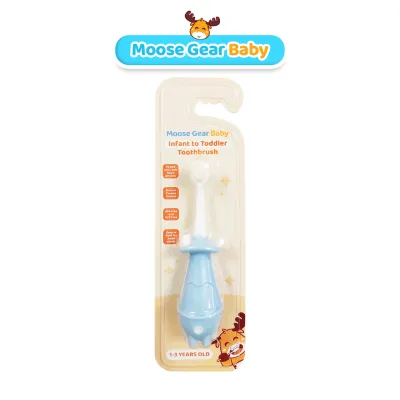
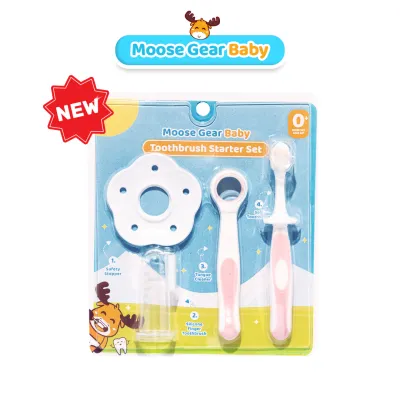
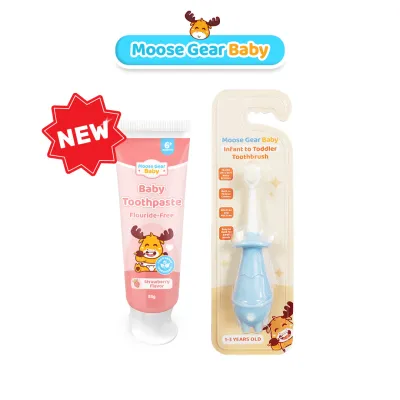
Prices are valid at publication and may change. Please refer to the product page for the latest price.
Once multiple teeth begin to emerge in quick succession, including the upper incisors and eventually the first molars, your baby enters a more active brushing phase. This stage is characterized by a rapid increase in the surface area of the teeth that requires cleaning, particularly the chewing surfaces of the molars which have deep grooves prone to trapping food particles. Additionally, as babies grow into toddlers, their fine motor skills and hand-eye coordination begin to develop, prompting a natural desire to mimic adult behaviors and hold the toothbrush themselves.
Recognizing these developmental shifts is crucial because using the wrong type of brush can cause discomfort or even pose safety risks. A brush with bristles that are too stiff can irritate sensitive, erupting gums, causing the baby to associate oral care with pain. Conversely, relying solely on a smooth gum massager once multiple teeth have erupted will not provide the necessary scrubbing action required to remove plaque from enamel surfaces. Transitioning between different brush styles should always be guided by the physical changes you observe in your baby’s mouth rather than strict adherence to calendar age.
Evaluating Moose Toothbrush Features on the Packaging
When shopping for a Moose gear toothbrush for baby on your preferred online marketplace or local baby store, the product packaging serves as your primary guide for safety and suitability. The manufacturer prints specific age recommendations and developmental stage indicators directly on the front of the box. These guidelines are designed to help parents quickly identify which brush matches their child’s current physical capabilities and oral structure, reducing the guesswork involved in the selection process.

Beyond the age label, it is essential to inspect the physical specifications of the brush as detailed on the packaging. Pay close attention to the bristle material and head size listed in the product description. For infants and early teethers, the packaging should specify food-grade silicone or ultra-soft tapered nylon bristles. The brush head must be compact enough to navigate the tight spaces of a baby’s mouth comfortably, ensuring that you can reach the back gums without causing a gag reflex or accidental bruising.
Handle design is another critical feature that you can evaluate through the packaging window or product diagrams. For younger babies who are still learning to grip objects, look for handles that feature wide, circular loops or textured, non-slip rubber grips. These designs allow the baby to practice holding the brush while giving parents enough surface area to guide the brushing motion cooperatively. The packaging will often highlight whether the handle includes a built-in safety shield or choke guard, which is a vital feature for preventing the brush from sliding too far into the baby’s throat.
Finally, always verify the material safety claims and care instructions printed on the back of the packaging. Ensure the product is explicitly labeled as BPA-free, phthalate-free, and made from non-toxic, food-grade materials to guarantee that it is safe for daily oral contact. The care instructions will outline how to clean and sanitize the brush, indicating whether the materials can withstand steam sterilization, boiling water, or if they require gentle hand-washing with warm water and mild baby-safe soap.
Matching Brush Types to Teething Milestones
During the pre-teething phase, when your baby’s gums are still bare but preparing for the first tooth, a silicone finger toothbrush is the most appropriate tool. This style fits snugly over a parent’s index finger, allowing you to control the pressure precisely as you sweep it along the baby’s upper and lower gums. The soft silicone bumps on the brush head gently massage the gum tissue, which helps soothe the itching and throbbing sensations associated with early teething while effectively wiping away milk film.
As soon as the first white speck of a tooth breaks through the gum line, it is time to transition to a training toothbrush. This type of brush typically features a combination of soft silicone bristles and a wide, circular handle that doubles as a choke guard. The silicone bristles are gentle enough not to irritate the tender gums surrounding the new tooth, yet firm enough to sweep away plaque from the newly exposed enamel. The built-in shield prevents the baby from pushing the brush too deep into their mouth, allowing them to safely explore the sensation of brushing under your close supervision.
When your baby develops multiple teeth and begins to consume a wider variety of solid foods, their oral care needs transition to a soft-bristled toddler toothbrush. At this stage, silicone nubs are no longer sufficient to clean the crevices of emerging molars and the tight spaces between adjacent teeth. Look for a Moose brush featuring ultra-soft, tapered nylon bristles that can gently penetrate between the teeth to remove food debris. The handle should be ergonomically designed to fit a toddler’s small hand, encouraging independent grip while still leaving room for a caregiver’s hand to assist with the actual brushing technique.
For toddlers who are highly resistant to traditional brushing, some training models incorporate a 360-degree bristle design. This configuration features bristles wrapping entirely around the brush head, ensuring that some part of the brush is always making contact with the teeth regardless of how the child rotates the handle. This design can be particularly helpful during the transition phase when toddlers insist on brushing themselves but lack the wrist coordination required to angle a standard flat toothbrush correctly.
Safety, Hygiene, and Replacement Guidelines
Maintaining strict hygiene standards for your baby’s toothbrush is especially important in tropical climates like the Philippines, where high humidity levels can accelerate the growth of mold, mildew, and bacteria on damp surfaces. After every use, rinse the toothbrush thoroughly under warm running water to remove all traces of toothpaste and food debris. Shake off any excess water vigorously, and store the brush upright in an open holder or cup where air can circulate freely around the head. Never store a wet toothbrush in a closed travel case, drawer, or damp bathroom cabinet, as trapped moisture creates an ideal breeding ground for microbes.
Regular visual inspections of the toothbrush are vital to ensure your baby’s safety during oral care routines. Before each brushing session, examine the brush head closely for any signs of wear, such as frayed or loose nylon bristles, cracked plastic on the handle, or torn silicone on a finger brush. Because babies often bite down hard on their brushes to relieve teething discomfort, the materials can degrade faster than adult toothbrushes. If you notice any loose parts, peeling silicone, or structural weakness, discard the brush immediately to eliminate the risk of the baby choking on detached pieces.
As a general rule, a baby’s toothbrush should be replaced every two to three months, even if it appears to be in relatively good condition. The soft bristles lose their elasticity and effectiveness over time, becoming less capable of removing plaque efficiently. Additionally, you should replace the toothbrush immediately after your baby recovers from an illness, such as a cold, flu, or throat infection, to prevent the risk of reintroducing bacteria or viruses into their mouth.
While training toothbrushes are designed to be safe and durable, they should never be used as a substitute for a standard teething toy. Do not allow your baby to walk, run, or crawl while holding a toothbrush, as a sudden fall could cause serious oral or throat injuries. If your baby experiences persistent gum bleeding, severe pain during brushing, or if you observe unusual white patches or sores inside their mouth, temporarily discontinue use of the brush and consult a pediatric dentist or pediatrician for a professional evaluation.
Frequently Asked Questions (FAQ)
Can I use a standard bristle Moose toothbrush for a baby without teeth?
No, standard nylon bristles are not recommended for babies who do not have teeth yet. A baby’s bare gums are highly sensitive and can easily become irritated or scratched by nylon bristles, even if they are labeled as soft. Instead, use a soft silicone finger brush or a clean, damp washcloth to gently wipe the gums and tongue after feedings. Always check the age and stage indicators on the Moose product packaging to ensure the tool you are using is specifically designed for pre-teething infants.
How do I know when it is time to replace the Moose toothbrush?
You should replace your baby’s Moose toothbrush immediately if you observe frayed, bent, or missing bristles, or if the silicone head shows signs of tearing, cracking, or discoloration. In the humid climate of the Philippines, any signs of black spots or mold on the handle or bristles also require immediate replacement. Even if the brush looks perfectly fine, a standard baseline replacement interval of every two to three months is recommended to maintain optimal hygiene and brushing effectiveness.
Is it safe to let my baby use the toothbrush as a teething toy?
Although many training toothbrushes are designed with soft, chewable silicone textures and protective choke guards to make early oral care safe and engaging, they are not intended to be used as unsupervised teething toys. Allowing a baby to chew on a toothbrush without supervision can lead to rapid material degradation, increasing the risk of swallowing loose bristles or choking on damaged parts. Always supervise your baby actively during brushing sessions, and offer dedicated, solid teething rings when they simply need to chew to relieve gum discomfort.

Community discussion
Share your experience or ask a question. Comments are reviewed before publication.