
Choosing the right milk powder container for baby during the weaning stage is all about matching the vessel to your changing daily routine. As your baby transitions from an all-milk diet to solid foods, their feeding patterns become more varied, often requiring smaller, more flexible portions of milk powder alongside their new snacks. Instead of relying on a single, bulky container for every situation, most parents find that a combination of specialized containers—such as multi-compartment dispensers, single-serve portion cups, and airtight home storage tins—provides the best balance of convenience, hygiene, and freshness.
During this transitional phase, your storage needs will shift from managing massive volumes of formula to preserving smaller, precise amounts for on-the-go feeds or quick nighttime preparations. The ideal container should protect the powder from moisture, prevent messy spills in your diaper bag, and make it easy to prepare a bottle with one hand while managing a hungry baby. By evaluating how often you travel, how your baby’s milk intake is changing, and how you manage feeds throughout the day, you can select a container system that simplifies your daily routine and supports a smooth weaning journey.
Assessing Your Weaning Feeding Routine
Evaluating your daily habits is the first step in determining which milk powder container will serve you best. During the weaning transition, your baby’s milk intake gradually decreases as they explore solid foods like purees, mashed vegetables, and soft finger foods. This means you no longer need to carry massive quantities of powder for every outing, but you do need a reliable way to store smaller, precise portions that match their shifting feeding schedule. Tracking how many milk feeds your baby still requires during the day helps you choose a container with the right capacity without adding unnecessary bulk to your diaper bag.
Products mentioned in this guide
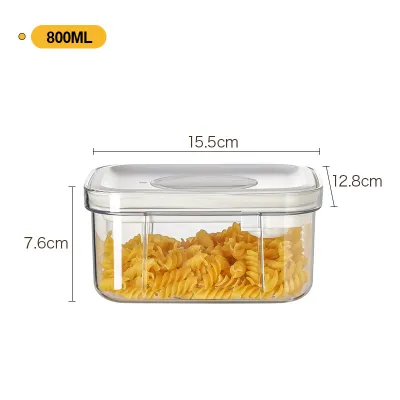
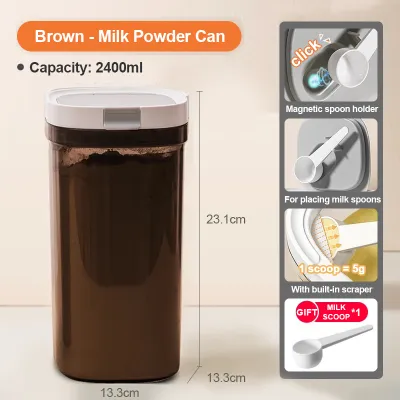
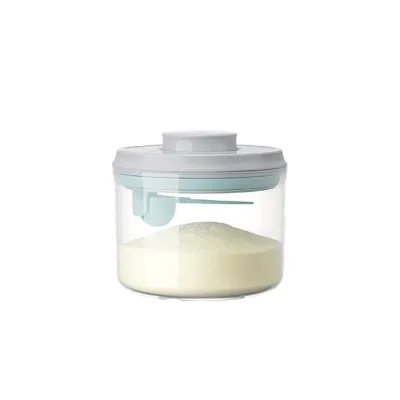
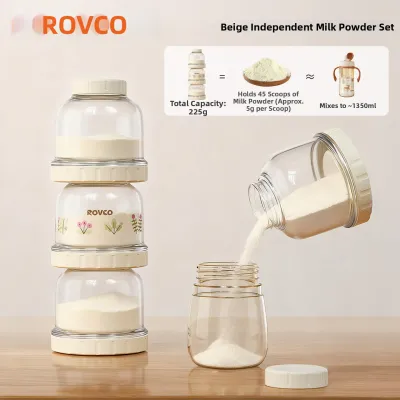
Prices are valid at publication and may change. Please refer to the product page for the latest price.
Your lifestyle and daily activities also play a major role in your choice of container. If your routine involves frequent trips to the mall, family visits, or dropping your baby off at daycare, you will need portable, pre-measured options that allow for quick preparation on the go. In warm, tropical climates like the Philippines, high humidity can quickly spoil or clump exposed milk powder, making airtight, travel-friendly seals absolutely essential for any outdoor activity. A container that works well for a quick trip to a local park might not be sufficient for a full day at daycare, so consider how long the powder needs to remain fresh while you are away from home.
Nighttime feeding is another critical factor to consider when assessing your routine. Fumbling with scoops, leveling edges, and bulk tins in the dark while your baby is crying can easily lead to measurement errors or messy spills. If midnight feeds are still a regular part of your schedule, having a pre-portioned dispenser on your bedside table can make a significant difference. A container that allows you to pour pre-measured powder directly into a bottle with minimal effort helps you feed your baby quickly and return to sleep with minimal disruption.
Comparing Milk Powder Container Types
To find the right fit for your family, it helps to compare the three primary types of milk powder containers based on their portability, capacity, and ease of use. While some parents attempt to use a single container for all situations, utilizing a combination of different styles often yields the most practical results during the weaning phase. Understanding the unique strengths and limitations of each design allows you to build a versatile feeding toolkit that adapts to both home and travel scenarios.

Multi-Compartment Milk Powder Dispensers
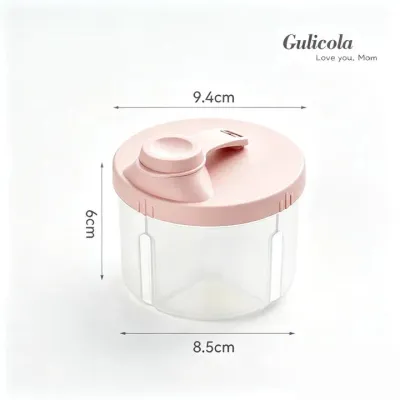
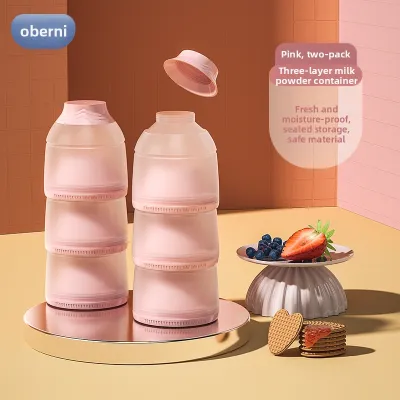
Multi-compartment milk powder dispensers are highly practical tools for parents who need to manage multiple feeds during day trips, long errands, or daycare handovers. These containers typically feature three or four separate compartments stacked vertically or arranged in a rotating carousel, allowing you to pre-measure individual servings of powder beforehand. When it is time to feed, you simply align the spout with the desired compartment and pour the powder directly into the baby bottle, eliminating the need for scooping while you are out.
When selecting a multi-compartment dispenser, it is crucial to inspect the quality of the inner seals and threading between the layers. Fine milk powder can easily migrate between compartments or leak into your diaper bag if the pieces do not fit together tightly. Look for designs with deep threads and secure locking mechanisms that can withstand being tossed around in a packed bag. In humid environments, a loose seal can allow moist air to enter, causing the powder to clump and stick to the walls of the container, which makes pouring difficult.
Despite their convenience, multi-compartment dispensers do have some limitations. They can become quite bulky to carry when fully stacked, especially if you only need one or two feeds for a short outing. Additionally, because they are designed for short-term portability, they are not suitable for long-term home storage or holding bulk quantities of powder. They require thorough washing and complete drying between uses, as any residual moisture in the corners can ruin the next batch of powder you put inside.
Single-Serve Portion Cups and Travel Tins
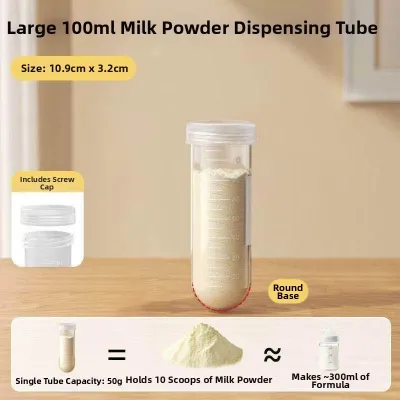
For minimalists, short trips, or older weaning babies who only require a single backup milk feed while eating solids on the go, single-serve portion cups and small travel tins are excellent options. These individual containers hold just enough powder for one bottle, allowing you to pack light without carrying extra empty compartments. They fit easily into small pockets, stroller organizers, or even a handbag, making them highly convenient for quick errands or brief visits to nearby relatives.
To ensure the powder remains fresh and dry, verify that the lids of these single-serve containers feature airtight silicone rings or secure snap-on seals. This is particularly important in tropical regions where ambient humidity can degrade the quality of the powder within hours if the seal is compromised. A tight, reliable seal also prevents accidental spills, ensuring that the powder does not scatter across your belongings if the cup is dropped or squeezed inside your bag.
However, single-serve portion cups have their own set of trade-offs. Because they are individual units, you have to manage, wash, and dry multiple small pieces, which can become tedious if you use several of them daily. They also tend to take up more cumulative space in your bag if you try to pack three or four of them separately, compared to a single, streamlined stacked dispenser. They are best reserved for specific, single-use scenarios where minimizing bulk is your primary goal.
Airtight Storage Tins and Large Canisters
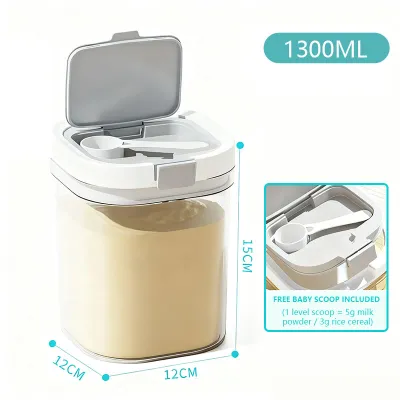
Airtight storage tins and large canisters serve as the anchor of your home feeding station, providing a secure environment for bulk milk powder. Many milk powder brands in the Philippines are sold in soft foil refill packs, which can be difficult to seal tightly once opened and are prone to tipping over. Transferring the powder into a dedicated, rigid storage tin protects it from pests, moisture, and accidental spills, keeping the bulk supply fresh and organized in your kitchen pantry.
When choosing a large home-storage canister, look for designs with wide mouths that allow you to scoop the powder easily without making a mess. A built-in leveling edge inside the rim is an incredibly helpful feature, as it allows you to level off each scoop accurately with one hand, ensuring consistent feed concentrations. Some advanced models also include a dedicated hook or holder on the underside of the lid to keep the scoop suspended above the powder, which improves hygiene by preventing your fingers from contacting the supply.
The primary limitation of these large canisters is that they are strictly designed for stationary home use. Their bulk and weight make them entirely impractical for travel, meaning you must always pair them with a smaller portable dispenser or portion cup when leaving the house. Additionally, because they hold a large volume of powder, you must be diligent about keeping the lid tightly closed at all times to prevent kitchen humidity from slowly degrading the contents over several weeks.
Essential Safety and Usability Checks Before Buying
Before purchasing any milk powder container for baby, it is essential to perform a few practical safety and usability checks to ensure the product is hygienic and convenient for daily use. First and foremost, verify the material safety certifications directly on the product packaging or the manufacturer’s official specifications. Look for clear labels indicating that the container is made from BPA-free, food-grade plastics, high-quality silicone, or durable borosilicate glass. Since these containers directly hold your baby’s nutrition, ensuring the materials do not leach harmful chemicals is a top priority.
Next, carefully assess the cleaning and maintenance requirements of the container. Milk powder contains fats and proteins that can leave a greasy residue, which can harbor bacteria if not cleaned thoroughly. Check if all components are dishwasher-safe, or if the design features hard-to-reach corners, narrow spouts, or complex valve systems that are difficult to clean with a standard bottle brush. A simple, wide-neck design with removable silicone gaskets is generally much easier to sanitize and dry completely, reducing the risk of contamination.
Finally, evaluate the pouring mechanism and the lid design to ensure they support smooth, hassle-free operation. The spout should be wide enough to allow the powder to flow freely into a standard bottle neck without clogging, yet narrow enough to prevent spills. Test how easy it is to open and close the lid; during the weaning stage, you will often find yourself holding a baby in one arm while trying to prepare a bottle with the other. A lid that can be popped open with a single hand or a simple button press can greatly reduce daily stress and minimize the risk of accidental spills.
Adapting Containers as Weaning Progresses
One of the best ways to maximize the value of your milk powder containers is to choose designs that can transition to other uses as your baby’s weaning journey progresses. As solid foods begin to replace milk feeds, your need for large quantities of milk powder will naturally decline. Instead of packing away your dispensers and portion cups, you can repurpose them to hold dry weaning snacks such as puffs, teething biscuits, small crackers, or dry cereal. This extends the lifespan of your purchase and keeps your diaper bag organized as your toddler’s dietary needs evolve.
As daily milk intake decreases, you can also adjust how you use multi-compartment dispensers. For example, you might use one compartment for a single portion of milk powder, another for dry infant oatmeal, and a third for fresh fruit pieces or small snacks. This multi-purpose approach allows you to carry an entire mini-meal setup in a single, compact container, reducing the number of separate bowls and bags you need to pack for an afternoon outing.
While repurposing containers is highly efficient, it is important to know when it is time to retire them. Over months of daily use, washing, and travel, plastic containers can develop fine scratches on their inner surfaces. These micro-scratches can trap tiny food particles, moisture, and bacteria, making them difficult to sanitize fully. If you notice that a container has become deeply scratched, permanently clouded, or has developed a persistent odor that does not go away after washing, it is safest to stop using it for food storage and replace it with a fresh unit.
Frequently Asked Questions (FAQ)
Can I use regular kitchen food storage containers for milk powder?
While it may be tempting to use standard kitchen containers, they are often not ideal for storing delicate milk powder. Baby-specific containers are specifically engineered with food-grade, BPA-free materials and highly specialized airtight seals designed to keep fine, moisture-sensitive powders completely dry. Standard kitchenware may not offer the same level of airtight protection, increasing the risk of clumping and spoilage. Furthermore, regular kitchen containers that have previously held pasta sauces, spices, or oily foods can retain microscopic residues and strong odors even after thorough washing. These lingering odors can easily transfer to the milk powder, altering its taste and potentially causing your baby to reject the feed.
How do I prevent milk powder from clumping inside the container?
Preventing milk powder from clumping requires careful moisture control, especially in humid climates. Always ensure that your containers are completely bone-dry after washing before you add any new powder; even a single drop of trapped water can cause significant clumping and encourage bacterial growth. Avoid storing your home canisters in high-humidity zones of the kitchen, such as directly next to the stove, sink, or near open windows where steam and damp air are common. Additionally, always check the manufacturer’s guidelines on your milk powder packaging regarding storage; some brands advise keeping the original desiccant packet inside the container, while others recommend transferring only the dry powder itself to maintain optimal freshness.

Community discussion
Share your experience or ask a question. Comments are reviewed before publication.