
Keeping baby milk fresh while navigating warm, humid outdoor environments requires a reliable system for temperature control. Whether you are running quick errands, commuting to work, or traveling with your little one, a dedicated milk bottle storage container helps maintain the quality of breast milk or formula. The ideal container balances thermal efficiency, leak prevention, and portability to fit seamlessly into your daily routine.
In tropical climates, ambient heat can rapidly compromise the safety of stored milk. Selecting a container is not just about finding an attractive bag; it involves evaluating how well the materials resist external temperatures and how easily the unit can be cleaned. By understanding your specific travel patterns and feeding needs, you can choose a storage solution that keeps your baby’s milk safe and simplifies your outings.
Key Features to Look for in a Portable Bottle Storage Container
When evaluating a portable bottle storage container, insulation quality is the most critical factor. Look for bags featuring thick, high-density foam insulation paired with a reflective inner lining, such as food-grade PEVA or aluminum foil. These materials work together to slow down heat transfer, helping to keep the interior cool even when the outside temperature rises. Some models utilize multi-layered thermal barriers that offer extended temperature retention, which is particularly useful during long travel days.
Products mentioned in this guide
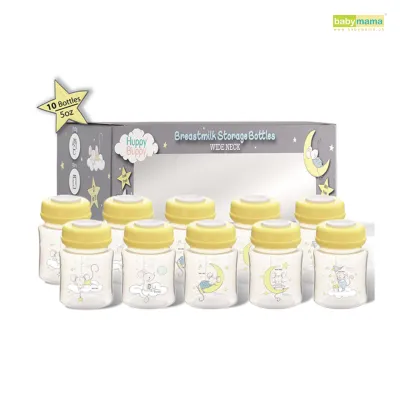
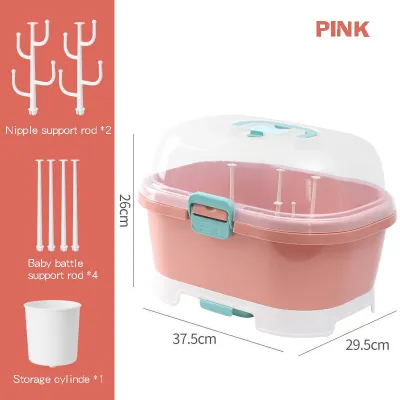
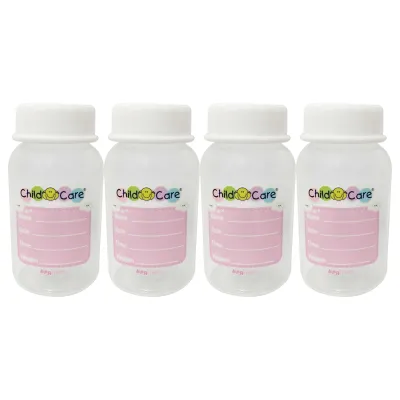
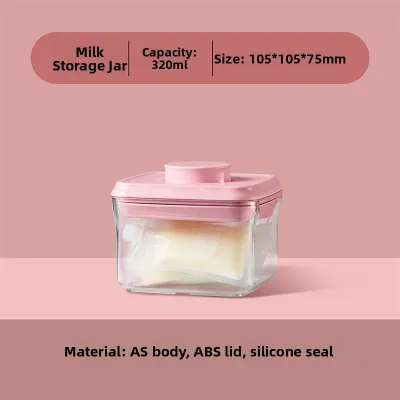
Prices are valid at publication and may change. Please refer to the product page for the latest price.
Spills and leaks are common challenges when carrying liquids, making secure closures essential. Inspect the container’s zippers, seals, and seams to ensure they are robust and water-resistant. Heat-sealed linings are generally more reliable than stitched seams, as they prevent melted ice or spilled milk from seeping into the insulation layer. Additionally, look for sturdy zipper tracks that glide smoothly without catching, as a loose or broken zipper can compromise the bag’s thermal seal.
Material safety and ease of cleaning are equally important for items that come into contact with feeding equipment. Ensure the interior lining is certified BPA-free, lead-free, and phthalate-free by checking the manufacturer’s product specifications. Because milk spills can lead to bacterial growth and unpleasant odors, the inner lining should be smooth and easy to wipe clean with a damp cloth. Always review the manufacturer’s washing instructions, as some materials may degrade if subjected to machine washing or harsh detergents.
The physical dimensions of the container must balance bottle capacity with overall portability. Consider the height and neck width of the specific bottles you use, as wide-neck or extra-tall bottles may not fit in standard compact pouches. While a larger bag allows you to carry more bottles, it also adds weight and bulk to your diaper bag or stroller. Assess your typical outing duration to determine if a single-bottle sleeve or a multi-bottle cooler bag is more practical.
Budget considerations in the local market typically align with the container’s durability and insulation performance. Basic single-bottle insulated pouches generally range from ₱250 to ₱500, offering a lightweight option for short trips. Mid-range multi-bottle cooler bags often cost between ₱600 and ₱1,200, providing better insulation and structured compartments. Premium, heavy-duty travel coolers designed for extended trips or professional pumping needs can range from ₱1,500 to ₱2,500, reflecting their specialized materials and enhanced durability.
Matching the Container to Your On-the-Go Scenario
Different outings demand different storage strategies, as the duration of your trip and your baby’s feeding frequency dictate the required capacity and insulation level. Matching your container to your specific travel scenario ensures you do not carry unnecessary bulk while still keeping milk safe.

Short Commutes and Quick Errands
For brief trips lasting only an hour or two, a lightweight and compact storage solution is often the most convenient choice. Single or double-bottle insulated pouches are designed to minimize bulk, fitting easily inside a standard diaper bag or hanging directly from a stroller handlebar. Many of these compact designs feature quick-access Velcro straps or snap-on clips, allowing you to secure the pouch to your stroller frame for hands-free carrying. These pouches are ideal for quick doctor visits, neighborhood walks, or short car rides where you only need to keep one feeding at the ready.
Full-Day Outings and Travel
Extended trips, family gatherings, or day-long travel require a more robust storage system with larger capacity and sustained temperature control. Multi-compartment cooler bags are excellent for these scenarios, as they often feature dedicated slots for contoured ice packs that surround the bottles. These larger bags provide extra space not just for multiple milk bottles, but also for feeding accessories, clean burp cloths, and additional breast milk storage bags. Look for models with separate dry compartments to keep non-refrigerated items, such as spoons or snacks, clean and dry.
Pumping and Storing on the Go
Nursing mothers who pump while away from home need a storage container that accommodates both milk collection and pump parts. Upright stability and a structured, flat base are crucial features for these bags, as they prevent the container from tipping over and spilling freshly expressed milk during transit. The interior dimensions should be wide enough to hold standard breast pump flanges, connectors, and breast milk storage bags without bending or puncturing them. Choosing a bag with a dedicated, insulated compartment for milk and a separate dry section for the pump motor helps keep your equipment organized and hygienic.
Keeping Milk Fresh and Safe During Transit
Maintaining a safe temperature for breast milk or formula during transit requires active cooling strategies, especially in warm climates. Simply placing bottles in an insulated bag is not enough; you must use frozen gel packs or ice packs to actively keep the interior cold. For optimal cooling, place the ice packs directly against or surrounding the bottles, ensuring even distribution of cold air. If you are using breast milk storage bags, place a thin barrier between the bag and the ice pack to prevent the milk from freezing unevenly or sticking to the cold source.
Minimizing temperature fluctuations is key to preserving the quality of the milk and preventing bacterial growth. Limit the number of times you open the storage container during your outing, as each opening allows warm ambient air to enter and raises the internal temperature. Plan your feeding schedule so you only retrieve a bottle when it is time to feed, and close the zipper immediately afterward. If you are traveling by car, keep the cooler bag in the air-conditioned passenger cabin rather than the hot trunk to reduce the thermal load on the insulation.
Always consult official health guidelines or your pediatrician for safe storage durations at specific temperatures. Generally, breast milk can be kept in an insulated cooler bag with frozen ice packs for up to 24 hours, but this duration can decrease significantly if the ice packs begin to melt or if the ambient temperature is exceptionally high. For infant formula, prepared bottles should be consumed within a much shorter timeframe, typically within two hours of preparation or one hour from the start of a feeding. Check the manufacturer’s labels on your formula container for precise safety instructions.
Upon reaching your destination, take immediate steps to transfer the milk to a stable cooling environment. Move breast milk bottles or storage bags directly into a refrigerator or freezer, and check that they are still cold to the touch. If the milk has completely thawed or reached room temperature during transit, it should be used immediately or discarded according to pediatric safety guidelines. Never re-freeze breast milk that has fully thawed, as this can compromise its nutritional value and safety.
Cleaning and Maintaining Your Storage Container
Regular cleaning and maintenance are essential to prevent the growth of mold, mildew, and bacteria inside your bottle storage container. Milk residues from minor drips or condensation can quickly create unpleasant odors and hygienic risks in warm, humid conditions. Establish a routine of wiping down the interior lining with a damp cloth and mild, baby-safe soap after every use. Allow the container to air dry completely in a well-ventilated area with the zippers open before storing it away.
Periodically inspect the container’s structural components to ensure they remain clean and functional. Pay close attention to the seams, zipper tracks, and Velcro closures, as these areas are prone to trapping moisture and tiny milk particles. If you notice any buildup, use a soft-bristled brush or a clean toothbrush dipped in warm soapy water to gently scrub the crevices. Always adhere strictly to the product care label; while some fabric bags are machine washable on a gentle cycle, others must be hand-washed to avoid damaging the internal insulation layers.
Regularly check the integrity of the waterproof lining for any signs of wear, cracking, or peeling. If the inner lining becomes torn or punctured, moisture can seep into the foam insulation layer, creating an environment where mold can grow undetected. Once the waterproof barrier is compromised or if you notice persistent mold spots that cannot be cleaned, stop using the container immediately and replace it. Prioritizing a clean, intact storage container ensures that your baby’s feeding equipment remains safe and sanitary on every journey.
Frequently Asked Questions (FAQ)
Can I use a regular insulated lunch bag for baby bottles?
While a regular insulated lunch bag can provide basic temperature control, it often lacks the specific features needed for baby bottles. Baby-specific cooler bags are designed with taller interior dimensions to accommodate tall bottles and feature specialized pockets or straps to keep bottles upright, preventing leaks. Additionally, baby bottle containers typically use food-grade, easy-to-sanitize linings that are more resistant to milk odors and bacterial growth compared to standard lunch bags.
How long can milk stay in an insulated container without ice packs?
An insulated container without ice packs does not actively chill its contents; it only slows down the rate at which the interior matches the outside temperature. In warm or tropical climates, milk placed in an unchilled bag can reach unsafe temperatures within an hour or two. To ensure safety, always use frozen ice packs or gel coolers when storing breast milk or formula in an insulated container, and refer to official health guidelines for specific safe storage limits.

Community discussion
Share your experience or ask a question. Comments are reviewed before publication.