
Choosing a memory pillow for kids in the Philippines requires balancing developmental support with tropical comfort. Unlike adults, children have rapidly changing skeletal structures, narrower shoulders, and a higher tendency to sleep hot in humid climates. The ideal memory foam pillow must provide a low profile (loft) that keeps the spine neutral while utilizing highly breathable, open-cell, or ventilated foam to prevent heat retention during warm nights.
Quick Answer: Matching Pillows to Developmental Stages
A child’s sleep needs evolve rapidly from infancy through the school-age years, meaning a single pillow cannot serve them throughout childhood. During toddlerhood (ages 1 to 3), pillows are generally unnecessary unless specifically recommended by a pediatrician, and any introduced option must be ultra-low profile and firm to prevent airway obstruction. As children transition to preschool (ages 3 to 5) and school-age stages (ages 6 to 12), their widening shoulders and changing sleep postures require a gradual increase in pillow height, or loft. Memory foam is highly valued for its contouring support, but parents must carefully evaluate the pillow’s physical dimensions, ventilation features, and safety certifications rather than relying on brand names or marketing trends. Prioritizing spinal alignment and breathability helps support a comfortable night’s sleep in any household.
Why Age and Physical Development Dictate Pillow Choice
Children are not simply miniature adults, and giving them a scaled-down adult memory foam pillow can lead to physical discomfort or developmental issues. A child’s anatomical proportions differ significantly from an adult’s; they have a larger head relative to their body weight, shorter neck lengths, and much narrower shoulders. When a child lies down, the gap between their neck and the mattress is minimal. If a pillow is too thick or firm, it forces the head upward or forward, straining the cervical spine and potentially compressing the airway.
Products mentioned in this guide
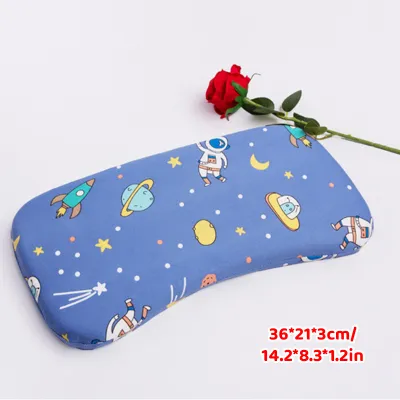
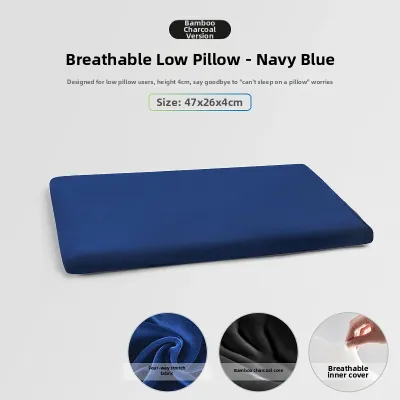
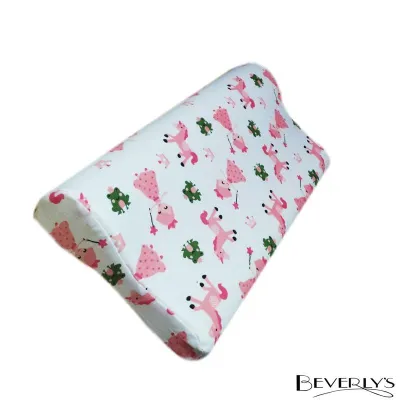
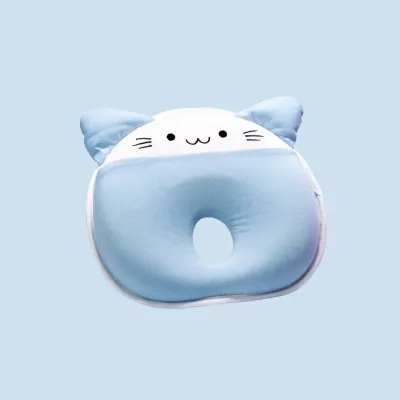
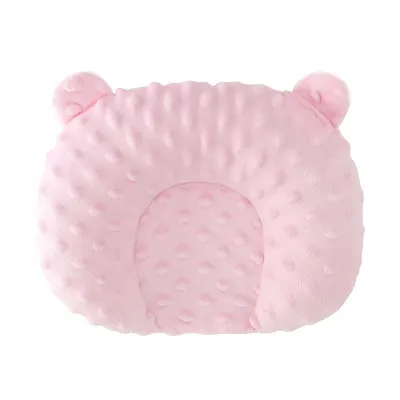
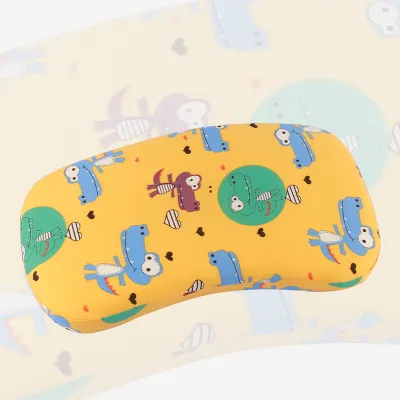
Prices are valid at publication and may change. Please refer to the product page for the latest price.

Furthermore, temperature regulation is a critical factor for growing children. Young bodies naturally radiate more heat during the initial stages of deep sleep, leading to night sweats. In the tropical climate of the Philippines, where ambient humidity is high and bedrooms may rely on electric fans or intermittent air conditioning, traditional dense memory foam can act as a heat trap. This trapped heat causes restlessness, frequent waking, and skin irritation. Choosing a pillow with the correct loft and advanced thermal properties is essential to support both physical development and uninterrupted sleep cycles.
Age-by-Age Guide to Selecting the Right Loft and Support
To find the right memory pillow for kids, parents must understand the concept of “loft,” which refers to the uncompressed height of the pillow. The correct loft is determined by measuring the distance from the outer edge of your child’s shoulder to the side of their neck. This measurement represents the exact gap that needs to be filled when they sleep on their side to keep their spine straight.
To measure your child’s shoulder width accurately, have them stand straight against a wall. Use a soft measuring tape to measure from the bony tip of their shoulder to the base of their neck. This measurement provides the maximum loft height you should consider when shopping for a side-sleeper pillow. For back sleepers, subtract approximately one to two centimeters from this measurement, as the back of the head requires less elevation to remain in a neutral position relative to the mattress. When evaluating product descriptions on online marketplaces, do not rely solely on age labels, as children grow at different rates. Instead, compare the manufacturer’s specified dimensions against your child’s physical measurements and primary sleep position.
Toddlers (Ages 1–3): Transitioning to a First Pillow
Pediatric guidelines generally advise against introducing any pillow in a crib to minimize safety risks. Once a child transitions to a toddler bed, usually around age two or older, a pillow may be introduced if they show signs of needing support, such as resting their head on a stuffed animal or folded blanket. If your child continues to sleep comfortably without a pillow, there is no need to rush the transition.
For this age group, safety is the primary priority. If you choose to introduce a memory foam pillow, it must feature an ultra-thin profile—ideally between 1 to 2 centimeters—and a firm, supportive feel that does not allow the child’s face to sink into the material. High breathability is non-negotiable; look for ventilated memory foam with physical punch holes that allow continuous airflow, reducing the risk of suffocation and heat buildup. Always verify the manufacturer’s age recommendations and warning labels on the packaging before purchase, and ensure the pillow is used under parental supervision during the initial transition period.
Preschoolers (Ages 3–5): Neck Alignment and Low Profiles
As children reach preschool age, their shoulders begin to widen, creating a small but distinct gap between the neck and the mattress when sleeping on their side. During this stage, a low-loft memory foam pillow of approximately 3 to 5 centimeters is typically appropriate. The goal is to fill this gap gently, helping keep the head, neck, and spine aligned without elevating the chin or forcing the head forward when they roll onto their back.
At this stage, you can transition to a slightly softer memory foam that contours to the shape of their head while still maintaining its structural integrity. Avoid oversized pillows; a preschooler’s pillow should have a smaller surface area designed specifically for toddler beds or single mattresses. This prevents excess material from crowding the sleeping space and ensures the child remains centered on the supportive portion of the foam throughout the night.
School-Age Children (Ages 6–12): Adapting to Growth and Sleep Positions
During the school-age years, children experience rapid growth spurts, and their sleeping habits become more defined. They may settle into a preferred sleeping posture, such as side, back, or stomach sleeping, each requiring a different level of support. Side sleepers in this age bracket will need a higher loft to accommodate their widening shoulders, whereas back sleepers require a moderate, contoured profile that cradles the back of the head.
To accommodate these rapid physical changes without requiring a new purchase every few months, consider adjustable memory foam pillows. These designs often feature removable foam layers or shredded memory foam fill, allowing you to customize the height and firmness as your child grows. Additionally, school-age children lead highly active lives, meaning their pillows are subjected to more sweat, dirt, and occasional spills. Selecting a pillow with a highly durable, removable, and machine-washable outer cover is essential to maintain hygiene and prolong the life of the foam.
Essential Safety, Material, and Climate Checks Before Buying
Before finalizing any purchase, parents must conduct thorough quality and safety checks. Because memory foam is a synthetic material, verifying chemical safety standards is highly recommended. Look for recognized third-party certification labels on the product packaging or official manufacturer listings. Certifications such as CertiPUR-US indicate that the foam is manufactured without harmful ozone depleters, heavy metals, or formaldehydes, and has low volatile organic compound (VOC) emissions. Another valuable certification is OEKO-TEX Standard 100, which ensures the textile cover has been tested for harmful substances.
Given the warm and humid climate of the Philippines, heat mitigation is a critical comfort factor. Standard memory foam tends to retain body heat, which can lead to uncomfortable, sweaty nights. In the Philippines, high relative humidity can make synthetic materials feel warmer than they actually are. When moisture from sweat cannot evaporate quickly, it remains trapped against the skin, leading to prickly heat or sleep disruptions. Memory foam pillows with open-cell technology allow air to pass through the material more freely than traditional closed-cell foam. This continuous air exchange helps evaporate moisture quickly, keeping the sleeping surface dry and comfortable even during warm, humid nights. To counter this, prioritize pillows that feature open-cell foam structures, physical ventilation holes, or cooling gel infusions designed to dissipate heat. The cover material also plays a significant role; natural, breathable fabrics like bamboo-derived rayon, organic cotton, or Tencel are excellent choices for tropical climates as they wick away moisture and allow the foam beneath to breathe.
Lastly, verify the maintenance instructions. Memory foam itself is highly sensitive to water and should never be placed in a washing machine or submerged, as this destroys the cellular structure and ruins the supportive properties. Ensure the pillow comes with a removable, machine-washable outer cover, while the inner foam core should only be spot-cleaned with a damp cloth and allowed to air dry completely in a shaded, well-ventilated area away from direct sunlight.
How to Filter Options and Build Your Final Shortlist
Navigating online marketplaces to find the right memory pillow for kids can be overwhelming due to the sheer volume of listings. To build a reliable shortlist, start by filtering your search results using specific physical dimensions and age recommendations rather than relying on generic search terms. Input precise measurements for loft height (such as “3cm pillow” or “low profile memory foam”) to immediately exclude adult-sized options that are unsafe or uncomfortable for your child.
Once you have filtered by size, examine the customer reviews closely. Look for verified purchases where parents discuss specific performance aspects, such as “neck support,” “heat retention,” or “off-gassing” smells. Pay attention to reviews from buyers living in tropical regions, as their feedback on whether the pillow stays cool during warm nights will be highly relevant.
Finally, check the retailer’s return policy and trial periods. Because comfort is highly subjective and a child’s sleep posture can be unpredictable, having the option to return or exchange the pillow if it does not provide the correct spinal alignment is an invaluable safeguard. A flexible return policy allows your child to test the pillow in their own bed, supporting a smoother transition to new bedding.
Frequently Asked Questions (FAQ)
Is memory foam safe for young children regarding off-gassing?
New memory foam products often release a distinct, faint chemical odor when first unpacked, a process known as off-gassing. While this smell is generally harmless, it can be unpleasant or irritating to sensitive young noses. To mitigate this, unpack the pillow and place it in a well-ventilated room, away from your child’s sleeping area, for 24 to 48 hours before its first use. To ensure the highest safety standards, always verify that the product carries independent certifications like CertiPUR-US or OEKO-TEX, which indicate that the foam is tested against strict limits for chemical emissions and volatile organic compounds.
How often should I replace my child's memory foam pillow?
A child’s memory foam pillow should typically be evaluated for replacement every 18 to 24 months, or sooner if physical signs of wear become apparent. Inspect the pillow regularly for permanent indentations, a loss of its original rebound elasticity, or persistent odors that remain even after washing the outer cover. Additionally, because children grow rapidly, you should reassess the pillow’s suitability after any major growth spurt or if your child shifts their primary sleep position, as they may require a higher loft to support proper spinal alignment.

Community discussion
Share your experience or ask a question. Comments are reviewed before publication.