
Selecting the perfect diaper bag is one of the most practical decisions you will make as a parent. A great diaper bag does not just hold baby gear; it acts as a mobile command center that keeps your daily routine running smoothly. In tropical climates, where daily outings can range from quick trips to the local market to navigating humid afternoons in air-conditioned malls, your choice of bag needs to balance capacity, durability, and comfort. Finding the right Mambo diaper bag requires looking closely at how your family moves, how many children you are packing for, and how the local climate impacts your storage needs.
A diaper bag must adapt to your lifestyle rather than forcing you to change how you travel. Whether you are managing a newborn’s frequent feeding schedule or chasing an active toddler through a park, the way you pack and carry your essentials dictates the ideal bag structure. By evaluating your daily habits, understanding key material specifications, and matching bag styles to your primary mode of transport, you can select a reliable companion that simplifies every outing.
Assess Your Family's Daily Outing Needs
To find a diaper bag that truly fits your life, start by analyzing the specific demands of your household. The age of your children and the gap between them play a massive role in determining what you need to carry. A newborn requires an array of small, frequent-use items: multiple changes of clothes, a dozen diapers, swaddles, feeding bottles, and specialized soothing items. If you are packing for a newborn, you need a bag with highly organized, easily accessible compartments so you do not find yourself rummaging through a deep main pocket while holding a crying infant.
Products mentioned in this guide
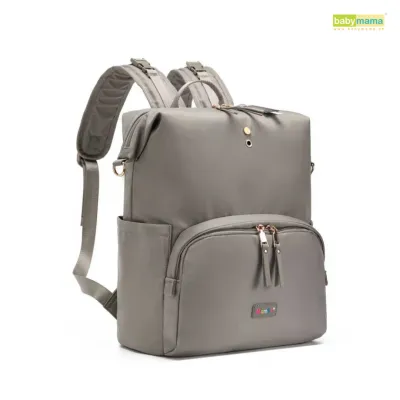
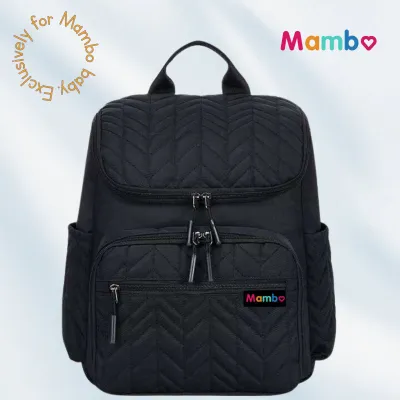
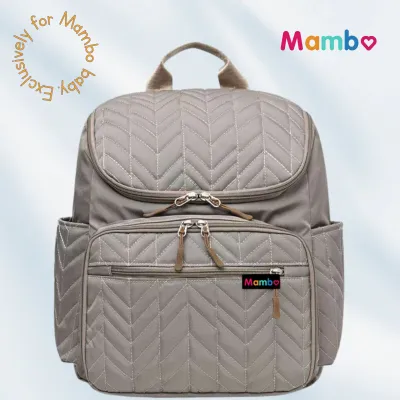
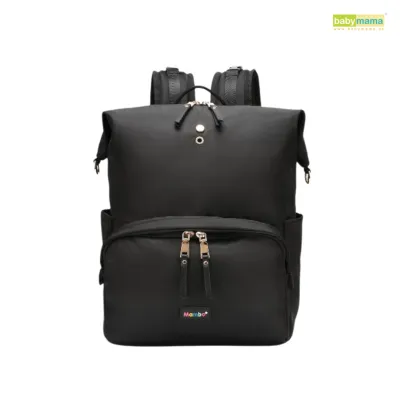
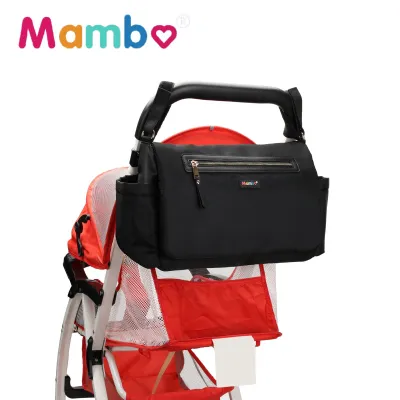
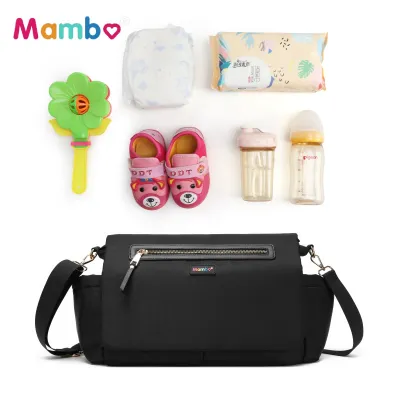
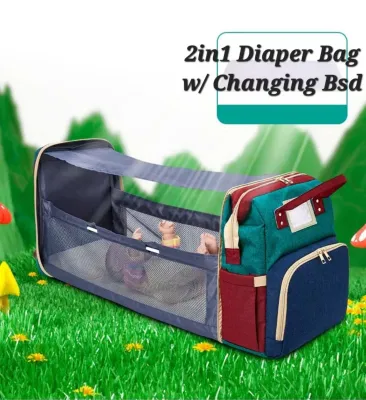
Prices are valid at publication and may change. Please refer to the product page for the latest price.
As children transition into toddlerhood, their packing list shifts from heavy diapering supplies to bulkier items like snack containers, water bottles, toys, and spare play clothes. If you are packing for both a newborn and a toddler, your storage needs double, requiring a bag that can separate dirty toddler shoes from sterile baby bottles. Evaluating these age-specific requirements prevents you from buying a bag that is either too cramped for multi-child outings or unnecessarily bulky for a single toddler’s quick trip.
The duration of your typical outings also dictates the ideal bag capacity. For quick neighborhood errands, a compact bag that holds just the essentials—two diapers, a travel pack of wipes, a changing mat, and a single bottle—is often the most comfortable choice. However, if your routine involves full-day trips, family gatherings, or long commutes, you will need a high-capacity bag that can accommodate multiple feedings, extra layers of clothing, and emergency supplies. In warm, humid climates, packing extra clothes is especially common due to sweat and sudden rain showers, making a spacious interior highly valuable for longer days out.
Finally, consider who will be carrying the bag most of the time. If caregiving duties are shared equally between parents or other family members, a neutral design with highly adjustable straps is essential. A bag that fits comfortably on a taller parent should be easily adjustable to fit a smaller caregiver without straining their shoulders or back. Choosing a style that everyone feels comfortable carrying ensures that the physical load of parenting is shared as easily as the bag itself.
Key Features to Evaluate in a Mambo Diaper Bag
When browsing different Mambo models, the internal and external features will determine how well the bag performs under pressure. Start by examining the compartment layout. A well-designed diaper bag should feature dedicated zones for different types of gear. Look for insulated bottle pockets, which are crucial for keeping milk, formula, or water at a safe temperature during warm afternoons. These insulated compartments help slow down temperature changes, though parents should always verify safe storage times for breastmilk or formula to prevent spoilage.

Accessibility is another critical factor in the layout. Quick-access pockets on the exterior are perfect for items you need to grab in a split second, such as wet wipes, hand sanitizer, or your phone. Inside, look for light-colored linings that make it easier to see items at the bottom of the bag, as dark interiors can turn the bag into a bottomless pit where small items disappear. Dedicated parent zones—separate pockets for keys, wallets, and personal items—are also highly beneficial, ensuring you do not have to dig past diapers to find your house keys.
Material durability and maintenance are non-negotiable for an item that will be used daily and subjected to frequent spills. The exterior fabric should be water-resistant to protect the contents from sudden tropical downpours or accidental splashes. High-density polyester or nylon fabrics are common choices because they offer excellent resistance to wear and tear while remaining lightweight. Inside the bag, look for wipe-clean linings that allow you to quickly sanitize the interior after a milk spill or a leaky snack container.
In humid environments, materials that resist moisture buildup are vital for preventing musty odors and mold. Check the quality of the hardware, including the zippers and buckles. Heavy-duty metal or reinforced plastic zippers that glide smoothly with one hand are essential, as you will often be opening the bag while holding your baby. Double-stitched seams at high-stress points, such as where the straps attach to the main body, are also key indicators of a bag built to withstand heavy daily loads.
Carrying comfort and ergonomics should never be overlooked, especially when the bag is fully packed. Look for wide, padded shoulder straps that distribute weight evenly across your shoulders and back, reducing fatigue during long walks. Breathable mesh backing on the rear of the bag can significantly improve comfort by allowing airflow, keeping you cooler on hot days. Additionally, check for integrated stroller attachment straps or clips. These allow you to hang the bag securely from your stroller handlebar, taking the weight off your shoulders entirely. However, always check your stroller’s manual to ensure hanging a bag does not create a tipping hazard, especially with lighter stroller models.
Matching Bag Styles to Your Lifestyle
Diaper bags come in several distinct form factors, each suited to different lifestyles and mobility needs. Backpack diaper bags have become incredibly popular for good reason: they offer complete hands-free mobility. When your hands are free, you can easily push a stroller, carry your baby, or hold a toddler’s hand while navigating busy streets or shopping centers. Backpacks also distribute weight symmetrically across both shoulders, which helps prevent the posture misalignment and back strain often caused by single-strap bags. This style is particularly advantageous for parents of multiple children or those who rely on public transportation, where keeping your balance is crucial.
Tote and shoulder bag designs offer a different set of advantages, primarily centered around quick access and classic styling. A tote bag can be slung over one shoulder, allowing you to reach inside and grab an item without taking the bag off. This makes them highly convenient for shorter trips, quick car rides, or visits to places where you can easily set the bag down on a clean surface. Many parents appreciate the professional, stylish appearance of tote bags, which often look like standard fashion bags and transition easily from a work environment to a weekend outing. However, they can become uncomfortable during extended walking sessions if they are heavily loaded.
Convertible diaper bags offer the ultimate versatility by allowing you to switch between carrying styles depending on the situation. These bags typically feature removable or tuck-away straps that let you transform the bag from a backpack to a shoulder tote or a crossbody bag in seconds. A convertible model is ideal for families whose daily routines vary widely—for instance, using the backpack mode for a morning walk in the park, and switching to a sleek tote style for a family dinner in the evening. When evaluating convertible options, check how easy it is to transition the straps and ensure that the unused straps do not dangle or create a tripping hazard.
What to Check Before You Buy
Before making your final purchase, taking a few minutes to verify key details can save you from disappointment and ensure you receive a genuine, high-quality product. First, always purchase from authorized sellers or official brand stores on reputable e-commerce platforms. Counterfeit diaper bags may look similar in photos but often use inferior materials, weak zippers, and non-insulated pockets that fail quickly under daily use. Buying from official channels also ensures you have access to valid manufacturer warranties and reliable customer service if you encounter any manufacturing defects.
Next, carefully review the manufacturer’s care instructions and return policies. Some diaper bags require strict spot-cleaning, while others may allow gentle hand washing. Understanding these requirements beforehand helps you maintain the bag’s water-resistant coatings and structural integrity over time. Additionally, check the return policy of the platform or seller to ensure you can return or exchange the bag if it arrives with damaged seams, faulty zippers, or if the size does not match your expectations upon unboxing.
Finally, spend some time reading real user feedback, paying close attention to reviews from parents who have used the bag for several months. Look for comments regarding zipper durability, seam strength, and how well the insulated pockets perform. Pay attention to how the bag handles being packed to maximum capacity. User reviews often highlight practical details that are not visible in product photos, such as whether the bottle pockets fit wider-neck baby bottles or if the shoulder straps tend to slip during movement. This real-world feedback is invaluable for making an informed decision.
Frequently Asked Questions (FAQ)
Are Mambo diaper bags machine washable?
Before attempting to wash your diaper bag, always locate and read the specific care label sewn inside the bag. Most structured diaper bags, especially those with insulated compartments or built-in metal frames, are not suitable for machine washing as the agitation can warp the shape and degrade the water-resistant coatings. Instead, hand washing or spot-cleaning is generally recommended. Submerging insulated pockets can trap water inside the lining, leading to mold growth and reducing their thermal efficiency.
Do Mambo bags come with stroller straps?
Stroller strap inclusion varies depending on the specific model and package you purchase. It is highly recommended to check the detailed product description or packaging list before finalizing your order to confirm if they are included or sold separately. If you need to purchase universal stroller straps, measure the thickness of your stroller’s handlebar first to ensure a secure, non-slip fit. Always prioritize safety by checking your stroller’s weight limits to prevent the stroller from tipping backward when the bag is attached.
How do I clean spills inside the diaper bag?
To manage internal spills and prevent odors, act quickly by blotting up excess liquid with a clean, dry cloth. Clean the affected area using a mild, baby-safe detergent mixed with warm water, gently wiping the lining with a soft cloth or sponge. Avoid harsh chemical cleaners that could damage the water-resistant interior coating or leave behind strong scents that might irritate your baby. Once clean, leave all compartments fully unzipped and hang the bag in a well-ventilated area out of direct sunlight to air dry completely before packing it again.

Community discussion
Share your experience or ask a question. Comments are reviewed before publication.