
Finding the right lanolin nipple cream in the Philippines is a crucial step for breastfeeding mothers seeking to protect their skin barrier and ease the discomfort of sore, cracked nipples. During the first few weeks of breastfeeding, the physical adjustment to a newborn’s latch can cause significant skin sensitivity. Lanolin, a deeply hydrating emollient derived from sheep’s wool, has long been a trusted solution due to its ability to mimic the skin’s natural lipid barrier and promote moist wound healing.
However, navigating the local market requires careful consideration of product purity, texture behavior in tropical climates, and compatibility with daily nursing and pumping routines. Because any topical product applied to the breast may be ingested by a nursing infant, verifying safety standards and sourcing authentic products is paramount. This guide outlines the essential criteria for selecting a high-quality lanolin cream, reading product labels effectively, integrating the cream into your daily routine, and avoiding counterfeit goods in the local market.
What to Look for in a Quality Lanolin Nipple Cream
When evaluating different lanolin nipple creams, the level of purity is the most critical factor to consider. Raw lanolin naturally contains free wool alcohols, environmental impurities, and pesticide residues from the sheep’s fleece, which can trigger allergic reactions or skin irritation. To be safe for maternal care, the ingredient must undergo an intensive refining process to achieve medical-grade purity. Highly refined, ultra-pure lanolin has these potential allergens and impurities reduced to near-undetectable levels, making it exceptionally gentle on compromised skin and safe for newborns.
Products mentioned in this guide
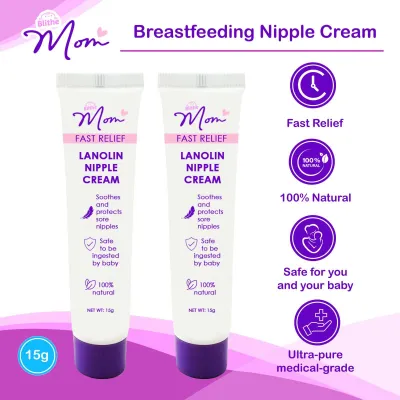
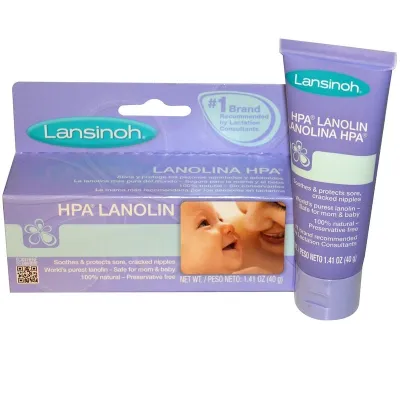
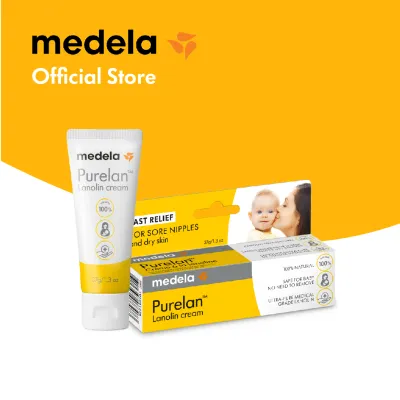
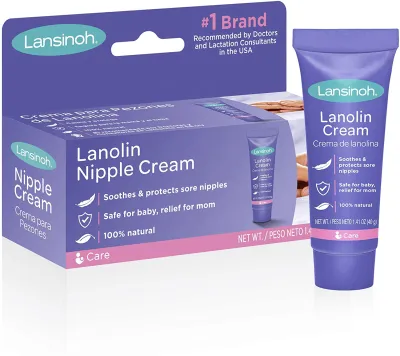
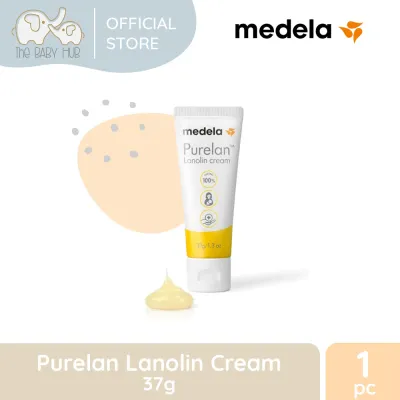
Prices are valid at publication and may change. Please refer to the product page for the latest price.
The physical texture and viscosity of the cream also play a major role in how comfortable it is to use. Lanolin is naturally a thick, tacky substance that can be difficult to spread when cold. In the tropical climate of the Philippines, ambient temperatures often exceed 30°C, which naturally softens the cream inside the tube, making it easier to squeeze out and apply. However, if you spend a significant amount of time in air-conditioned spaces, the cream can become stiff and dense. Applying a stiff cream to already sore or cracked nipples can cause painful friction, so it is important to choose a product that softens quickly with body heat or to warm a small amount between your fingertips before application.
Mothers must also decide between single-ingredient formulations and blended creams. A 100% pure lanolin cream contains no added water, alcohol, or preservatives, minimizing the risk of skin sensitization and ensuring that your baby is not exposed to unnecessary chemicals. Blended creams, on the other hand, may combine lanolin with plant-based oils, such as organic coconut oil or shea butter, to improve spreadability and reduce stickiness. While these blends can feel lighter on the skin, they introduce additional ingredients that require careful safety verification to ensure they are entirely food-safe and hypoallergenic.
Finally, a quality nipple cream must be completely free from artificial fragrances, parabens, and synthetic preservatives. Infants have an incredibly keen sense of smell, which they use to locate the breast and bond with their mother. Strong artificial scents can overwhelm a baby’s senses, potentially leading to breast refusal or latching difficulties. Furthermore, synthetic preservatives can disrupt the delicate skin barrier of the areola and may not be safe for infant ingestion.
How to Read Labels and Verify Safety Claims
Reading the ingredient list is the first line of defense when choosing a safe topical product for breastfeeding. For maximum safety, look for products where the ingredient list contains only one item: 100% ultra-pure lanolin (often listed as Lanolin USP or modified lanolin). If you are considering a blended product, scrutinize every listed ingredient to ensure there are no hidden alcohols, artificial colors, or chemical preservatives.

While many products prominently display terms like “hypoallergenic,” “dermatologist-tested,” or “clinically proven” on their packaging, it is important to understand that these marketing claims are not universally standardized. To verify these assertions, visit the manufacturer’s official website to check their product specifications and testing methodologies. Reliable brands will openly share information about their purification processes and safety testing to reassure parents.
Product integrity also relies heavily on physical packaging details. Always inspect the tube for a clearly printed batch tracking code, manufacturing date, and expiration date. Lanolin is highly stable, but prolonged exposure to high temperatures and air can lead to oxidation, which degrades the quality of the lipids and can cause a rancid smell. Additionally, never purchase or use a tube that lacks a secure, tamper-evident foil seal under the cap, as this seal protects the sterile product from contamination during transit and storage.
Lastly, look for recognized regulatory compliance markings on the packaging. In the Philippines, reputable maternal care products should ideally be registered or notified with the local Food and Drug Administration, or meet strict international standards such as the United States Pharmacopeia (USP) or European Pharmacopoeia (EP) guidelines. These certifications guarantee that the raw lanolin has been rigorously tested for heavy metals, environmental toxins, and microbiological safety before reaching the shelves.
Using Lanolin Cream with Breast Pumps and Nursing
Integrating lanolin cream into your daily breastfeeding routine requires proper application techniques to maximize its protective benefits. Before applying the cream, always wash your hands thoroughly with soap and water to prevent introducing bacteria to sensitive or cracked skin. A helpful practice is to express a small drop of breast milk after a feeding session and gently smear it over the nipple and areola, allowing it to air dry. Breast milk contains natural protective properties that aid in skin recovery. Once dry, take a pea-sized amount of lanolin cream, warm it between your clean fingertips to reduce its viscosity, and gently pat—rather than rub—it onto the affected areas.
A common concern among breastfeeding mothers is whether the cream must be removed before the baby latches. For 100% ultra-pure, medical-grade lanolin, manufacturers generally design the product to be “no-wipe,” meaning it is safe to leave on the skin during nursing. However, you must always verify the specific instructions on your product’s packaging. If the cream is a blend containing non-food-grade ingredients or botanical extracts that have not been cleared for infant consumption, you must thoroughly wash the breast with warm water before feeding.
If you use a breast pump, lanolin cream can serve as an excellent lubricant to reduce friction between your skin and the plastic or silicone pump flange. Applying a very thin layer of lanolin to the nipple or the inner tunnel of the flange before pumping can prevent chafing and improve comfort. However, because lanolin is highly viscous and hydrophobic, excessive use can lead to a thick buildup on your pump parts. This greasy residue can coat silicone valves, membranes, and diaphragms, which may eventually compromise the pump’s suction seal and reduce its milk-expression efficiency.
To maintain your pumping equipment and hygiene standards, establish a thorough cleaning routine. After each pumping session, disassemble all parts and wash them in hot, soapy water. Use a dedicated bottle cleanser formulated to break down tough milk fats and heavy oils like lanolin. For mothers who use reusable fabric nursing pads, lanolin can build up in the fibers over time, creating a waterproof barrier that reduces the pad’s absorbency. To prevent this, wash reusable pads in hot water with a residue-free detergent to strip away any accumulated oils.
Secure Purchasing and Authenticity Checks in the Philippines
To ensure you are applying a safe, authentic product to your skin, it is vital to purchase your lanolin cream from secure and authorized channels. Prioritize buying from official brand flagship stores on major ecommerce platforms, licensed pharmacies, or well-known baby specialty retailers. These sellers maintain direct supply chains with manufacturers, ensuring that the products are genuine and have been stored under appropriate conditions.
The rise of unauthorized third-party sellers on general online marketplaces has increased the risk of counterfeit or expired goods entering the local market. Be highly vigilant of common red flags, such as prices that are significantly lower than the standard retail rate. For instance, if a premium imported lanolin cream typically retails for ₱500 to ₱700, a listing offering the same product for ₱150 should be treated with extreme caution. Other warning signs include blurry or low-quality printing on the tube, spelling errors in the product description, missing batch codes, or packaging that arrives without a protective outer box or safety seal.
Proper storage is equally critical to maintaining the cream’s stability in the tropical climate of the Philippines. High heat and humidity can cause the natural lipids in lanolin to separate, liquefy, or oxidize prematurely. Store your lanolin tube in a cool, dry place away from direct sunlight, such as a closed drawer or a pantry. Avoid leaving the product in hot vehicles, near windows, or in high-humidity areas like bathrooms. If you notice that the cream has completely liquefied, try placing it in an air-conditioned room to see if it returns to its normal consistency; however, if it develops a gritty texture, a dark discoloration, or a sour, rancid odor, it has likely degraded and should be discarded.
If you receive a product that appears damaged, has a broken safety seal, or exhibits an unusual texture upon opening, do not attempt to use it on your skin. Immediately document the issue by taking clear photos or videos of the packaging and the product’s consistency. Contact the retailer’s customer service or use the ecommerce platform’s official return and refund channels to report the defective item. Protecting your health and your baby’s safety should always take precedence over attempting to salvage a compromised product.
Frequently Asked Questions (FAQ)
Do I need to wipe off lanolin nipple cream before breastfeeding?
If you are using a 100% ultra-pure, medical-grade lanolin cream, you generally do not need to wipe or wash it off before your baby latches. Highly refined lanolin is purified to remove harmful impurities and is formulated to be safe for infant ingestion in the tiny amounts left on the breast. However, it is essential to check the specific packaging of your product, as some blended creams containing plant oils, fragrances, or preservatives may require thorough washing before feeding. If your baby seems to struggle with latching due to a slippery surface, you can gently pat the nipple with a clean, dry cloth to remove excess cream without stripping away the protective barrier entirely.
Can I use lanolin cream if I have a known wool allergy?
Because lanolin is a natural substance extracted from sheep’s wool, individuals with a known or suspected wool allergy should exercise caution. While the intensive purification process used to create medical-grade lanolin removes the vast majority of wool alcohols—which are the primary allergens responsible for wool sensitivity—there remains a small risk of cross-reactivity or contact dermatitis. If you have a history of skin reactions to wool clothing or lanolin-containing cosmetics, it is highly recommended to consult a healthcare professional before use. You can also perform a supervised patch test by applying a tiny amount of the cream to a small patch of healthy skin on your inner forearm and monitoring the area for 24 to 48 hours for any signs of redness, itching, or swelling.

Community discussion
Share your experience or ask a question. Comments are reviewed before publication.