
Choosing the right Kleen Enfant toothpaste variant for your child requires looking beyond the age number on the packaging and closely evaluating your child’s physical development, particularly their ability to spit out foam. While age brackets on toothpaste tubes serve as a helpful starting point, children develop oral motor skills at highly individual rates. In tropical climates like the Philippines, where sweet snacks and local delicacies are common parts of a child’s diet, establishing a robust oral hygiene routine early is essential to protect developing primary teeth from decay. By matching the toothpaste formulation to your child’s current developmental milestones, you can ensure their early brushing experiences are both safe and highly effective.
To make an informed decision, parents must understand the transition from training toothpastes to junior formulations. Training variants are typically designed for infants and toddlers who have not yet mastered the coordination required to spit, meaning these formulas must be verified on the label as safe if swallowed in tiny amounts. Conversely, junior or kids’ toothpastes are formulated for older children who can reliably spit out excess paste, often containing active cavity-protection ingredients that should not be regularly ingested. Balancing these developmental needs with meticulous label checks is the key to maintaining your child’s oral health.
Assessing Your Child's Oral Development and Brushing Readiness
The Teething and Early Toddler Phase
During the teething and early toddler phase, which often begins around six months of age with the eruption of the first primary tooth, oral care focuses primarily on gum stimulation and clearing away milk residue. At this stage, infants possess an automatic swallowing reflex and have no concept of spitting. Any oral care product introduced now must be selected with the assumption that the child will swallow it entirely. Parents should focus on gentle cleaning using a soft cloth or a silicone finger brush, introducing a tiny smear of training toothpaste only after verifying the manufacturer’s safety guidelines on the packaging.
Products mentioned in this guide
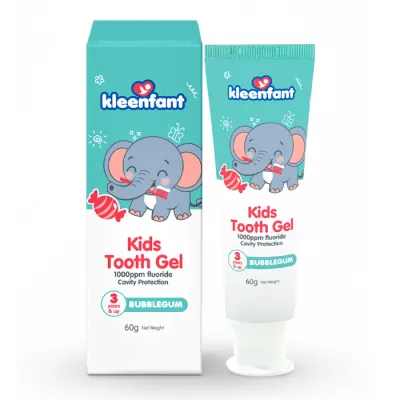
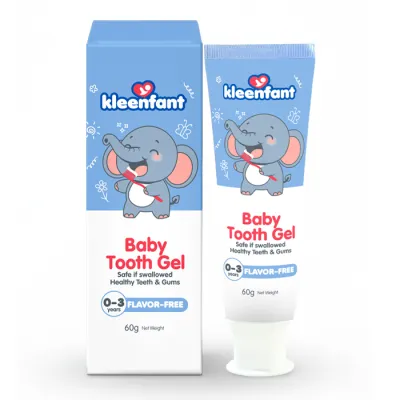
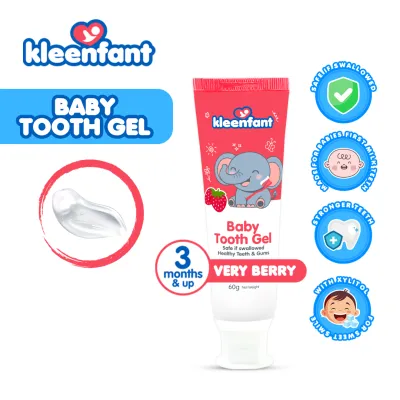
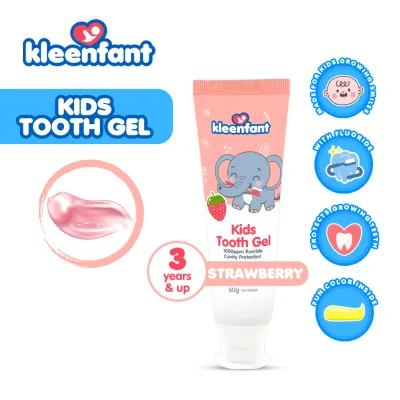
Prices are valid at publication and may change. Please refer to the product page for the latest price.
The Active Toddler Phase
As children enter the active toddler phase, usually between one and three years of age, they begin to mimic the daily habits of their parents and older siblings. This is an excellent window for introducing a toddler-sized toothbrush and establishing a twice-daily brushing routine. However, while toddlers may enthusiastically hold the brush and attempt to scrub their own teeth, they still lack the manual dexterity and oral motor control required to spit out toothpaste foam. Because they will naturally swallow the paste during this learning stage, their toothpaste must remain strictly aligned with training-level safety standards.
The Junior Phase and Spitting Mastery
The junior phase begins when a child demonstrates consistent spitting mastery, a milestone that typically occurs between the ages of three and five, though it varies widely for every individual. You can test your child’s readiness by having them practice spitting out a small sip of clean water into the sink. Once they can perform this action reliably without swallowing any water, they are physically ready to transition to standard cavity-protection formulations. This developmental leap allows for the introduction of junior toothpastes that actively strengthen enamel and protect against tooth decay.
Matching Kleen Enfant Variants to Age and Skill Levels
Training Variants for Early Learners
When selecting a Kleen Enfant training toothpaste, your primary goal is to support a child who cannot yet spit. Parents must carefully inspect the packaging of these training variants to verify whether they are formulated to be swallow-safe and to check their fluoride status. These early-stage toothpastes are designed to clean newly erupted teeth gently without relying on heavy foaming agents, which can trigger the gag reflex in young toddlers. Using a training variant allows your child to get used to the physical sensation of brushing without the risk of ingesting ingredients meant only for older children.

Junior and Kids Variants for Independent Brushers
For older children who have successfully mastered the spitting reflex, junior or kids’ variants of Kleen Enfant toothpaste are the appropriate choice. These formulations are specifically designed to address the dietary changes of older children, who consume a wider variety of solid foods and sugars. When purchasing a junior variant, parents should check the label for active cavity-fighting ingredients, such as fluoride, which help remineralize tooth enamel and shield teeth from acid attacks. Because these ingredients are meant to be spat out, these variants should only be introduced once you are entirely confident in your child’s spitting ability.
Balancing Flavor Appeal with Safety Boundaries
Flavor plays a critical role in encouraging brushing compliance, especially for stubborn toddlers who resist oral hygiene routines. Mild, fruity flavors can transform a daily struggle into an enjoyable activity, helping children associate brushing with a positive sensory experience. However, highly appealing flavors also present a safety challenge, as young children may be tempted to eat the toothpaste directly from the tube. Parents must balance this appeal by treating the toothpaste as a controlled item, applying only the recommended amount and keeping the tube safely out of the child’s reach between brushing sessions.
Key Indicators for Upgrading Variants
Transitioning your child from a training toothpaste to a junior variant should be guided by observable physical milestones rather than a strict calendar schedule. Key indicators include the child’s ability to spit out water completely during practice, the eruption of their first permanent molars, and a demonstrated understanding of the instruction to “spit, don’t swallow.” Additionally, a routine visit to a pediatric dentist can provide personalized confirmation that your child’s oral development is ready for the transition to a stronger, cavity-protecting formulation.
Essential Label Checks and Safety Verification Before Buying
Verifying Age and Developmental Guidelines
Before purchasing any Kleen Enfant toothpaste variant, parents should make it a habit to thoroughly read the product packaging. Do not rely solely on the product name or front-of-pack marketing; instead, locate the manufacturer’s explicitly stated age range and developmental guidelines on the back or side of the box. These guidelines are carefully calibrated based on average developmental milestones and ingredient safety profiles, helping you avoid introducing a formulation that is either too advanced or insufficient for your child’s current needs.
Checking Fluoride Status and Concentration
Fluoride is a highly effective ingredient for preventing tooth decay, but its use must be carefully managed based on your child’s age and swallowing habits. Parents must inspect the ingredient list on the Kleen Enfant packaging to verify the presence and concentration of fluoride, which is typically measured in parts per million (ppm). For infants and toddlers who cannot spit, pediatric dental guidelines often recommend fluoride-free training pastes or extremely low-fluoride formulas, whereas older children benefit from standard pediatric fluoride levels. Always consult your pediatric dentist to determine the ideal fluoride concentration for your child’s specific cavity risk.
Confirming Swallowing and Spitting Instructions
Clear, unambiguous instructions regarding whether the toothpaste is formulated to be swallowed or spat out are vital for your child’s safety. Look for explicit statements on the tube or box, such as “safe if swallowed in small amounts” or “do not swallow; spit out thoroughly.” If a product’s packaging lacks clear directions on this matter, or if the instructions are confusing, it is best to err on the side of caution and choose a variant with explicit, easy-to-understand safety warnings that match your child’s current spitting capabilities.
Inspecting Packaging Integrity and Expiration Dates
In the warm and humid climate of the Philippines, maintaining the physical integrity of baby care products is especially important. Before buying, inspect the toothpaste box for any signs of water damage, tearing, or tampering, and ensure the foil safety seal under the cap is completely intact. Furthermore, locate the expiration date, which is typically stamped on the crimp of the tube or the bottom of the box. Using expired toothpaste can result in separated ingredients, reduced efficacy of active components, and potential bacterial contamination, so always verify that the product is well within its shelf life.
Building a Safe Daily Brushing Routine and Supervision Plan
Mastering Portion Control
Controlling the amount of toothpaste dispensed onto the brush is one of the simplest and most effective ways to ensure brushing safety. For children under the age of three, or those who have not yet learned to spit, parents should use a tiny “smear” of toothpaste, which is roughly the size of a single grain of rice. For children aged three and older who can reliably spit, a “pea-sized” amount is the standard recommendation. Physically pressing the toothpaste slightly into the bristles of the brush can also prevent your child from simply licking the flavorful paste off the top before brushing begins.
The Role of Active Parental Supervision
Children generally do not develop the manual dexterity required to clean their own teeth thoroughly until they are around seven or eight years old. Because of this, active parental supervision and physical assistance are mandatory during every brushing session. Parents should let their child practice brushing first to build confidence, but must always follow up by physically brushing the hard-to-reach back molars where food particles easily accumulate. Supervision also ensures that the child does not swallow excess paste, choke on the brush, or use too much product.
Safe Storage Practices in Tropical Climates
Because children’s toothpastes are formulated with sweet, appealing flavors, they can easily be mistaken for treats by curious toddlers. To prevent accidental ingestion of large quantities, store all toothpaste tubes in a high, locked cabinet that is completely out of your child’s reach. In the Philippines, the high ambient temperature and humidity can cause toothpaste formulations to separate or degrade over time. To preserve the product’s quality, store the tube in a cool, dry place away from direct sunlight, and always ensure the cap is tightly closed after each use.
Recognizing When to Consult a Pediatric Dentist
While a consistent home care routine is vital, it does not replace professional dental evaluations. Parents should schedule their child’s first dental visit by their first birthday, or within six months of the eruption of their first tooth. If you observe any warning signs—such as white spots on the teeth (which can indicate early decay), bleeding gums, persistent bad breath, or sensitivity to cold or warm drinks—you should consult a pediatric dentist immediately. A professional can assess your child’s oral development, recommend the ideal Kleen Enfant variant, and provide personalized guidance for your child’s unique dental needs.
Frequently Asked Questions (FAQ)
Is it safe to use junior toothpaste if my toddler cannot spit yet?
No, it is generally not recommended to use junior toothpaste if your toddler has not yet mastered the ability to spit. Junior toothpastes are formulated for older children and often contain active ingredients, such as fluoride, that are designed to be spat out rather than swallowed. Regularly ingesting these ingredients in large quantities can lead to mild cosmetic issues, such as dental fluorosis, or mild digestive upset. For toddlers who still swallow their toothpaste, you should stick to training variants that are explicitly labeled as safe to swallow, and transition to junior formulas only after they can reliably spit.
When should I transition my child to the next Kleen Enfant variant?
You should transition your child to the next Kleen Enfant variant based on their physical developmental milestones rather than their chronological age alone. The most critical milestone is the mastery of the spitting reflex, which you can test by having your child practice spitting out water. Once they can do this consistently without swallowing, and once they have developed a full set of primary teeth, they are ready to transition from a training paste to a junior variant. Always consult your pediatric dentist during routine checkups to get professional confirmation that your child is ready for this transition.

Community discussion
Share your experience or ask a question. Comments are reviewed before publication.