
Setting up a nursery is one of the most exciting parts of preparing for a new baby, but it quickly becomes clear how many small items come with a newborn. From plush toys and rattles to board books and developmental blocks, the sheer volume of baby gear can easily overwhelm a small space. Keeping this environment tidy is not just about visual appeal; a well-organized nursery supports a calming sleep environment and makes daily caregiving routines much smoother.
Instead of focusing on specific brand names or temporary trends, this guide is designed to help you evaluate storage options based on safety, space, and accessibility. The right kids toy organizer for your home is one that adapts to your child’s changing developmental needs while fitting the physical layout of your room. By understanding what to look for in terms of materials, structural integrity, and usability, you can create a functional system that grows alongside your family.
Core Criteria for Evaluating Nursery Toy Storage
When evaluating potential storage solutions for a baby or toddler’s room, you must balance several competing priorities. The first major consideration is the relationship between accessibility and containment. For a young baby, you want a system that allows easy access to safe, age-appropriate toys to encourage independent exploration and motor skill development. However, you also need a way to contain visual clutter so the nursery remains a peaceful space conducive to sleep. Striking this balance often means combining open, easy-to-reach bins with closed storage options that keep less frequently used items out of sight.
Products mentioned in this guide
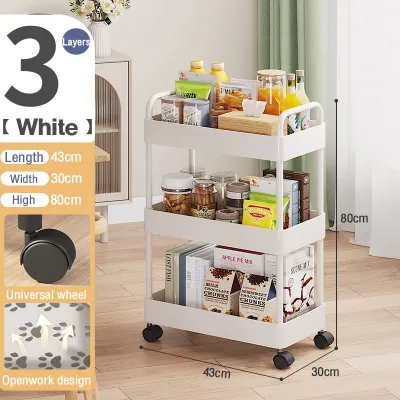
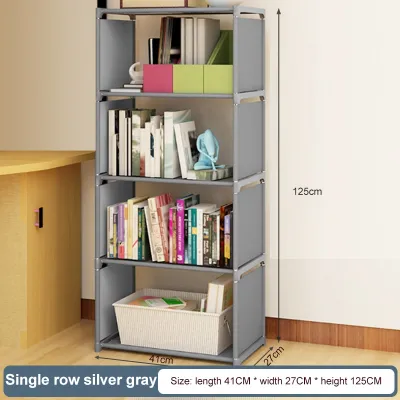
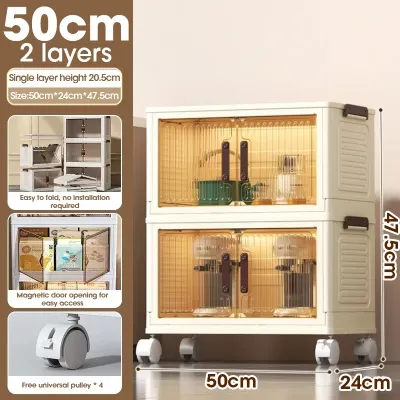
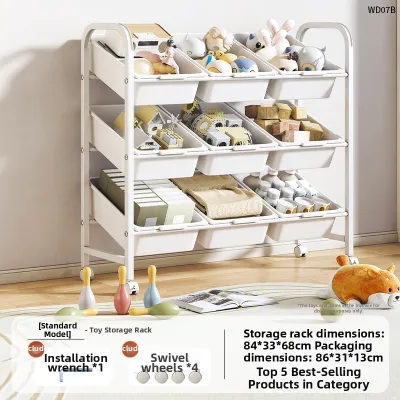
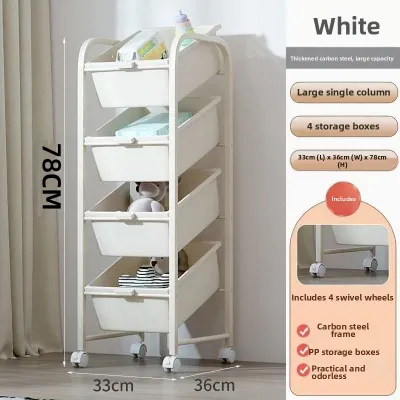
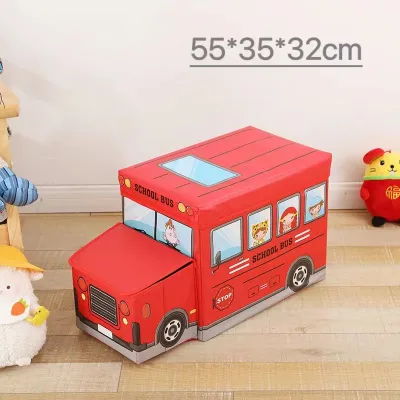
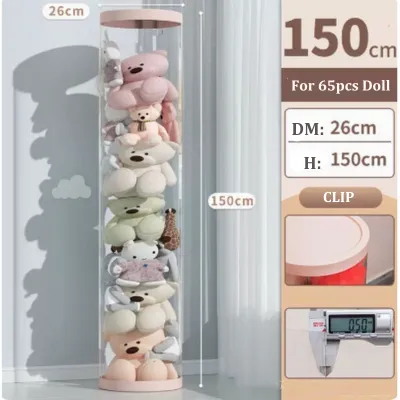
Prices are valid at publication and may change. Please refer to the product page for the latest price.
Material safety is another non-negotiable factor when choosing furniture for a nursery. Babies and toddlers naturally explore their world with their mouths, meaning any surface within their reach must be completely safe. You should always verify material safety by reviewing manufacturer labels for non-toxic finishes, BPA-free plastics, and lead-free paints. In the humid tropical climate of the Philippines, material choice also impacts longevity and hygiene. High humidity can cause cheap particle board to swell or warp, and it can encourage mold growth on untreated fabrics. Opting for moisture-resistant materials or ensuring fabric bins are highly breathable is essential for maintaining a healthy indoor environment.
Finally, you must assess the space efficiency of any organizer you consider. Nurseries are often compact, requiring you to maximize every square inch of floor and wall space. A bulky organizer that restricts movement or blocks walking paths can become a safety hazard, especially during late-night feedings when visibility is low. You need to evaluate the physical footprint of the unit relative to the room’s layout, ensuring there is ample clearance for doors to swing open, drawers to slide out, and caregivers to move freely around the crib and changing table.
Comparing Common Types of Kids Toy Organizers
As you browse online marketplaces, you will find a wide variety of storage designs. Most nursery organizers fall into three primary structural categories: open shelving units, soft fabric containers, and lidded drawer systems. Each of these types serves a different organizational goal, and understanding their unique characteristics will help you match them to your specific layout and daily routine.

Open Shelving and Cube Storage Units
Open shelving and cube storage units are highly popular for nurseries because they offer excellent visibility and structure. These systems are ideal for displaying books, larger toys, and developmental puzzles where a child can easily see and select what they want to play with. Many parents use these units to implement a toy rotation system, displaying only a few curated items at a time while keeping the rest stored away.
When choosing a cube storage unit, you must pay close attention to its weight capacity and structural rigidity. While lightweight plastic or thin composite boards are easy to assemble, they may bow or sag under the weight of heavy books or wooden toys. Additionally, if you plan to use fabric or plastic insert bins within the cubes, you must carefully measure the inner dimensions of the openings. A tight fit can make it difficult for a toddler to pull the bins out independently, while bins that are too small will slide around and create an untidy appearance.
Soft Bins, Canvas Baskets, and Fabric Boxes
For soft toys, plushies, and quick cleanups, lightweight fabric containers are an excellent choice. These bins are typically made from cotton canvas, felt, or woven synthetic fibers, making them incredibly safe for toddlers who are learning to crawl, pull themselves up, or walk. If a child accidentally bumps into a fabric basket or pulls it down from a low shelf, the risk of injury is virtually nonexistent.
However, these flexible options do have structural limitations. Soft bins generally lack rigid support, meaning they can lose their shape over time, especially if they are stuffed with heavy or awkwardly shaped toys. They also cannot be stacked on top of one another without collapsing, which limits their usefulness for maximizing vertical space. In humid regions, fabric containers require extra care; you should regularly inspect them for dust accumulation and moisture, and choose washable options that can be easily cleaned to prevent musty odors.
Lidded Containers and Drawer Organizers
Enclosed storage solutions, such as plastic lidded bins and multi-drawer organizers, are essential for managing small parts, craft supplies, and toys that require adult supervision. These containers keep dust off items that are not used daily and prevent curious toddlers from accessing toys that may pose choking hazards.
When integrating lidded containers or drawer units into a nursery, safety must be your primary focus. You should look for units with built-in drawer stoppers that prevent a child from pulling a heavy drawer completely out of the frame. For larger toy chests with heavy lids, verify that they feature safety hinges or tension guards that prevent the lid from slamming shut on tiny fingers. If a container does not have these safety features, it is best kept on a high shelf out of the child’s reach, or used strictly under direct caregiver supervision.
Essential Safety and Stability Checks Before You Buy
Before finalizing any purchase, you must perform a thorough safety audit of the product specifications. The most critical safety requirement for any nursery furniture is tip-over prevention. As toddlers grow, they naturally use shelves and drawers as climbing frames. Even a relatively light organizer can tip forward if a child pulls on an open drawer or climbs the shelves, posing a severe risk of injury. You must verify that any tall or heavy storage unit includes dedicated anti-tip hardware. If the product description does not mention wall-anchoring brackets, you should plan to purchase a compatible heavy-duty anchor kit separately and secure the unit to a wall stud or solid concrete wall.
Next, carefully inspect the physical design of the organizer for potential hazards. Look closely at product images and descriptions to ensure the unit features rounded corners rather than sharp, angular edges. Check that all assembly hardware, such as screws and bolts, is recessed or covered with smooth plastic caps to prevent snags and scratches. If the organizer features wooden components, verify that the surface is sanded completely smooth and sealed with a non-toxic, splinter-free finish.
Ventilation and entrapment prevention are also vital, particularly for large, enclosed toy chests. If you choose a traditional wooden toy box, ensure it has built-in ventilation holes or a generous gap between the lid and the front panel to allow airflow if a child were to climb inside. Never use airtight plastic bins for large-scale toy storage at floor level. If you are considering modifying an existing piece of furniture to make it safer—such as adding tension hinges or drilling ventilation holes—stop and consult a qualified professional to ensure you do not compromise the structural integrity of the unit.
How to Build Your Nursery Storage Shortlist
Creating an organized nursery requires a systematic approach to selecting the right products. You can build a practical shortlist by following three clear steps designed to match storage units to your home’s physical reality.
Step 1: Measure your space. Begin by using a physical tape measure to map out the exact area where you plan to place the organizer. Do not rely on visual estimates. Measure the width, depth, and height of the available wall and floor space, taking into account the swing radius of doors, the clearance needed for crib access, and the location of electrical outlets. Ensure the organizer will not block light switches or air conditioning vents, which are crucial for maintaining a comfortable room temperature.
Step 2: Audit your toy collection. Take a detailed inventory of the toys your child currently owns and those they are likely to receive in the coming months. Categorize them by size, weight, and how often they are used. This audit will help you determine the specific types of storage you need. For example, if you have many small rattle toys and teething rings, you will need shallow, easy-to-reach bins. If you have larger plush toys, a deep canvas basket will be more appropriate. Keep choking hazards and toys requiring supervision separate so they can be designated for high-shelf storage.
Step 3: Cross-reference and verify. Once you have your measurements and toy inventory, compare them against the safety checklist. Search online marketplaces using specific dimensions to filter your options. Before adding an item to your cart, read the product description carefully to verify the materials used, weight limits, and recommended age ranges. Check customer feedback specifically for mentions of assembly difficulty, structural stability, and material quality to ensure the product meets your standards before checkout.
Frequently Asked Questions (FAQ)
How many toy organizers do I need for a small nursery?
Instead of focusing on a specific number of units, you should prioritize vertical space and multi-functional furniture to keep a small nursery organized. A single, well-designed modular unit that combines open shelves with removable bins is often enough to handle a baby’s initial toy collection. Look for furniture that serves double duty, such as a changing table with built-in shelving underneath or a storage bench that can also be used for seating. Starting with one high-quality, adaptable unit allows you to expand your storage system gradually as your child’s toy collection grows, preventing the room from feeling overcrowded early on.
When should I transition from baby-safe storage to kid-accessible bins?
The transition to kid-accessible storage typically begins when your child starts crawling, pulling up, or walking, which is when they develop a natural desire to choose their own toys. At this stage, you should move lightweight, safe items like plush toys and soft books to low, open bins at floor level where your child can reach them easily. At the same time, you must remove any heavy, sharp, or small objects from lower shelves and ensure all tall furniture is securely anchored to the wall. Always verify the manufacturer’s age guidelines and safety warnings on your storage units during this transition to ensure the setup remains safe for independent exploration.

Community discussion
Share your experience or ask a question. Comments are reviewed before publication.