
Selecting the right kids toothbrush is a fundamental step in establishing lifelong oral hygiene habits. As your child grows, their mouth structure, motor skills, and dental needs change rapidly. Matching the brush to their specific developmental stage ensures effective plaque removal while protecting delicate gums and emerging enamel. By understanding what features to look for at each milestone, you can make informed choices that make brushing both safe and comfortable for your little one.
Identifying Your Child's Current Oral Development Stage
The journey to healthy teeth begins long before the first tooth fully emerges. Parents can observe early signs of oral development, such as increased drooling, swollen gums, and a tendency to chew on toys, which indicate that teething has begun. During this initial phase, oral care focuses primarily on soothing sensitive gums and clearing away food residue after feedings.
As the first tiny teeth begin to erupt, usually around six months of age, the cleaning method must transition. Moving from a soft, damp cloth or silicone massager to an introductory bristle brush helps clean the new surfaces effectively. This transition must be timed carefully to avoid irritating tender gum tissue while still preventing early tooth decay on newly exposed enamel.
Products mentioned in this guide
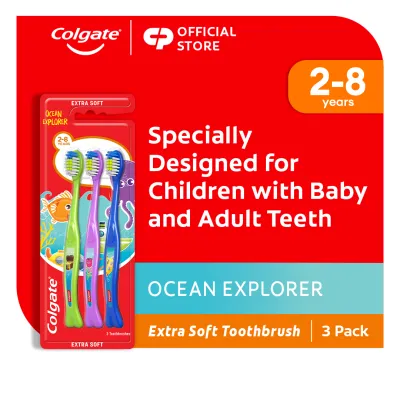
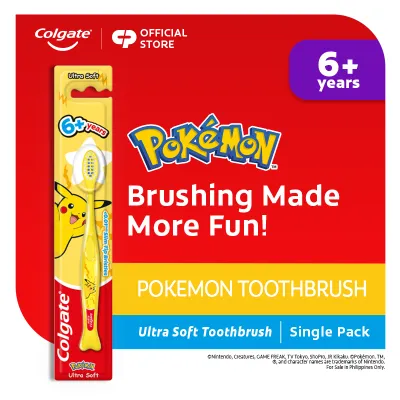

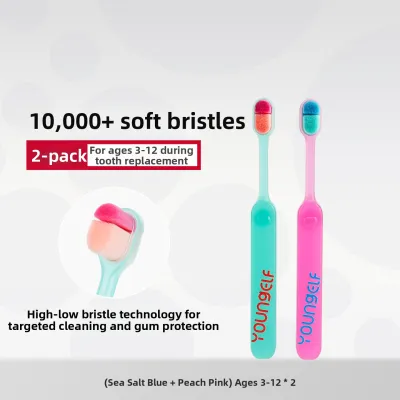

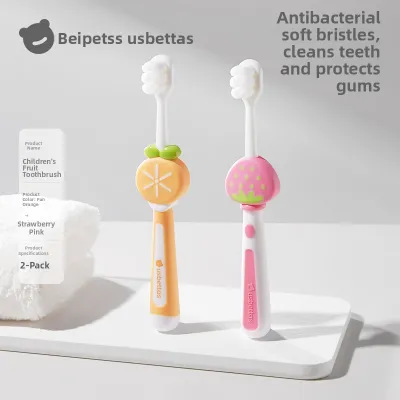
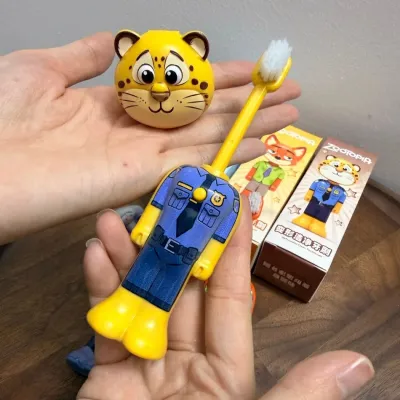

Prices are valid at publication and may change. Please refer to the product page for the latest price.
To ensure you are selecting the correct tool, always check the manufacturer age and developmental guidelines printed on the product packaging. These age ranges are designed to match the average physical development of a child’s mouth and grip strength. However, because every child develops at their own pace, observing your child’s actual dental progress is just as important as reading the label.
Matching Toothbrush Features to Specific Age Groups
Different developmental milestones require distinct toothbrush designs to ensure safety and ease of use. Selecting the right combination of head size, handle shape, and bristle texture makes daily brushing more manageable for both parents and children.

Infants and First Teeth (0 to 2 Years)
During the first two years of life, oral care is a collaborative effort heavily managed by the caregiver. The transition from a silicone finger brush to a training toothbrush should occur as soon as multiple teeth begin to emerge close together. A training brush introduces the sensation of actual bristles while remaining gentle on highly sensitive oral tissues.
Bristles for this age group must be exceptionally soft to prevent micro-scratches on the thin, newly erupted enamel and delicate gums. Look for labels specifically marked as extra-soft or ultra-soft to ensure the gentlest possible cleaning action. Harder bristles can cause discomfort, which might make your child resistant to future brushing sessions.
The handle design at this stage is optimized for caregiver control rather than independent child use. Many infant toothbrushes feature long, slender handles that allow parents to guide the brush comfortably at various angles. Alternatively, some designs include wide, loop-shaped handles that prevent the brush from being pushed too far into the baby’s mouth, serving as a built-in safety shield.
Before purchasing, always verify the age suitability and material safety details on the product label. Ensure the materials are free from bisphenol A (BPA) and other potentially harmful plastics, as infants frequently chew on the brush head during teething. Consulting a pediatric dentist during the first year can provide personalized guidance on starting this routine safely.
Toddlers and Early Brushers (2 to 5 Years)
As children reach the toddler years, they begin to assert their independence and want to mimic their parents’ daily routines. This stage requires a toothbrush that accommodates a slightly larger mouth while supporting the child’s developing hand-eye coordination.
The brush head must remain highly compact to navigate the tight spaces at the back of a toddler’s mouth. A head that is too large can cause gagging or miss hard-to-reach molars where plaque easily accumulates. Ideally, the brush head should only cover one to two small teeth at a time to ensure precise and thorough cleaning.
Handles for toddlers are typically chunky, rounded, and covered with non-slip rubber grips. These features are specifically designed for small hands that are still developing fine motor skills and a firm grasp. A secure grip prevents the brush from slipping out of wet hands, reducing the risk of accidental gum poking or mouth injury.
While toddlers should be encouraged to practice brushing on their own, active caregiver supervision remains essential. Children in this age group often chew on the bristles rather than brushing with them, which leads to rapid wear. Regularly inspect the brush head to ensure the bristles are still intact and straight, and be prepared to finish the brushing process yourself to guarantee all tooth surfaces are clean.
School-Age Children (6 Years and Older)
Around the age of six, children enter a phase of mixed dentition, where baby teeth begin to loosen and permanent teeth start to emerge. This transitional period requires a toothbrush that can handle varying tooth heights and gaps while supporting fully independent brushing habits.
The brush head for school-age children is slightly larger than a toddler’s brush but still significantly smaller than an adult version. The design often incorporates varied bristle heights or a tapered tip to clean effectively around loose teeth, erupting molars, and changing gum lines. This helps reach the uneven surfaces created by a changing smile.
Ergonomic handles at this stage transition toward a slimmer, more mature shape that resembles an adult toothbrush but remains scaled to a child’s hand. These handles often feature strategic thumb rests and textured grips to help the child apply the correct amount of pressure without slipping.
Even as children gain independence, parents should continue to verify the bristle softness indicated on the packaging. Developing permanent enamel is still vulnerable to abrasion, so soft bristles remain the standard recommendation. Periodic checks on their brushing technique help ensure they are reaching all areas of the mouth, especially the newly erupting permanent molars at the back.
Essential Safety and Feature Checks Before Purchase
When shopping for a kids toothbrush in local retail stores or online marketplaces, a careful inspection of the packaging and product design is crucial. Always look for clear material safety certifications and explicit manufacturer age recommendations on the label. These indicators help verify that the product has been designed with child-safe materials and appropriate dimensions for the specified age bracket.
Physical inspection of the toothbrush itself is equally important to prevent oral discomfort or injury. Feel the bristles if the packaging allows, or look closely at the product images to ensure the bristle tips are rounded and soft. The edges of the brush head should be smooth and cushioned with a rubberized coating to protect the inner cheeks and gums from accidental impact during vigorous brushing.
Additionally, evaluate the handle design against your child’s current level of brushing independence. If you are still doing most of the brushing, a longer handle that fits your hand comfortably is ideal. If your child is taking over the task, prioritize a shorter, thicker handle with textured rubber grips that fit securely in their smaller palm.
Maintenance, Replacement Signals, and Hygiene Practices
Maintaining the hygiene of a kids toothbrush is vital for preventing the buildup of unwanted bacteria and ensuring effective cleaning. The most obvious signal that a toothbrush needs replacing is the visual appearance of the bristles. When bristles become frayed, splayed, or bent outward, they lose their ability to remove plaque efficiently and can irritate the gums.
Proper storage is especially important in warm, humid tropical climates like the Philippines, where moisture can linger on household items. After each use, rinse the toothbrush thoroughly under running water to remove all remaining toothpaste and debris. Store the brush upright in an open holder or cup, allowing it to air-dry completely; avoid using closed caps or travel cases for daily storage, as trapped moisture encourages mold and bacterial growth.
Always verify the manufacturer’s instructions for the recommended replacement interval, which is typically every three months. However, if your child has recently recovered from an illness, such as a cold or throat infection, it is highly recommended to replace the toothbrush immediately to prevent reinfection. Keeping a spare brush in your household cabinet ensures you can make these quick swaps whenever necessary.
Frequently Asked Questions (FAQ)
Should my child use an electric or manual toothbrush?
Choosing between an electric and manual toothbrush depends largely on your child’s manual dexterity and personal preference. Electric models can be highly engaging and help clean effectively with less physical effort, making them useful for children still developing their motor skills. However, you must check the manufacturer’s age limits and safety warnings, as many electric models are not recommended for very young children. Ultimately, establishing a consistent twice-daily brushing routine and using the correct technique is far more important than the type of toothbrush you choose.
How do I pair the right amount of toothpaste with the new brush?
Pairing the right amount of toothpaste requires observing your child’s ability to spit out the excess reliably. For infants and toddlers under three years old who cannot yet spit, a tiny smear of toothpaste—about the size of a grain of rice—is generally recommended. For children aged three and older who can spit, a pea-sized amount is appropriate. Always check the product packaging to verify the fluoride concentration is suitable for your child’s age group, and consult your pediatric dentist for personalized recommendations based on their specific oral health needs.

Community discussion
Share your experience or ask a question. Comments are reviewed before publication.