
Introducing an infant water bottle is a significant milestone in your baby’s weaning journey, marking the transition from exclusive milk feeding to a broader world of nutrition and hydration. Choosing the right cup involves matching your child’s physical development with a design that is safe, durable, and easy to clean. In a tropical climate like the Philippines, where maintaining proper hydration and preventing bacterial growth are daily priorities, selecting the appropriate bottle requires careful consideration of materials, spill-proof mechanisms, and ease of maintenance. By focusing on your baby’s developmental cues and understanding the distinct benefits of spouts, straws, and open cups, you can make an informed decision that supports their oral motor skills and makes mealtime transitions smoother.
Recognizing Readiness for an Infant Water Bottle
Introducing a water cup to your baby is not merely about hydration; it is a developmental step that aligns with the introduction of solid foods. Most pediatric guidelines suggest starting water practice around six months of age, which is the typical window for beginning complementary feeding. Before this stage, an infant’s digestive system and kidneys are not mature enough to process water, and their hydration needs are fully met by breastmilk or formula. Introducing water too early can interfere with milk consumption, potentially leading to nutritional gaps.
To determine if your baby is ready for their first water bottle, look for key physical milestones. Your baby should be able to sit upright with minimal support, holding their head steady. This posture is crucial for safe swallowing and prevents choking when drinking from a cup. Additionally, your baby should demonstrate the motor skills required to grasp objects and bring them to their mouth intentionally. If they can hold a small toy and guide it directly to their lips, they possess the basic coordination needed to handle a training cup.
Products mentioned in this guide
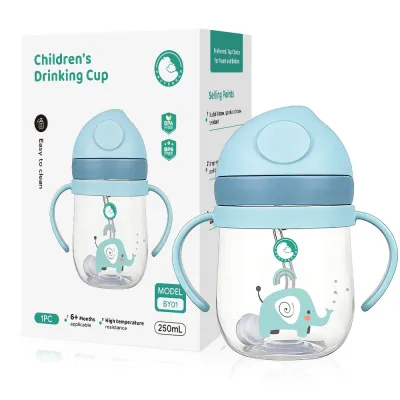
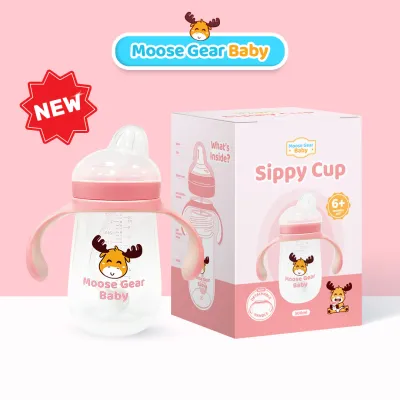
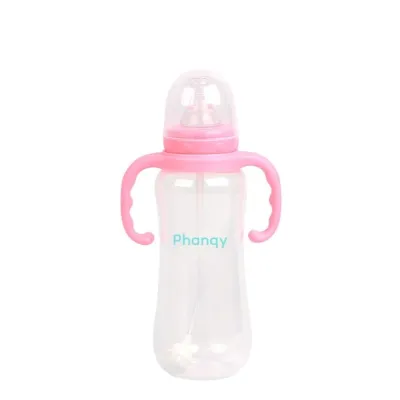
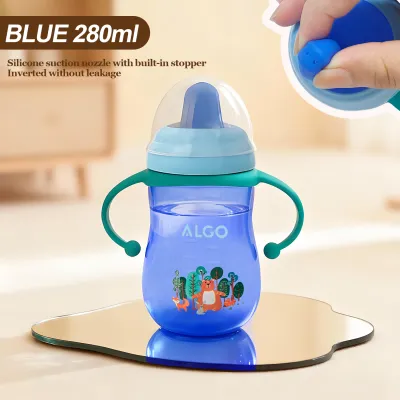
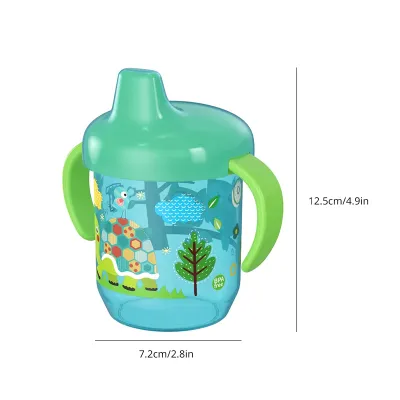
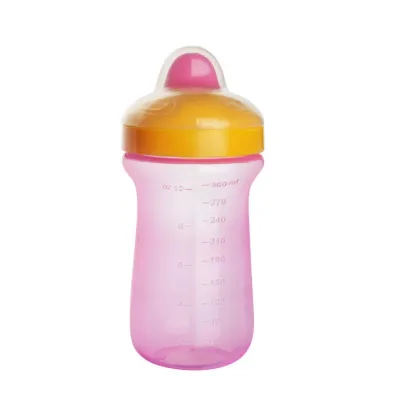
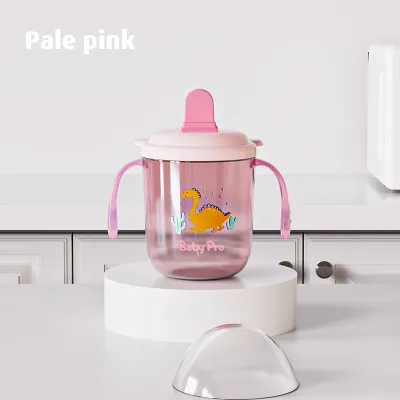
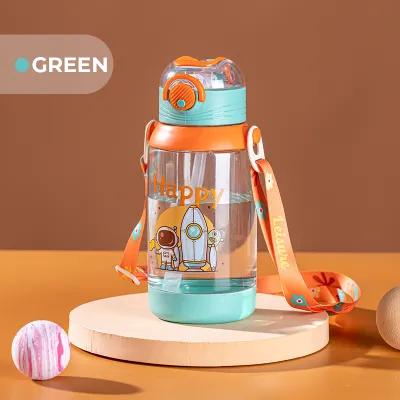
Prices are valid at publication and may change. Please refer to the product page for the latest price.
Behavioral cues are equally telling indicators of readiness. During family meals, observe whether your baby watches you drink with curiosity. They might reach out for your glass, mimic drinking motions with their mouth, or show excitement when they see cups on the dining table. This natural curiosity is an excellent motivator for learning a new skill. Capitalizing on this interest makes the transition from breast or bottle to a cup a more positive and engaging experience for your little one.
Essential Features to Evaluate Before Buying
When selecting an infant water bottle, safety and durability should be your top priorities. Always verify that the product is labeled as BPA-free, phthalate-free, and made from food-grade materials. High-quality plastics like polypropylene (PP) or polyphenylsulfone (PPSU) are lightweight and durable, while food-grade silicone is excellent for soft spouts and straws. For parents looking for long-term durability and temperature control, stainless steel is an excellent alternative, though it tends to be heavier for young infants to lift.

Spill-proof and leak-proof mechanisms are essential for minimizing mess during the learning phase. Look for bottles equipped with silicone valves that only release liquid when the baby applies pressure or sucks. Weighted straws are particularly useful for beginners, as they feature a small weight at the bottom of the straw that moves with the liquid, allowing the baby to drink from any angle, whether they are sitting upright or tilting the cup. These mechanisms prevent frustrating spills while helping your baby learn the relationship between tilting and drinking.
Ergonomics play a vital role in how easily your baby adapts to the new bottle. Lightweight designs with removable, easy-to-grip handles are ideal for small hands still developing fine motor skills. The handles should be textured or contoured to prevent slipping. Additionally, a wide, stable base prevents the bottle from tipping over easily when placed on a high chair tray or dining table. As your baby grows and their grip strengthens, a bottle with a contoured body can replace the handled design.
In a warm and humid climate like the Philippines, ease of cleaning is a critical safety feature. Mold and bacteria thrive in damp, dark spaces, making complex valve systems and narrow straws potential breeding grounds if not cleaned thoroughly. Choose a bottle that can be completely disassembled into individual components. Avoid designs with permanently attached parts or deep, unreachable crevices. Bottles with wide openings are much easier to scrub with a sponge or bottle brush, ensuring no residue is left behind.
Comparing Spout, Straw, and Open Cup Transitions
Understanding the differences between drinking mechanisms helps you choose a bottle that supports your baby’s oral motor development. Soft spout cups are often the first step for many families. The pliable silicone spout feels familiar to babies accustomed to the nipple of a breast or feeding bottle, making the initial transition less intimidating. These spouts are gentle on teething gums and require a similar sucking motion, which helps ease the baby into the concept of drinking from a separate vessel.
However, pediatric dentists often recommend transitioning quickly to straw cups or open cups to promote healthier oral muscle development. Drinking from a straw requires a different muscle pattern, encouraging the baby to seal their lips around the straw and use their tongue and cheeks to draw liquid upward. This action strengthens the muscles used for speech and helps prevent the tongue-thrusting habits sometimes associated with prolonged bottle or spout use. Straw cups also allow babies to drink without tilting their heads back, reducing the risk of choking.
Open cups and 360-degree rim cups represent the final stage of the transition, teaching babies mature swallowing patterns. A 360-degree cup features a spill-proof valve that releases liquid from any point along the rim when the baby presses their lips against it. This design mimics the action of drinking from an open cup while preventing major spills. Introducing an open cup, even with just a few drops of water under close supervision, helps your baby learn to control their lip placement and manage the flow of liquid, building essential coordination.
When planning your transition timeline, remember that every baby develops at their own pace. You might start with a soft spout or a weighted straw cup at six months, gradually introducing a 360-degree cup or a small open cup by twelve months. Watch for cues such as your baby biting the spout instead of sucking, or showing frustration with a slow flow, which often indicate they are ready to move to the next stage of cup drinking.
Safety, Hygiene, and Maintenance Guidelines
Maintaining a strict hygiene routine is vital to protect your baby’s developing immune system from foodborne illnesses. Daily cleaning should begin immediately after use. Rinse the bottle with warm water to remove any immediate residue, then wash all disassembled parts in warm, soapy water using a mild, baby-safe detergent. Use specialized, thin straw brushes to clean the inside of straws and small valve openings, as standard bottle brushes cannot reach these tight spaces where milk or juice film can accumulate.
Sterilization is an important extra step, especially during the first year of life. Before sterilizing, consult the manufacturer’s instructions to verify the temperature limits of each component. While silicone and stainless steel can withstand high temperatures, certain plastics may warp or degrade in steam sterilizers, UV sterilizers, or boiling water. Ensure all parts are completely dry before reassembling the bottle. Air-drying on a clean, elevated rack in a well-ventilated area is the best way to prevent mold growth in humid environments.
Regular visual inspections are necessary to ensure the bottle remains safe for use. Examine silicone spouts, straws, and valves for signs of wear, such as cracks, tears, or thinning material. Teething babies often bite down on these soft components, which can cause small pieces to tear off and pose a choking hazard. Check the plastic body for deep scratches or cloudiness, which can harbor bacteria even after thorough washing. If you notice any black spots that do not wash away, this is a sign of mold, and the affected part must be replaced immediately.
Establish clear replacement guidelines to maintain safety. As a general rule, silicone straws and spouts should be replaced every two to three months, or sooner if they show visible damage or persistent odors. If the bottle body becomes heavily scratched, cracked, or warped, replace the entire unit. Keeping a few spare valves and straws on hand ensures you can quickly swap out worn parts without interrupting your baby’s daily routine or compromising their health.
Frequently Asked Questions (FAQ)
How much water should a weaning baby drink daily?
During the early stages of weaning, between six and twelve months, water should not replace breastmilk or formula. Pediatricians generally recommend offering no more than 2 to 4 ounces (approximately 60 to 120 milliliters) of water per day. This small amount is intended for practicing cup-drinking skills and clearing the palate after meals, rather than primary hydration. To monitor if your baby is adequately hydrated, track their daily wet diapers and look for signs of active, alert behavior. If you have concerns about your baby’s fluid intake, consult your pediatrician for personalized guidance.
Can I put formula or breastmilk in an infant water bottle?
While it is physically possible to put milk in an infant water bottle, it is generally not recommended. Milk residues contain fats and proteins that cling to silicone valves, straws, and small crevices, making them significantly harder to clean than plain water. This residue can quickly spoil, leading to bacterial growth and persistent sour odors. Additionally, some spill-proof valves are designed specifically for the viscosity of water and may clog or restrict the flow of thicker liquids like formula. To maintain optimal hygiene, dedicate specific bottles or cups for milk feeds and keep your infant water bottle exclusively for water.

Community discussion
Share your experience or ask a question. Comments are reviewed before publication.