
Selecting a car seat is one of the most critical decisions you will make to protect your child during daily travel. To find the right GB car seat model, you must prioritize your child’s current weight and height over their age. While age brackets provide a helpful starting point, children grow at highly individual rates, and safety limits are strictly defined by physical dimensions. By matching your child’s precise measurements to the certified capacities detailed in the specific GB product manual, you ensure the harness and shell can perform as intended.
Every car seat model has strict physical boundaries designed to manage crash forces effectively. Relying solely on general age recommendations can lead to transitioning your child too early or keeping them in a seat they have already outgrown. To make an informed choice, you must verify the exact specifications of the model you are considering and cross-reference them with your child’s current growth stage.
Quick Diagnostic: Has Your Child Outgrown Their Current Seat?
Before purchasing a new GB car seat, you should evaluate whether your child has actually outgrown their current restraint system. The most reliable way to start this assessment is by locating the manufacturer’s label on the shell of your current seat. This label lists the maximum weight and height limits allowed for safe operation. If your child’s measurements are approaching or have exceeded either of these limits, it is time to look for a replacement.
Products mentioned in this guide
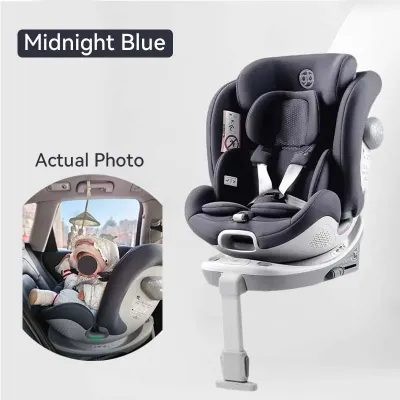
![[ONLINE EXCLUSIVE] Akeeva X GB Uni-All Carseat](https://img.lazcdn.com/g/p/f8669ebcd89a7b968955c88bcf320ef7.jpg_400x400q80.jpg_.webp)
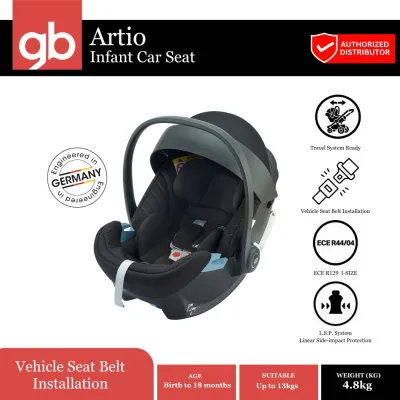
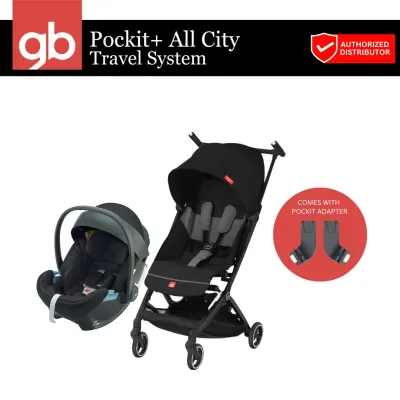
Prices are valid at publication and may change. Please refer to the product page for the latest price.
Physical indicators often reveal when a seat is no longer a proper fit. For rear-facing seats, observe the position of the top of your child’s head relative to the top of the seat shell; if there is less than an inch of space remaining, the seat is outgrown. For forward-facing seats, check where the harness straps exit the backrest. If the shoulder straps start below your child’s shoulders, the harness can no longer distribute forces correctly, indicating that a transition is necessary.
Your child’s daily comfort and developmental stage also play a significant role in determining when to upgrade. In the warm and humid climate of the Philippines, a child crammed into an undersized seat will experience poor air circulation, leading to excessive sweating, irritability, and restlessness during long road trips or congested city commutes. If your child constantly struggles against the sides of the seat or shows signs of physical restriction, their current setup may no longer match their daily travel needs.
Understanding Car Seat Stages and GB Categories
GB offers a range of car seat options designed to accommodate children from birth through their early school years. These products generally fall into three primary categories, each engineered to address specific developmental milestones and safety requirements. Understanding how these categories function allows you to map your child’s current size to the appropriate type of seat.

Infant Carriers Infant carriers are designed exclusively for rear-facing use and are suitable for newborns and small babies. These seats feature a deep, protective shell and supportive infant inserts to cradle a baby’s delicate head, neck, and spine. They are highly portable, often clicking into a compatible stroller base, which is convenient for running errands without waking a sleeping infant. However, because they are designed for early development, babies typically outgrow them faster than other seat types.
Convertible and Multi-Stage Seats Convertible or multi-stage seats offer a longer-term solution by transitioning from a rear-facing position to a forward-facing position as your child grows. Some multi-stage models can even convert into high-back booster seats later on. While these seats are heavier and remain semi-permanently installed in your vehicle, they provide excellent value and adapt to your child’s changing body over several years.
Booster Seats Booster seats are intended for older children who have outgrown the weight or height limits of their forward-facing harness. Instead of using an internal five-point harness, a booster seat raises the child so that the vehicle’s adult lap and shoulder belts fit securely across the strongest parts of their body—the pelvis and the collarbone. This prevents the seatbelt from resting dangerously against the child’s soft abdomen or neck.
Regardless of the category you choose, you must check the specific GB model’s instruction manual rather than relying on general industry guidelines. Different models within the same category can have varying weight and height thresholds, and verifying these details directly from the manufacturer’s documentation is the only way to ensure compliance.
How to Measure Your Child and Verify Seat Limits
To select the correct GB car seat, you must obtain accurate, up-to-date measurements of your child. Weigh your child while they are wearing light clothing, as heavy layers or bulky footwear can distort the reading. Measure their height by having them stand flat against a wall, measuring from the floor to the top of their head. Keep these numbers written down so you can compare them directly with product specifications.
Once you have these measurements, locate the official specification sticker on the GB car seat shell, its base, or the original packaging. This sticker, often displaying European safety standard markings such as ECE R44/04 or R129 (i-Size), contains the certified weight and height limits for that specific unit. If you are shopping online or do not have physical access to the seat, consult the digital user manual provided on the official manufacturer’s website.
It is crucial to understand the difference between the maximum harness weight limit and the maximum overall seat weight limit. In many multi-stage or convertible seats, the internal five-point harness is only rated to secure a child up to a specific weight, such as 18 kilograms. Once your child exceeds this harness limit, the seat must be reconfigured to use the vehicle’s seatbelt, even if the seat itself is rated to support a higher overall weight. Failing to make this adjustment can overload the harness system during an impact.
Vehicle Compatibility and Installation Safety Checks
A car seat can only protect your child if it can be installed securely in your specific vehicle. Before finalizing your purchase, identify whether your car supports ISOFIX anchor points or requires a traditional seatbelt installation. ISOFIX systems use built-in metal connectors to attach the seat directly to the vehicle’s chassis, reducing the risk of installation errors, while seatbelt installations require careful routing through designated paths.
You must consult both your vehicle’s owner manual and the GB car seat manual to identify approved seating positions. Some vehicles do not support car seat installation in the center rear seat, or they may have floor storage compartments that prevent the safe use of a car seat support leg. Ensuring that the physical dimensions of the GB seat fit within your vehicle’s cabin without pressing against the front seats is also essential, especially in compact cars.
After installing the seat, always perform two physical checks to verify a secure fit:
- The Inch Test: Grasp the car seat at the belt path where it connects to the vehicle. Pull the seat firmly from side to side and front to back. The seat should not move more than one inch (2.5 centimeters) in any direction. If it moves more than this, tighten the installation or try a different seating position.
- The Pinch Test: Once your child is buckled into the harness, try to pinch the harness webbing at their collarbone using your thumb and forefinger. If you can pinch any excess fabric between your fingers, the harness is too loose. Tighten the straps until your fingers slide smoothly over the webbing without being able to pinch it.
When to Transition to the Next Car Seat Stage
Knowing when to transition your child to the next stage is just as important as choosing the right seat initially. You should only move your child to a forward-facing seat or a booster when they have fully outgrown their current setup. Premature transitions reduce the level of protection provided during a collision.
The primary trigger for a transition is when your child reaches the maximum weight or height limit explicitly specified by the manufacturer for their current mode of use. Do not rush this process; if your child is still within the rear-facing limits of their convertible seat, keeping them rear-facing is highly recommended as it provides superior support for their head, neck, and spine.
For forward-facing seats, watch the relationship between your child’s shoulders and the harness slots. If their shoulders rise above the highest harness slots, the seat can no longer hold them securely, and they must transition to a booster seat. Additionally, if the top of your child’s ears become level with or rise above the top of the hard seat shell, their head is no longer adequately protected, indicating that the seat has been outgrown.
Frequently Asked Questions (FAQ)
Can I use a second-hand GB car seat for my child?
Using a second-hand car seat carries significant safety risks and is generally not recommended unless you can verify its complete history. A used seat may have been involved in a collision, which can cause invisible structural damage to the plastic shell that compromises its safety in a future accident. Additionally, older seats may have expired materials, missing parts, or lack the original instruction manual.
If you must use a pre-owned GB car seat, locate the manufacturing date and expiration label, which is typically stamped into the plastic shell or printed on a white sticker. Most manufacturers recommend replacing seats after six to ten years due to the degradation of plastic over time, especially when exposed to high cabin temperatures. You must also verify that all original components, including infant inserts, harness pads, and the official manual, are present and undamaged.
How long should my child remain rear-facing in a GB convertible seat?
Your child should remain rear-facing for as long as possible, up to the maximum weight or height limit allowed by your specific GB convertible seat. Rear-facing travel provides critical support for a young child’s heavy head and fragile neck by distributing crash forces across the entire back of the seat shell, significantly reducing the risk of severe injury.
To determine the exact limit, check the rear-facing specifications in your GB model’s user manual. You should only transition your child to a forward-facing position when they physically exceed these rear-facing limits, rather than transitioning them simply because they have reached a certain age or because their legs touch the vehicle’s seatback.

Community discussion
Share your experience or ask a question. Comments are reviewed before publication.