
Quick Guide: Matching Car Seat Types to Your Child's Stage
Determining the correct baby car seat requires looking beyond age alone. While age provides a general timeline, your child’s physical measurements—specifically their weight and height—are the only reliable metrics for selecting a safe car seat. Every child grows at a unique pace, meaning a peer of the same age might require an entirely different seat category to remain secure during travel.
The standard progression of car seat safety moves through three main stages: a rear-facing infant seat, a convertible seat (which transitions from rear-facing to forward-facing), and finally, a belt-positioning booster seat. To ensure your child is in the correct stage, you must always check the specific manufacturer’s label and instruction manual for exact weight and height limits, as these boundaries vary significantly by brand and model. This guide will help you evaluate your child’s current development stage, recognize the physical signs that indicate it is time to transition, and verify the safety features necessary for your vehicle.
Understanding the Main Baby Car Seat Categories
Selecting a baby car seat requires understanding how each category is designed to manage crash forces and protect a developing body. Car seats are engineered for specific developmental milestones, and understanding these designs ensures you do not transition your child to the next stage prematurely. Never infer suitability from a product name alone; always verify the exact weight and size ranges from the specific product documentation.
Products mentioned in this guide
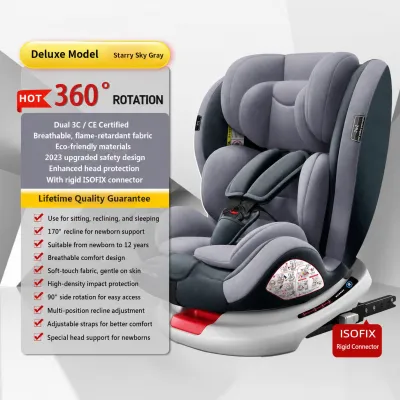
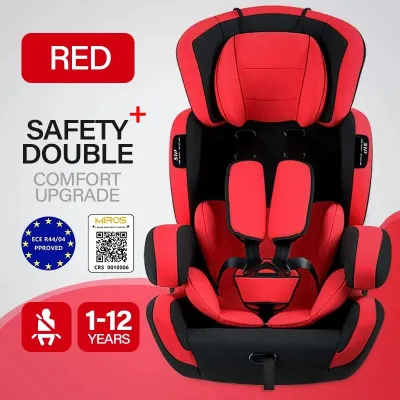
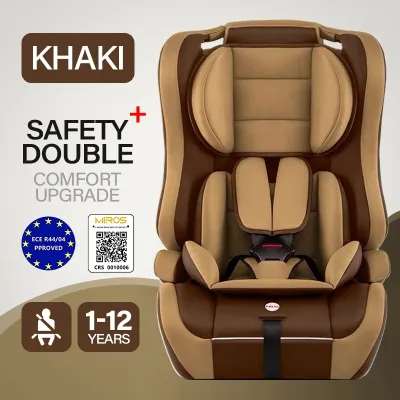
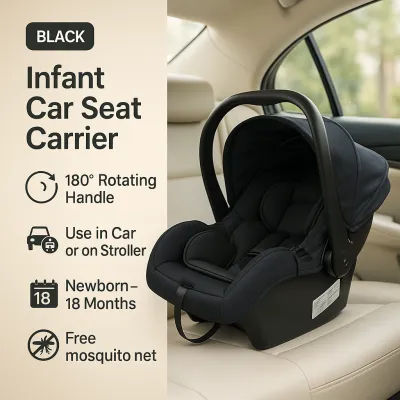

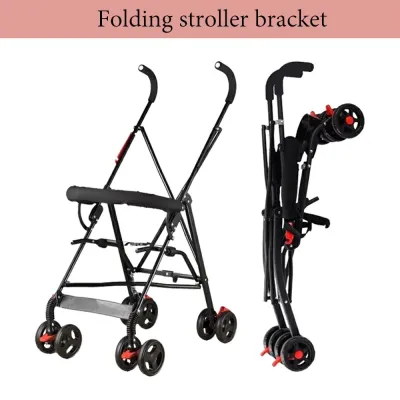
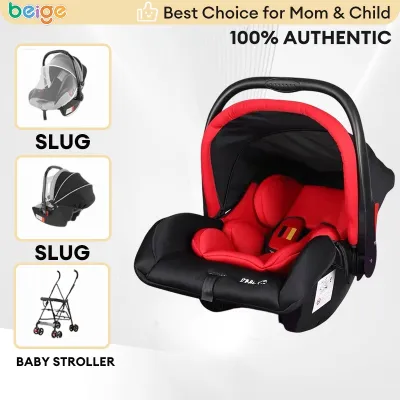
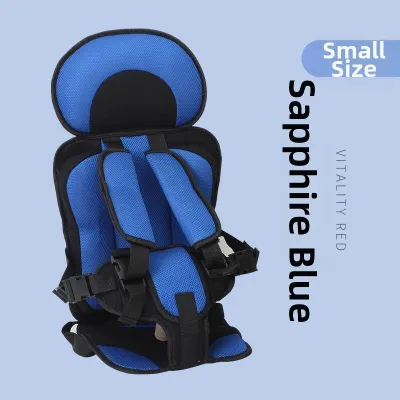
Prices are valid at publication and may change. Please refer to the product page for the latest price.

Infant Car Seats (Rear-Facing Only)
Infant car seats are designed exclusively for newborns and small babies, always positioned to face the rear of the vehicle. This rear-facing orientation is critical because it supports the baby’s head, neck, and spine, distributing the force of a collision across the entire shell of the seat rather than concentrating it on their fragile body. These seats typically feature a convenient carrying handle and a detachable base that remains semi-permanently installed in your vehicle, allowing you to click the seat in and out without disturbing a sleeping infant.
When using an infant seat, you must verify the maximum weight and height limits printed on the product’s physical label or detailed in the instruction manual. A common point of confusion is how a child outgrows this seat. While parents often watch the weight limit closely, babies frequently outgrow infant car seats by height first. This occurs when the top of the child’s head is less than one inch (or the distance specified by the manufacturer) from the very top of the plastic seat shell, regardless of whether they have reached the maximum weight capacity. Always consult your specific model’s documentation to confirm these exact dimensions.
Convertible Car Seats (Rear-Facing to Forward-Facing)
Convertible car seats are versatile options designed to grow with your child from infancy through the toddler years and beyond. They function in two modes: first as a rear-facing seat, and later, once the child outgrows the rear-facing limits, they convert into a forward-facing seat with a harness. Because they are built to accommodate larger children, convertible seats are heavier, bulkier, and generally remain installed in the vehicle rather than being carried around like infant carriers.
The primary safety principle for convertible seats is to keep your child rear-facing for as long as possible, up to the maximum height or weight limit allowed by the seat’s manufacturer. Rear-facing provides superior protection for a toddler’s developing neck and spine. To manage this transition correctly, you must locate the distinct rear-facing and forward-facing limits. These are typically displayed on color-coded physical stickers on the side of the seat shell and detailed in the instruction manual. Never guess these limits; always verify them directly from the manufacturer’s documentation to ensure compliance.
Booster Seats (High-Back and Backless)
Booster seats represent the final stage of specialized child passenger safety before your child is large enough to use the vehicle’s standard adult seat belt alone. Unlike infant and convertible seats, a booster seat does not use an internal harness to secure the child. Instead, it positions the child so that the vehicle’s lap and shoulder belts fit correctly across the strongest parts of their skeletal structure.
Boosters are available in two primary styles: high-back and backless. High-back boosters are highly recommended for younger or smaller children transitioning from a harness, as they provide essential head, neck, and side-impact support, and often feature guides that keep the shoulder belt properly positioned. Backless boosters are more compact and portable, making them suitable for older, taller children who already have adequate head and neck support from the vehicle’s seat back. To transition to any booster, the child must meet the manufacturer’s minimum weight requirements and possess the developmental maturity to sit properly for the entire ride without slouching, leaning over, or pulling the shoulder belt out of place.
Signs Your Child Has Outgrown Their Current Car Seat
Knowing precisely when to transition your child to the next stage is vital for maintaining continuous protection. Upgrading too early can expose a child to forces their body is not yet ready to handle, while waiting too long means the seat may fail to perform as designed during an impact.
For a rear-facing seat, the most reliable indicator that it has been outgrown is physical clearance. Check the manufacturer’s manual to determine the required distance between the top of your child’s head and the top edge of the seat shell; for many models, this is one inch. If your child’s head reaches or exceeds this clearance limit, or if their weight or height surpasses the maximum rear-facing thresholds printed on the product sticker, they must transition to a larger rear-facing seat or a forward-facing convertible seat.
For a forward-facing seat with a harness, several physical signs indicate it is time to move to a booster. First, check the position of the shoulder harness straps; if the child’s shoulders are positioned above the highest available harness slots, the seat is outgrown (always verify the specific slot rules in your manual, as some seats require straps to be at or above the shoulders for forward-facing). Second, if the tops of your child’s ears align with or exceed the top of the car seat shell, or if they exceed the maximum forward-facing weight or height limits specified by the manufacturer, the harness is no longer safe to use.
The transition from a booster seat to the vehicle’s adult seat belt requires meeting the “five-step test,” which ensures the belt fits safely without a booster. Your child must be tall enough to sit all the way back against the vehicle seat with their knees bending comfortably over the edge of the cushion. The lap belt must rest low and flat across their upper thighs or hips, not on their soft abdomen. The shoulder belt must cross the center of their chest and shoulder, never resting on their neck or face. Finally, the child must be mature enough to maintain this safe sitting position for the duration of every journey.
Essential Safety and Fit Features to Verify
Before purchasing a baby car seat, you must verify several physical features and compatibility factors to ensure it can be installed securely and used correctly in your specific vehicle.
First, inspect the harness system. A 5-point harness—which secures the child at the shoulders, hips, and crotch—is standard for infant and convertible seats. Look for models that feature an easily adjustable harness, such as a “no-rethread” system that allows you to adjust the shoulder strap height and headrest simultaneously as your child grows, without having to manually unthread the straps from the back of the seat.
Second, verify installation compatibility with your vehicle. Car seats are typically installed using either the vehicle’s seat belt or a dedicated anchor system, such as ISOFIX (commonly found in modern vehicles in the Philippines) or LATCH. Before buying, check your vehicle owner’s manual to locate the physical anchor points and confirm whether the car seat you select is compatible with your car’s specific layout.
Third, always check the manufacturing date and expiration date of the car seat. This information is typically found on a white sticker affixed to the bottom or back of the seat shell. Plastic degrades over time, especially when exposed to temperature fluctuations, and safety standards evolve. For this reason, avoid using second-hand car seats with unknown crash histories, missing labels, or expired lifespans. If a seat has been involved in a moderate-to-severe crash, it must be replaced immediately.
Fourth, consider the local climate. In tropical regions like the Philippines, high temperatures and humidity are constant factors. When selecting a car seat, look for breathable, moisture-wicking fabrics that help keep your child cool and prevent overheating during long rides. Additionally, avoid storing unused car seats in areas prone to extreme heat, such as unventilated garages or directly under the sun inside a closed vehicle, as sustained thermal stress can accelerate the degradation of the plastic shell and safety harness fibers. Always refer to the manufacturer’s care and storage instructions to preserve the integrity of the materials.
Common Car Seat Selection and Usage Mistakes
Even the highest-rated baby car seat cannot provide optimal protection if it is selected or installed incorrectly. Avoiding common pitfalls is a simple way to significantly improve your child’s safety on the road.
One of the most frequent mistakes is turning a child to face forward too early. Many parents transition their child to forward-facing as soon as they reach their first birthday or when their legs begin to touch the vehicle seat back. However, safety guidelines emphasize keeping children rear-facing for as long as possible, up to the maximum limits allowed by the car seat manufacturer, as this position protects their delicate neck and spinal cord.
Another critical error is purchasing a car seat that is too large with the intention of giving the child “room to grow.” While this approach works for clothing, a car seat must fit your child’s current weight, height, and developmental stage perfectly. Placing an infant in a booster seat or a loose, oversized convertible seat compromises the harness’s ability to hold them securely during an impact, increasing the risk of injury.
Additionally, many parents overlook the instruction manuals. Safe installation requires reading both the car seat manual and your vehicle’s owner’s manual. These documents outline crucial details, such as the correct angle of recline for rear-facing infants, the exact routing of seat belts or ISOFIX straps, and weight limits for lower anchors.
Finally, avoid using aftermarket accessories that did not come in the original packaging with your car seat. Items like thick head-support pillows, custom strap covers, or unapproved seat liners can interfere with the harness’s fit and tension. Because these accessories are not crash-tested with the specific seat, using them can compromise safety and may void the manufacturer’s warranty. If your child needs extra support or comfort, only use inserts and accessories that have been approved or provided directly by the car seat manufacturer.
Frequently Asked Questions (FAQ)
Can I use an all-in-one car seat from birth?
Yes, many all-in-one car seats are designed to accommodate children from birth through the booster stage. However, you must verify the manufacturer’s minimum weight and height requirements before use, as some models may not fit a very small newborn securely. Check that the harness straps can be adjusted low enough to sit at or below your newborn’s shoulders, and stop use or seek professional advice if you cannot achieve a snug, secure fit.
Is it safe to use a second-hand baby car seat?
Using a second-hand car seat is generally only safe if you know its entire history. You must verify that the seat has never been in a crash, is not expired, has all original parts and labels intact, and has not been subject to any safety recalls. If you cannot verify these details with absolute certainty, it is safer to purchase a new seat.
What if my child's legs touch the vehicle seat while rear-facing?
It is entirely safe and normal for a child’s legs to bend, cross, or rest against the vehicle seat back while rear-facing. Children are highly flexible, and this position does not cause discomfort or pose a safety risk. Leg contact is not a valid reason to turn the car seat forward-facing prematurely; always prioritize the seat’s height and weight limits.
Community discussion
Share your experience or ask a question. Comments are reviewed before publication.