
Selecting a dinosaur toothbrush is an excellent way to make oral hygiene exciting for your child, but the playful design must be backed by age-appropriate functional features. A brush that works for a preschooler can be unsafe or ineffective for a teething infant. To choose the right model, you must match the physical specifications of the brush—such as bristle softness, head size, and handle design—to your child’s specific developmental stage rather than choosing based on the character design alone.
Introducing a themed toothbrush can transform a daily struggle into a cooperative routine. Children are naturally drawn to bright colors and familiar characters, which helps reduce dental anxiety and builds positive associations with oral care. However, because a child’s mouth, teeth, and motor skills change rapidly during their first five years, the structural design of the toothbrush must evolve alongside them. Caregivers should prioritize safety and anatomical fit over visual appeal to ensure the tool effectively removes plaque without causing discomfort or injury.
Key Features to Evaluate Before Buying
When browsing online marketplaces or local baby stores, caregivers must look past the cute dinosaur illustrations and carefully evaluate the physical dimensions of the toothbrush. The packaging labels and structural design provide critical clues about whether a brush is safe and effective for a child’s current developmental stage.
Products mentioned in this guide
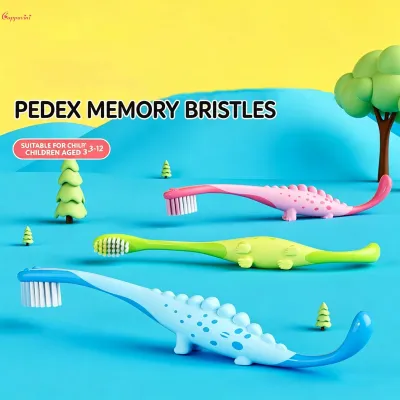
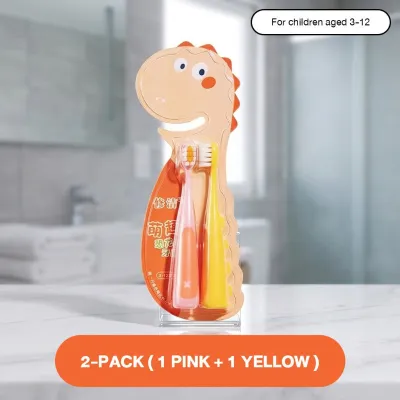
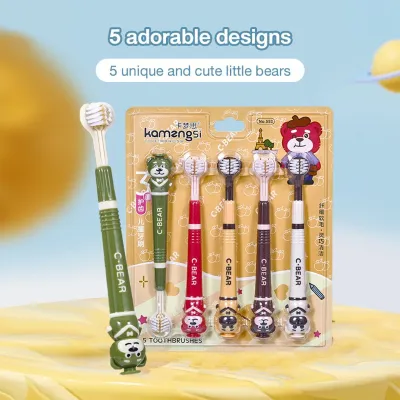
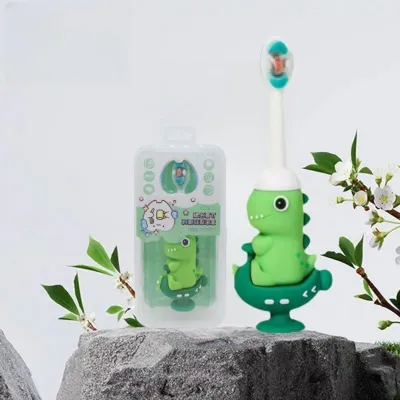
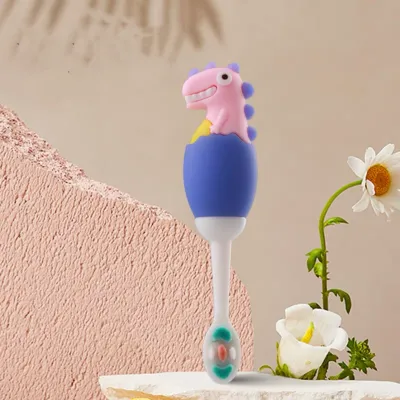
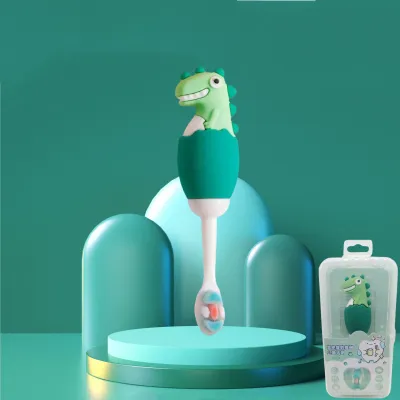
Prices are valid at publication and may change. Please refer to the product page for the latest price.
Bristle softness is the most critical factor for protecting young mouths. Always look for packaging explicitly labeled “extra-soft” or “soft.” Children’s tooth enamel is much thinner and more delicate than adult enamel, and their gums are highly sensitive, especially during teething phases. Stiff bristles can wear down this thin enamel over time and cause micro-scratches on the gums, leading to pain and a reluctance to brush. If a package does not clearly state the bristle stiffness, it is best to choose a different product that does.
Head size and shape require a careful visual check before purchase. The brush head must fit comfortably inside your child’s mouth without forcing them to stretch their jaw wider than is natural. A head that is too large can easily trigger a gag reflex, creating a negative association with brushing that can last for years. Ideally, the brush head should only cover one to two small teeth at a time, allowing for precise cleaning along the gumline and in the tight spaces at the back of the mouth.
Handle design must match your child’s current fine motor skills. Young children do not possess the finger dexterity required for a mature pencil grip; instead, they rely on a palmar grasp, using their entire fist to hold objects. A good children’s toothbrush should feature a thick, chunky handle with textured rubber grips to prevent slipping when wet. As children grow and their coordination improves, the handle should gradually transition to a slimmer, slightly longer shape that allows them to practice more refined brushing movements.
Infant Stage (0–12 Months): Focus on Gum Massage and First Teeth
During the first year of life, oral care focuses primarily on maintaining clean gums and caring for the very first primary teeth as they emerge. At this stage, standard nylon-bristled toothbrushes are generally too abrasive for a baby’s highly sensitive oral tissues. Instead, caregivers should look for specialized training tools designed specifically for infants.

Silicone finger brushes are highly effective tools for this early stage. These brushes fit over a caregiver’s index finger and feature soft, flexible silicone bumps on one side. Some models incorporate subtle dinosaur motifs, such as a textured dinosaur tail on the base or a small dinosaur shape molded into the silicone. These tools allow you to gently massage your baby’s gums, which can provide relief during painful teething periods, while also wiping away food residue and bacteria from the tongue and gums.
When selecting these infant tools, material safety is paramount. Always verify that the product is made from food-grade silicone and is certified BPA-free on the packaging. Because infants naturally explore objects with their mouths, any material used must be completely non-toxic and durable enough to withstand gentle biting without tearing. Avoid any products with small, glued-on decorative elements that could detach and pose a choking hazard.
At this stage, caregivers must perform all the cleaning, as infants lack the coordination to use these tools themselves. The dinosaur theme serves primarily as a visual distraction. Holding a colorful dinosaur-themed training brush in front of your baby or letting them look at the playful shape can keep them engaged and calm while you gently clean their mouth. This builds a foundation of trust and familiarity with oral hygiene tools from a very young age.
Toddler Stage (1–3 Years): Building Grip and Brushing Habits
As children enter the toddler years, they begin to develop a strong desire for independence, often wanting to hold the toothbrush themselves. This stage is characterized by the rapid eruption of primary teeth, including the first molars, which requires a transition to a more structured toothbrush while maintaining strict safety measures.
Toddler toothbrushes must feature chunky, non-slip handles that accommodate a natural fist grip. Manufacturers often design these handles to look like a dinosaur’s body, neck, or tail. These raised, textured details are not just decorative; they provide essential friction for small, wet hands, helping the toddler maintain control of the brush. A secure grip prevents the brush from slipping out of their hand and accidentally striking the sensitive tissues inside their mouth.
Safety shields, or choke guards, are highly recommended features for toddler toothbrushes. These are wide, circular collars that attach to the neck of the brush, or handles designed with a very wide, flared shape. They act as a physical barrier, preventing the toddler from pushing the brush too far back into their throat if they lose balance or overreach. When purchasing a dinosaur toothbrush for a toddler, check the packaging to ensure it includes a built-in safety shield or a wide-handle design that serves the same protective purpose.
During this stage, the brush head should transition to extra-soft nylon bristles to effectively clean the newly erupted teeth. The head must remain extremely small and rounded to navigate the tight curves of a toddler’s jaw. While you should encourage your toddler to practice holding and moving the brush, caregivers must still perform the actual, thorough cleaning. A common technique is to let the toddler “brush” first to build confidence, followed by the caregiver completing the process to ensure all plaque is removed.
Preschool Stage (3–5 Years): Refining Technique and Independence
By the preschool years, children have developed better hand-eye coordination and can begin learning more refined brushing techniques. Their primary teeth are fully erupted, including the back molars, which are highly susceptible to cavities due to their deep grooves and hard-to-reach location.
Preschool toothbrushes feature handles that are slightly longer and slimmer than toddler models, reflecting the child’s transition from a fist grip to a modified pencil grip. However, the handle should still incorporate textured rubber elements—often styled as dinosaur scales or footprints—to ensure a secure hold. This design allows the child to rotate the brush more easily, helping them reach different angles of their teeth with greater control.
Head coverage remains a critical consideration. Even though a preschooler’s mouth is larger than a toddler’s, the brush head must still be small enough to clean only one or two teeth at a time. A small head is especially important for reaching the very back of the mouth, where the cheek muscles can press tightly against the molars. If the brush head is too bulky, it will be difficult to position it correctly over the chewing surfaces of the back teeth, leaving them vulnerable to plaque buildup.
Interactive features can be highly effective in encouraging preschoolers to brush for the recommended duration. Many dinosaur toothbrushes for this age group include built-in features like suction cup bases shaped like dinosaur feet, which allow the brush to stand upright on the sink. Others feature color-changing bristles that fade over time to indicate when it is time for a replacement, or simple built-in sand timers. When using these features, always refer to the manufacturer’s instructions to ensure they are used safely and correctly to support your child’s growing independence.
Safety Checks, Cleaning, and Replacement Rules
No matter how much your child loves their dinosaur toothbrush, maintaining strict hygiene and safety protocols is essential to protect their oral health. Regular inspections and proper care prevent the accumulation of bacteria and ensure the tool remains safe to use.
Caregivers should perform a visual inspection of the toothbrush at least once a week. Look closely for splayed, bent, or missing bristles, as worn bristles lose their effectiveness and can scrape the gums. Additionally, inspect the handle and any decorative dinosaur elements for signs of wear, discoloration, or cracking. If the toothbrush has glued-on parts or soft rubber details that are beginning to peel, discard the brush immediately to prevent a potential choking hazard.
Proper cleaning and storage are especially important in warm, humid tropical climates, such as in the Philippines, where moisture can trap bacteria and encourage mold growth. After every use, rinse the toothbrush thoroughly under running water to remove all remaining toothpaste and food debris. Store the toothbrush upright in an open holder or cup, ensuring the brush head does not touch other toothbrushes. Avoid using closed plastic caps or travel cases for daily storage, as these trap moisture and create an ideal environment for bacterial growth.
As a general rule, replace your child’s toothbrush every three months, or sooner if the bristles show visible signs of wear. It is also crucial to replace the toothbrush immediately after your child recovers from an infectious illness, such as a cold, flu, or throat infection. This simple step helps prevent the reintroduction of harmful bacteria or viruses into their mouth, keeping their developing immune system safe.
Frequently Asked Questions (FAQ)
Are electric dinosaur toothbrushes safe for young children?
Electric dinosaur toothbrushes can be safe and highly effective, provided you follow the manufacturer’s age and developmental guidelines printed on the packaging. Many electric models are designed specifically for children aged three and older, featuring smaller brush heads and gentler, low-amplitude vibrations that protect sensitive primary teeth and gums. Before purchasing, verify that the model has a child-safe battery compartment and soft bristles. Regardless of how engaging the dinosaur design or the automated movement is, adult supervision remains mandatory to ensure the child does not bite the moving head and that all tooth surfaces are cleaned thoroughly.
How do I transition my child from a finger brush to a standard dinosaur toothbrush?
To transition your child smoothly, start by introducing the standard handled dinosaur toothbrush alongside the finger brush during their normal routine. You can let your child hold and explore the new handled brush, using its playful dinosaur shape to spark curiosity, while you perform the actual cleaning with the familiar silicone finger brush. Once they are comfortable, transition to a hand-over-hand technique: place your hand over theirs on the chunky dinosaur handle, gently guiding the brush in small, circular motions to build muscle memory. Watch for signs of readiness, such as your child successfully mimicking the brushing motion and showing the coordination to hold the brush securely without dropping it.

Community discussion
Share your experience or ask a question. Comments are reviewed before publication.