
Selecting the right oral care products for your child is a fundamental step in establishing lifelong dental health. When browsing the aisles of local supermarkets or online marketplaces in the Philippines, the sheer variety of options under the Colgate brand can feel overwhelming. Many parents wonder if they can simply buy any tube labeled for children, or if the age brackets printed on the packaging truly matter. The age guidelines on every tube of colgate kids toothpaste are critical indicators of the product’s formulation, safety level, and suitability for your child’s developmental stage.
Choosing the correct variant requires looking beyond eye-catching cartoon characters and sweet flavors. It involves matching the toothpaste’s active ingredients, particularly its fluoride concentration, to your child’s physical capabilities, such as their ability to reliably spit out the paste after brushing. In a tropical country like the Philippines, where sweet local snacks, fruits, and sugary treats are common parts of a child’s diet, robust cavity protection must be balanced carefully against the risk of accidental ingestion. By understanding how your child’s teeth develop and how different Colgate formulations cater to those milestones, you can make an informed purchase that protects their smile safely and effectively.
Why Age and Dental Development Dictate Toothpaste Choice
Children’s mouths undergo rapid physical and behavioral changes during their first decade of life, meaning their oral care needs are constantly shifting. In the earliest stages, infants and toddlers do not possess the motor skills or the cognitive development required to control their swallowing reflex. When toothpaste is introduced to their mouths, their natural instinct is to swallow it rather than spit it out. Because of this behavioral milestone, the active ingredients in toothpastes designed for toddlers must be fundamentally different from those formulated for older children who can spit reliably.
Products mentioned in this guide
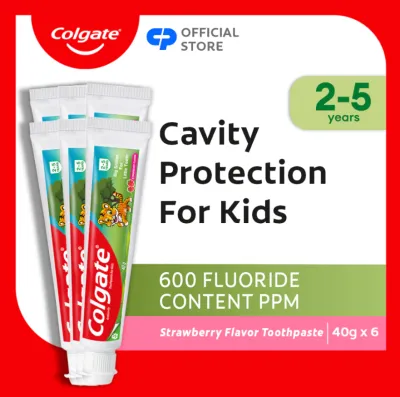
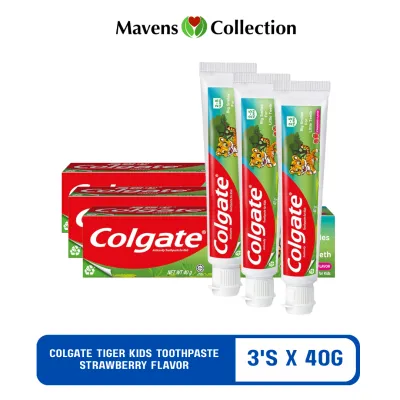
![[BUY 2 FREE 1] Colgate Batman Anticavity Toothpaste for Kids Bubble Fruit 40g Pack of 3](https://img.lazcdn.com/g/p/d8ed7fd7ede98dc6c1b123aa705dbc68.png_400x400q80.png_.webp)
![[BUY 2 FREE 1] Colgate Kids Barbie Toothpaste - Strawberry Kids Ages 2-5 Anticavity Value Pack Pack of 3 40g](https://img.lazcdn.com/g/p/230310ea633993b10057650644d71016.png_400x400q80.png_.webp)

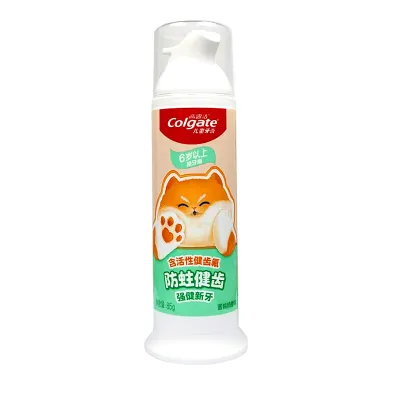
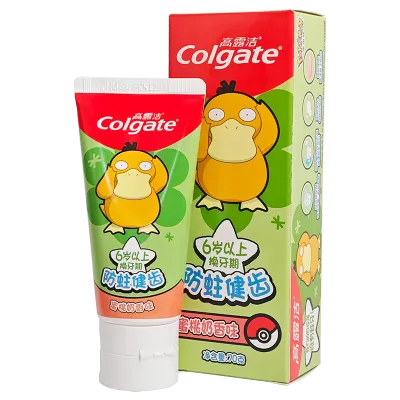
Prices are valid at publication and may change. Please refer to the product page for the latest price.
The structure of a child’s teeth also changes dramatically over time. Primary teeth, commonly known as baby teeth, have significantly thinner and softer enamel layers compared to permanent adult teeth. This structural difference makes baby teeth highly susceptible to rapid decay once they emerge. However, because very young children cannot spit, dental care providers and manufacturers must balance the urgent need for cavity prevention with the safety risks associated with swallowing active ingredients like fluoride. As a result, toothpaste formulations must transition in lockstep with your child’s physical development.
Once a child reaches preschool age, around two to five years old, they begin to develop the coordination needed to spit out excess toothpaste, though they still occasionally swallow small amounts. During this transitional phase, the teeth require mild cavity protection to defend against early childhood caries, but the formulation must remain gentle enough to account for these minor ingestions. This is why transitional toothpastes are carefully balanced, offering a middle ground that supports developing motor skills without exposing the child’s system to excessive active ingredients.
By the time a child reaches school age, around six years old, their permanent teeth begin to erupt, starting with the first permanent molars. These new teeth require robust mineral support to harden their enamel fully and resist decay, especially as the child’s diet expands to include a wider variety of solid foods and starches. At this stage, children can typically spit reliably, allowing for the safe use of standard cavity-protection fluoride levels. Additionally, children’s sensory preferences mature; while toddlers need ultra-mild flavors to prevent sensory overload, older kids can gradually transition to mild minty flavors that leave their breath feeling fresh and clean.
What to Check on the Label: Fluoride, Age Guidelines, and Safety
When standing in the personal care aisle, parents should treat the toothpaste packaging as a critical source of health information rather than just a marketing canvas. The first and most obvious element to locate is the manufacturer’s stated age recommendation, which Colgate typically prints clearly on both the front and back of the box and tube. These age brackets—such as 0–2 years, 2–5 years, or 6+ years—are not arbitrary suggestions; they are carefully calculated categories designed to align with the developmental milestones of the child. Always verify this age guideline before looking at any other features of the tube.

Next, turn the packaging over to inspect the active ingredients list and verify the fluoride concentration. Fluoride is a highly effective mineral for preventing cavities, but its concentration must be carefully matched to your child’s developmental stage. Depending on the specific variant and regional formulation, you may find options labeled as fluoride-free, low-fluoride, or standard cavity protection. Parents must check the specific product packaging to confirm the exact fluoride levels, as formulations can vary, and ensure that the selected concentration matches their child’s current ability to spit out the paste.
While active ingredients are the most critical safety factor, the visual design and flavor of the toothpaste play a massive role in daily cooperation. Colgate frequently partners with popular animated franchises to feature beloved characters on their tubes, alongside appealing flavors like strawberry, bubblegum, or mild fruit. These features are highly effective tools for reducing brushing resistance and turning a potentially stressful chore into an enjoyable routine. However, parents must remember that these fun designs are secondary to the age-appropriateness of the formulation; a cartoon character should never convince you to buy a variant that does not match your child’s developmental age.
Finally, carefully read the safety warnings and usage instructions printed on the back of the tube. Standard pediatric toothpaste packaging contains explicit warnings regarding accidental ingestion, emphasizing that the product should be kept out of reach of young children to prevent unsupervised consumption. The label will also instruct parents to use only a specified, minimal amount of toothpaste and to contact a healthcare professional or a poison control center if a large quantity is accidentally swallowed. Familiarizing yourself with these warnings before purchase ensures you can establish a safe brushing environment at home.
Colgate Kids Toothpaste Lines by Age Group
To simplify the selection process, Colgate organizes its kids’ oral care portfolio into distinct product lines tailored to specific age ranges. Each line is formulated to address the unique dental challenges and physical capabilities of children within that developmental bracket. Understanding the differences between these lines allows you to choose the exact tube that supports your child’s current stage of growth.
Ages 0–2: Training Toothpastes for Toddlers
For infants and toddlers who are just beginning their oral hygiene journey, Colgate offers specialized training toothpastes. This stage focuses on introducing the physical sensation of brushing and gently cleaning the very first baby teeth as they erupt through the gums. Because children in this age bracket have not yet developed the coordination to spit, training toothpastes are formulated to be safe if swallowed in small, normal brushing amounts.
These training variants are typically fluoride-free and do not contain artificial colors, preservatives, or high-foaming agents like sodium lauryl sulfate (SLS), which can sometimes irritate delicate oral tissues. Instead of relying on strong active ingredients, these gentle gels focus on mechanically wiping away milk residue, food particles, and early plaque buildup when paired with a soft-bristled baby toothbrush or a clean finger brush. The flavors are exceptionally mild, often featuring subtle fruit tastes that do not overwhelm a baby’s highly sensitive palate.
Before purchasing a training toothpaste, parents should carefully inspect the label to verify the “fluoride-free” and “safe to swallow” claims. This ensures that even if your toddler swallows the entire tiny portion applied to their brush, it will not cause stomach discomfort or contribute to dental fluorosis. Introducing this mild, safe gel early helps establish a positive association with brushing, laying a stress-free foundation for the transitions to come as they grow older.
Ages 2–5: Gentle Cleaning for Preschoolers Learning to Spit
As children transition into the preschool years, their dietary habits often expand to include a wider variety of foods, increasing the risk of early cavities. At the same time, they are actively developing the motor skills required to spit out toothpaste after brushing, though they may still swallow some occasionally. Colgate’s product line for ages 2 to 5 is specifically engineered to navigate this transitional phase by offering gentle cavity protection with safety-conscious formulations.
These variants typically feature a low-fluoride concentration or a mild formulation tailored specifically for younger children who are still mastering the “spit, don’t swallow” technique. The presence of a controlled amount of fluoride helps strengthen the thin enamel of baby teeth against acid attacks from food and drinks, while remaining mild enough to minimize risks if a small amount is accidentally swallowed. Parents must verify the specific age guidelines and fluoride content on the packaging to ensure the product matches their child’s current spitting reliability.
To encourage daily cooperation, Colgate’s 2–5 years range heavily features vibrant packaging adorned with popular cartoon characters and appealing flavors like bubblegum or mild strawberry. These elements are highly effective at reducing brushing tantrums, which are common among preschoolers striving for independence. By making the tube visually exciting and the taste pleasant, this line helps parents build a consistent twice-daily brushing habit without the daily power struggles.
Ages 6 and Up: Cavity Protection for School-Age Kids
By the time children reach school age, around six years old, their oral care needs shift dramatically. This period is marked by the mixed-dentition stage, where baby teeth begin to fall out and permanent teeth start to erupt. Because permanent teeth must last a lifetime, protecting their newly emerged, vulnerable enamel from decay is of paramount importance, especially as children gain more independence over their diet and snack choices.
Colgate’s toothpaste line for ages 6 and up shifts toward robust cavity protection, often featuring fluoride concentrations that match standard family toothpastes. These variants are strictly intended for children who have fully mastered the ability to spit out toothpaste reliably and no longer swallow it during brushing. The increased fluoride level provides the necessary mineral support to strengthen new permanent teeth and defend against the aggressive acid produced by dietary sugars.
When selecting a product from this category, parents should check the packaging to ensure it is explicitly marked for ages 6 and up. While these toothpastes still feature engaging designs and pleasant flavors—often transitioning from sweet fruits to mild, kid-friendly mints—they require continued parental supervision. Even though older children have the motor skills to brush independently, adults should monitor them to ensure they use the correct technique, brush for the full two minutes, and do not swallow the product.
How Much to Use and How to Supervise Brushing Safely
Choosing the correct Colgate kids toothpaste variant is only half the battle; applying it safely and in the correct quantities is equally vital for your child’s dental health. Pediatric dental guidelines outline precise portion sizes based on age to maximize the benefits of fluoride while minimizing the risks of over-ingestion. For children under the age of three, parents should use a tiny smear of toothpaste, roughly the size of a single grain of dry rice. For children aged three to six, the portion should be increased to a small, pea-sized amount. Parents must always cross-reference these general recommendations with the specific directions and illustrations printed on their chosen Colgate toothpaste tube.
Caregiver supervision is a non-negotiable element of children’s oral hygiene. Parents should actively supervise and assist with brushing until the child is around seven or eight years old—essentially, until they can reliably tie their own shoelaces or write clearly, which indicates the manual dexterity required to brush thoroughly. During supervised sessions, ensure your child does not load the brush themselves, as they are likely to apply far too much. Guide them to brush all surfaces of their teeth gently and remind them repeatedly to spit out the excess foam rather than swallowing it.
Because kids’ toothpastes are formulated with sweet, appealing flavors like bubblegum and fruit, children often view them as treats rather than cleaning products. To prevent accidental over-consumption, always store toothpaste tubes in a secure location that is completely out of reach of unsupervised children, such as a high cabinet or a locked drawer. Never leave the tube on the sink counter where a toddler might find it and attempt to eat the sweet gel directly from the nozzle.
Despite your best efforts, accidents can happen. If your child accesses a tube of fluoride toothpaste and swallows a large, concentrated amount, you must act quickly and calmly. Immediately locate the toothpaste packaging and follow the emergency first-aid instructions printed on the back. Typically, these instructions advise parents to contact local medical professionals, a pediatrician, or a poison control center right away. Do not wait for symptoms like nausea, vomiting, or abdominal pain to appear before seeking professional guidance, and keep the tube handy so you can tell the medical team the exact formulation and active ingredients involved.
Frequently Asked Questions (FAQ)
Can my toddler use regular adult toothpaste if we just use a tiny amount?
It is highly discouraged to use regular adult toothpaste for toddlers, even in very small amounts. Adult formulations contain significantly higher concentrations of fluoride, which poses a serious risk of dental fluorosis (mottling of the enamel) or stomach upset if swallowed by a child who cannot yet spit. Furthermore, adult toothpastes often feature strong mint flavors and foaming agents that can feel intensely spicy or burning to a toddler’s sensitive mouth. This sensory discomfort can cause a child to develop a strong aversion to brushing, making it much harder to establish a healthy daily oral care routine.
What should I do if my child swallows too much kids' toothpaste?
If your child swallows a small, brushing-sized amount of kids’ toothpaste, there is generally no cause for alarm, especially if it is a fluoride-free training variant. However, if they ingest a large quantity of fluoride toothpaste directly from the tube, you should immediately check the back label for the manufacturer’s safety instructions. Give your child a small glass of milk or water to help bind the fluoride in their stomach, and monitor them for signs of mild toxicity, such as nausea or abdominal discomfort. For peace of mind and safety, contact your pediatrician or a local poison control specialist immediately, providing them with the exact product name from the tube.
How do I transition my child from fluoride-free to fluoride toothpaste?
Transitioning your child to fluoride toothpaste should be a gradual process centered on their physical ability to spit. Begin by practicing the spitting motion using plain water during bath time or over the bathroom sink, turning it into a fun game. Once they can reliably spit out the water, introduce a tiny, rice-sized smear of a transitional Colgate toothpaste, such as a variant labeled for ages 2 to 5. Look for packaging that clearly indicates a mild or low-fluoride formulation. Praise your child enthusiastically whenever they successfully spit out the paste, reinforcing the habit before slowly increasing the portion to a pea-sized amount as they grow.

Community discussion
Share your experience or ask a question. Comments are reviewed before publication.