
Selecting the right Cocobb changing table or nursery furniture set for your newborn requires a careful balance of material safety, structural stability, ergonomics, and spatial compatibility. For parents preparing a nursery, the ideal choice depends on whether you require a compact, standalone changing station or a complete, coordinated furniture set that scales as your child grows. By focusing on certified non-toxic materials, secure construction, and practical storage configurations, you can create a safe, highly functional environment that simplifies daily caregiving routines.
To make an informed purchase, you must evaluate how each furniture piece fits into your home’s physical layout and aligns with your long-term parenting needs. While aesthetics are important, prioritizing safety standards, weight capacities, and material durability ensures that your investment remains secure and functional throughout your baby’s infancy and toddlerhood.
Evaluating Cocobb's Build Quality and Material Safety for Newborns
When assessing nursery furniture, the materials used in construction serve as the foundation for both safety and durability. Modern nursery furniture typically utilizes solid wood, engineered wood, or Medium-Density Fiberboard (MDF). Solid wood, such as pine or beech, offers exceptional structural integrity and longevity, though it often comes at a higher price point. Engineered wood and high-grade MDF are common, budget-friendly alternatives that provide a smooth finish, but you must check the product labels to ensure they are constructed using low-emission binding agents.
Products mentioned in this guide
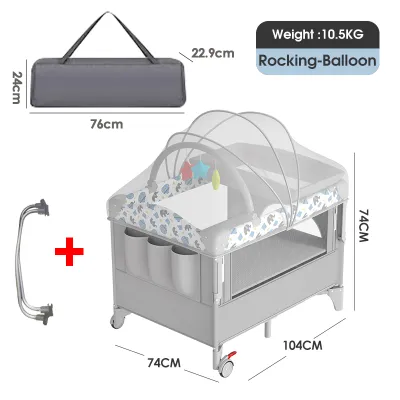
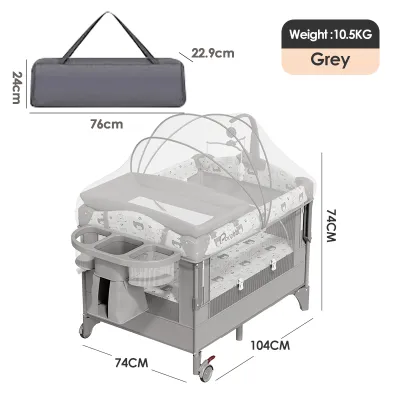
Prices are valid at publication and may change. Please refer to the product page for the latest price.
In the tropical climate of the Philippines, high humidity levels can severely impact wooden furniture. Excess moisture in the air can cause untreated wood to swell, warp, or develop mold over time. When reviewing Cocobb product specifications, look for moisture-resistant finishes or protective sealants designed to withstand humid conditions. A well-sealed surface prevents dampness from penetrating the wood fibers, preserving the structural integrity of the changing table or crib.
Chemical safety is another critical factor, as newborns have highly sensitive respiratory systems and delicate skin. It is essential to verify that all paints, varnishes, and laminates used on the furniture are non-toxic, lead-free, and phthalate-free. Rather than relying on generic product descriptions, look for explicit manufacturer declarations of compliance with international safety standards, or check the packaging for verified chemical safety certifications.
Structural indicators of high build quality should be inspected closely before purchase. Examine the joint construction of the changing table or dresser; dovetail or mortise-and-tenon joints are significantly stronger and more durable than simple butt joints held together solely by glue or nails. Check the drawer glides to ensure they operate smoothly without sticking, feature safety stops to prevent drawers from being pulled out completely, and incorporate soft-close mechanisms to protect small fingers.
Overall stability is paramount to prevent accidental tipping. A high-quality changing table should have a wide, stable base and solid leg construction that does not wobble when gentle pressure is applied. If the furniture features wheels or casters for mobility, verify that they are constructed from durable materials and include robust, reliable locking mechanisms that can be securely engaged during use.
Key Features to Look for in a Cocobb Changing Table
Ergonomics play a vital role in daily baby care, as parents perform thousands of diaper changes during a child’s first year. To prevent chronic back strain, you must choose a changing table that aligns with your height. Stand upright and measure the distance from the floor to your waist; the changing surface should ideally sit near this level, typically between 32 and 36 inches (80 to 90 cm) high. Check the product specifications of the Cocobb model you are considering to see if it features adjustable legs or compatible risers, ensuring any modifications do not compromise the unit’s stability.

Storage configuration is equally important for maintaining a safe and organized changing environment. When diapering a newborn, you must keep one hand on the baby at all times, meaning all essentials must be easily accessible with your free hand. Look for a changing table that offers a combination of open shelves or accessible cubbies directly below the changing surface for high-frequency items like diapers, wipes, and creams. Deep drawers are excellent for storing backup supplies, swaddles, and clean clothes, keeping them organized and free from dust.
To maximize your investment, consider the convertibility and longevity of the furniture. A dedicated changing table has a relatively short lifespan, as babies quickly outgrow the diapering stage. Many modern Cocobb models feature a removable changing topper, allowing the unit to transition into a standard bedroom dresser or storage chest once the diapering years are over. Other designs can be repurposed as toy organizers, bookshelves, or study storage units, providing excellent long-term value.
Before finalizing your purchase, carefully measure the top surface dimensions of the changing table to ensure pad compatibility. The table must feature raised safety guardrails on all four sides, and these barriers must be high enough to prevent a changing pad from sliding off. Check the manufacturer’s documentation to see if the table requires a proprietary Cocobb changing pad or if it is compatible with standard, universally sized contoured pads. The pad must fit snugly within the designated area without any overhanging edges or significant gaps.
Always verify the maximum weight capacity and age limits specified in the manufacturer’s manual. Most changing tables are rated for babies up to a specific weight range, typically around 11 to 15 kg, though this varies by model. Stop using the changing table immediately once your baby reaches the maximum weight limit or begins to roll over, sit up, or push up on their hands and knees, as these developmental milestones significantly increase the risk of accidental falls.
Deciding Between Standalone Pieces and Cocobb Furniture Sets
Space planning is the first step in deciding whether to purchase standalone pieces or a coordinated nursery furniture set. In many Philippine homes, particularly urban apartments and condominiums, floor space is at a premium. Before buying, measure your nursery dimensions accurately and use painter’s tape on the floor to map out the physical footprint of each proposed furniture item. Ensure there is ample clearance for doors, wardrobe panels, and drawers to open fully without obstructing walkways or creating tripping hazards during late-night care.
Analyzing the specific components included in a Cocobb furniture set helps determine if a bundle is truly necessary for your lifestyle. A typical set may include a crib, a changing table, a wardrobe, and a nightstand. While a complete set offers comprehensive storage and sleeping solutions, you may find that a standalone crib and a convertible changing table with built-in drawers are sufficient for your baby’s first year. Assess your immediate storage needs and prioritize essential pieces to avoid overcrowding your nursery with unnecessary furniture.
Cohesive design is a primary benefit of purchasing a matched furniture set. A set ensures that wood tones, paint finishes, and hardware styles match perfectly, saving you the time and effort of sourcing complementary pieces from different brands. This creates a visually harmonious, calming nursery environment. However, buying standalone pieces offers greater financial and stylistic flexibility, allowing you to space out your purchases over several months and mix different design elements to create a unique, personalized look.
Growth and adaptability are crucial considerations when evaluating furniture bundles. Check if the crib included in the Cocobb set is a convertible model that can transition into a toddler bed, daybed, or full-sized bed frame. Similarly, verify if the wardrobe or dresser is designed to accommodate older children’s clothing and belongings. A furniture set that adapts to your child’s changing developmental stages offers far greater long-term utility and cost savings than a single-stage set that must be completely replaced after infancy.
Mandatory Safety Checks and Installation Rules for Nursery Furniture
Securing heavy furniture to prevent tip-over accidents is an absolute necessity in any home with young children. As babies grow into curious toddlers, they often attempt to climb open drawers, which can cause heavy dressers, wardrobes, and changing tables to fall forward. You must secure all tall or heavy nursery furniture to the wall using high-quality anti-tip anchoring kits. Because many homes in the Philippines feature concrete or concrete hollow block (CHB) walls, ensure you use appropriate masonry plugs and heavy-duty screws rather than standard drywall anchors to achieve a secure hold.
Before assembling or using any nursery furniture, perform a thorough hardware and edge inspection. Run your hands over all surfaces, corners, and edges to ensure they are smooth, rounded, and completely free of sharp splinters, rough patches, or peeling paint. Check that all screws, bolts, and fasteners are tightened completely and sit flush with the wood surface. Periodically re-inspect these fasteners, as regular use and changes in humidity can cause hardware to loosen over time.
Adhering to manufacturer weight limits and practicing proper load distribution are essential for maintaining structural stability. Never exceed the maximum weight capacity specified for the changing table surface or individual shelves. When organizing drawers, place the heaviest items—such as bulk packs of wipes, heavy blankets, and bedding—in the bottom drawers. This keeps the unit’s center of gravity low, significantly reducing the risk of tipping when upper drawers are pulled open.
When placing a changing pad on the table, you must ensure a proper fit to prevent dangerous gaps. Safety guidelines recommend that there should be no gap larger than two fingers (approximately 1 inch or 2.5 cm) between the changing pad and the surrounding guardrails. If the pad is too small, a baby’s limbs or body could slip into the gap and become trapped. Always use the safety straps provided with the changing pad, and secure them firmly to the changing table frame to prevent the pad from shifting during use.
Strict adherence to assembly protocols is critical for your baby’s safety. Carefully read the manufacturer’s instruction manual and assemble the furniture step-by-step, using only the hardware provided in the package. Do not substitute missing parts with random screws or brackets from a hardware store; instead, contact the manufacturer for official replacement parts. Once assembly is complete, perform a rigorous stability test by firmly shaking the unit to ensure there is no wobbling, loose joints, or structural weakness before placing your newborn on the furniture.
Where to Buy Authentic Cocobb Furniture and Manage Warranties
To ensure you receive a genuine product that complies with all safety regulations, purchase your Cocobb furniture only from authorized retailers. Look for official brand brick-and-mortar stores, verified specialty baby boutiques, or official flagship stores on major, reputable online marketplaces. Purchasing from unverified third-party sellers or gray-market listings increases the risk of receiving counterfeit goods made with substandard materials, weak joints, or toxic finishes that pose health risks to your child.
Upon delivery of your furniture, conduct an authenticity verification check before beginning assembly. Genuine Cocobb products are shipped in branded packaging that includes detailed instruction manuals, safety warnings, and official manufacturer contact information. Check the furniture frame for official serial numbers, warranty cards, or holographic authenticity stickers. If you notice poor printing quality on the packaging, missing documentation, or a lack of official branding, contact the seller immediately to verify the product’s authenticity.
Managing delivery and assembly expectations is important when purchasing bulky, heavy furniture items. When ordering online, review the shipping terms to confirm if the carrier provides doorstep delivery, which is especially important if you live in a multi-story home or a high-rise condominium. Some authorized retailers offer professional home assembly services for an additional fee. If you choose to assemble the furniture yourself, clear a spacious, flat area in the nursery and use the correct tools to avoid scratching or damaging the wood panels during assembly.
Understanding the scope of the manufacturer’s warranty and return policy protects your investment against defects. A standard warranty typically covers manufacturing defects, such as cracked wood panels, faulty drawer glides, or missing hardware, for a specific period from the date of purchase. However, warranties generally exclude damage caused by improper home assembly, normal wear and tear, exposure to extreme humidity, or unauthorized modifications. Keep your original sales receipt, invoice, and warranty card in a safe place to facilitate any future claims.
Frequently Asked Questions (FAQ)
Can I use a regular dresser instead of a dedicated Cocobb changing table?
Yes, you can use a sturdy, appropriately sized dresser as a changing station, provided you implement the necessary safety modifications. The dresser must sit at an ergonomic height for comfortable use and must be securely anchored to the wall using an anti-tip anchoring kit to prevent tipping. You must install a contoured changing pad equipped with safety straps and a non-slip backing, securing it firmly to the top surface of the dresser. Ensure the surrounding area is kept entirely clear of hazards, loose items, and electrical cords, and always maintain physical contact with your baby during diaper changes.
How do I clean and maintain the finish on wooden nursery furniture?
To protect the finish and structural integrity of your wooden nursery furniture, clean it regularly using a soft, slightly damp microfiber cloth and a mild, baby-safe soap. Avoid using harsh chemical cleaners, ammonia-based sprays, or abrasive scrubbing pads, as these can strip the protective sealant and expose the wood to moisture. In the humid climate of the Philippines, it is crucial to dry the surface immediately with a clean, dry cloth after wiping it down to prevent water spots, wood warping, or mold growth. Keep the furniture away from direct sunlight and air conditioning vents to prevent uneven drying and cracking.
Is it safe to buy second-hand Cocobb nursery furniture?
While purchasing second-hand furniture can be highly cost-effective, it introduces significant safety risks that you must carefully evaluate. Before buying a used piece, thoroughly inspect it for missing hardware, structural cracks, or loose joints that could compromise its stability. Check for any active product recalls by searching the brand name and model on official consumer safety databases. Ensure that the original assembly instructions and anti-tip anchoring kits are included, and verify that the paint or finish is not peeling, chipping, or showing signs of mold, which could pose health hazards to your newborn.

Community discussion
Share your experience or ask a question. Comments are reviewed before publication.