
Selecting the right oral care tools for your baby is a vital step in supporting their long-term dental health. As infants grow, their mouths undergo rapid changes, transitioning from smooth gums to the sudden eruption of sharp primary teeth, and eventually to the development of early motor skills. Because of these distinct developmental milestones, a single toothbrush design cannot serve a child from infancy through toddlerhood. Matching a toothbrush to your baby’s specific age and teething stage ensures that oral hygiene remains both safe and comfortable, preventing tissue irritation while effectively removing plaque. By understanding what to look for at each phase, parents can confidently choose the appropriate tools and establish healthy habits that last a lifetime.
Understanding Your Baby's Oral Development Stages
A baby’s oral development is a dynamic process that requires close observation from parents. Before any teeth actually break through the gums, infants go through a pre-teething phase that typically begins around three to six months of age. During this period, you may notice your baby drooling excessively, constantly rubbing their gums with their fingers, or chewing eagerly on toys and blankets. The gums in the areas where teeth will soon erupt may appear slightly swollen, red, or uneven, indicating localized sensitivity that can cause mild discomfort or restlessness.
The next major milestone is the eruption of the first primary teeth, which commonly occurs around six months of age, though the exact timing varies widely for every child. Usually, the lower central incisors are the first to emerge, followed closely by the upper front teeth. This stage introduces a dual challenge: you must now clean the newly exposed enamel to prevent early decay while remaining extremely gentle on the surrounding gums, which are often tender and inflamed from the teething process.
Products mentioned in this guide
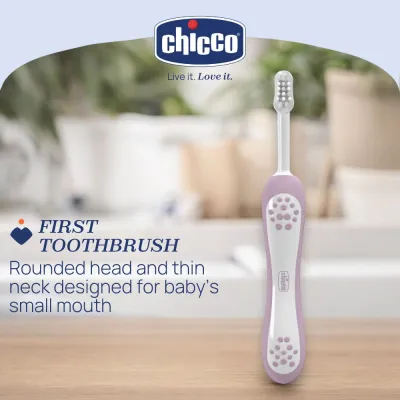
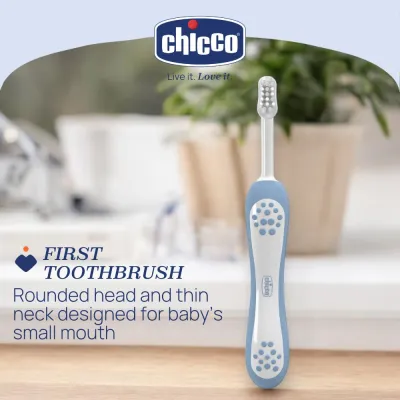
Prices are valid at publication and may change. Please refer to the product page for the latest price.
As your child grows into a toddler, usually between twelve and thirty-six months, more teeth will emerge, including lateral incisors, first molars, and canines. Along with these new teeth, toddlers begin to develop the fine motor skills and desire for independence that signal a transition toward self-brushing. You will notice your child attempting to grab the toothbrush, mimic your movements, and insist on brushing without help. While they still lack the manual dexterity to clean their teeth thoroughly on their own, this stage requires tools that accommodate both parent-assisted cleaning and early independent practice.
Key Features to Look for in a Chico Toothbrush by Stage
Selecting the right toothbrush requires evaluating specific design elements that match your child’s physical development. The brush head dimensions, bristle texture, and handle shape must align with their current mouth size and motor skills to ensure effective cleaning without causing discomfort.

Pre-Teeth and Gum Care
Before the first tooth emerges, oral care focuses entirely on soothing the gums and keeping the oral cavity clean. For this early stage, traditional nylon bristles are too abrasive for delicate oral tissues. Instead, parents should look for specialized gum massagers or finger brushes made from soft, food-grade silicone. These tools feature gentle ridges or extremely pliable silicone nubs that massage itchy, irritated gums while gently sweeping away milk residue and bacteria from the tongue and cheeks.
When choosing a silicone gum care tool, safety is the primary concern. Always verify on the product packaging that the item includes a built-in safety shield or choke guard. This wide collar prevents the tool from being pushed too far into the baby’s mouth, protecting them from gagging or choking during use. Additionally, because these tools are frequently placed in highly sensitive mouths, parents must check the manufacturer’s sterilization guidelines. Many silicone brushes can withstand steam sterilization or boiling, but you must confirm these limits on the packaging to avoid damaging the material.
First Teeth Eruption
Once the first tiny teeth break through the gums, it is time to transition to a toothbrush with actual bristles. The brush head at this stage must be exceptionally small and compact, allowing you to target individual teeth in a very confined space without bumping into sensitive gums or causing a gag reflex. The shape of the head should be rounded and tapered to navigate the tight corners of an infant’s mouth comfortably.
The bristles themselves must be ultra-soft and tapered to protect the thin, developing enamel of primary teeth. Hard or medium bristles can easily scratch the enamel or scratch the delicate, inflamed gum tissue surrounding a newly erupted tooth. Furthermore, the handle design at this stage is intended primarily for the parent. Look for a long, ergonomic handle with non-slip rubber grips that allows you to maintain precise control, apply minimal pressure, and reach the correct brushing angles inside your baby’s mouth.
Toddler Transition
As toddlers enter the phase of assisted self-brushing, the physical design of the toothbrush must adapt to their growing hands and mouths. The handle should transition from a long, parent-focused grip to a short, chunky, and highly ergonomic shape. This thick design allows toddlers, who are still developing their grip strength and coordination, to hold the brush securely without it slipping out of their hands.
While the handle becomes larger, the brush head must also scale slightly to match the growing jawline, though it should remain small enough to reach the back molars easily. To encourage cooperation and build positive associations with oral hygiene, look for brushes that feature engaging colors, friendly characters, or clear visual indicators on the bristles. These design elements help transform what can sometimes be a challenging daily chore into an interactive, fun routine that toddlers look forward to practicing.
How to Verify Product Labels and Purchase Safely
With many baby products available online and in physical stores, ensuring you purchase a genuine, age-appropriate Chico toothbrush requires careful verification. Never rely solely on online product titles or search descriptions, which can sometimes be generic or inaccurate. Instead, always examine the physical packaging or high-resolution product images to read the manufacturer’s explicit age recommendations and stage indicators, such as “4m+” or “6m+”. These labels are calibrated to the specific safety standards and physical dimensions required for that developmental stage.
Before introducing any new toothbrush to your baby, conduct a thorough physical inspection of the packaging. Check that the safety seals are completely intact, indicating the product has not been opened or tampered with. Look for printed batch numbers, manufacturing dates, and clear safety warnings on the back of the box. These details are crucial for tracking product quality and ensuring the materials used are free from harmful chemicals like BPA.
To protect your baby from counterfeit products that may use substandard plastics or poorly secured bristles, always purchase your oral care items from authorized physical department stores, official brand shops, or verified official malls on reputable ecommerce platforms. Counterfeit toothbrushes often lack rigorous safety testing, and their bristles can easily detach during brushing, posing a severe choking hazard. Buying from verified sources guarantees that the product meets strict quality and safety regulations.
Establishing a Safe Daily Brushing Routine
Introducing a daily brushing routine early helps your baby accept oral care as a normal part of their day. To brush effectively and safely, proper positioning is essential. For infants and young toddlers, try cradling your baby in your lap with their head resting securely against your arm, or stand behind your toddler in front of a bathroom mirror while gently tilting their head back. This position gives you maximum visibility into their mouth and allows you to control the toothbrush gently, using light, circular motions on each tooth surface.
In warm and highly humid tropical environments, such as the Philippines, maintaining toothbrush hygiene requires extra care. High humidity levels create an ideal breeding ground for mold, mildew, and bacteria on wet bristles. After every brushing session, rinse the toothbrush thoroughly under clean, running water to remove all traces of toothpaste and debris. Shake off any excess water vigorously, and store the brush upright in an open, well-ventilated holder. Never cover the wet brush head with a travel cap or store it in a closed cabinet, as trapping moisture will encourage bacterial growth.
While daily brushing is highly beneficial, parents must remain observant of their baby’s oral health and know when to seek professional guidance. If you notice persistent bleeding from the gums, severe and ongoing resistance that makes brushing painful, or any unusual white, yellow, or brown spots on the teeth, stop using the brush and consult a pediatric dentist immediately. These signs can indicate underlying sensitivity, localized infection, or early childhood tooth decay that requires professional assessment rather than continued home cleaning.
Frequently Asked Questions (FAQ)
Can I use the same Chico toothbrush for multiple children?
No, you should never share a toothbrush among siblings or other children. Sharing a toothbrush introduces significant hygiene risks, primarily the rapid transfer of oral bacteria, including Streptococcus mutans, which is the primary bacteria responsible for tooth decay. A baby’s immune system is still developing, and sharing oral care tools can easily spread common childhood illnesses, viral infections, and oral thrush. Manufacturer guidelines explicitly state that toothbrushes are personal care items intended for individual use only, meaning each child must have their own clearly identified brush.
How often should I replace my baby's Chico toothbrush?
You should replace your baby’s toothbrush every two to three months, or sooner if you observe physical signs of wear. Inspect the brush regularly for frayed, splayed, or bent bristles, as worn bristles lose their flexibility and can scratch delicate gums while failing to clean teeth effectively. Additionally, always replace the toothbrush immediately after your child recovers from an illness, such as a cold, flu, or throat infection, to prevent reinfection from bacteria or viruses that may persist on the damp bristles.

Community discussion
Share your experience or ask a question. Comments are reviewed before publication.