
Selecting the right caddy bag for your baby essentials is one of the most practical decisions you will make as a parent. A well-chosen caddy bag acts as a portable, organized station that keeps diapers, wipes, bottles, and extra clothes within arm’s reach, whether you are moving from the bedroom to the living room or heading out for a family day. In tropical climates where high humidity and sudden weather shifts are common, your choice of bag must balance storage capacity with moisture resistance and ease of cleaning. By focusing on your daily routine, organizational preferences, and material durability, you can find a bag that simplifies your parenting workflow and keeps your baby comfortable.
Assess Your Daily Routine to Determine Capacity Needs
If your daily routine consists of quick walks to the neighborhood park or brief errands at a nearby convenience store, a compact caddy bag with just enough space for two or three diapers, a travel pack of wipes, and a single bottle is often sufficient. Conversely, if you frequently embark on day-long trips, visit shopping malls, or travel to see family, you will require a high-capacity bag that can accommodate multiple changes of clothes, feeding gear, toys, and personal items.
Consider how you typically travel and who will be carrying the bag most of the time. If you rely on public transportation or walk frequently in warm, humid weather, a heavy or bulky bag can quickly become exhausting and uncomfortable. Parents who commute may prefer a hands-free backpack-style caddy that distributes weight evenly across both shoulders, while those who primarily travel by car or use a stroller might find a wide, open-top tote caddy more convenient for quick access.
Products mentioned in this guide
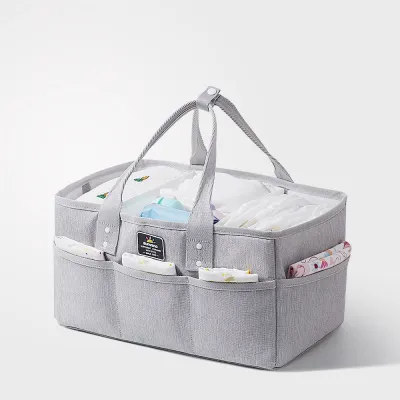
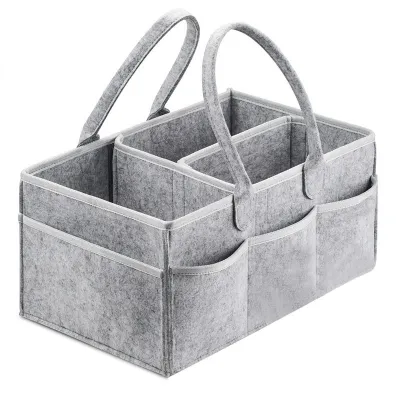
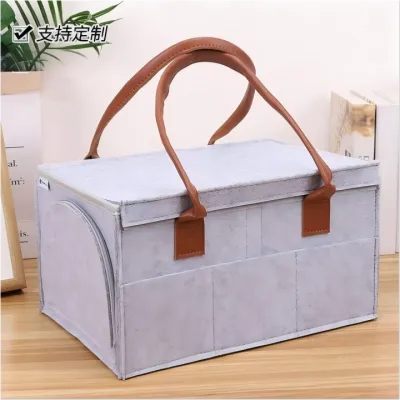
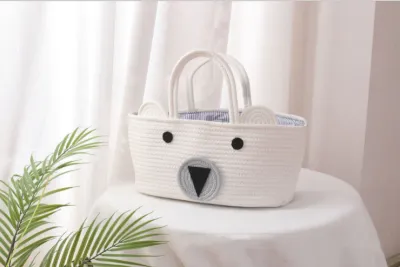

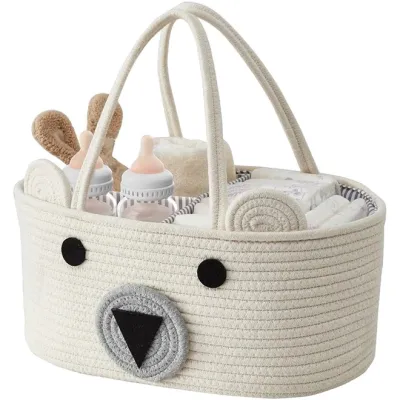
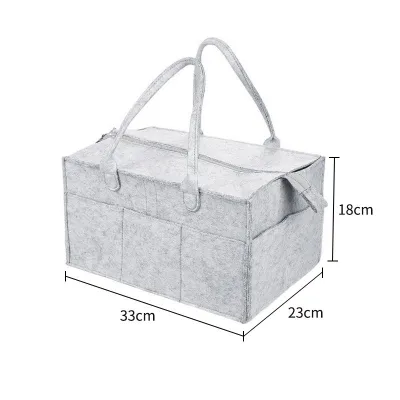
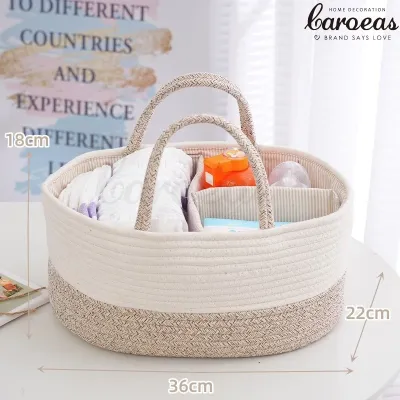
Prices are valid at publication and may change. Please refer to the product page for the latest price.
A baby’s age significantly influences what you need to carry, and these needs change rapidly during the first year. Newborns require frequent diaper changes and are prone to spit-ups, meaning you must pack multiple changes of clothes, burp cloths, and diapering supplies. If you are formula-feeding, you will need dedicated space for insulated water flasks, formula dispensers, and multiple sterilized bottles. As your baby transitions to solid foods and toddlerhood, the diapering supplies will decrease, but you will need more room for snack containers, water cups, and small toys to keep them entertained.
Evaluate Organization Features for Quick Access
Open-top caddy bags, often made of felt or structured canvas, are excellent for home use because they allow you to see and grab everything instantly with one hand while keeping your other hand on your baby. However, for outdoor use, an open design leaves your essentials vulnerable to dust, sudden tropical downpours, and accidental spills if the bag tips over. For travel, look for bags with secure zippered closures or quick-release magnetic flaps that protect your items while still allowing relatively fast access.

Dedicated insulated pockets are highly beneficial for keeping milk, water, or baby food at a safe temperature while you are on the go. When evaluating these pockets, check the manufacturer’s specifications regarding how long they can maintain temperatures, especially during hot afternoons. Additionally, an external wipes pocket with a magnetic or zippered slit allows you to pull out a wipe instantly without opening the main compartment, which is incredibly helpful during diaper changes or sudden messes.
Many high-quality caddy bags feature removable interior dividers, usually secured with hook-and-loop fasteners. This modular design allows you to customize the internal layout based on your changing daily needs. You can create small, snug compartments to keep bottles upright and prevent them from leaking, or you can remove the dividers entirely to create a single large compartment for bulky items like blankets, winter wear, or large toy sets.
Choose Durable and Easy-to-Clean Materials
With baby gear, spills, leaks, and dirt are inevitable. When shopping, carefully read product descriptions and check manufacturer labels for water-resistant or wipeable interior and exterior linings. Materials like high-density polyester, nylon, or specially coated canvas are excellent choices because they prevent spilled milk or water from soaking into the fabric, allowing you to clean up messes with a simple damp cloth or disinfectant wipe.
A caddy bag that collapses or sags when empty can be incredibly frustrating to use, as it requires two hands to hold open while searching for items. Look for bags with reinforced bases, sturdy side panels, or built-in plastic supports that keep the bag standing upright even when it is completely empty. A stable, flat bottom also prevents bottles from tipping over inside the bag, reducing the risk of messy leaks.
Before making a purchase, verify the manufacturer’s care instructions to understand how to maintain the bag’s hygiene. While some fabric caddies are fully machine washable, many structured bags with internal cardboard or plastic supports must only be spot-cleaned. If you prefer the convenience of machine washing, ensure the bag is rated for it and follow the recommended temperature and cycle settings to prevent warping or shrinking.
Select the Right Portability and Handling Options
The way you carry your caddy bag affects your physical comfort and mobility. Short top handles are perfect for quick grabs, such as moving the caddy from the nursery to the living room or lifting it out of a car trunk. For longer walks or when your hands are full, long adjustable straps that allow for shoulder or crossbody carrying are essential, as they help distribute the weight more comfortably across your torso.
A fully loaded caddy bag can become surprisingly heavy, especially when packed with full water bottles, multiple diapers, and spare clothing. Narrow, unpadded straps can dig into your shoulders, causing discomfort and muscle strain over time. Look for wide straps with breathable, padded mesh linings that cushion the weight and allow for better airflow, which is particularly important in warm, humid climates.
If you frequently use a stroller, look for a caddy bag that includes dedicated stroller straps or integrated clips. These allow you to hang the bag securely from the stroller handlebar, keeping your essentials at waist level and freeing up the storage basket underneath. Always check your stroller manufacturer’s weight limits and guidelines to ensure that hanging a heavy bag on the handlebar does not create a tipping hazard for your baby.
Build Your Caddy Bag Shortlist and Finalize Your Choice
Establish a clear budget before you begin browsing online marketplaces or local baby boutiques. In the local market, high-quality caddy bags and diaper organizers typically range from ₱500 for basic felt home organizers to ₱3,500 or more for premium, multi-functional travel bags with advanced material coatings. By setting a budget, you can narrow down your options to those that offer the best balance of essential features, durability, and value without overspending.
Before finalizing your purchase, carefully check the product dimensions and empty weight listed by the manufacturer. Ensure the bag’s physical size fits comfortably within your stroller’s under-seat basket, your car’s footwell, or the storage spaces in your home. A bag that is too bulky can be difficult to manage, while a bag that is too heavy when empty will limit how much gear you can comfortably pack inside.
To ensure long-term satisfaction, read verified customer reviews on ecommerce platforms and parenting forums. Pay close attention to feedback regarding zipper quality, seam strength, and how well the material resists wear and tear over several months of daily use. Real-world reviews often highlight practical details that are not visible in product photos, such as whether the insulated pockets actually fit standard-sized baby bottles or if the straps tend to slip during walks.
Frequently Asked Questions (FAQ)
Can I use a regular tote bag instead of a dedicated caddy bag?
Yes, you can use a regular tote bag, but it often lacks the specialized compartments and structural support found in dedicated caddy bags. Without dividers, items like bottles, diapers, and creams can easily shift, slide to the bottom, and create a disorganized mess that is difficult to navigate in an emergency. If you prefer to use an existing tote bag, consider purchasing a removable diaper caddy insert or using small, color-coded zippered pouches to organize your gear and provide the necessary structure.
How do I prevent my caddy bag from developing odors?
To prevent odors, especially in humid environments, it is crucial to establish a regular cleaning routine. Always empty the bag completely at the end of the week to check for forgotten snacks, damp clothes, or minor spills, and wipe down the interior with a mild, baby-safe disinfectant. Use waterproof, zippered wet bags or separate pouches to isolate soiled bibs, wet clothes, or dirty diapers until you can wash them. Additionally, allow your caddy bag to air out completely in a well-ventilated area away from direct sunlight to prevent mold and mildew from taking root.

Community discussion
Share your experience or ask a question. Comments are reviewed before publication.