
Selecting the right bottle cleaning sponge is a crucial step in maintaining your baby’s feeding hygiene. The ideal sponge material depends entirely on whether you use glass, plastic, or silicone baby bottles. Each bottle material interacts differently with cleaning tools, meaning a sponge that works perfectly on glass might cause damaging micro-scratches on plastic.
In the warm and humid climate of the Philippines, sponge selection also directly impacts hygiene. High humidity levels mean that cleaning tools dry slowly, creating an environment where mold and bacteria can quickly multiply. Choosing a sponge material that dries efficiently while thoroughly removing milk fats is essential for keeping your baby’s bottles clean and safe.
By understanding the physical traits of different sponge materials, you can protect your investment in quality baby bottles and ensure a sanitary feed every time. Here is how to evaluate your options and match the right cleaning tool to your specific bottle type.
Products mentioned in this guide
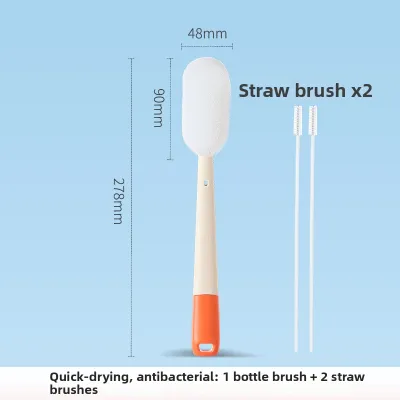
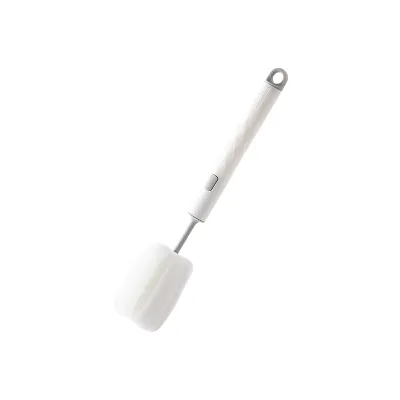
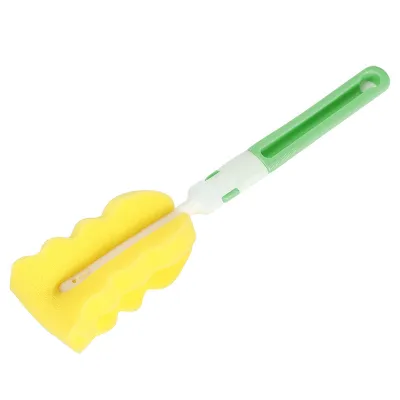
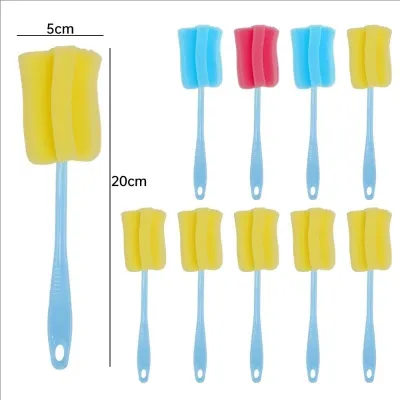
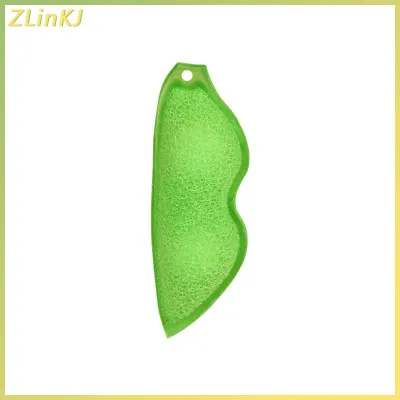

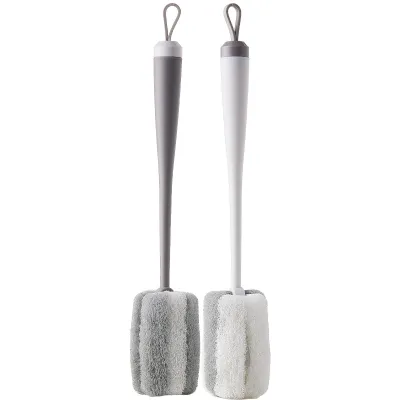
Prices are valid at publication and may change. Please refer to the product page for the latest price.
Understanding Sponge Materials for Baby Bottles
Silicone sponges have gained popularity because they are non-porous, quick-drying, and exceptionally gentle on delicate surfaces. Because silicone does not absorb water, these sponges resist mold and bacterial growth, making them highly suitable for humid tropical environments. However, because they do not absorb liquids, they do not generate a heavy soap lather and may require more physical effort to wipe away thick milk residues.
Polyurethane foam sponges are highly valued for their excellent absorbency and ability to generate a rich lather. A small amount of baby-safe dish soap goes a long way with foam, allowing you to easily lift stubborn milk fats from the bottle walls. The primary drawback of polyurethane is its porous structure, which traps moisture and organic residue. In humid conditions, these sponges require thorough squeezing and must be hung to dry in a well-ventilated area to prevent bacterial buildup.
Microfiber or cloth-based brushes feature a soft, textured surface designed to grab and lift oily residues without relying on abrasive scrubbing. They are highly effective at wiping away the thin film that breastmilk or formula can leave behind. However, like foam, microfiber retains water and must be washed and dried carefully after each use to maintain cleanliness.
Natural sea sponges are incredibly soft when wet and offer high absorbency. While they are exceptionally gentle on all bottle surfaces, they are organic materials that require strict maintenance. They can easily harbor mold if they remain damp for too long, meaning they demand frequent inspection, sanitizing checks, and rapid drying to remain safe for infant feeding gear.
Best Sponge Choices for Glass Baby Bottles
Glass baby bottles are highly durable, resistant to odors, and do not scratch easily, but they require careful handling to prevent accidental breakage. When cleaning glass, your primary goal is to find a sponge that cleans thoroughly without risking chips, cracks, or structural stress.

Prioritize bottle cleaning sponges that feature soft, flexible handles or fully silicone bodies. Avoid brushes with exposed metal wires or hard plastic tips at the cleaning head. During vigorous washing, an exposed metal core can strike the inner base or the delicate rim of a glass bottle, causing micro-fractures that weaken the glass over time.
Look for sponges designed with textured tips or angled edges. Glass bottles often have distinct bottom corners where milk residue can settle and harden. An angled sponge head allows you to reach these tight spots and clean the narrow neck area effectively without having to force the tool at awkward angles.
Verify that the sponge material does not shed lint or fibers. The smooth, high-friction surface of clean glass can easily catch loose fibers from low-quality cloth or microfiber brushes. These tiny fibers can remain inside the bottle after rinsing, presenting an unwanted contaminant when the bottle is filled with milk.
Ensure the sponge head is flexible enough to compress easily through the bottle neck. Forcing a stiff, oversized sponge into a narrow-neck glass bottle can cause sudden tension. This makes the bottle slippery and difficult to hold, increasing the risk of dropping and breaking the glassware in your sink.
Protecting Plastic Bottles: Choosing the Right Sponge
Plastic baby bottles made of materials like polypropylene (PP), polyethersulfone (PES), or polyphenylsulfone (PPSU) are lightweight and shatterproof, but their surfaces are relatively soft. This softness makes them highly vulnerable to physical damage during cleaning.
Avoid any sponge that features an abrasive scouring pad or stiff nylon bristles. These rough surfaces create tiny, microscopic scratches on the plastic interior. These micro-scratches are problematic because they act as microscopic pockets where milk proteins, fats, and bacteria can hide, making the bottle difficult to sterilize effectively.
Opt for ultra-soft silicone or smooth, non-abrasive polyurethane foam sponges. These materials glide smoothly over plastic surfaces, lifting away milk film through gentle friction rather than scraping. This preserves the smooth, clear finish of your plastic bottles and extends their usable lifespan.
Always check the bottle manufacturer’s care instructions before selecting your cleaning tools. Some high-performance plastics have specific temperature and mechanical scrubbing limits, and manufacturers often list recommended cleaning methods to prevent premature clouding or degradation.
Inspect your plastic bottles regularly under direct, bright light. If you notice deep micro-scratches, persistent cloudiness, or a rough texture inside the bottle, it is time to replace the bottle itself. Simply changing your sponge is not enough once the plastic surface has been compromised, as damaged plastic can harbor stubborn bacteria.
Cleaning Silicone Bottles Without Damage
Silicone baby bottles are popular for their soft, squeezable texture that mimics natural feeding, but the material has a unique surface chemistry. Silicone is naturally slip-resistant and tends to attract and hold onto milk fats and stubborn odors.
Choose a sponge that generates a rich lather or features a mild, non-abrasive texture. Because silicone surfaces can feel sticky when wet, a high-lather polyurethane foam sponge helps the cleaning tool glide smoothly across the interior walls, breaking down grease without sticking or skipping.
Ensure the sponge material is soft enough that it will not tear, pill, or roughen the silicone. Rough scrubbing tools can degrade the flexible walls of a silicone bottle, causing the material to lose its smooth finish, become sticky, or develop weak spots that are prone to tearing.
Avoid pairing your sponge with harsh chemical cleaners or heavy dishwashing detergents. Stick to mild, baby-safe dish soaps and warm water. Strong chemicals can degrade the silicone material over time and may leave behind chemical scents that are difficult to wash out.
Rinse the bottle thoroughly under clean, running water. Because silicone can absorb strong odors if soap residue is left behind, ensure that your sponge has completely cleared away all milk fats and that no soapy film remains on the flexible walls.
When to Replace Your Bottle Cleaning Sponge
In a warm, humid environment, bottle cleaning sponges degrade more rapidly than they would in dry climates. Keeping a close eye on the condition of your cleaning tools is vital for maintaining a hygienic feeding routine.
Look for visible signs of physical degradation, such as tearing, crumbling, or the sponge losing its original shape. A sponge that is falling apart cannot apply even pressure to the bottle walls, leaving behind hidden patches of milk residue, and loose sponge particles can end up inside the bottle.
Check regularly for persistent sour odors, discoloration, or visible dark mold spots. If a sponge retains a damp, unpleasant smell even after being washed with soap and left to dry, it has likely accumulated deep-seated bacteria. Discard the sponge immediately to prevent cross-contamination.
Follow the manufacturer’s recommended replacement timeline, which is typically every four to six weeks. Even if a sponge looks clean on the outside, microscopic bacteria can build up deep within the porous core of foam or microfiber over weeks of daily use.
Stop using the sponge immediately if you notice it leaving a fine residue, small particles, or an unusual film inside the bottles. This indicates that the sponge material is actively breaking down under the influence of water, soap, and friction, and is no longer safe for cleaning infant feeding items.
Frequently Asked Questions (FAQ)
Can I use a regular kitchen sponge for baby bottles?
No, you should not use a standard kitchen sponge to clean baby bottles. Regular kitchen sponges are often used to clean family dishes, wipe down countertops, and clean up raw food residue, meaning they harbor high levels of bacteria. Additionally, many kitchen sponges feature abrasive green or yellow scouring pads that will easily scratch plastic and silicone baby bottles. It is highly recommended to keep a dedicated bottle cleaning sponge that is used exclusively for your baby’s feeding equipment.
Do I need a separate sponge for the bottle nipples?
Yes, a separate, smaller cleaning tool is highly recommended for bottle nipples. Nipples have very small, delicate openings and soft silicone tips that can easily tear if you try to force a standard-sized bottle cleaning sponge inside them. A dedicated nipple brush or a small, molded silicone tip cleaner is designed to fit the exact shape of the nipple, allowing you to clear away trapped milk fats safely without stretching, distorting, or tearing the material.

Community discussion
Share your experience or ask a question. Comments are reviewed before publication.