
In the tropical heat of the Philippines, keeping a baby’s skin dry and comfortable is a constant challenge for parents. High humidity, intense heat, and frequent seasonal changes create an environment where moisture control is a daily struggle. Infant skin is significantly thinner and more delicate than adult skin, meaning its natural protective barrier is easily compromised by excess sweat and friction. Choosing the right body dusting powder requires looking beyond basic brand names to evaluate specific ingredients, packaging safety, and application formats. By prioritizing talc-free, plant-based starches and understanding how to apply these products safely, you can protect your baby’s skin barrier while minimizing respiratory risks.
Understanding Baby Skin Needs in a Tropical Climate
Infant skin is highly sensitive to environmental stressors due to its thinness and developing structure. In warm, humid climates, babies sweat easily to regulate their body temperature, but their underdeveloped sweat glands can easily become blocked. This blockage often results in prickly heat, characterized by tiny, itchy red bumps in areas like the neck, underarms, and groin. Managing this moisture is crucial to preventing discomfort and secondary skin issues.
The high relative humidity in the Philippines means that sweat does not evaporate quickly from the skin’s surface. Instead, it pools in the deep folds of a baby’s chubby arms, legs, and neck. This constant wetness softens the outer layer of the skin, making it highly vulnerable to chafing. When the skin is constantly damp, the natural barrier weakens, allowing external irritants from diapers, clothing, or environmental dust to penetrate more easily.
Products mentioned in this guide
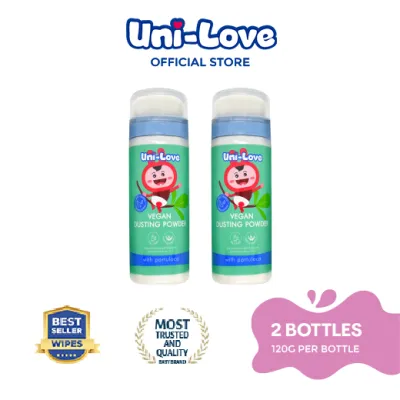
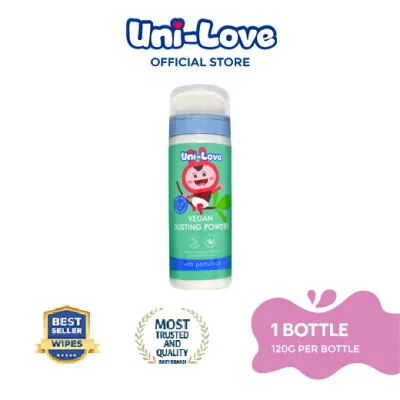
Prices are valid at publication and may change. Please refer to the product page for the latest price.
Dusting powder acts as a physical barrier that absorbs excess moisture and reduces friction. When a baby moves, skin-to-skin contact and the rubbing of diapers against the thighs can cause micro-tears in the skin. A fine layer of safe powder minimizes this friction, allowing the skin to glide smoothly and remain dry even during humid afternoons. This mechanical protection is a key element in daily tropical baby care.
While mild heat rash typically resolves with cool baths and air circulation, severe diaper dermatitis is a different concern. If you notice bright red patches, peeling skin, pimples, or fluid-filled blisters that persist for more than a few days, this may indicate a yeast or bacterial infection. In such cases, dusting powder should not be used, and you should consult a pediatrician immediately for targeted medical treatment.
Safe and Effective Ingredients to Look For
Modern baby powders rely heavily on natural, plant-derived starches such as cornstarch, tapioca starch, and arrowroot powder. These ingredients possess excellent moisture-absorbing properties without stripping the skin of its natural oils. Cornstarch, for instance, has a slightly larger particle size than talc, which helps absorb sweat efficiently while remaining gentle on sensitive skin. Tapioca and arrowroot are also highly breathable alternatives that soothe chafed areas.

For decades, talcum powder was the standard for baby care, but medical guidelines have shifted significantly. Pediatricians and global health organizations generally advise against using talc-based powders for infants due to the risk of inhalation. Talc particles are extremely fine and can easily become airborne during application. If inhaled, these microscopic particles can irritate a baby’s delicate lungs, potentially leading to respiratory distress or chronic lung issues over time.
When reading ingredient labels, look out for hidden irritants that can trigger allergic reactions or worsen skin inflammation. Avoid products containing synthetic fragrances, which are a primary cause of contact dermatitis in infants. Parabens, used as preservatives, and menthol, often added for a cooling sensation, should also be avoided. Menthol can be too intense for an infant’s skin and may cause irritation or adverse reactions.
Look for formulations that enrich their plant-based starch bases with natural, skin-soothing ingredients. Ingredients like chamomile extract, aloe vera, and calendula can help calm minor skin irritation and support the skin’s natural healing process. These additives provide a gentle, nourishing touch that complements the moisture-absorbing properties of the starch, keeping your baby’s skin soft and comfortable throughout the day.
Types of Body Dusting Powders for Babies
Traditional loose starch powders are the classic dry powders made from cornstarch or other plant starches. They are highly effective for general moisture control on intact, healthy skin. They work well for absorbing sweat in the neck folds and underarms after a bath. However, because they are loose, caregivers must exercise extreme caution during application to prevent the powder from forming a cloud in the air.
A modern and increasingly popular alternative in the Philippines is the liquid-to-powder lotion. These products apply like a smooth cream or lotion but dry quickly into a soft, powdery protective barrier. This format virtually eliminates the risk of inhalation, making it an exceptionally safe choice for active babies. They are particularly useful for the diaper area, where they provide a consistent shield against wetness without clumping.
The packaging of the powder plays a crucial role in safety. Aerosol spray powders should generally be avoided for infants because the pressurized spray creates a fine mist that is easily inhaled. Instead, look for non-aerosol dispensers such as shaker bottles with adjustable rotating caps or pump bottles that dispense a controlled amount of product directly onto your hand. Shaker bottles allow you to shake a small amount of powder close to your palm, minimizing airborne dust.
In the Philippines, baby care products are available across a wide price range, typically from ₱100 for basic loose starch powders to ₱600 or more for specialized liquid-to-powder lotions or organic formulations. While traditional powders are highly accessible in local supermarkets and pharmacies, liquid-to-powder options are increasingly found on online marketplaces and specialty baby boutiques. Balancing your budget with your baby’s specific skin sensitivity and your safety preferences will help you choose the most practical format.
Safe Application Practices to Prevent Inhalation Risks
To apply loose dusting powder safely, never shake or spray the product directly onto your baby’s body. Instead, step slightly away from the baby and shake a small amount of powder directly into your own palm. Gently pat your hands together to distribute the powder, and then smoothly pat it onto your baby’s skin folds. This controlled method prevents a sudden cloud of powder from rising near the baby’s breathing zone.
Always keep the powder container and your powdered hands far away from the baby’s face. Avoid applying powder to the chest, neck area immediately under the chin, or face, as these areas are too close to the nose and mouth. Focus application on the lower body, such as the diaper area, thighs, and underarms, ensuring the baby is in a well-ventilated room rather than a cramped, enclosed space.
Dusting powder is a preventive tool, not a treatment for active skin infections. If your baby develops broken skin, open sores, weeping rashes, or oozing blisters, stop using powder immediately. Applying powder to broken skin can trap bacteria, cause clumping, and worsen inflammation. Additionally, if your baby shows any signs of respiratory distress, such as coughing, wheezing, or rapid breathing during or after application, discontinue use and seek medical attention.
In a humid tropical climate, powder can mix with sweat and diaper moisture to form a thick paste in the skin folds. If left uncleaned, this residue can harbor bacteria and yeast, leading to severe chafing and infection. Ensure that you thoroughly wash and dry all skin folds—especially around the thighs, neck, and underarms—during daily bath time. Always allow the skin to air-dry completely before applying a fresh, light layer of powder.
Your Pre-Purchase Checklist for Baby Dusting Powder
Navigating the baby care aisle can be overwhelming with dozens of products claiming to be the best for your child. To simplify your decision-making process, it is highly beneficial to have a structured verification checklist. This ensures that the product you choose aligns with modern pediatric safety standards and is suitable for the tropical Philippine climate.
First, verify that the product is explicitly labeled as “talc-free” and check the ingredient list to confirm that plant-based starches like cornstarch or tapioca are the primary components. Second, look for labels indicating the product has been dermatologically or pediatrician-tested, which provides an extra layer of assurance regarding its gentleness on sensitive skin.
Next, inspect the physical packaging of the product. Choose bottles with secure, adjustable shaker tops that can be closed completely when not in use, or opt for pump dispensers that minimize accidental spills. Ensure that the manufacturing date, batch number, and expiration date are clearly printed on the container, as using expired skincare products can lead to skin irritation.
Finally, always review the manufacturer’s age recommendations and specific usage warnings. Some products may not be suitable for newborns or may have specific instructions regarding application areas. By taking a few moments to verify these details on the packaging or product description on online marketplaces, you can confidently select a safe and effective product for your baby.
Frequently Asked Questions (FAQ)
Can I use body dusting powder on a newborn?
It is generally recommended to avoid using loose dusting powders on newborns under one month old. A newborn’s respiratory system and skin barrier are exceptionally delicate and still developing. During the first few weeks of life, focus on keeping the skin clean and dry using soft, damp cloths and allowing plenty of diaper-free air time. If you feel your newborn requires a moisture barrier, consult your pediatrician before introducing any powder products to ensure they are safe for your baby’s specific developmental stage.
Is liquid powder better than traditional dusting powder for diaper rash?
For active diaper rash or sensitive skin, liquid-to-powder lotions are often a safer and more effective choice than traditional loose powders. Liquid powders apply smoothly without creating airborne particles, eliminating the risk of inhalation. They also dry into a uniform, breathable barrier that does not clump or cake in the presence of moisture. However, if the diaper rash is severe, weeping, or infected, you should avoid all powders and consult a healthcare professional for an appropriate medicated ointment.

Community discussion
Share your experience or ask a question. Comments are reviewed before publication.