
Selecting a bag for mommy and baby is one of the most practical decisions a parent will make. Unlike a standard fashion accessory, a diaper bag functions as a portable, organized command center that must withstand daily wear, sudden weather changes, and the unpredictable demands of caring for an infant or toddler. The ideal bag must seamlessly accommodate diapers, wipes, bottles, spare clothes, and personal essentials like your wallet and keys, all while remaining comfortable to carry for extended periods.
In tropical environments like the Philippines, where high humidity and sudden afternoon downpours are common, your choice of bag requires close scrutiny. A bag that traps heat against your back or absorbs rainwater can quickly become a source of discomfort and hygiene concerns. Therefore, evaluating carrying styles, storage configurations, material durability, and overall weight distribution is essential to finding a bag that supports your daily routine rather than complicating it.
Choose the Right Carrying Style for Your Daily Routine
The way you carry your baby bag directly impacts your physical comfort and mobility. Parents often underestimate how heavy a fully loaded bag can become, making the carrying style a primary consideration. The three most common styles—backpacks, shoulder totes, and crossbody bags—each offer distinct advantages and trade-offs depending on your daily activities.
Products mentioned in this guide
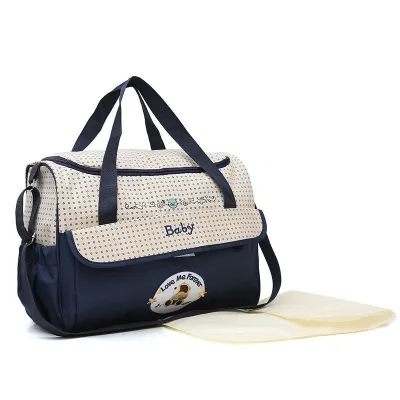
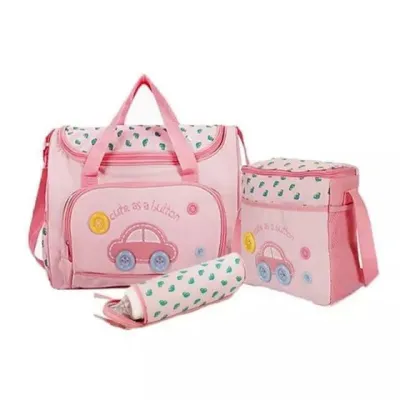
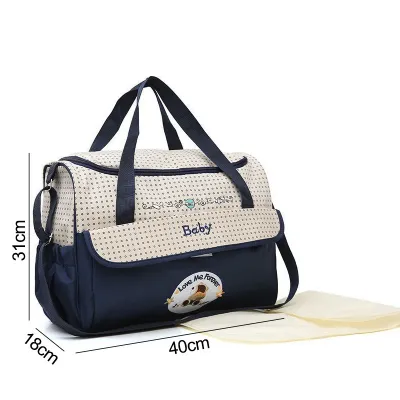
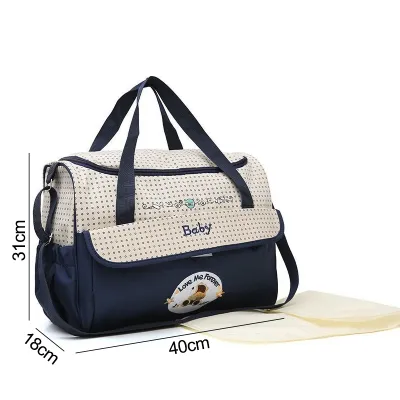
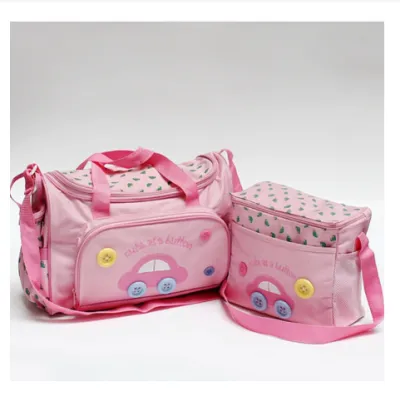
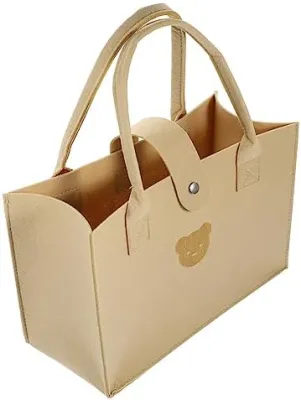
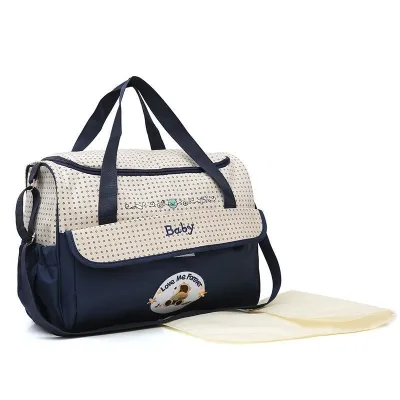
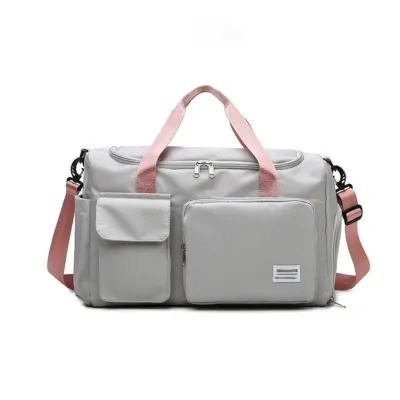
Prices are valid at publication and may change. Please refer to the product page for the latest price.
Backpacks have become the preferred choice for many parents due to their ergonomic design. By distributing weight evenly across both shoulders, a backpack minimizes localized strain on the neck and upper back. This style keeps both of your hands completely free, which is incredibly beneficial when pushing a stroller, carrying a baby in a front carrier, or chasing an active toddler. When selecting a backpack, look for wide, contoured shoulder straps featuring breathable mesh padding. This design helps facilitate airflow, reducing sweat buildup during warm, humid days.
Shoulder totes and crossbody bags offer a different set of advantages, primarily centered around accessibility. A shoulder tote allows you to reach into the bag and grab an item quickly without having to take the bag off. However, carrying a heavy load on one shoulder for long periods can lead to muscle imbalances. Crossbody bags provide a more secure fit than standard shoulder bags, keeping the bag close to your body. The main drawback is that crossbody bags can swing forward and get in the way when you bend down to tend to your child.
Regardless of the style you choose, check for adjustable straps that allow you to customize the fit to your body frame. If multiple caregivers will be using the bag, easily adjustable buckles are a must. Additionally, look for integrated stroller straps or sturdy D-rings that allow you to attach the bag to a stroller handlebar. When using stroller attachments, always consult your stroller’s user manual to verify weight limits. Hanging an excessively heavy bag on the handlebar can cause the stroller to tip backward, posing a safety risk. If you begin to experience persistent shoulder pain or lower back stiffness, it is a clear indication that you need to adjust your carrying style, reduce the bag’s contents, or switch to a more ergonomic backpack design.
Evaluate Storage Capacity and Smart Organization
An organized baby bag saves time and reduces stress during hectic outings. When evaluating storage capacity, look beyond the total volume of the bag and focus on how that space is divided. A massive, single-compartment bag without internal pockets often turns into a chaotic void where small items like pacifiers, nail clippers, or hand sanitizers easily get lost at the bottom.

A highly functional bag should feature a balanced mix of a spacious main compartment and specialized storage zones. Insulated bottle pockets are particularly valuable for keeping milk, formula, or water at a consistent temperature. When inspecting these pockets, verify that they are wide and tall enough to accommodate your preferred brand of baby bottles. The insulation material should be leak-proof and easy to wipe clean in case of spills.
Another essential feature is a dedicated wet/dry separation zone. This is typically a zippered pocket lined with waterproof materials such as thermoplastic polyurethane (TPU) or PEVA. This compartment allows you to isolate soiled clothes, damp bibs, or used washcloths from the rest of your clean supplies, preventing moisture and odors from spreading. In humid climates, keeping damp items sealed away is crucial for maintaining overall hygiene and preventing mold growth inside the bag.
Quick-access pockets for parent essentials are equally important. You should not have to dig past diapers and baby wipes to find your phone, wallet, keys, or transit cards. Look for secure, exterior zippered pockets—ideally located on the back panel of a backpack—that rest against your body to deter theft while keeping your personal items within easy reach.
As your child grows, your daily carrying needs will naturally shift. During the newborn stage, you will need to carry numerous small items, including multiple changes of clothes, burp cloths, diapers, and feeding supplies. As your baby transitions into a toddler, the volume of diapers decreases, but you will need more space for larger items like snack containers, water bottles, toys, and bulkier spare clothes. Choose a bag with flexible internal organization, such as removable dividers or modular pouches, that can adapt to these changing stages without requiring you to purchase an entirely new bag.
Check Material Quality, Durability, and Cleaning Requirements
The materials used in a baby bag determine its longevity, empty weight, and how easy it is to maintain. Because this bag will accompany you to parks, clinics, public restrooms, and restaurants, it must be constructed from durable fabrics that can withstand frequent cleaning and rough handling.
Common exterior materials include nylon, polyester, canvas, and vegan leather. Nylon and polyester are highly recommended for daily use because they are lightweight, inherently water-resistant, and exceptionally durable. They resist tearing and can be easily wiped down with a damp cloth. Canvas offers a classic, rugged aesthetic, but untreated canvas can absorb liquids, stain easily, and take a long time to dry. If you prefer canvas, ensure it has a water-repellent coating. Vegan leather provides a sleek, sophisticated look, but it tends to be heavier than synthetic fabrics and can trap heat against your body.
Beyond the main fabric, pay close attention to the hardware and construction quality. Zippers are the most common failure point on any bag. Inspect the zippers to ensure they are heavy-duty, smooth-gliding, and feature large, easy-to-grasp pulls that you can operate with one hand. Look for reinforced double-stitching at high-stress areas, such as where the shoulder straps and top handles attach to the main body of the bag. A structured, reinforced base—preferably equipped with metal or plastic feet—is another valuable feature. This keeps the bag upright when placed on the ground, protecting the bottom fabric from dirt, wet surfaces, and premature wear.
Spills, leaks, and dirt are inevitable when traveling with a baby. Before making a purchase, always check the manufacturer’s care label for specific cleaning instructions. Some fabric bags are machine-washable on a gentle cycle, which offers maximum convenience. However, many structured bags require spot cleaning. For these, a simple solution of warm water and mild baby-safe soap is usually sufficient. Avoid using harsh chemical cleaners, bleach, or abrasive brushes, as these can degrade the water-resistant coatings and damage the fabric fibers. Ensure the bag is completely dry before packing it to prevent musty odors and mildew.
Consider Dual-Purpose Designs and Parent-Friendly Add-ons
A great baby bag is one that transitions smoothly between different roles. Many parents prefer designs that do not look like traditional baby gear, allowing them to use the bag for work, travel, or personal errands without feeling out of place.
Look for bags that offer modular versatility, such as removable organizer inserts. These inserts allow you to pack all baby-related items into a single organizer that can be lifted out of the bag entirely. This instantly converts the diaper bag into a standard backpack or tote for days when you are traveling without your child.
An integrated or matching changing pad is another highly practical add-on. Portable changing pads provide a clean, cushioned surface for diaper changes when public changing stations are unavailable or unhygienic. When evaluating a changing pad, ensure it is made of a waterproof, wipeable material and is large enough to accommodate your baby’s length. A detachable changing pad is generally more convenient than one built directly into the bag’s structure, as it can be washed and sanitized separately.
Aesthetic design plays a significant role in the long-term utility of the bag. Neutral colors, minimalist profiles, and classic patterns allow both parents to carry the bag comfortably. This shared usability is not only practical but also cost-effective, as it eliminates the need to buy separate bags for each caregiver.
Modern baby bags often incorporate tech-friendly features, such as padded laptop sleeves, dedicated tablet pockets, and built-in USB charging ports. While these features add convenience for working parents, evaluate their actual utility against the added weight they bring. A padded laptop sleeve is excellent if you frequently work on the go, but ensure it is positioned away from the bottle compartments to protect your electronics from potential leaks.
Build Your Personal Bag for Mommy and Baby Shortlist
To find the right bag for your lifestyle, it helps to create a structured shortlist based on your specific daily routines and budget. By mapping your typical outings against key features, you can avoid overspending on unnecessary extras while ensuring your essential needs are met.
Start by analyzing your daily scenarios. If your routine primarily consists of short errands, such as quick trips to the local grocery store or pediatrician visits, a compact crossbody bag or a mini diaper backpack may be sufficient. These smaller bags keep you light on your feet while holding just enough diapers, wipes, and a single bottle. Conversely, if you frequently embark on full-day outings, family road trips, or travel, you will require a large-capacity backpack with multiple insulated compartments, extensive organization, and ample space for extra clothing and toys.
Next, establish a realistic budget in Philippine Pesos (₱). Diaper bags are available at various price points, ranging from budget-friendly options to high-end designer models. When allocating your budget, prioritize structural durability, high-quality zippers, and water-resistant materials over temporary aesthetic trends or brand names. Investing in a well-constructed, mid-range bag often proves more economical in the long run, as it reduces the likelihood of needing a replacement due to broken zippers or torn straps within a few months of use.
Before finalizing your purchase, perform a few essential verification steps:
- Check the return and exchange policies of the retailer or online marketplace to ensure you can return the bag if it does not meet your expectations upon arrival.
- Read verified customer reviews, paying close attention to feedback regarding the bag's actual weight when empty, the comfort of the straps under a full load, and how well the zippers hold up over time.
- Confirm the manufacturer's official specifications, including dimensions and empty weight, to ensure the bag is a comfortable fit for your physical frame and compatible with your stroller.
Frequently Asked Questions (FAQ)
Do I really need a dedicated bag for mommy and baby, or can I use a regular backpack?
While you can certainly use a standard backpack, dedicated baby bags offer specialized organizational features that make daily outings significantly easier. Built-in insulated bottle pockets, dedicated quick-access wipe compartments, and waterproof wet/dry zones are rarely found in standard backpacks. These features help keep baby essentials hygienic and organized. However, if you prefer to use a regular backpack, you can achieve a similar level of organization by purchasing separate modular organizer pouches and a portable changing pad to pack inside.
How heavy should a fully packed diaper bag be to avoid back strain?
To prevent physical strain and maintain proper posture, a fully packed diaper bag should generally not exceed 10% to 15% of your body weight. To keep the load manageable, pack only what you realistically need for your outing—such as one diaper for every two hours you plan to be away, plus a couple of spares. Avoid carrying full-sized packs of wipes or heavy toys. Physical warning signs that your bag is too heavy include the straps digging uncomfortably into your shoulders, neck stiffness, or finding yourself leaning forward to balance the weight. If you experience these symptoms, review the bag’s contents and remove non-essential items.

Community discussion
Share your experience or ask a question. Comments are reviewed before publication.